
Yes, a bladder infection can cause nausea, but it usually happens when the infection becomes more severe or spreads beyond the bladder. A simple lower urinary tract infection (UTI) typically causes urinary symptoms, but nausea often signals that the infection may have reached the kidneys or triggered a stronger body response.
This article will answer the popular question care workers mostly ask: will a bladder infection cause nausea. Caregivers should pay close attention when nausea appears alongside a UTI, as this may indicate a more serious condition that requires prompt medical treatment.

Key Takeaways
- A simple bladder infection does not usually cause nausea, but severe infections can.
- Nausea often signals that the infection may have spread to the kidneys.
- Caregivers should act quickly if nausea appears with fever, back pain, or vomiting.
- Urine infection treatment typically involves antibiotics, and early treatment prevents complications.
- UTI antibiotics like nitrofurantoin often start working within a few days, but symptoms can worsen if untreated.
- Always monitor vulnerable groups such as the elderly and pregnant women closely, as symptoms may escalate faster.
RELATED: Is MS Hereditary or Inherited? What Causes Multiple Sclerosis (2026)
What Causes Nausea in a UTI?
A urinary tract infection does not usually affect the stomach directly. However, certain changes in the body can trigger nausea, especially when the infection becomes more severe.
Infection Spreads to the Kidneys
When bacteria move from the bladder to the kidneys, the infection becomes more serious (pyelonephritis). This stage often causes nausea, vomiting, fever, and back pain. Caregivers should treat this as urgent.
Strong Immune Response
The body reacts to infection by releasing inflammatory chemicals. This response can make a person feel unwell, tired, and nauseous. In some cases, the discomfort feels similar to flu symptoms.
Medication Side Effects
Some UTI antibiotics, such as nitrofurantoin, can cause nausea as a side effect. This does not always mean the infection is worsening, but caregivers should monitor symptoms closely.
Underlying Bladder Infection Causes
Different bladder infection causes, such as bacterial overgrowth, poor hygiene, or incomplete bladder emptying, can influence how severe the infection becomes. In women, understanding what causes a UTI in a woman (like shorter urethra or hormonal changes) helps explain why symptoms can escalate quickly.
For caregivers, the key takeaway is simple: nausea is not usually the first sign of a UTI, but when it appears, it often signals that the infection needs closer attention or medical review.
When Nausea Means Something Serious
Nausea alone does not always signal danger, but when it appears with certain symptoms, caregivers should act quickly. These combinations often point to a more serious infection, especially one affecting the kidneys.
Red Flags to Watch For
- Fever and chills
- Lower back or side pain
- Vomiting or inability to keep fluids down
- Severe fatigue or confusion (common in older adults)
- Painful or frequent urination alongside worsening symptoms
These signs suggest the infection may have progressed beyond a simple bladder infection and now requires urgent treatment urinary tract infection care.
Special Situations Caregivers Must Not Ignore
- UTI in pregnancy: Even mild symptoms can become serious quickly and require immediate medical attention.
- Recurrent infections: If someone experiences repeated UTIs, caregivers may wonder, can recurrent UTIs be a sign of cancer? While this is rare, persistent infections should always be medically evaluated to rule out underlying conditions.
Caregiver Insight
Do not wait for symptoms to “settle.” If nausea appears alongside any of these warning signs, seek medical care immediately. Early intervention with proper urine infection treatment can prevent complications and speed up recovery.
READ MORE: What is an SR1 Form? 2026 Guide for UK Care Providers
Common UTI Symptoms Caregivers Should Watch For
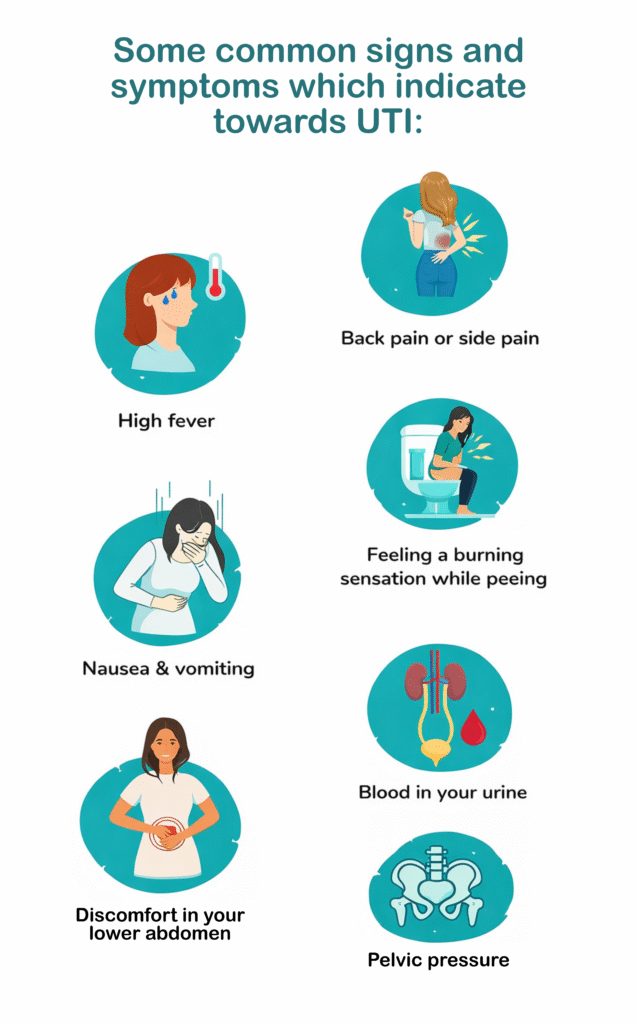
A urinary tract infection often starts with mild, easy-to-miss symptoms. Caregivers should spot these early to prevent the infection from worsening.
General UTI Symptoms
- Frequent urge to urinate
- Burning sensation when urinating
- Cloudy or strong-smelling urine
- Lower abdominal or pelvic pain
- Fatigue or general discomfort
These symptoms usually point to a lower UTI (bladder infection). When symptoms escalate, the risk of complications increases.
UTI Symptoms in Women
Women experience UTIs more often due to anatomy and hormonal factors. Many caregivers ask about the 10 causes of UTI in females, which commonly include poor hygiene, dehydration, sexual activity, and incomplete bladder emptying.
Understanding what causes a UTI in a woman helps caregivers act early and prevent recurrence. Women may also report pelvic pressure and a constant urge to urinate, even after emptying the bladder.
UTI Symptoms in Men
Although less common, UTI in men can be more serious and often linked to underlying conditions.
Caregivers should watch for:
- Painful urination
- Lower abdominal or rectal discomfort
- Weak urine flow
- Fever in more advanced cases
Questions like can guys get urinary tract infections, do males get UTIs, or does man get UTI come up often, the answer is yes, and when they do occur, they require careful attention.
Understanding male UTI symptoms and how a man gets a urinary tract infection (such as through prostate issues or urinary blockages) helps caregivers respond appropriately and seek timely care.
How to Treat a UTI (Caregiver Action Plan)

Caregivers play a key role in getting fast, effective treatment. Early action prevents complications and speeds up recovery.
Medical Treatment (First-Line Care)
Doctors treat most UTIs with antibiotics. Start treatment as soon as symptoms appear and follow the full course.
- Common options include nitrofurantoin, trimethoprim, and cephalexin
- Many people ask, what is best antibiotic for urinary tract infection, the best choice depends on the bacteria and the patient’s history
- UTI antibiotics usually begin to relieve symptoms within 24–72 hours
- If you’re wondering how long does nitrofurantoin take to work on a UTI, most patients feel improvement within 2–3 days
Caregivers should ensure the patient:
- Takes medication exactly as prescribed
- Finishes the full course, even if symptoms improve
- Reports worsening symptoms immediately
This is the most reliable treatment urinary tract infection approach.
UTI Treatment at Home (Supportive Care)
Home care supports recovery but does not replace antibiotics for most infections.
- Encourage plenty of fluids (water helps flush bacteria)
- Promote regular urination (do not hold urine)
- Maintain proper hygiene
- Ensure adequate rest
Many caregivers search for UTI treatment at home or how to treat a UTI naturally. While these steps help, they do not cure most infections alone.
Common Questions Caregivers Ask
- Can a UTI heal on its own?
Mild cases may improve, but most require antibiotics to prevent complications
- How to get rid of a UTI in 24 hours?
There is no guaranteed way, fast treatment reduces symptoms, but full recovery takes a few days
- How to get rid of cystitis fast?
Start antibiotics early, stay hydrated, and rest
- Water infection tablets:
Over-the-counter products may relieve symptoms, but do not replace proper urine infection treatment
Caregivers should always prioritize early medical care. Quick action reduces the risk of the infection spreading and helps patients recover safely.
SEE ALSO: What is the Health and Safety at Work Act 1974?
Special Cases Caregivers Must Not Ignore
Some patients face a higher risk of complications from a urinary tract infection. Caregivers must act faster and monitor symptoms more closely in these situations.
Elderly Patients
Older adults may not show typical UTI symptoms. Instead, they may develop:
- Confusion or sudden changes in behavior
- Increased weakness or falls
- Loss of appetite
Do not assume these signs are “normal aging.” A UTI can quickly worsen without obvious urinary symptoms.
UTI in Pregnancy
A UTI in pregnancy requires immediate attention. Even mild symptoms can lead to serious complications, including kidney infection or premature labor.
Caregivers should:
- Encourage early testing
- Ensure prompt treatment
- Never delay medical care
Recurrent UTIs
Frequent infections should not be ignored. Many caregivers ask, can recurrent UTIs be a sign of cancer? While this is uncommon, repeated infections can signal underlying issues such as:
- Kidney stones
- Structural problems in the urinary tract
- Chronic bladder conditions
A healthcare provider should always investigate persistent or recurring UTIs.
UTIs in Men
Although less common, male UTI cases often indicate an underlying condition such as prostate enlargement or urinary blockage.
Caregivers should pay attention to:
- Persistent symptoms
- Difficulty urinating
- Recurrent infections
Understanding 10 causes of UTI male (such as poor bladder emptying, catheter use, or prostate issues) helps caregivers recognize when further evaluation is needed.
In all these cases, do not rely on home remedies alone. Early diagnosis, proper treatment urinary tract infection, and close monitoring can prevent serious complications.
MORE: How Much Is JSA (Jobseeker’s Allowance) in 2026?
When to Seek Immediate Medical Help
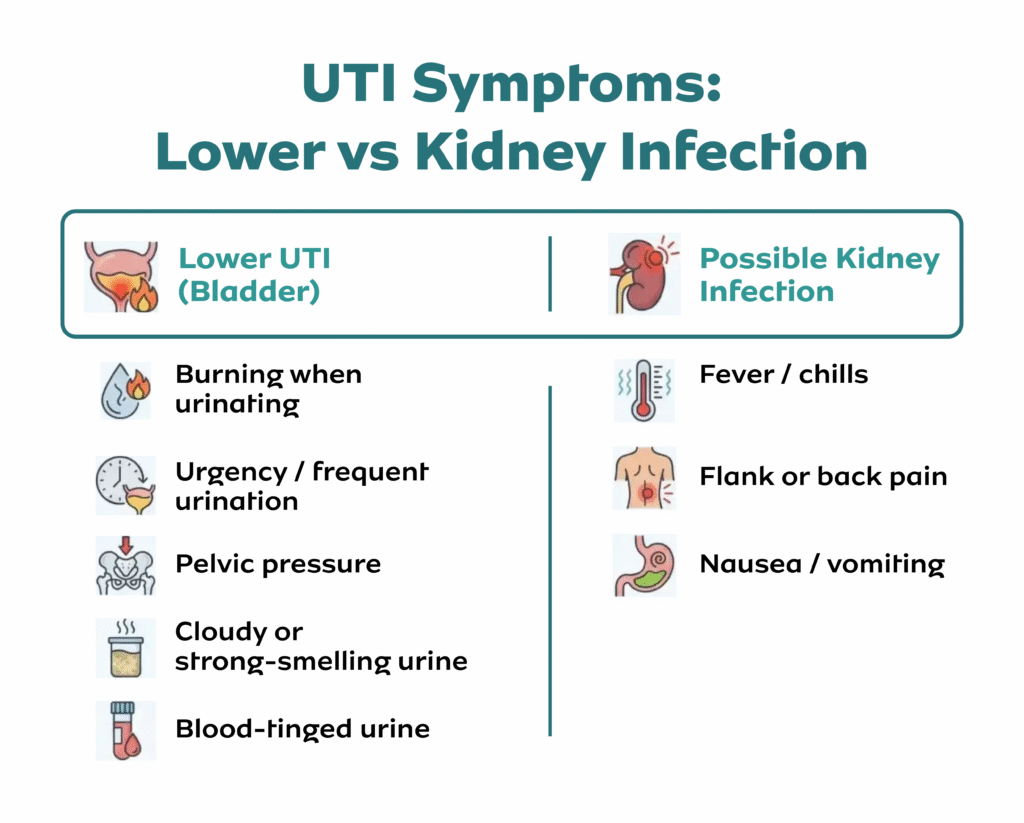
Caregivers should not wait when symptoms worsen. A urinary tract infection can escalate quickly, especially when nausea is involved.
Seek urgent care if the person has:
- Nausea with vomiting
- Fever or chills
- Lower back or side pain
- Severe weakness or confusion
- Inability to keep fluids or medication down
- Symptoms that do not improve after starting UTI antibiotics
These signs often indicate a kidney infection or a more serious complication.
Delaying care can allow the infection to spread into the bloodstream (sepsis), which can become life-threatening. Early treatment urinary tract infection reduces this risk and improves recovery outcomes.
Caregiver Tip
If you are unsure, do not guess; get a UTI test done as soon as possible. Testing confirms the infection and helps doctors choose the right urine infection treatment quickly.
Final Thoughts…
So, will a bladder infection cause nausea? Yes, but it often signals that the infection has become more serious or is affecting the kidneys. Caregivers should never ignore this symptom, especially when it appears with fever, vomiting, or back pain.
The key to managing any UTI is early action. Start proper urine infection treatment quickly, monitor symptoms closely, and seek medical care when warning signs appear. While UTI treatment at home can support recovery, it should never replace medical care when symptoms worsen.
Stay alert, act early, and always prioritize safety. Quick decisions and proper care can prevent complications and help patients recover faster.
Need Help Managing UTIs in Your Care Service?
If you want to avoid delayed treatment, worsening symptoms, and preventable complications, expert guidance can make a real difference in how you manage infections like UTIs.
Care Sync Experts supports care providers and caregivers with:
- practical guidance on recognising early UTI symptoms
- support with infection prevention and care protocols
- staff training on managing common conditions like UTIs
- clear escalation pathways for high-risk cases
- ongoing compliance support aligned with current care standards
We understand how quickly a simple infection can escalate, especially in vulnerable patients, and we help you stay prepared with the right systems and knowledge.
Book a Free Care Compliance Consultation
If you want to strengthen your care processes or improve how your team handles infections, speak to our team today.
This guide was prepared by Care Sync Experts and reflects best practices as of 2026. Always seek medical advice from a qualified healthcare professional for diagnosis and treatment.
FAQ
What can be mistaken for a bladder infection?
Several conditions can feel like a bladder infection, including vaginal infections (like yeast infections), sexually transmitted infections (STIs), kidney stones, or interstitial cystitis (a chronic bladder condition). Caregivers should not assume; it’s best to confirm with a proper UTI test to avoid treating the wrong condition.
What is the first stage of a UTI?
The first stage usually begins in the lower urinary tract (bladder or urethra). Early signs include a frequent urge to urinate, mild burning, and discomfort in the lower abdomen. Acting at this stage makes treatment urinary tract infection easier and prevents the infection from spreading.
What not to drink when having a UTI?
Avoid drinks that irritate the bladder, such as caffeine (coffee, tea), alcohol, and sugary or fizzy drinks. These can worsen symptoms and delay recovery. Caregivers should encourage water, which supports effective urine infection treatment.
Can you have a UTI without burning during urination?
Yes, not everyone experiences burning. Some people, especially older adults, may only show symptoms like fatigue, confusion, nausea, or general discomfort. Caregivers should stay alert, as UTIs can present differently depending on the individual.