Tag: DBS

  • What Is an Enhanced DBS CRB Check? 2026 Update for Care Homes

    What Is an Enhanced DBS CRB Check? 2026 Update for Care Homes

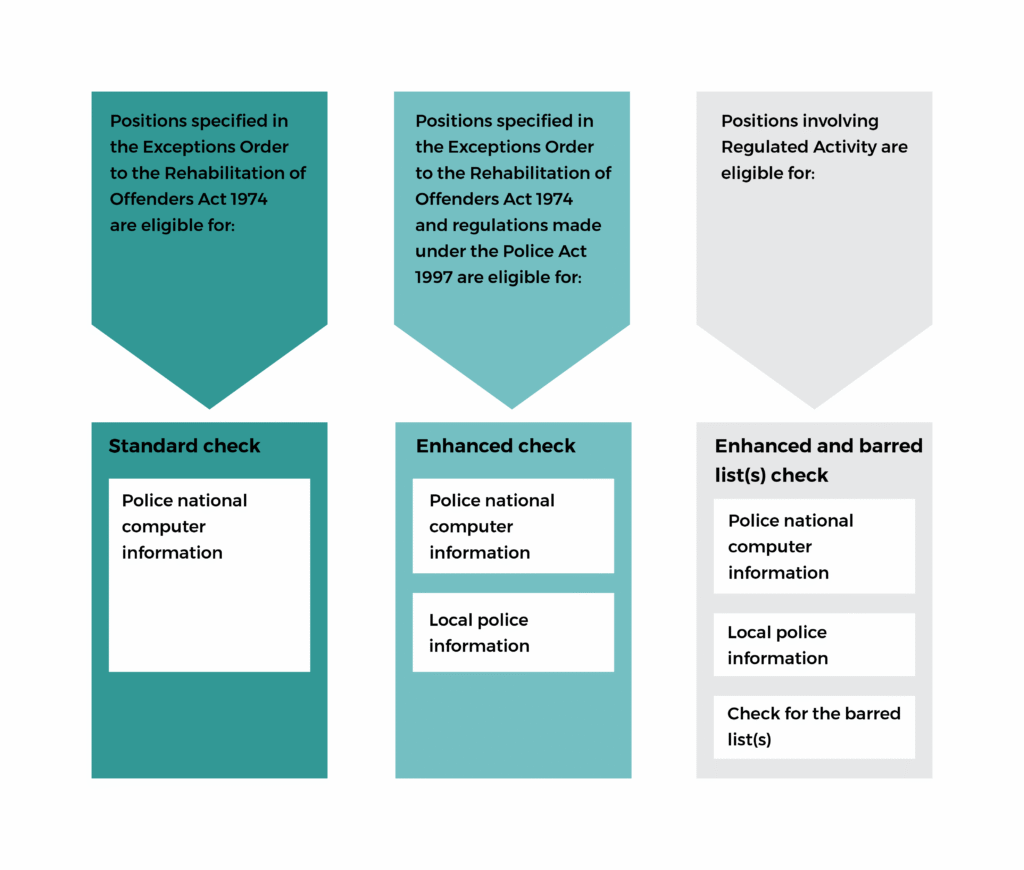
    An enhanced DBS CRB check is the highest level of background check carried out by the UK’s Disclosure and Barring Service. It shows spent and unspent convictions, cautions, local police intelligence, and barred list status for people working with children or vulnerable adults. Employers must request this check for regulated roles such as caregivers, nurses, and support workers.

    An enhanced DBS check typically costs £49.50 (excluding any service fees) and takes 7 to 14 days to complete, although delays can occur if multiple police forces need to review the application. This check plays a critical role in safeguarding, making it a legal and operational requirement for most care providers.

    Get expert support for your next tender, inspection-ready policies, or CQC registration — book a call with Care Sync Experts today and let’s get you compliant and competitive.

    Key Takeaways

    • An enhanced DBS CRB check is the highest level of criminal record check in the UK
    • It includes convictions, cautions, police intelligence, and barred lists
    • Caregivers and healthcare staff must pass this check to work in regulated roles
    • Employers (not individuals alone) must initiate the application
    • The standard fee is £49.50, and results usually arrive within 7–14 days
    • There is no official expiry, but employers often request renewal every 1–3 years

    What Is an Enhanced DBS CRB Check?

    An enhanced DBS CRB check is a safeguarding requirement that allows care providers to verify whether a person is safe to work with vulnerable individuals. If you run a care agency, manage a care home, or recruit support staff, this check protects your clients, your business, and your regulatory standing.

    In simple terms, what is a DBS check?

    A DBS check is a background screening process carried out by the Disclosure and Barring Service to review a person’s criminal record and suitability for specific roles. The enhanced CRB DBS version goes further than a basic DBS check by including sensitive information relevant to safeguarding.

    From a caregiver business standpoint, this is not optional; it is a core compliance requirement.

    Why It Matters in Care Services

    • Protects vulnerable people: You ensure that staff working with children, elderly individuals, or people with disabilities are safe and suitable
    • Supports regulatory compliance: Regulators like CQC expect strict DBS checks as part of safe recruitment practices
    • Improves trust and reputation: Families and commissioners trust providers who follow proper safeguarding procedures
    • Reduces legal risk: Hiring without proper checks can lead to serious legal and operational consequences

    Enhanced vs Basic DBS Check (Quick Context)

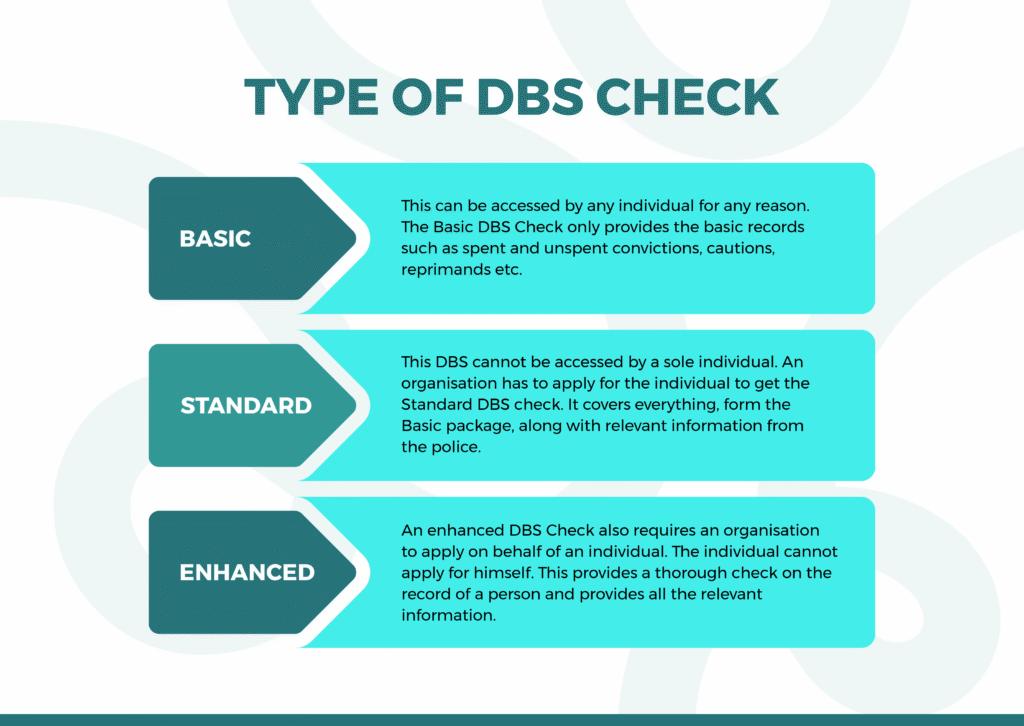
    A basic DBS check only shows unspent convictions.

    An enhanced DBS CRB check provides a full safeguarding picture, which makes it essential for caregiver roles.

    If you employ or manage caregivers, you must treat DBS checks as part of your standard hiring process, not an afterthought.

    RELATED: Employment Rights Bill: What UK Care Workers Must Do Before 2026–2027

    Who Needs an Enhanced DBS Check in Care Services?

    Care providers must follow strict enhanced DBS CRB requirements when hiring staff. If a role involves direct contact with vulnerable people, you must request an enhanced DBS check before allowing the person to start work.

    Roles That Require an Enhanced DBS Check

    In the care sector, you must carry out an enhanced DBS check for:

    • Care workers and domiciliary caregivers
    • Support workers and healthcare assistants
    • Nurses and clinical staff
    • Care home managers and supervisors
    • Agency staff working with vulnerable adults or children
    • Volunteers involved in regulated care activities

    If your staff provide personal care, handle medication, or support daily living, the role almost always falls under regulated activity.

    What Counts as Regulated Activity?

    A role qualifies as regulated activity if the worker:

    • Provides personal care (washing, dressing, feeding)
    • Supports individuals with healthcare or medication
    • Works closely with children or vulnerable adults on a regular basis
    • Has unsupervised access to people receiving care

    If the answer is yes to any of the above, you must complete an enhanced DBS check.

    Why This is Important for Care Providers

    • Regulators expect strict compliance with DBS requirements
    • Commissioners often require proof of DBS checks before awarding contracts
    • Failing to carry out checks can lead to serious legal consequences

    If you run a care business, treat enhanced DBS checks as a non-negotiable hiring step.

    What Does an Enhanced DBS Check Include? (CRB Checklist)
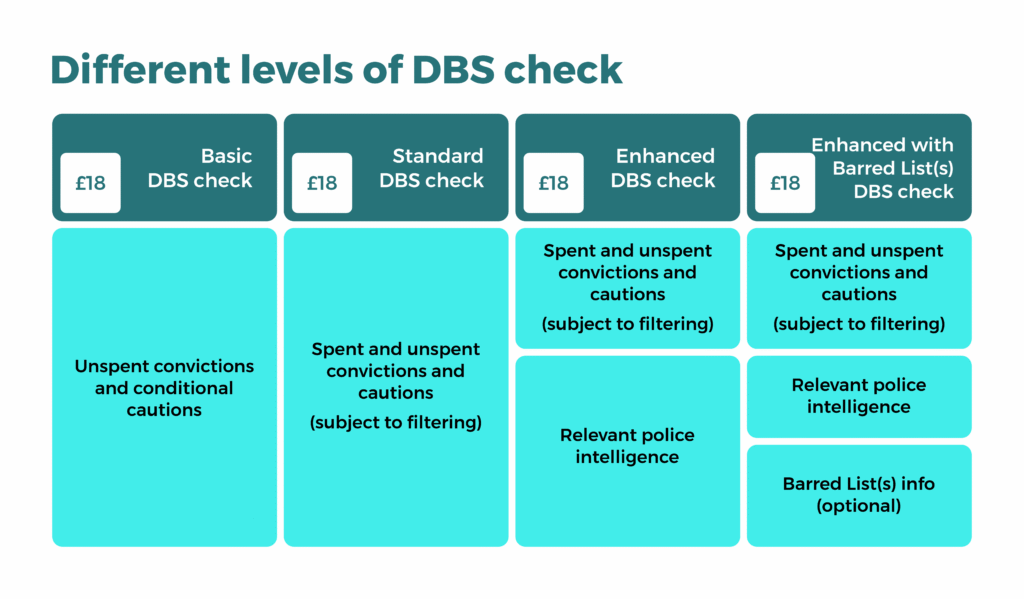
    Different Levels of DBS Check
    Different Levels of DBS Check

    An enhanced DBS CRB check provides a complete safeguarding profile of an individual. As a care provider, you use this information to decide whether a candidate is safe to work with vulnerable people.

    Here is a clear CRB checklist of what the enhanced check includes:

    1. Criminal Record (Spent and Unspent)

    The check shows:

    • Unspent convictions
    • Relevant spent convictions
    • Cautions, reprimands, and final warnings

    This gives you a full history, not just recent offences.

    2. Local Police Intelligence

    Police forces may include additional information they believe is relevant to the role.

    • This may not appear on standard checks
    • It helps identify potential risks that are not captured in convictions

    This is one of the key reasons the enhanced CRB DBS is required in care roles.

    3. Barred Lists Check

    The enhanced DBS check can confirm if a person is:

    • Barred from working with children
    • Barred from working with vulnerable adults
    • Or both (depending on the role)

    If someone appears on a barred list, you must not employ them in regulated activity.

    4. Identity and Eligibility Verification

    Before submission, the process also confirms:

    • Identity documents
    • Address history
    • Right to work details (where applicable)

    Errors here can delay the process significantly.

    Why This is Important for Care Businesses

    • You get a complete safeguarding picture, not just a basic background check
    • You reduce the risk of hiring unsuitable staff
    • You stay compliant with CQC and safeguarding regulations

    An enhanced DBS check is not just paperwork, it is a critical risk management tool for any caregiver business.

    READ MORE: Central Reservations System for Caregivers UK: Importance of Digital Care Management

    How to Get an Enhanced DBS CRB (Step-by-Step)

    If you run a care business, you must follow the correct process to get an enhanced DBS CRB check for your staff. You cannot skip steps or apply informally, regulators expect a structured process.

    Here is how to get an enhanced DBS CRB check:

    Step 1: Employer or Umbrella Body Initiates the Check

    You (the employer) must start the process.

    • If you process many checks yearly, you can register with DBS
    • If not, you must use an umbrella body

    This is why many people searching “enhanced DBS check online” cannot complete it alone.

    Step 2: Complete the Enhanced DBS Application Form

    The applicant fills in the enhanced DBS application form (also called the enhanced DBS CRB form).

    This includes:

    • Personal details
    • Full 5-year address history
    • Role information

    Accuracy is critical; errors cause delays.

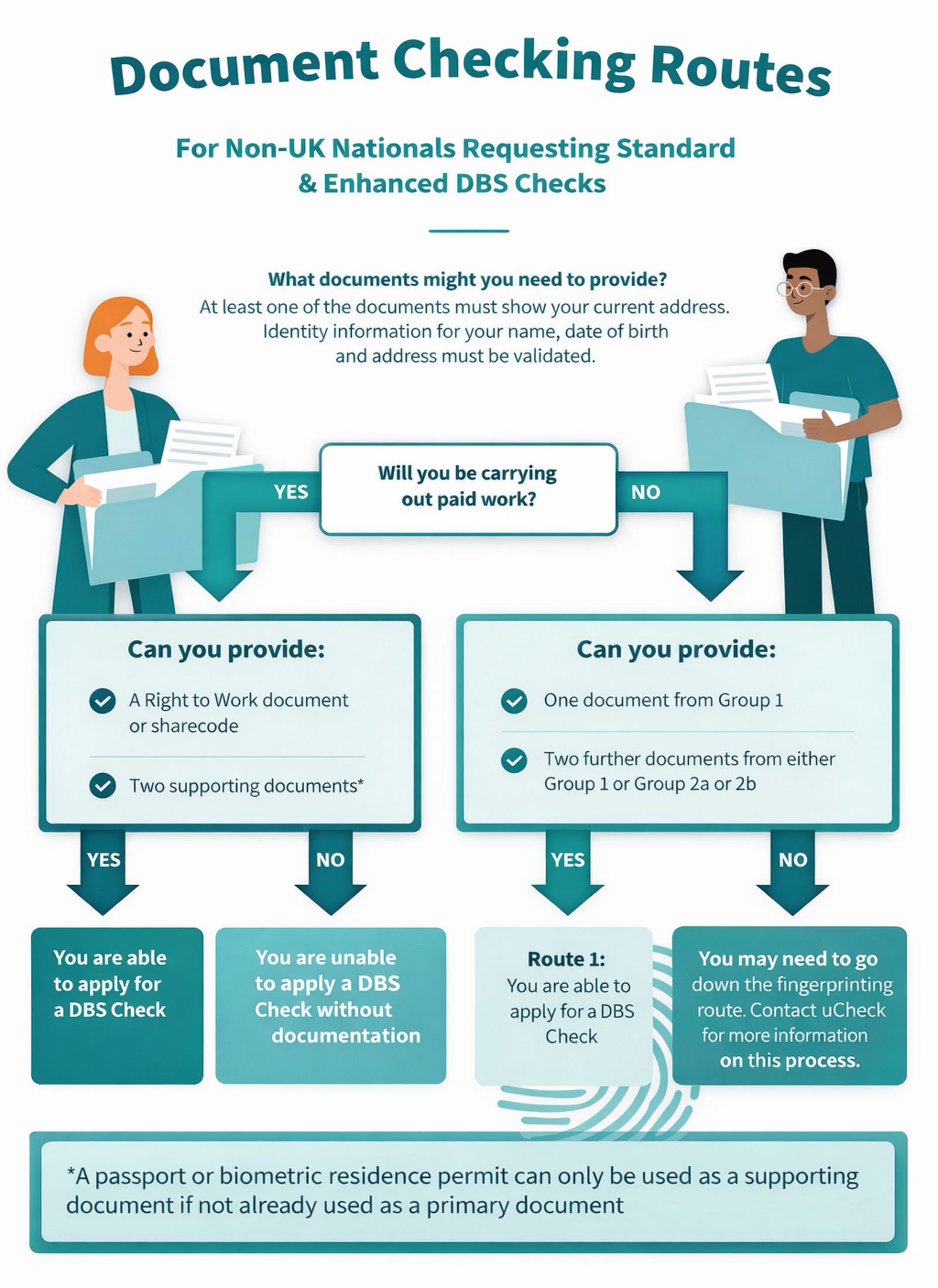
    Step 3: Verify Identity Documents

    You must verify the applicant’s identity before submission.

    Required documents usually include:

    • Passport or driving licence
    • Proof of address
    • Supporting ID if needed

    If details do not match, the application may be rejected.

    Step 4: Submit the Application

    You send the completed form to:

    • DBS (if registered), or
    • Your umbrella body

    At this stage, the enhanced DBS check online process moves into review.

    Step 5: DBS Processes the Check

    The Disclosure and Barring Service:

    • Reviews criminal records
    • Contacts relevant police forces
    • Checks barred lists

    This is the longest stage of the process.

    Step 6: Certificate Issued to the Applicant

    DBS sends the certificate directly to the applicant, not the employer.

    • You must ask the applicant to show it
    • You should verify authenticity before hiring

    Key Tip for Care Providers

    Always build this process into your recruitment workflow. Do not allow staff to start unsupervised work until you complete the enhanced DBS check.

    A clear, compliant process protects your business and ensures you meet enhanced DBS CRB requirements.

    Can You Apply for an Enhanced DBS Check for Yourself?
    Disclosure and barring service (DBS)

    Many people search “apply for enhanced DBS for myself” or “enhanced DBS check for myself”, but this often leads to confusion.

    The truth is simple: You cannot apply for an enhanced DBS CRB check entirely by yourself.

    Why You Cannot Apply Alone

    The Disclosure and Barring Service only allows enhanced checks when:

    • A specific job role requires it
    • The role involves regulated activity
    • An employer or authorised organisation verifies the application

    This ensures the check stays relevant to safeguarding, not general background screening.

    How Individuals Actually Get an Enhanced DBS Check

    If you need an enhanced DBS check, you must go through:

    • An employer (e.g. care agency, care home, NHS provider)
    • Or an umbrella body acting on behalf of the employer

    The employer will:

    • Confirm the role qualifies for an enhanced check
    • Complete the application process
    • Verify your identity and documents

    What If You Are Self-Employed?

    If you work as a self-employed caregiver, you still cannot apply directly.

    Instead, you must:

    • Work with an organisation that can request the check
    • Or use an umbrella body authorised to process enhanced DBS applications

    Alternative Option (If You Just Need a Check)

    If you only need a general background check (not for regulated care work), you can apply for a:

    Basic DBS check

    • This shows unspent convictions only
    • You can apply for it yourself online

    Key Takeaway for Care Businesses

    If you hire caregivers, always remember:

    • The employer controls the enhanced DBS process
    • Individual applications without employer involvement are not valid

    Understanding this prevents delays and ensures you meet enhanced DBS CRB requirements correctly.

    SEE ALSO: What Are Part L Building Regulations? What Care Homes Need to Know in 2026

    How Long Does a DBS Check Take?
    Enhanced DBS CRB
    Enhanced DBS CRB

    One of the most common questions care providers ask is: how long does a DBS check take?

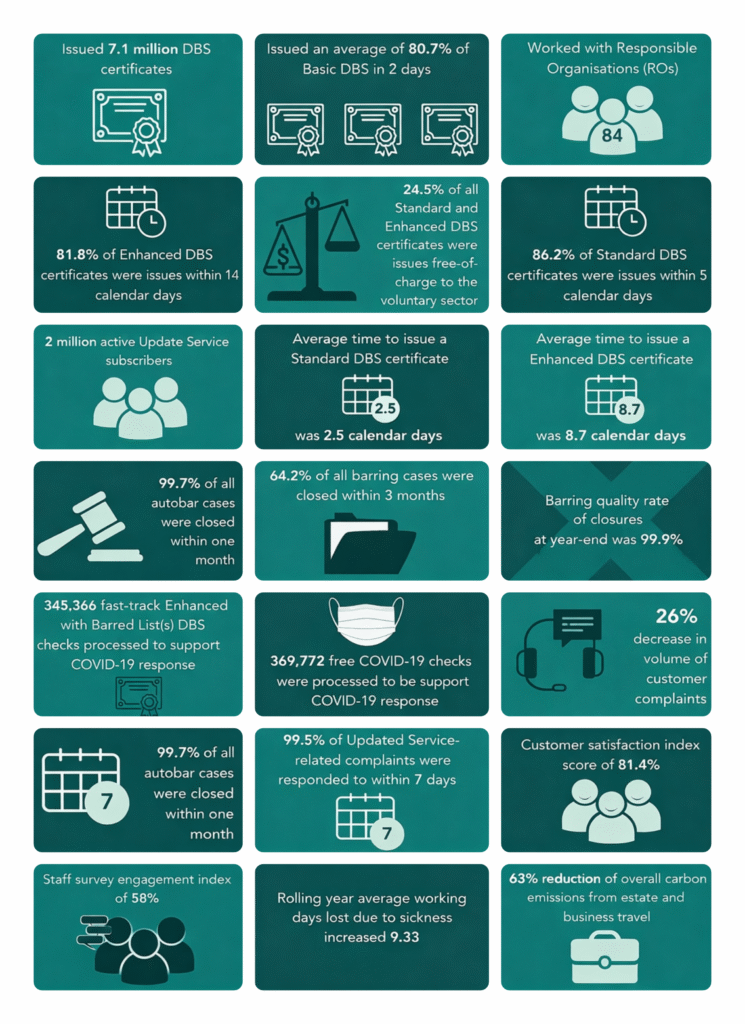
    For an enhanced DBS CRB check, the process usually takes 7 to 14 days from submission to certificate issue.

    Typical Timeline Breakdown

    • Application and ID verification: 1–3 days
    • DBS processing and police checks: 5–10 days
    • Certificate delivery: 1–3 days

    Most applications fall within this range if everything is correct.

    What Can Delay an Enhanced DBS Check?

    Several factors can extend the timeline:

    • Incorrect or incomplete application details
    • Gaps in address history
    • Multiple police forces involved in checks
    • High application volumes

    Even small errors can add several days to the process.

    Can You Speed Up a DBS Check?

    No, you cannot pay to fast-track the official DBS process.

    However, you can reduce delays by:

    • Submitting accurate information
    • Verifying documents properly
    • Using experienced umbrella bodies

    Why This Matters for Care Providers

    • Delays can slow down recruitment
    • You may need to supervise new staff temporarily
    • Poor planning can affect service delivery and compliance

    Always start DBS checks early in your hiring process.

    Pro Tip

    Build DBS timelines into your recruitment planning so you never rely on last-minute checks. A proactive approach keeps your care service fully compliant and operational.

    How Much Is an Enhanced DBS Check?

    An enhanced DBS check costs £49.50, excluding any additional service fees charged by third-party providers. If you are hiring caregivers, you must understand how much a DBS check costs so you can budget correctly and avoid surprises.

    Breakdown of Costs

    • Enhanced DBS check: £49.50
    • Enhanced DBS with barred lists: £49.50 (same base fee)
    • Volunteer checks: Free (in most cases)

    The government sets these prices through the Disclosure and Barring Service.

    Additional Service Fees

    If you use an umbrella body or third-party provider, you may pay:

    • Processing or administration fees
    • Identity verification charges
    • Optional support services

    These can increase the total cost beyond £49.50.

    Who Pays for the DBS Check?

    This depends on your organisation:

    • Some employers cover the full cost
    • Some share the cost with employees
    • Others require staff to pay upfront

    In the care sector, many providers choose to cover the cost to attract and retain staff.

    Why is This Important for Care Businesses?

    • DBS checks are a mandatory hiring expense
    • Costs can scale quickly if you recruit frequently
    • Budgeting properly helps maintain compliance without delays

    Treat DBS checks as a core operational cost, not an optional extra.

    MORE: What Is the Care Certificate? 2026 Update

    DBS Validity: How Long Does a DBS Check Last?
    Types of DBS Check
    Types of DBS Check

    Many care providers ask: how long does a DBS last? Or what is the enhanced DBS CRB validity? A DBS check has no official expiry date, but employers typically renew it every 1 to 3 years to maintain compliance.

    Why There Is No Expiry Date

    A DBS certificate reflects a person’s criminal record at the time it was issued.

    • It does not update automatically
    • New offences or changes will not appear on an old certificate

    This is why relying on an outdated check can be risky.

    How Often Should You Renew a DBS Check?

    Although there is no legal expiry, most care providers:

    • Renew DBS checks every 1 to 3 years
    • Request a new check when:
      • A staff member changes role
      • There are safeguarding concerns
      • A contract requires updated compliance

    Many commissioners and regulators expect recent DBS checks, not old ones.

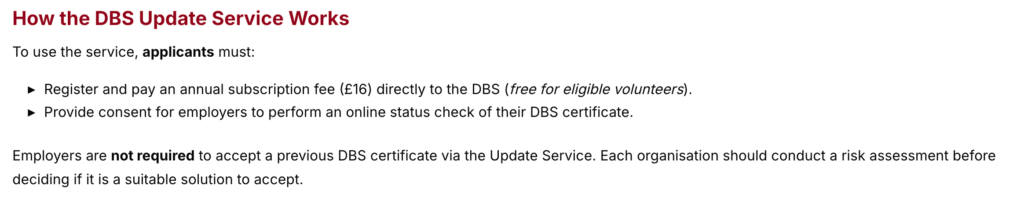
    Using the DBS Update Service

    The update service allows you to:

    • Keep a DBS certificate up to date
    • Check an employee’s status online
    • Avoid repeated full applications

    This is especially useful for care agencies with frequent recruitment.

    Why This is Important for Care Businesses

    • Outdated checks can lead to compliance issues
    • You may fail inspections if records are not current
    • Regular updates protect both service users and your organisation

    Treat DBS renewal as part of your ongoing safeguarding process.

    DBS Tracking: How to Track Your Application

    After submitting an application, many employers and applicants want to know how to track DBS progress. The good news is that you can monitor your application using the DBS tracking service. You can track DBS applications online using the Disclosure and Barring Service tracking service with your application reference number and date of birth. 

    How to Track a DBS Application

    You can use the official Disclosure and Barring Service tracking service to check the status of an application.

    To use the DBS tracking service, you will need:

    • Application reference number
    • Applicant’s date of birth

    Once entered, the system shows the current stage of the check.

    Stages You May See When You Track DBS

    When using disclosure barring service tracking, your application may show:

    • Application received
    • ID verification completed
    • Police checks in progress
    • Certificate printed
    • Certificate dispatched

    This helps you understand exactly where delays may occur.

    Who Can Use DBS Tracking?

    • Employers (if they submitted the application)
    • Umbrella bodies managing the process
    • Applicants (with the correct reference details)

    If you used an umbrella body, they may also provide their own tracking updates.

    Why DBS Tracking Matters for Care Providers

    • Helps you plan staff onboarding timelines
    • Reduces uncertainty during recruitment
    • Allows you to follow up quickly if delays occur

    This is especially important when hiring multiple caregivers at once.

    READ: What are Cold Weather Payments? Eligibility & How to Claim (2026)

    DBS Update Service: How It Helps Care Providers
    The DBS Update Service is a subscription service that allows employers to check whether a DBS certificate remains up to date without submitting a new application each time.

    What Is the DBS Update Service?

    The update service lets you:

    • Check an employee’s DBS status online
    • Confirm if new information has been added since the certificate was issued
    • Avoid repeating full DBS applications

    This makes it easier to manage compliance across your workforce.

    How It Works

    • The employee registers for the update service after receiving their DBS certificate
    • The employer gets permission to check their status online
    • The system confirms whether the certificate is still valid or if changes exist

    You do not see details, only whether the status has changed.

    Cost of the Update Service

    • Annual subscription: £13 per year
    • Free for volunteers

    This is a low-cost way to maintain continuous safeguarding checks.

    For Care Businesses, This:

    • Reduces the need for repeated DBS applications
    • Speeds up recruitment and onboarding
    • Helps maintain ongoing compliance with safeguarding standards

    For agencies hiring frequently, this can save both time and money.

    When You Should Still Request a New DBS Check

    Even with the update service, you should request a new check if:

    • The employee changes role significantly
    • The check level is no longer appropriate
    • You cannot verify continuous subscription

    Basic vs Enhanced DBS: What’s the Difference?

    A basic DBS check shows only unspent convictions, while an enhanced DBS check includes full criminal history, police intelligence, and barred list checks required for roles involving vulnerable people.

    Care providers often compare a basic DBS check with an enhanced DBS CRB check, but the difference is significant. Choosing the wrong level can lead to compliance issues.

    Key Differences at a Glance

    FeatureBasic DBS CheckEnhanced DBS CRB Check
    Criminal recordsUnspent convictions onlySpent + unspent convictions, cautions
    Police intelligenceNot includedIncluded (if relevant)
    Barred listsNot includedIncluded (if required)
    Who can applyIndividuals or employersEmployers or umbrella bodies only
    Typical useGeneral employment checksCare, healthcare, education roles

    When to Use a Basic DBS Check

    A basic DBS check is suitable when:

    • The role does not involve vulnerable people
    • You need a general background check
    • The position is low-risk from a safeguarding perspective

    Individuals can apply for this check themselves.

    When to Use an Enhanced DBS Check

    An enhanced CRB DBS check is required when:

    • The role involves regulated activity
    • Staff provide personal care or healthcare support
    • There is direct contact with vulnerable adults or children

    This is the standard requirement in the care sector.

    Importance for Care Providers

    • Using the wrong check can lead to regulatory breaches
    • You may fail inspections if safeguarding checks are inadequate
    • Commissioners often require enhanced DBS checks as standard

    Always match the check level to the role.

    Common DBS Mistakes Care Providers Must Avoid

    Even experienced care providers make mistakes when handling enhanced DBS CRB checks. These errors can delay recruitment, fail inspections, or expose your business to safeguarding risks.

    1. Allowing Staff to Start Without a DBS Check

    Some providers let staff begin work before completing checks.

    This is risky.

    • Staff must not carry out unsupervised regulated activity without a valid DBS check
    • Regulators may flag this during inspections

    2. Using Outdated DBS Certificates

    Many employers assume a DBS check lasts forever.

    It does not update automatically.

    • Old certificates may not reflect new offences
    • This can create serious safeguarding gaps

    3. Requesting the Wrong Level of Check

    Using a basic DBS check for a caregiver role is a common mistake.

    In care settings, you usually need an enhanced CRB DBS check.

    4. Poor Identity Verification

    Errors in ID checks can:

    • Delay applications
    • Lead to rejection
    • Cause compliance issues

    Always verify documents carefully before submission.

    5. Not Checking Barred List Requirements

    Some employers forget to request barred list checks when needed.

    This is a critical safeguarding failure.

    • You must check barred lists for regulated roles
    • Failing to do so can have legal consequences

    6. Ignoring DBS Tracking

    Not using the dbs tracking service can leave you in the dark.

    You should always:

    • Track application progress
    • Follow up on delays early

    7. Not Using the Update Service

    Skipping the update service leads to:

    • Repeated applications
    • Higher costs
    • Slower hiring

    Many providers overlook this simple efficiency tool.

    • Mistakes can lead to failed CQC inspections
    • You risk hiring unsuitable staff
    • Your reputation and contracts may suffer

    Strong DBS processes protect both your clients and your business.

    Quick Tip

    Build a standard DBS workflow into your recruitment process, so every check is consistent, compliant, and easy to track.

    Final Thoughts…

    An enhanced DBS CRB check ensures that caregivers and healthcare staff are safe to work with vulnerable people by providing a full background check, including criminal records, police intelligence, and barred list status.

    It is more than a recruitment step; it is a core part of running a safe, compliant, and trusted care service.

    If you manage a care business, every hiring decision directly affects:

    • The safety of vulnerable people
    • Your regulatory compliance
    • Your reputation with families and commissioners

    What Smart Care Providers Do Differently

    Successful care providers:

    • Start DBS checks early in the hiring process
    • Use structured workflows for every application
    • Keep records up to date and verifiable
    • Use tools like DBS tracking and the update service
    • Never compromise on safeguarding standards

    They treat DBS checks as a business-critical system, not admin.

    The Bigger Picture

    Strong DBS processes help you:

    • Pass inspections with confidence
    • Win and retain government contracts
    • Build trust with service users and families
    • Reduce risk across your organisation

    In today’s care sector, compliance is not optional; it is your competitive advantage.

    Need Help with DBS Compliance or Care Business Setup?

    At Care Sync Experts, we help care providers stay compliant, win contracts, and grow with confidence.

    Whether you need support with:

    • Enhanced DBS processes and safeguarding compliance
    • CQC registration and inspection readiness
    • Tender writing and contract acquisition
    • Policies, documentation, and operational setup

    We’ve got you covered.

    Don’t risk delays, failed inspections, or lost opportunities. 

    Let our experts handle the complexity so you can focus on delivering quality care.

    Get Started Today

    Book a consultation with Care Sync Experts and take the next step toward building a compliant, scalable care business.

    FAQ

    What does DBS stand for?

    DBS stands for the Disclosure and Barring Service. It is the UK government body responsible for carrying out background checks to help employers make safer recruitment decisions, especially in sectors like healthcare, education, and social care.

    What does a DBS check show?

    A DBS check shows an individual’s criminal record history, depending on the level of the check.
    Basic DBS check: Unspent convictions only
    Enhanced DBS CRB check: Spent and unspent convictions, cautions, police intelligence, and barred list status (if requested)

    Employers use this information to assess whether someone is suitable to work with vulnerable people.

    What is a CRB check?

    A CRB check is the old name for what is now called a DBS check.
    CRB stood for Criminal Records Bureau
    It was replaced by the Disclosure and Barring Service (DBS) in 2012
    Today, people still use the term “CRB check,” but it means the same as a DBS check.

    How long does an enhanced DBS check take?

    An enhanced DBS check typically takes 7 to 14 days to complete.
    However, it may take longer if:
    – Multiple police forces need to review the application
    – The information provided is incorrect or incomplete
    – Most delays happen due to errors or additional checks, so accuracy is key when applying.
  • Can you use the DBS Update Service for CQC registration?

    Can you use the DBS Update Service for CQC registration?

    If you are applying for CQC registration in 2026, you cannot use the DBS Update Service to meet CQC’s DBS requirement.

    Care Quality Commission states that it cannot accept DBS checks from the Update Service because it cannot verify your identity in person against the certificate, as required by the Disclosure and Barring Service. Even if your DBS Update Service check shows as current and clear after dbs update service login, CQC will reject your application if you rely on it.

    What CQC accepts instead (at a glance):

    • Not a registered healthcare professional?
      Apply for a CQC countersigned enhanced DBS check.
    • Registered healthcare professional (e.g., NMC, GMC, HCPC)?
      Use an enhanced DBS (not countersigned) and post the original paper certificate to CQC.
    • All applicants:
      Your DBS must be Enhanced, include the correct barred list, and be under 12 months old at submission.

    Why this matters: Since mid-2025, rejected applications go to the back of the queue. A simple mistake, like submitting an update service DBS instead of the required certificate, can cost you months.

    Why CQC cannot accept the DBS Update Service

    CQC Refusal? How to Fix Your Application and Get Registered

    CQC rejects the DBS Update Service because it does not allow them to complete the identity checks required by the Disclosure and Barring Service.

    The update service exists to help employers confirm whether an existing DBS certificate has changed since it was issued. It provides a status check, not a fresh DBS certificate and not identity verification. When an employer uses the dbs update service check, they must first see the original paper certificate, verify the person’s identity in person, and confirm the certificate level and barred list match the role. That in-person step is mandatory.

    CQC processes applications from thousands of providers across England. They cannot meet every applicant face-to-face to verify identity after a login dbs update or dbs online account login check. Because they cannot complete that verification step, they cannot rely on the Update Service at all.

    Instead, CQC requires DBS evidence that already includes verified identity checks. That is why they insist on either:

    • a CQC countersigned enhanced DBS check, where identity is verified through the Post Office on CQC’s behalf, or
    • an enhanced DBS from registered healthcare professionals, whose professional registration already includes robust identity verification.

    This distinction explains a common point of confusion. The DBS Update Service can show that a certificate remains unchanged, but it cannot prove who is presenting it. CQC must confirm both the certificate details and the applicant’s identity. The Update Service only covers one of those requirements.

    If you submit a CQC application using the Update Service instead of the required DBS certificate, CQC will reject the application without assessment. In 2026, that rejection does not pause your place in the queue. It resets it.

    What DBS check does CQC require for registration?

    CQC will only assess your application if your DBS evidence meets all of the requirements below. Miss one, and CQC will reject the application outright.

    CQC requires an enhanced DBS check

    CQC does not accept Basic or Standard checks. You must submit an enhanced DBS check.

    An enhanced DBS shows:

    • Convictions, cautions, reprimands, and warnings
    • Relevant information held by local police
    • Barred list information (where requested)

    If your certificate does not clearly say Enhanced, do not submit it.

    Choose the correct barred list

    Your enhanced DBS must include the right barred list for the service you are registering:

    Service usersBarred list required
    Under 18 onlyChildren’s barred list
    18 and over onlyAdults’ barred list
    All agesAdults’ and children’s barred lists

    CQC checks this closely. If you select the wrong barred list, CQC will reject your application even if everything else looks correct.

    Follow the strict 12-month rule

    CQC will not accept a DBS certificate that is more than 12 months old at the point you submit your application.

    There are no exceptions:

    • 13 months old → rejected
    • 12 months and 1 day old → rejected

    If your DBS is close to expiry and you expect any delay, apply for a new one before you submit.

    Do not rely on the Update Service or shortcuts

    CQC will not accept:

    • Certificates checked through the DBS Update Service
    • Status results from an update service DBS check
    • Shortcuts via third-party portals that cannot meet CQC’s criteria

    CQC requires DBS evidence that already includes verified identity checks. That is why they accept either a CQC countersigned enhanced DBS or, for certain professionals, an enhanced DBS supported by professional registration.

    For CQC registration, your DBS must be Enhanced, include the correct barred list, be under 12 months old, and be submitted through the correct route.

    READ: Care Policies and Procedures: How to Implement Them Correctly in 2026

    Which DBS route applies to you? (Decide in 30 seconds)

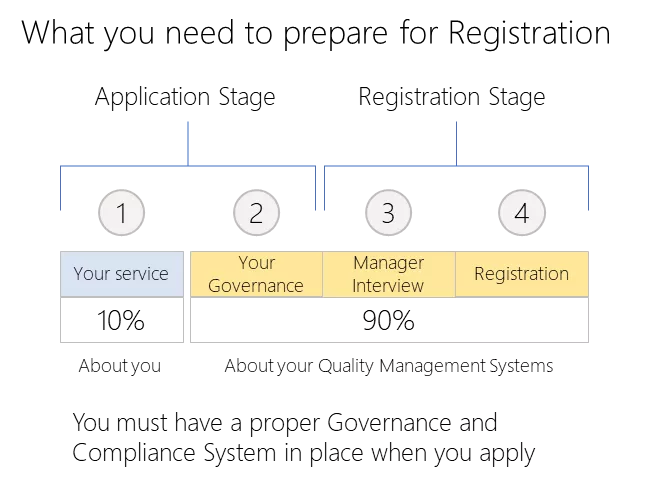
    What You Need for CQC Registration
    What You Need for CQC Registration

    Use this quick decision guide to choose the correct DBS route before you apply. Picking the wrong route is one of the fastest ways to get rejected.

    Step 1: Are you a registered healthcare professional?

    Ask yourself this first. Are you currently registered with any of the following bodies?

    • General Dental Council (GDC)
    • General Medical Council (GMC)
    • General Pharmaceutical Council (GPhC)
    • Health and Care Professions Council (HCPC)
    • Nursing and Midwifery Council (NMC)
    • Social Work England

    Step 2: Follow the correct path

    If you are not registered with any of these bodies, you must apply for a CQC countersigned enhanced DBS check.

    CQC uses this route because it includes verified identity checks carried out through the Post Office on their behalf.

    If you are registered with one of these bodies, you still need an enhanced DBS, but it does not need to be countersigned by CQC.

    Instead, you must:

    • Ensure the DBS is Enhanced
    • Ensure it includes the correct barred list
    • Ensure it is under 12 months old
    • Post the original paper certificate to CQC with your application

    Step 3: Ignore the Update Service

    This decision does not change if:

    • You can access your certificate through dbs update service login
    • Your update service DBS shows as current
    • You have previously passed dbs tracking or a status check

    The DBS Update Service never replaces the correct DBS route for CQC registration.

    Your professional registration status decides your DBS route. The Update Service does not.

    READ MORE: Latest CQC Reports, Regulated Activities (2026)

    If you are not a registered healthcare professional, apply for a CQC countersigned enhanced DBS

    If you are not registered with the GMC, NMC, HCPC, GDC, GPhC, or Social Work England, CQC requires a CQC countersigned enhanced DBS check. This is the only DBS route CQC will accept for non-healthcare professionals.

    What “CQC countersigned” actually means

    A countersigned DBS allows CQC to meet the Disclosure and Barring Service’s identity-verification rules without meeting you in person. CQC authorises additional checks, and the Post Office verifies your identity on CQC’s behalf. This step is why CQC accepts the certificate, and why the DBS Update Service cannot replace it.

    Step-by-step: how to get the CQC countersigned enhanced DBS

    1. Apply online through CQC’s DBS portal (the official route for registration applicants).
    2. Choose your identity documents and receive a confirmation letter with a barcode.
    3. Visit a participating Post Office for identity verification and pay the fee.
    4. Wait for processing while DBS completes police checks and issues your certificate.
    5. Receive the original paper certificate by post and keep it safe.

    How long it takes (plan for this)

    CQC states the countersigned process can take up to 60 working days (around 12 weeks). Many certificates arrive sooner, but delays happen, especially where multiple police forces must check records. You cannot submit your CQC application until the certificate arrives.

    Best practice: Apply for the countersigned DBS first, then prepare your statement of purpose, policies, business plan, and training plan while you wait. This parallel approach prevents months of avoidable delay.

    Cost and common pitfalls

    • The total cost typically includes the enhanced DBS fee plus Post Office identity-check fees (amounts vary).
    • Do not rely on an employer’s DBS, an update service DBS, or a third-party shortcut.
    • Do not submit scans or screenshots; CQC requires the original certificate in the correct route.

    Bottom line: If you are not a registered healthcare professional, the CQC countersigned enhanced DBS is non-negotiable. Next, we cover the rules for registered healthcare professionals, including how to submit the original certificate correctly and avoid rejection.

    If you are a registered healthcare professional, you still need an enhanced DBS

    If you are registered with a recognised healthcare professional body, CQC applies a different DBS route, but the standards remain strict. You still need an enhanced DBS check with the correct barred list. The difference is how you prove your identity.

    Who counts as a registered healthcare professional?

    CQC accepts non-countersigned enhanced DBS certificates only if you are registered with one of the following bodies:

    • General Dental Council (GDC)
    • General Medical Council (GMC)
    • General Pharmaceutical Council (GPhC)
    • Health and Care Professions Council (HCPC)
    • Nursing and Midwifery Council (NMC)
    • Social Work England

    CQC accepts this route because these bodies already carry out robust identity and professional standing checks during registration.

    What you must submit

    If you fall into this category, you must:

    • Obtain an enhanced DBS (not Basic or Standard)
    • Include the correct barred list for your service
    • Ensure the certificate is less than 12 months old
    • Use your current legal name, with all previous or legal names listed
    • Post the original paper DBS certificate to CQC (no copies, scans, or digital versions)

    CQC will not accept screenshots, PDFs, or evidence from a dbs update service login, even if your update service status shows as clear.

    Where to send your certificate

    Post your original enhanced DBS certificate to:

    CQC National Customer Service Centre

    Citygate
    Gallowgate
    Newcastle upon Tyne
    NE1 4PA

    CQC returns your certificate by registered post after processing.

    Third-party DBS providers: proceed carefully

    CQC may accept an enhanced DBS from a third-party provider only if the certificate meets all their criteria. If it does not, CQC will require you to apply for a CQC countersigned enhanced DBS instead.

    If you want to eliminate all risk, many applicants choose the countersigned route even when they qualify as healthcare professionals.

    Professional registration removes the need for countersigning, not the need for an enhanced DBS. In the next section, we’ll give you a simple pre-submission checklist to make sure your DBS evidence passes CQC review first time.

    SEE ALSO: Starting a Care Home in the UK: Best 2026 Guide

    DBS checklist before you submit your CQC application

    DBS Update Service for CQC registration
    DBS Update Service for CQC registration

    Use this checklist immediately before submission. If you cannot tick every box, pause and fix it. Submitting anyway will lead to rejection.

    • You have an enhanced DBS check (not Basic, not Standard)
    • The DBS includes the correct barred list for your service (adults, children, or both)
    • The certificate is under 12 months old on the day you submit
    • You are not relying on the DBS Update Service, a status check, or a screenshot
    • You used the correct route:
      • CQC countersigned enhanced DBS (if not a registered healthcare professional), or
      • Enhanced DBS + original certificate posted to CQC (if a registered healthcare professional)
    • All current and previous names on the certificate match your application
    • You have the original paper certificate ready (no scans or copies)

    If any box remains unticked, do not submit your application. CQC will reject it without assessment, and you will lose your place in the queue.

    Common DBS scenarios (and exactly what to do)

    These are the situations that cause the most delays in CQC registration. Use the guidance below to choose the correct next step and avoid rejection.

    “My DBS is on the Update Service from my current employer”

    What this means: You can access your record via dbs update service login and the status shows as clear.

    Why it’s a problem: CQC does not accept Update Service checks for registration.
    What to do: Apply for a new DBS through the correct CQC route. Your employer’s DBS, even if current, will not work.

    “My DBS is 11 months old”

    What this means: Your certificate looks valid today but may expire soon.
    Risk: If it passes the 12-month mark before or during submission, CQC will reject it.
    What to do: Apply for a new DBS now. Do not gamble on timing.

    “I lost my DBS certificate but I can see it online”

    What this means: You can view status via dbs login or an update service DBS check.
    Problem: DBS does not issue replacement certificates.
    What to do: Apply for a new DBS. There is no workaround.

    “I’m starting a domiciliary care or supported living service”

    What this means: You’re registering a regulated service, often as provider and manager.
    What to do: Apply for a CQC countersigned enhanced DBS with the adults’ barred list (or both lists if you support all ages). Start this first.

    “I’m a nurse or social worker applying as registered manager”

    What this means: You hold professional registration (e.g., NMC, HCPC).
    What to do: Use an enhanced DBS (not countersigned), ensure it’s under 12 months, and post the original certificate to CQC with your application.

    “I’m both the provider and the registered manager”

    Good news: You need one DBS only.
    Rule: Use the route that matches your status (healthcare professional or not). The same DBS covers both roles.

    “My DBS shows convictions or information”

    What this means: Disclosure does not automatically block registration.
    What CQC does: Assesses relevance, timing, pattern, and evidence of rehabilitation.
    Hard stop: If you appear on a barred list, CQC cannot register you for that group.

    Most DBS problems come from timing, route selection, or reliance on the Update Service. Fix these early, and your application moves forward.

    LEARN MORE: New Rules for Care Home Payments in 2026

    DBS Update Service login and tracking: what it can and cannot do

    People often search for dbs update service login, dbs login, or dbs online account login when they want to check the status of an existing certificate. The Update Service has a purpose—but CQC registration is not it.

    What the Update Service actually does

    After you sign in to your update service DBS account, you can:

    • See whether your DBS certificate has changed since it was issued
    • Allow employers to run a status check
    • View a history of checks carried out on your certificate

    This is why employers use the service. It helps them confirm ongoing suitability after they have already seen your original certificate and verified your identity in person.

    What the Update Service cannot do for CQC

    The Update Service does not:

    • Replace an enhanced DBS check
    • Verify your identity for a regulator
    • Produce a certificate CQC can assess
    • Extend the 12-month validity rule
    • Convert an employer DBS into a registration DBS

    Even if dbs tracking or a dbs update service check shows “no change,” CQC still requires DBS evidence that already includes verified identity checks. The Update Service only shows status—it does not prove who you are.

    “Tracking” vs “status checks” (clear this confusion)

    Many people search for terms like track dbs, dbs tracking service, or disclosure and barring service tracking service. In practice:

    • DBS tracking usually means checking the progress of a new DBS application
    • The Update Service only shows status changes on an existing certificate

    They are not the same thing, and neither replaces the DBS route CQC requires.

    Avoid shortened links and fake portals

    Only use official GOV.UK or CQC websites. Avoid shortened URLs (for example, a random tinyurl site) claiming to offer fast DBS checks or Update Service shortcuts. These sites do not meet CQC requirements and can expose your personal data.

    The Update Service helps employers. It does not help with CQC registration. Use it for employment checks if you wish, but never submit it as DBS evidence to CQC.

    Conclusion

    CQC registration does not fail because people ignore the rules. It fails because people assume.

    They assume the DBS Update Service works because it worked for employment.
    They assume an employer DBS transfers across.
    They assume “11 months old” is close enough.
    They assume they can fix the DBS later.

    CQC does not work on assumptions. It works on evidence.

    In 2026, CQC applies DBS rules mechanically and without discretion. If the DBS is wrong, outdated, or submitted through the wrong route, CQC does not pause your application. It rejects it and sends you to the back of the queue. No appeal. No partial review.

    That is why the DBS step is not paperwork.
    It is the gatekeeper.

    Get it right, and your application moves forward. Get it wrong and months disappear.

    The safest approach is simple:

    • Ignore the Update Service for registration purposes
    • Choose the correct DBS route based on your professional status
    • Apply early so time works for you, not against you
    • Submit only when every requirement is met

    If you treat DBS as a formality, CQC will treat your application the same way.

    If you treat it as the foundation of your registration, you put yourself in the strongest possible position to succeed.

    That single decision often determines whether your care service opens on schedule or sits in limbo for another year.

    Get your DBS right the first time (and avoid months of delay)

    The rules are clear in 2026:

    • The DBS Update Service does not work for CQC registration
    • Your DBS must be Enhanced, include the correct barred list, and be under 12 months old
    • Your professional status decides whether you need a CQC countersigned enhanced DBS or an enhanced DBS with the original certificate posted
    • One DBS mistake can push your application to the back of the queue

    Most delays we see happen because applicants rely on the Update Service, use an employer DBS, or submit a certificate that expires mid-process. All of these are avoidable.

    Get a free DBS & CQC registration check

    At Care Sync Experts, we guide care providers through CQC registration every day. We help you:

    • Choose the correct DBS route before you apply
    • Time your application so your DBS stays valid
    • Prepare and review your documents before submission
    • Avoid rejections that cost weeks or months

    If you want a quick check before you submit, or full support from DBS to approval, get in touch and let’s make sure your application moves forward the first time.

    This guide reflects CQC guidance updated on 19 December 2025 and is current for 2026. Always check official CQC updates for changes.

    FAQ

    Can I use the DBS Update Service for CQC registration?

    No. CQC does not accept DBS checks from the DBS Update Service. Even if your status shows as clear after dbs update service login, CQC will reject the application because they cannot verify your identity through the service.

    How long does a DBS last for CQC registration?

    For CQC purposes, a DBS certificate must be less than 12 months old on the day you submit your application. If it is over 12 months old, CQC will reject it without review. This answers the common question: how long does a DBS last for registration? The answer is 12 months, strictly.

    How long does a CQC countersigned enhanced DBS take?

    CQC states the countersigned process can take up to 60 working days (around 12 weeks). Some checks complete faster, but delays can occur depending on police checks and application accuracy.

    Do I need a new DBS if I already have one through my employer?

    In most cases, yes. Employer DBS checks, even Enhanced ones, are for employment purposes. Unless you are a registered healthcare professional and meet all criteria, CQC will require a CQC countersigned enhanced DBS. An employer DBS or update service DBS will not transfer.