
UK pensioners PIP backdated payments 2025 apply when a Personal Independence Payment backdated award is approved, covering the period between the claim start date (or qualifying period) and the final decision. Most claimants receive arrears automatically, often as a lump sum that can exceed £5,000 depending on the delay and the rate awarded.
In practice, personal independence payment backdated amounts depend on eligibility, the 3-month qualifying rule, and how long the decision takes. Caregivers and families should understand that these payments are not bonuses; they are owed support for care needs that already existed before approval.

Key Takeaways
- PIP payments are automatically backdated once a claim is approved, covering the period from the claim date or after the 3-month qualifying rule.
- PIP backdated payments how long: most claimants wait around 12–20 weeks for a decision, which directly increases the lump sum owed.
- PIP backdated payments how much: arrears can exceed £5,000, depending on the award rate and delay length.
- You must be under State Pension age at first claim, but existing claims can continue beyond that age.
- Back payments usually arrive within 3–14 days after the decision letter, often before regular monthly payments begin.
- Caregivers should track claim timelines closely, because delays directly affect care funding and service planning.
What Are PIP Backdated Payments? (Caregiver Perspective)
PIP payments backdated refer to money the DWP owes a claimant for the period they were already eligible but had not yet received a decision. A personal independence payment backdated award ensures individuals receive full financial support for care and mobility needs that existed before approval.
From a caregiver standpoint, this delay creates real pressure.
Care providers often step in before funding arrives, supporting clients who already need help with daily living or mobility. During this gap:
- Families may cover care costs out-of-pocket
- Providers may deliver limited or unpaid support
- Care plans may be delayed or reduced
Backdated payments correct this gap.
When the DWP approves a claim, it calculates the total owed from:
- the initial claim date, or
- the point the 3-month qualifying condition is met
For caregivers, this lump sum often:
- stabilizes ongoing care arrangements
- clears outstanding care costs
- allows upgrades in care quality (more hours, better support)
In simple terms, personal independence payment backdated amounts are not extra money; they restore missed care funding that should have been in place earlier.
RELATED: Temporary Occupation Permit in the UK (2026): What Care Businesses Must Know
Who Qualifies in 2025?
To receive UK pensioners pip backdated payments 2025 England, a claimant must meet strict eligibility rules set by the DWP. The most important rule is simple: You must have been under State Pension age when you first applied for PIP.
Caregivers should pay close attention to this because it directly affects whether a client can receive pip payments backdated at all.
Key Eligibility Rules
- Age requirement: New claims must start before reaching State Pension age
- Existing claims: If a claimant already receives PIP, payments can continue after pension age
- Care needs: The claimant must show daily living or mobility needs for at least 3 months
- Ongoing condition: The condition must be expected to last at least 9 more months
What About Reviews and Ongoing Awards?
PIP does not stop automatically at pension age. The DWP assigns a pip award length 2025 based on the claimant’s condition, which can range from:
- short-term awards (1–2 years)
- longer-term or ongoing awards (5+ years or “light touch review”)
During reviews:
- Payments may increase → leading to backdated payments after review
- Payments may stay the same
- In some cases, payments may stop if criteria are no longer met
Care providers should monitor review dates closely, because pip reassessment changes can affect both ongoing income and any future arrears.
Important Exception (Often Missed)
Some pensioners may still qualify for backdated payments through:
- DWP administrative reviews
- past decision errors
- reassessment outcomes
These cases often fall under pip backdated payments after review, and they can result in significant lump sums.
Eligibility for UK pensioners pip backdated payments 2025 depends on when the claim started, not the claimant’s current age. Caregivers who understand this rule can prevent clients from missing out on thousands in owed support.
READ MORE: UK State Pension Age Increase 2026: What Care Businesses Need to Know
When Are PIP Payments Backdated? (Dates & Timing)
UK pensioners PIP backdated payments 2025 dates depend on when the claim started and when the claimant met the qualifying conditions.
The DWP usually backdates payments to the claim start date or the point the 3-month qualifying period is satisfied, whichever comes later.
How the Timeline Works
Caregivers should understand this sequence clearly:
- Initial claim date – when the claimant first contacts the DWP
- 3-month qualifying period – care needs must already exist for 13 weeks
- Assessment and decision phase – where delays often occur
- Decision date – triggers the lump sum payment
This gap between steps 1 and 4 is what creates pip payments backdated amounts.
PIP Backdated Payments – How Long Does It Take?
PIP backdated payments how long depends on processing times.
- Average wait time in 2025–2026: 12–20 weeks
- Complex cases or reviews may take longer
- The longer the wait, the larger the back payment
Care providers should expect delays and plan care support accordingly.
How Long to Wait for PIP Award Letter?
Many families ask:
How long to wait for PIP award letter?
- Most claimants receive a decision letter within 2–4 weeks after assessment
- Backdated payments usually arrive 3–14 days after the letter
- In some cases, money arrives before the letter
Real-World Impact (Caregiver Insight)
From a care perspective, delays are not just administrative, they affect lives.
During the waiting period:
- Care may be reduced due to lack of funds
- Families carry financial stress
- Providers delay full care plans
When the payment finally arrives, it often restores months of delayed care funding in one lump sum.
The longer the decision takes, the more pip payments backdated a claimant receives, but caregivers must manage the care gap until that payment arrives.
SEE ALSO: What Time Is Sundowning? 2026 Update for Care Workers
How Much Can Pensioners Receive? (Rates & Examples)
PIP backdated payments how much a claimant receives depends on the PIP rate, the award level, and how long the decision took.
The DWP calculates backdated payments by multiplying the weekly rate by the number of weeks owed.
2025/26 PIP Rates (Key Figures)
- Enhanced Daily Living: £110.40 per week
- Standard Daily Living: £73.90 per week
- Enhanced Mobility: £77.05 per week
- Standard Mobility: £29.20 per week
These figures answer the common question: how much is pip per week.
How Much Is PIP Per Month?
PIP is paid every 4 weeks.
- Enhanced Daily Living ≈ £441.60 per month
- Enhanced Mobility ≈ £308.20 per month
Combined awards can exceed £700+ per month, depending on eligibility.
Example: Backdated Payment Calculation
If a claimant waits 16 weeks for a decision and receives:
- Enhanced Daily Living (£110.40)
Backdated amount:
- £110.40 × 16 = £1,766.40
If both components are awarded:
- (£110.40 + £77.05) × 16 = £2,998.40
This is why pip payments backdated can quickly reach several thousand pounds.
Using a PIP Back Pay Calculator
Caregivers and families can estimate arrears using a:
- pip back pay calculator
- pip back pay calculator gov UK tools
These help:
- forecast expected lump sums
- verify DWP calculations
- identify underpayments
Caregiver Insight
From a care provider’s perspective, this lump sum often:
- clears unpaid care costs
- funds additional care hours
- stabilizes long-term care planning
In many cases, personal independence payment backdated amounts represent months of delayed support finally being delivered at once.
PIP backdated payments how much depends on the weekly rate and delay length, but even average cases can result in £1,500–£5,000+ in owed support.
Special Cases: Reviews, Errors & Large Back Payments
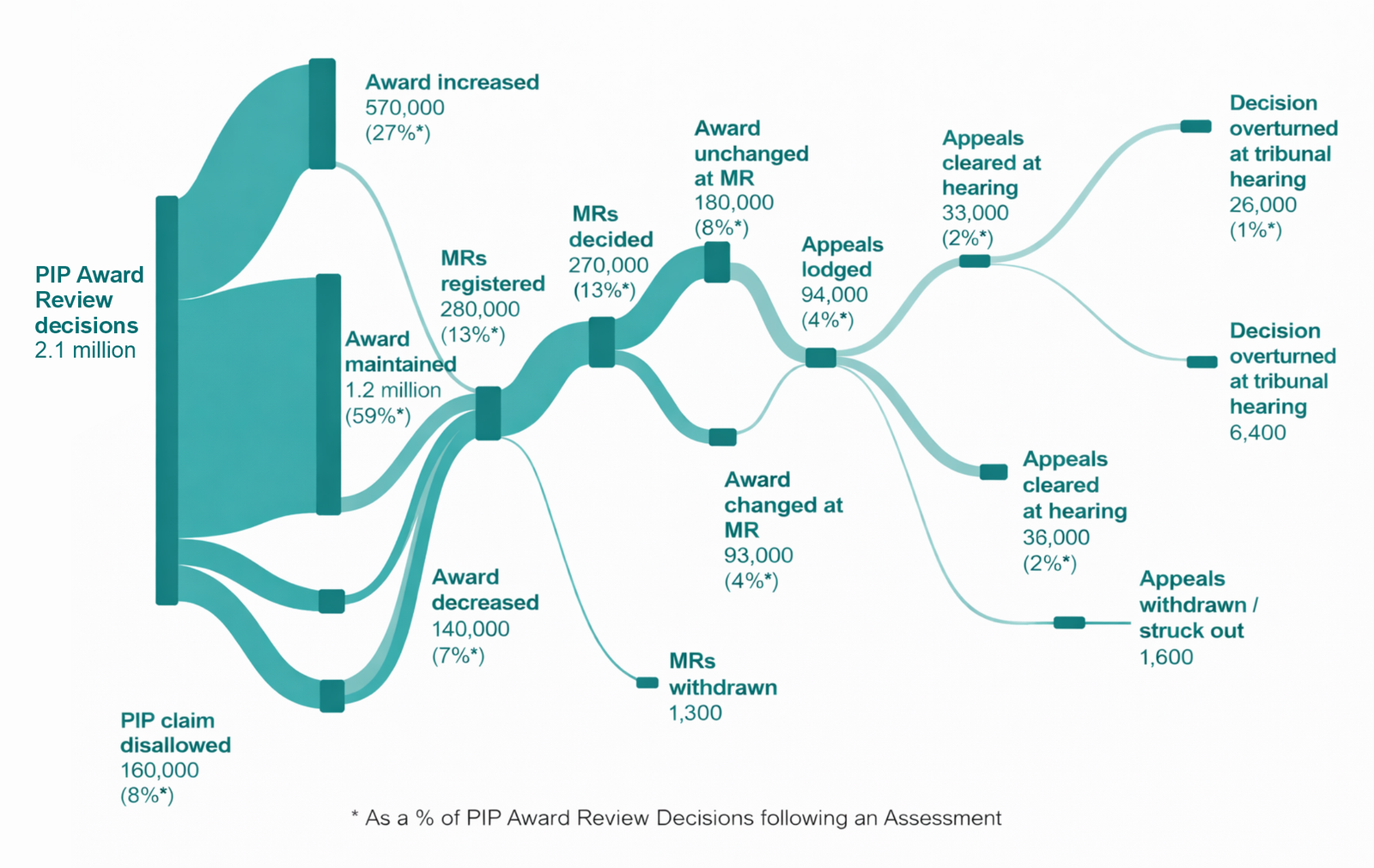
Not all pip payments backdated come from new claims. Some of the largest arrears come from reviews, reassessments, or DWP errors.
When the DWP increases or corrects an award, it often backdates the difference to the date the change should have applied.
PIP Backdated Payments After Review
PIP backdated payments after review happen when:
- A claimant reports a change in condition
- The DWP conducts a scheduled review
- A reassessment increases the award
In these cases, the DWP pays the difference between:
- the old rate
- the new rate
from the effective change date, not the decision date.
PIP Reassessment Changes (What Caregivers Should Watch)
PIP reassessment changes can lead to:
- Increased payments → backdated arrears
- No change → no arrears
- Reduced or stopped payments
Care providers should:
- track reassessment timelines
- document worsening conditions early
- support clients in submitting strong evidence
Strong medical evidence often determines whether arrears are granted.
When PIP Payments Were Stopped (Then Reinstated)
Some claimants experience:
- PIP claimants payments stopped DWP
- followed by appeal or reconsideration
If the claimant wins:
- payments restart
- full arrears are backdated to the stop date
These cases can result in very large lump sums.
Administrative Errors & Special Reviews
In rare but important cases, the DWP reviews past decisions due to:
- legal changes
- policy errors
- incorrect assessments
These can lead to:
- backdated payments over several years
- five-figure arrears in some cases
Caregiver Insight
From a caregiver perspective, these cases are critical.
Delayed or incorrect decisions can:
- interrupt care delivery
- reduce support levels
- create financial instability
When corrected, pip payments backdated restore not just income, but missed care capacity.
The largest pip backdated payments after review often come from reassessments and errors, not new claims. Caregivers who monitor reviews closely can help clients recover significant unpaid support.
MORE: Will a Bladder Infection Cause Nausea UTI? A Caregiver’s Guide (2026)
Caregiver Insight: Why Backdated Payments Matter
For caregivers, personal independence payment backdated amounts are not just financial, they directly affect care delivery.
Backdated payments restore funding for care that already took place but was not properly supported at the time.
The Real Impact on Care
When PIP decisions are delayed:
- Families often fund care privately
- Care providers reduce hours or delay services
- Vulnerable clients receive less consistent support
This creates a gap between need and funding.
How Backdated Payments Change Care Outcomes
Once pip payments backdated are released, they often:
- cover unpaid or reduced care services
- allow immediate increase in care hours
- improve access to mobility or specialist support
Care providers can then:
- stabilize care plans
- assign consistent staff
- improve quality of care delivery
Why Caregivers Should Track Claims Closely
From a caregiver business perspective:
- Delays = underfunded care
- Faster approvals = better service delivery
Care teams should:
- track claim timelines
- help families gather medical evidence
- follow up when delays exceed expected timelines
Even small delays can mean thousands in unpaid support.
Linking to Broader Financial Planning
Backdated payments also connect to:
- long-term care budgeting
- use of tools like a UK State Pension calculator
- coordination with other benefits
This ensures care remains sustainable beyond the initial lump sum.
For caregivers, personal independence payment backdated support is not optional funding, it is essential to delivering consistent, high-quality care when it matters most.
READ: What is an SR1 Form? 2026 Guide for UK Care Providers
What To Do If You Are Owed Backdated PIP Payments
If you believe you are missing personal independence payment backdated money, act quickly. The DWP calculates arrears automatically, but errors and omissions still happen.
You have the right to challenge incorrect backdating if the start date or amount looks wrong.
Step 1: Check Your Award Letter Carefully
Look for:
- “From date” – this determines when payments start
- Award level (daily living/mobility)
- Total amount paid
If the date does not match your claim or qualifying period, you may be underpaid.
Step 2: Contact the DWP Immediately
Call the PIP enquiry line and ask for:
- a breakdown of your calculation
- clarification on your start date
This step often resolves simple errors without escalation.
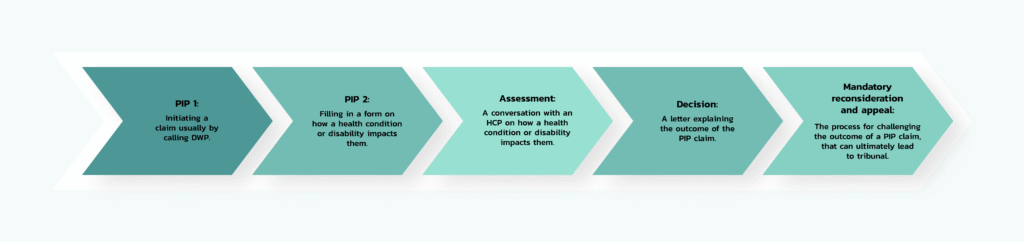
Step 3: Request Mandatory Reconsideration
If the issue remains:
- request a Mandatory Reconsideration (MR)
- do this within 1 month of the decision
Explain clearly:
- why the backdating date is incorrect
- provide supporting evidence (GP records, care notes)
Step 4: Support Your Case with Evidence
Strong evidence increases success:
- medical records
- care provider notes
- timelines showing when needs began
This is critical for correcting pip payments backdated amounts.
Step 5: Track Related Benefits (If Applicable)
Some claimants may also need to:
- notify HMRC (if receiving tax credits)
- review related entitlements
In rare cases, this may connect to:
- dwp universal credit compensation
- overlapping benefit adjustments
Caregiver Role in This Process
Care providers play a key role by:
- documenting care needs early
- helping families understand timelines
- supporting evidence collection
This increases the chance of recovering full personal independence payment backdated amounts.
If something looks wrong, challenge it. Many claimants recover additional thousands simply by reviewing their award and taking action within the deadline.
2026 Updates & Policy Changes (What to Expect)
Recent updates and upcoming reforms continue to shape how pip payments backdated and ongoing awards work. Caregivers and families should stay informed because small policy shifts can affect both eligibility and payment timelines.
The DWP is actively reviewing the PIP system, with changes focused on assessments, backlog reduction, and payment accuracy.
DWP PIP Reforms 2026
DWP PIP reforms 2026 aim to:
- reduce assessment backlogs
- improve review processes
- increase digital tracking of claims
Faster decisions may reduce how much arrears build up, but improve access to support earlier.
PIP Benefit Changes 2026
PIP benefit changes 2026 may include:
- updated assessment criteria
- more frequent reassessments for some claimants
- clearer guidance for long-term conditions
Caregivers should expect:
- more structured review timelines
- increased documentation requirements
Changes to Benefits Announced Today (Ongoing Trends)
Across the wider system, changes to benefits announced today often affect:
- payment rates (inflation adjustments)
- processing timelines
- integration with other support systems
These changes influence how personal independence payment backdated amounts are calculated over time.
Other Payments & Support to Watch
Some claimants may also receive:
- one off payments before new year pension (cost-of-living support)
- adjustments linked to wider benefit updates
These are separate from PIP but can affect overall financial planning.
Caregiver Insight
From a care provider perspective:
- Faster decisions = better care continuity
- Policy changes = need for closer monitoring
Care teams should:
- stay updated on DWP announcements
- prepare clients for reassessments
- adjust care planning based on benefit changes
Conclusion
Backdated PIP payments are more than a lump sum; they reflect missed care funding finally being delivered. For pensioners, families, and care providers, understanding how pip payments backdated work can mean the difference between delayed support and stable, consistent care.
The rules may seem complex, but one thing is clear: If the need existed, the support should follow.
Need Help Navigating PIP, Care Funding, or Compliance?
Care Sync Experts helps care providers and families across the UK understand benefits like personal independence payment backdated awards, while staying compliant and financially prepared.
From claim guidance to care planning and funding strategies, we turn complex systems into clear, actionable steps.
Get in touch today and ensure no care support goes unclaimed.
FAQ
How far back can PIP be backdated?
PIP is usually backdated to the claim start date or the point the 3-month qualifying period is met, whichever comes later. In most cases, this means a few months of arrears. However, in special situations such as DWP errors or review cases, payments can be backdated much further.
How do I know if PIP owes me money?
You can tell if you are owed money by checking your award letter. Look for the “from date” and compare it to when your care needs started or when you first applied. If the dates do not match, or if no lump sum was paid after approval, you may be owed pip payments backdated.
Does everyone get PIP backpay?
No, not everyone receives backpay. You only get pip payments backdated if:
– your claim is approved, or
– your award is increased after a review
If your claim is refused or remains unchanged, no arrears are paid.
Can I work and still receive PIP?
Yes, you can work and still receive PIP. The benefit is based on how your condition affects your daily living and mobility, not your employment status. Many claimants continue working while receiving PIP, as long as they meet the eligibility criteria.