
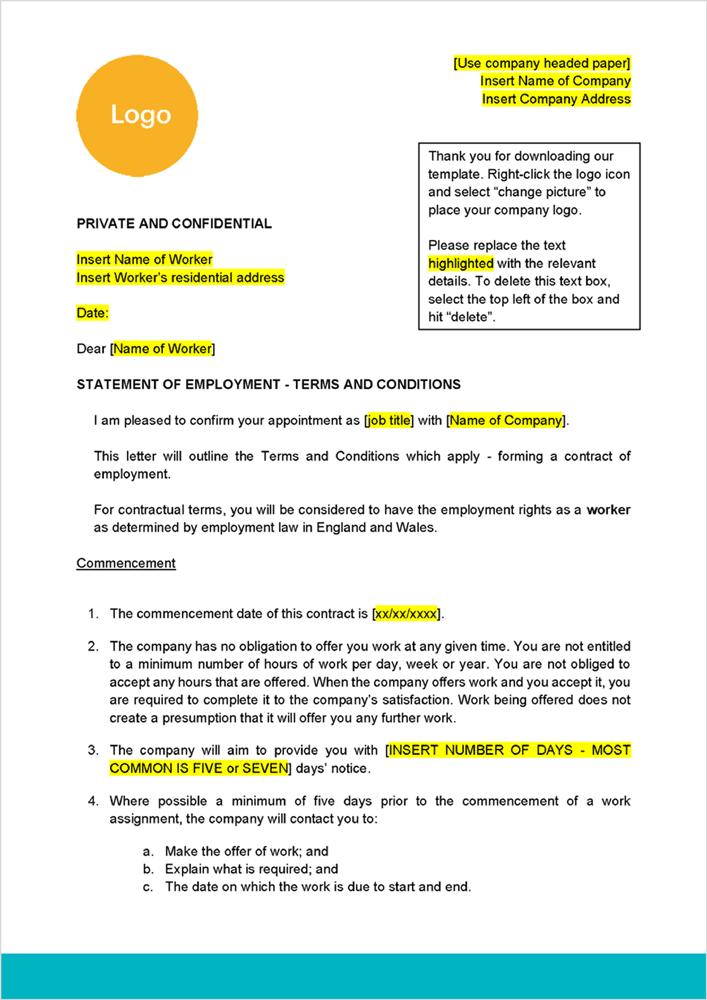
A zero hour agreement allows an employer to offer work without guaranteeing a minimum number of hours. In the UK care sector, this type of arrangement can provide flexibility, but it does not remove your regulatory responsibilities. If you use a zero hour contract in a domiciliary care agency or care home, regulators still expect you to maintain safe staffing levels, proper supervision, accurate pay, and clear records.
Many providers ask, “what is a zero hour contract and how does it affect compliance?” In simple terms, it means you do not guarantee hours, but you must still guarantee safe and lawful care delivery. Inspectors do not focus on the wording of your contract. They focus on outcomes: Did you provide consistent care? Did you avoid missed visits? Did you pay staff correctly? Can you prove it?
Used correctly, a zero hour agreement can support genuine fluctuations in demand. Used carelessly, it can trigger complaints, safeguarding risks, employment disputes, and regulatory action. In this guide, you’ll learn exactly what UK regulators expect and how to stay compliant in 2026 and beyond.
What Is a Zero Hour Contract (and What “0 Hours Contract” Really Means)
A zero hour contract is an agreement where an employer does not guarantee any minimum working hours, and the worker does not have to accept every shift offered. Many people also refer to it as a 0 hours contract or 0 hour contract, but the principle remains the same: flexibility on both sides.
However, flexibility does not mean “no rules.”
The true zero hour contract meaning in UK employment law is this: you can offer work only when needed, but once someone works for you, you must follow all employment protections that apply to their status. That includes national minimum wage, paid annual leave, rest breaks, protection from discrimination, and proper payslips. In care settings, it also means you must deploy staff safely and competently.
Where providers go wrong is assuming that “zero hours” equals “zero obligations.” It does not. If a worker regularly works consistent hours, regulators and tribunals may look at the reality of the relationship rather than just the contract wording. If you treat a zero hour contract as a permanent rota without guaranteeing stability, you increase your risk.
In short, a zero hour contract gives you scheduling flexibility. It does not reduce your legal or regulatory duties.
What UK Regulatory Bodies Expect From Staffing (Even on a Zero Hours Contract)
Regulators do not inspect your paperwork to see whether you use a zero hours contract. They inspect your service to see whether people receive safe, consistent care.
If you operate under a zero hour agreement, regulators still expect you to:
- Provide enough suitably qualified staff to meet people’s needs.
- Ensure carers have the right skills, training, and supervision.
- Deliver visits on time without unsafe gaps.
- Maintain continuity of care where possible.
- Keep clear staffing records and rotas.
In domiciliary care especially, inspectors look closely at missed visits, late calls, rushed appointments, and inconsistent carers. If your staffing model creates instability, regulators will not accept “zero hour flexibility” as an excuse. They expect you to plan.
You must demonstrate that your use of zero hour staff supports safe care, not that it replaces workforce planning. For example, if you rely on bank carers to cover sickness or peak demand, you must still show:
- How you confirm availability in advance.
- How you ensure training completion before first shifts.
- How you supervise and appraise zero hour workers.
- How you monitor complaints linked to rota instability.
Regulators focus on outcomes. If people receive reliable care, staff feel supported, and documentation shows strong oversight, a zero hour model can work. If your service depends on last-minute staffing and reactive scheduling, inspectors will identify governance weaknesses quickly.
The Biggest Compliance Risks of a Zero Hour Agreement in Care
A zero hour agreement does not create risk by itself. Poor planning does. When providers rely heavily on a zero hour contract model without strong systems, they expose the service to predictable compliance failures.
Below are the risks inspectors most often link to flexible staffing models.
Missed Visits and Unsafe Gaps in Care
When you schedule shifts at the last minute or depend on staff who can decline work, you increase the risk of uncovered visits. In domiciliary care, a missed medication call or delayed personal care visit can escalate quickly into a safeguarding issue.
Regulators will ask:
- How do you guarantee cover if a worker declines a shift?
- How do you evidence contingency planning?
- How do you record and investigate missed or shortened calls?
If you cannot demonstrate proactive planning, a zero hours contract approach may appear unsafe.
Poor Continuity of Care
Frequent changes in carers affect vulnerable people. Consistency builds trust and improves outcomes. If your zero hour staffing model results in constant rota changes, inspectors may question whether you prioritise person-centred care.
Flexibility must not undermine relationship-based care. You should track:
- Number of different carers per client.
- Complaints linked to inconsistency.
- Service-user feedback on continuity.
Weak Training and Supervision Controls
Some providers treat zero hour workers as “extra hands” rather than core staff. That mindset creates risk. Every worker, regardless of contract type, must complete induction, training, and competency checks before delivering care.
If you cannot evidence:
- Training completion
- Ongoing supervision
- Performance review
- Safeguarding awareness
Inspectors will raise concerns about governance.
Why Are Zero Hour Contracts Bad in Care (When Misused)?
People often ask, “Why are zero hour contracts bad?” The problem is not the contract itself. The problem arises when providers use it to avoid workforce planning.
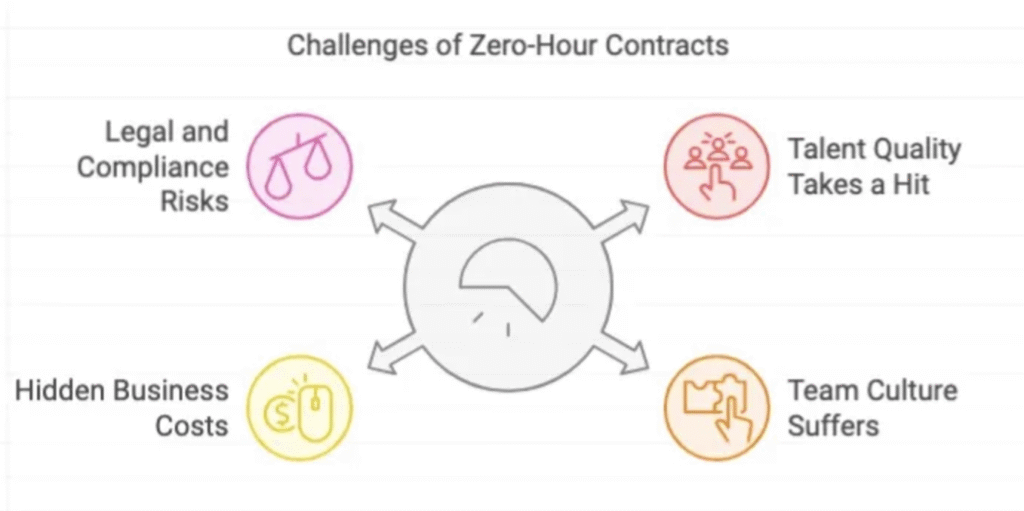
A poorly managed zero hour system can:
- Create unstable income for staff, increasing turnover.
- Lead to last-minute shift cancellations.
- Damage morale and engagement.
- Increase complaint levels.
- Trigger employment disputes.
In care, instability quickly becomes a quality issue. If flexibility reduces predictability for service users, regulators will view it as a governance failure.
Used responsibly, a zero hour model can support genuine demand fluctuations. Used casually, it exposes your service to avoidable risk.
READ MORE: CQC Registered Manager: Dismissal and How to Pass the Interview (2026)
Holiday Pay for Zero Hours Contract Workers (and Other Must-Get-Right Rules)
Many compliance problems start with pay. Providers often focus on staffing flexibility and forget that a zero hour contract does not remove employment protections. If someone works for you, you must calculate and pay them correctly.
Let’s address one of the most searched questions directly: holiday pay for zero hours contract workers is a legal entitlement. You must calculate statutory paid leave based on hours actually worked. You cannot deny holiday pay because someone works under a zero hours contract or because they work irregular shifts.
To stay compliant, you must:
- Track hours accurately.
- Accrue holiday pay correctly.
- Issue itemised payslips.
- Pay at least National Minimum Wage for all working time.
- Record travel time properly in domiciliary care settings.
In care services, payroll errors often lead to complaints, whistleblowing, or staff turnover. Regulators may not audit your payroll line by line, but they will look at workforce stability and morale. If carers feel underpaid or confused about their entitlements, that instability affects care quality.
You must also remember that many zero hour contract jobs in care involve variable shifts, including evenings and weekends. If you cancel shifts without notice or change rotas repeatedly, you increase both employment risk and operational risk. Even if the law allows flexibility, good governance requires fairness and predictability.
Flexibility in hours does not mean flexibility in pay compliance. Get payroll right, document everything, and communicate clearly with staff.
Zero-Hour Contract Ban: What’s Actually Banned (and What Isn’t)
Many providers hear the phrase “Zero-hour contract ban” and assume the UK outlawed zero hours contracts entirely. That is not correct.
The UK did not ban zero hour contracts. The law banned exclusivity clauses that prevent workers from taking shifts with another employer. In other words, if you use a zero hour contract, you cannot stop that worker from accepting work elsewhere.
For care providers, this matters more than you think.
If you attempt to restrict carers from working for another agency or employer under a 0 hours contract, you risk breaching the law. You also increase the likelihood of employment disputes or tribunal claims.
However, this flexibility works both ways:
- Workers may accept shifts elsewhere.
- You cannot assume exclusive availability.
- You must plan rotas knowing staff may decline shifts.
That means your workforce model must rely on structured availability systems, clear notice periods, and contingency cover. You cannot rely on informal expectations or “understandings” that staff will always say yes.
Looking ahead, public discussion around a full ban often resurfaces during political debates. Instead of reacting to headlines, focus on what regulators and employment law actually require today: lawful contracts, fair treatment, safe staffing, and transparent governance.
ALSO SEE: Latest CQC Reports, Regulated Activities (2026)
Zero Hour Contract Example for a Domiciliary Care Agency
Let’s look at a practical Zero hour contract example in a care setting so you can see what compliant use actually looks like.
Imagine you run a domiciliary care agency. Demand fluctuates during winter, school holidays, and periods of staff sickness. Instead of overstaffing permanently, you maintain a trained “bank” of carers under a contract 0 hours model.
Here’s how you structure it properly:
- You recruit experienced carers and complete full pre-employment checks.
- You provide mandatory training before any shift.
- You confirm written availability windows in advance.
- You issue rotas with reasonable notice.
- You keep a backup list in case someone declines a shift.
- You calculate and pay holiday entitlement correctly.
- You supervise bank staff just like permanent staff.
In this scenario, the zero hour agreement supports genuine operational flexibility. It does not replace your core rota. You still maintain a stable team for consistent packages of care. You use bank staff to cover sickness, hospital discharges, or temporary spikes in demand.
Now compare that with a high-risk model:
- You rely almost entirely on zero hour workers.
- You send shift requests the night before.
- You cancel visits if staff decline.
- You rotate carers frequently without continuity planning.
The difference lies in governance. The contract type alone does not determine compliance. Your systems do.
If you treat zero hour staff as part of your workforce strategy, not as disposable cover, you protect both your service users and your inspection outcomes.
Zero Hour Contract Advantages and Disadvantages for Care Providers

A balanced view strengthens credibility. Before you decide whether a zero hour agreement suits your service, weigh the Zero hour contract advantages and disadvantages clearly.
Advantages
1. Operational flexibility
Care demand fluctuates. Hospital discharges rise. Winter pressures increase visits. A zero hour contract allows you to scale up quickly without committing to permanent hours.
2. Bank staffing model
You can build a trained pool of carers who cover sickness, annual leave, or temporary packages. This works well when you use it alongside a stable core team.
3. Entry route for new carers
Some carers prefer flexible arrangements. Students, semi-retired workers, or those returning to care may choose zero hour contract jobs because they value control over availability.
4. Cost alignment with demand
When demand drops temporarily, you avoid overstaffing and idle payroll costs.
Disadvantages
1. Workforce instability
If you rely too heavily on flexible staff, you create unpredictability. Carers may prioritise other employers offering steadier shifts.
2. Higher rota management burden
You must actively manage availability, cancellations, and cover. Without strong systems, the administrative load increases quickly.
3. Risk to continuity of care
Frequent staff changes damage service-user trust and can trigger complaints.
4. Regulatory and employment exposure
If staff consistently work regular hours but remain on a 0 hours contract without review, you increase the risk of disputes or reclassification challenges.
In care, zero hour contracts work best as a support mechanism, not as the backbone of your staffing structure. If your service depends entirely on fluctuating shifts, regulators may question your workforce planning strategy.
LEARN MORE: Starting a Care Home in the UK: Best 2026 Guide
Guaranteed Hours Contract: How to Prepare Without Panic
The direction of travel in UK employment law points toward greater predictability for workers. Discussions around a Guaranteed hours contract model signal that employers may need to offer stable hours to workers who consistently work regular patterns over time.
For care providers, this does not mean you must abandon your zero hour agreement immediately. It does mean you should prepare.
Start by reviewing your data:
- How many zero hour workers average consistent weekly hours?
- Over what period do those hours remain stable?
- Do some carers effectively work fixed patterns despite being on a zero hours contract?
If a worker regularly works near full-time hours for months, you should assess whether a guaranteed hours contract would better reflect reality. Ignoring this trend may create legal risk in the future.
You should also strengthen your internal systems now:
- Track hours worked over rolling reference periods.
- Monitor patterns that suggest stable demand.
- Review contract templates annually.
- Plan for how you would offer guaranteed hours if required.
Flexibility will not disappear. However, regulators and lawmakers increasingly expect fairness and predictability alongside flexibility. If you use a zero hour model responsibly, and convert roles to stable contracts where appropriate, you reduce future disruption.
Zero Hour Agreement Compliance Checklist (UK Care Providers)
Use this practical checklist to make sure your zero hour agreement model supports safe, lawful care delivery.
Staffing and Planning
- Define clearly when you use a zero hour contract (e.g., sickness cover, seasonal spikes, discharge surges).
- Maintain a stable core rota for consistent care packages.
- Keep a documented contingency plan for declined shifts.
- Track continuity of care metrics (number of carers per client).
Training and Supervision
- Complete full pre-employment checks before first shift.
- Deliver mandatory training before deployment.
- Supervise zero hour workers at the same level as permanent staff.
- Include them in team meetings, updates, and safeguarding briefings.
Pay and Records
- Calculate and pay holiday pay accurately.
- Record travel time properly in domiciliary care.
- Issue clear payslips and maintain wage compliance.
- Document shift offers, acceptances, cancellations, and changes.
Governance and Review
- Audit patterns of regular hours worked.
- Review whether some roles require a Guaranteed hours contract instead.
- Monitor complaints linked to rota instability.
- Review contracts annually against current employment law.
A zero hour agreement becomes compliant when your systems demonstrate control, fairness, and safe care delivery. Inspectors look for evidence of planning and oversight. If your documentation supports your staffing decisions, your flexibility becomes defensible.
Conclusion
A zero hour agreement can support flexibility in UK care services, but flexibility never replaces governance. Regulators expect safe staffing, competent workers, accurate pay, and consistent care outcomes. They do not assess your service based on the contract title. They assess it based on evidence.
If you use a zero hour contract, you must:
- Plan rotas proactively.
- Monitor continuity of care.
- Train and supervise every worker equally.
- Pay correctly and document everything.
- Review patterns of regular hours and adapt where necessary.
Used strategically, a zero hours contract can strengthen your workforce model. Used casually, it exposes your service to inspection risk, complaints, and employment disputes.
In 2026 and beyond, regulators expect structure behind flexibility. If your systems demonstrate control, fairness, and safe delivery, your staffing model will withstand scrutiny.
Ready to Make Your CQC Application Rejection-Proof?
A strong CQC application does more than tick document boxes. It proves leadership competence, financial viability, governance structure, and operational readiness from day one. Under the new reject-on-receipt rules, precision matters.
Care Sync Experts supports providers across England with:
- Complete CQC supporting documents preparation and cross-checking
- Business plan and financial forecast alignment
- Registered manager CQC application and interview preparation
- Specialist LD and autism policy development
- Pre-submission audit against 2026 CQC requirements
- Governance and compliance framework structuring
Whether you are launching a new service, expanding a location, or strengthening an existing submission, we help you build an application that stands up to scrutiny and moves forward without delay.
Get in touch with Care Sync Experts today to submit with clarity, confidence, and compliance.
FAQ
What processes should a care organisation have in place to ensure compliance with UK employment law and confirm workers are employed of their own free will?
A care provider should operate structured employment governance processes. These should include:
– Clear written contracts issued before the first shift.
– Right-to-work checks completed and documented
– Transparent pay arrangements with itemised payslips.
– Accurate recording of hours worked and holiday accrual.
– Freedom for workers to accept or decline shifts without coercion.
– A whistleblowing process and grievance procedure.
– Signed confirmation that workers understand their rights and responsibilities.
You must also avoid any practice that pressures staff into accepting shifts. Workers must accept work voluntarily. Strong documentation protects both the provider and the worker.
Can I refuse shifts on a zero hour contract in the UK?
In most cases, yes. A genuine zero hour contract means the employer does not guarantee hours, and the worker does not have to accept every shift offered.
However, refusing shifts repeatedly may affect how often the employer offers future work. Providers should manage this transparently and avoid informal retaliation. Clear availability systems help prevent misunderstandings.
If a worker consistently works regular hours, the arrangement may function more like a stable role. In that case, both parties should review whether the contract still reflects reality.
Who regulates employment law in the UK?
No single body regulates all employment law. Several organisations play roles:
– Employment Tribunals resolve disputes between employers and workers.
– HM Revenue & Customs (HMRC) enforces National Minimum Wage compliance.
– ACAS provides guidance and early conciliation before tribunal claims.
– The courts interpret employment legislation when disputes escalate.
For care providers, employment compliance also intersects with sector regulators such as the Care Quality Commission, which expects safe staffing and fair workforce practices even though it does not enforce employment law directly.
Can you get sacked on a zero-hour contract?
Yes, but the situation depends on employment status and length of service.
A worker on a zero-hour contract does not automatically lose protection from dismissal. If the individual qualifies as an employee and has sufficient service, they may have protection against unfair dismissal. If they qualify as a worker rather than an employee, protections differ.
Regardless of contract type, employers must not dismiss someone for discriminatory reasons or for asserting legal rights. In care settings, abrupt removal from shifts without proper process can trigger tribunal risk and operational disruption.
Providers should document performance concerns, follow fair procedures, and avoid informal “rota exclusion” as a substitute for proper process.