
To prepare a Domiciliary Care Agency for 2026, focus on five priorities: local visibility, faster enquiry conversion, workforce retention, inspection-ready evidence systems, and margin control. Agencies that build these systems early will protect profitability, strengthen CQC outcomes, and grow despite rising wage pressure, tighter regulation, and workforce shortages. Those who rely on habit or hope will struggle to keep up.
The agencies that win in 2026 will not wait for conditions to improve. They will control what they can: how families find them, how quickly they respond, how long staff stay, how well they evidence quality, and how accurately they understand their costs.
What Is Domiciliary Care?
Domiciliary care means providing regulated care services at home to people who need support but want to remain in their own property. Instead of moving into residential accommodation, individuals receive planned visits from trained carers who support daily living.
In practical terms, domiciliary care examples include:
- Personal care such as washing, dressing, and continence support
- Medication prompts or administration
- Meal preparation and nutrition support
- Companionship and emotional support
- Assistance after hospital discharge
- Overnight or 24 hour home care where required
Some agencies also provide 24 hour live in care, where one carer lives in the client’s home on a structured rota. Others deliver short-term packages such as respite care near me, which families often search for when they need temporary cover.
Unlike care homes, domiciliary care allows adults to remain independent, maintain routines, and stay connected to their community. Families searching terms like “care homes near me with vacancies” often reconsider once they understand what domiciliary care can provide at home.
In 2026, demand for home-based support will continue to rise. Families prefer flexible, personalised support. Commissioners want services that reduce hospital admissions. Adults want to stay in familiar surroundings. A well-prepared Domiciliary Care Agency sits at the centre of that shift.
Why 2026 Will Reward Prepared Domiciliary Care Providers
2026 will not make life easier for a Domiciliary Care Agency. It will make weaknesses more visible.
Workforce pressure remains real. Vacancy rates have improved compared to previous peaks, but thousands of posts remain unfilled across adult social care. Turnover still sits at levels that force many Domiciliary Care Providers into constant recruitment mode instead of strategic growth. Agencies that fail to stabilise their teams will struggle to scale new care packages safely.
Cost pressure continues to climb. The National Living Wage rises again in April 2026. Employer National Insurance contributions have already increased. Travel time, fuel, training, compliance systems, and insurance costs all add weight to the true cost per care hour. Meanwhile, many local authority fee rates still fall below what providers consider sustainable. If you do not understand your real cost base, you cannot negotiate confidently or choose the right contracts.
Regulatory pressure will also intensify. Stronger employment protections, extended tribunal windows, and higher standards around harassment prevention will require better documentation and stronger policies. At the same time, CQC expectations around governance, leadership, and evidence remain high. Agencies that treat inspection as a last-minute scramble will fall behind those that build continuous evidence systems.
Recruitment dynamics are shifting, too. Changes to domiciliary care visa sponsorship routes reduce the inflow of overseas workers. Agencies must now compete harder for domestic staff and focus heavily on retention.
In short, 2026 will reward discipline.
A prepared Domiciliary Care Agency will:
- Respond faster than competitors
- Convert more enquiries into care starts
- Retain staff longer
- Protect its CQC rating
- Track margins weekly, not quarterly
An unprepared one will stay busy, feel stretched, and wonder why growth never translates into stability.
If you want to grow instead of cope, you must move from reactive operations to deliberate systems.
RELATED: CQC Registration for Domiciliary Care Providers: Complete 2026 Guide
Move 1: Get Found Locally and Make Trust Obvious in 5 Seconds
Families do not “research the sector.” They search Google.
If your Domiciliary Care Agency does not appear in local results, you never enter the shortlist. Visibility drives opportunity. Trust converts it.
Build Location-Specific Service Pages (Not Generic Blogs)
Most agencies make the same mistake. They create one generic website page that says “UK home care” and then publish random blog posts.
That approach rarely wins local search.
Instead, build clear “money pages” that match real queries:
- Home care in [Town]
- Dementia home care in [Town]
- Hospital discharge support in [Town]
- Private home care costs in [Town]
- 24 hour home care in [Town] (if you offer it)
- 24 hour live in care in [Town] (only if accurate)
Each page must:
- State exactly who you support
- Show your CQC rating clearly
- Explain how quickly you can start care
- Include real testimonials
- Display a visible phone number
Families often search comparison phrases like “list of care agencies in UK” or “top 10 home care providers UK” before narrowing their focus locally. They may recognise national brands such as Helping Hands Home Care, Right at Home, or CareUK. That does not mean you lose automatically. It means you must position yourself clearly: local, responsive, and credible.
Local authority-funded clients may compare multiple Domiciliary Care Providers, but self-funders often choose the first agency that responds confidently and professionally.
Match What Families Actually Search
High-intent searches usually include:
- “Respite care near me”
- “Care homes near me with vacancies”
- “24 hour home care”
- “Care services at home for elderly”
When families search for care homes, they often explore alternatives. If your website clearly explains what domiciliary care offers, you can convert that traffic into enquiries.
Do not optimise for abstract phrases. Optimise for real decisions.
Make Trust Visible Above the Fold
When someone lands on your website, they decide within seconds whether to stay.
Above the fold, show:
- Your service and location clearly
- Your CQC rating
- A strong call-to-action (“Call for assessment within 48 hours”)
- Real reviews
- Safeguarding reassurance
Do not bury credibility.
Act This Week
You can improve visibility quickly:
- Rewrite your homepage headline to include service + location.
- Add click-to-call buttons that stay visible on mobile.
- Claim and actively manage your Google Business Profile.
- Ask every satisfied family for a Google review within 7 days of a positive moment.
A strong online presence does more than generate leads. It positions your Domiciliary Care Agency as organised, transparent, and trustworthy before the first phone call.
Visibility creates opportunity.
Conversion turns opportunity into care packages.
Move 2: Turn Enquiries Into Care Packages With a 3-Step Pathway
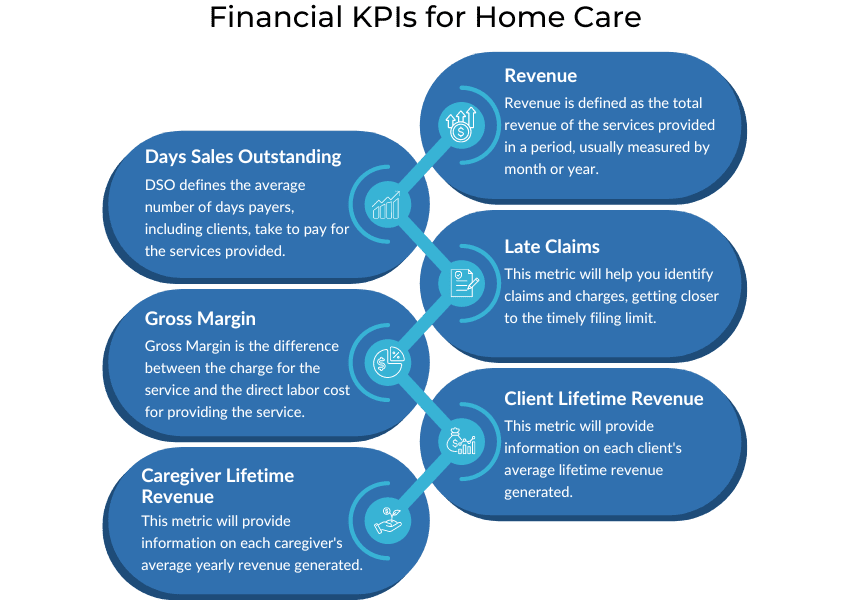
Many Domiciliary Care Providers lose growth not because demand is low, but because their enquiry process leaks.
The phone rings.
A voicemail sits unanswered.
An email waits until the afternoon.
A family calls the next agency.
In 2026, speed and structure win.
Build a simple, repeatable pathway that every member of your team follows.
Stage 1: Respond Within 15 Minutes
The first provider to respond helpfully often wins the client.
When someone contacts your Domiciliary Care Agency, capture five essentials:
- Who needs care
- Where they live
- When care must start
- What support they need
- How it will be funded
Ask about urgency and risk flags immediately. Hospital discharge? Falls risk? Medication concerns?
Then book an assessment slot on the call. Do not say, “We’ll get back to you.”
Set expectations clearly:
- What happens next
- What documents you need
- When you confirm the start date
A fast, confident response signals competence.
Stage 2: Assess Within 24–72 Hours
Use one structured template for every assessment.
Cover:
- Personal care needs
- Medication management
- Mental capacity and consent
- Safeguarding risks
- Lone working considerations
- Family involvement
- Funding route
Explain pricing clearly. If you offer options such as 24 hour home care or short-term packages, present them transparently. Families searching “care services at home” often worry about hidden costs. Remove that uncertainty.
If appropriate, offer a short “starter package” for urgent discharge cases. That reduces delay and builds trust quickly.
Strong assessments do more than gather information. They demonstrate expertise.
Stage 3: Start Care and Lock Retention Early
The first two weeks determine long-term retention.
After care begins:
- Complete a first-visit quality check.
- Call the family within 72 hours.
- Schedule a two-week review.
Do not wait for complaints. Lead the communication.
Many agencies focus heavily on recruitment but ignore early retention. Fixing problems quickly reduces cancellations and protects your margins.
What to Measure Every Week
Track five numbers:
- Missed calls
- Time to first response
- Enquiry-to-assessment conversion rate
- Assessment-to-start conversion rate
- 30-day retention rate (clients and carers)
If you measure nothing else, measure those five.
A disciplined Domiciliary Care Agency does not rely on instinct. It monitors conversion performance weekly and adjusts quickly.
Visibility brings enquiries.
Systems convert them into stable care packages.
Move 3: Build a Team That Stays
You cannot grow a Domiciliary Care Agency on unstable staffing.
High turnover forces you into permanent recruitment mode. It increases training costs, disrupts continuity of care, and damages your CQC narrative. Agencies that retain staff gain stability, consistency, and stronger outcomes.
Fix What Actually Drives Turnover
Many providers assume pay alone drives exits. Pay matters, but culture and structure often matter more.
Reduce avoidable frustration:
- Publish rotas earlier so staff can plan their lives.
- Minimise unpaid gaps between calls.
- Cluster visits geographically to reduce zig-zag travel.
- Pay travel time clearly and transparently.
- Provide structured supervision, not reactive criticism.
Carers leave when they feel unsupported, not only underpaid.
Write a Clear Domiciliary Care Job Description
A vague Domiciliary care job description creates mismatched expectations.
Define clearly:
- Core duties (personal care, medication support, documentation)
- Behaviour standards (dignity, respect, communication)
- Safeguarding responsibilities
- Lone working protocols
- Reporting expectations
Set standards at recruitment stage. Candidates who understand the reality of the role stay longer.
If you use terms like “community caretaker” in advertising, explain the regulated responsibilities behind that label. Clarity builds trust.
Be Transparent About Domiciliary Care Worker Salary
Families compare agencies. So do carers.
When discussing Domiciliary Care Worker salary, avoid vague promises. Explain:
- Base hourly rate
- Travel time policy
- Guaranteed hours (if offered)
- Overtime structure
- Training and progression routes
Even small differences in structure affect retention. Guaranteed hours, paid training, and visible promotion pathways reduce uncertainty.
Build Retention by Design
Implement structured “stay interviews” at:
- 30 days
- 90 days
- 180 days
Ask what works. Ask what frustrates them. Act on patterns.
Promote internally wherever possible. Visible progression builds belief.
Providers with stable teams share common traits:
- Values-based recruitment
- Strong induction
- Clear career pathways
- Recognition of good practice
- Supportive leadership
A well-run Domiciliary Care Agency does not wait for resignation letters. It builds systems that make staying easier than leaving.
Stable teams protect care quality.
Care quality protects your CQC rating.
Move 4: Strengthen Your CQC Outcome With Continuous Evidence
Your CQC rating does not change on inspection day. It reflects what you do every week.
A confident Domiciliary Care Agency treats inspection as a by-product of good systems, not a last-minute event.
CQC assesses services across five key questions:
- Safe
- Effective
- Caring
- Responsive
- Well-led
Inspectors look for evidence, not promises. If you scramble to gather documents when you receive a notification, your systems already need work.
Map Evidence to the Five Key Questions
Build your service around proof.
Collect and organise evidence across six practical areas:
- People’s experience — surveys, compliments, complaint resolution
- Staff feedback — supervision notes, team meetings, exit interviews
- Partner feedback — commissioners, GPs, district nurses
- Observation — spot checks, call monitoring, shadow visits
- Processes — policies, training matrix, recruitment checks
- Outcomes — hospital avoidance, improved mobility, medication adherence
Strong evidence tells a story. It shows that your care services at home deliver measurable results.
Build a Monthly Audit Rhythm
Do not rely on memory.
Every month, audit:
- Medication administration records
- Care plans and risk assessments
- Recruitment files
- Training compliance
- Complaints and safeguarding logs
- Call punctuality and missed visits
Use one central dashboard that shows:
- What is up to date
- What is overdue
- What needs action
Assign responsibility clearly. If no one owns an area, it weakens.
Focus on Rating Limiters First
Some weaknesses block higher ratings:
- No registered manager in place
- Poor medication management
- Weak safeguarding processes
- Governance gaps
Fix fundamentals before chasing Outstanding ambitions.
Use Technology as a Tool, Not a Crutch
Modern care management systems can:
- Track visit punctuality
- Monitor medication trends
- Flag missed alerts
- Store training records
- Generate compliance reports
But software alone does not improve outcomes. Leadership and follow-through do.
A disciplined Domiciliary Care Agency captures evidence daily, not quarterly. When inspectors arrive, documentation supports what staff already practice.
Strong evidence protects your rating.
Strong ratings strengthen trust, referrals, and contract opportunities.
SEE ALSO: What does CQC stand for? Complete 2026 Guide
Move 5: Protect Your Margins With Real Unit Economics
Many agencies feel busy. Few truly understand their profit per hour.
A growing Domiciliary Care Agency must know its real cost base before it can scale safely. Without accurate numbers, you cannot negotiate contracts, price private packages confidently, or decide which work to decline.
Calculate Your True Cost Per Care Hour
Start with wages at your actual pay rate, not the legal minimum.
Then add:
- Employer National Insurance
- Pension contributions
- Paid travel time
- Mileage costs
- Paid training hours
- Induction time
- Recruitment and onboarding costs spread across average tenure
- On-call management
- Office and coordination staff
- Insurance
- Compliance systems
- CQC fees
- Software subscriptions
- Cancellations and bad debt
Most providers underestimate at least three of these.
When you calculate honestly, your margin picture becomes clearer.
Split Contracts Into Three Categories
Review every contract and care package.
Place them into:
1. Profitable and scalable
You earn sustainable margin and can increase volume safely.
2. Profitable but fragile
You depend on one key staff member, one cluster, or one high-need client.
3. Loss-making
You stay busy but lose money.
Busy does not mean sustainable.
A prepared Domiciliary Care Agency grows category one, stabilises category two, and either renegotiates or exits category three.
Improve Utilisation Weekly
Do not wait for month-end reports.
Track weekly:
- Paid hours versus delivered hours
- Travel time ratios
- Cancellations
- Missed visits
- Staff downtime between calls
Use cluster rostering to reduce travel inefficiency. Confirm visits to reduce no-shows. Adjust quickly when utilisation drops.
Balance Public and Private Work
Local authority rates often lag behind real costs. Private clients searching for care services at home or 24 hour home care usually pay higher hourly rates.
A strong private base:
- Protects margin
- Reduces dependency on one commissioner
- Improves cash flow
Diversification strengthens resilience.
A disciplined Domiciliary Care Agency does not guess at profitability. It measures, reviews, and adjusts weekly.
Growth without margin control creates stress.
Growth with margin clarity creates confidence.
Domiciliary Care Visa Sponsorship: What Has Changed and How to Respond
Many agencies relied heavily on overseas recruitment to stabilise staffing. In recent years, the Health and Care Worker visa route allowed providers to sponsor international recruits under domiciliary care visa sponsorship arrangements.
The landscape is shifting.
Tighter immigration controls and increased scrutiny now place greater compliance responsibility on employers. Sponsorship carries legal obligations, including:
- Maintaining accurate employment records
- Ensuring role eligibility meets visa requirements
- Monitoring attendance and reporting changes
- Demonstrating fair pay and lawful employment practices
Failure to comply can lead to licence suspension or revocation. That risk alone demands careful governance.
At the same time, the inflow of new overseas care workers has slowed. Providers cannot rely on international recruitment as their primary workforce solution.
What This Means for a Domiciliary Care Agency
You must:
- Strengthen domestic recruitment pipelines
- Improve retention systems
- Tighten onboarding processes
- Monitor visa compliance rigorously if you already sponsor workers
If your agency currently holds a sponsor licence, review:
- Reporting procedures
- Record-keeping systems
- Contract clarity
- Pay alignment with regulatory standards
Visa sponsorship can still support workforce stability, but it no longer acts as a simple expansion tool. It requires disciplined oversight.
The strongest Domiciliary Care Providers now treat sponsorship as one component of a broader workforce strategy, not the foundation of it.
Retention, culture, and operational efficiency will carry more weight in 2026 than overseas inflows.
Preparation reduces risk.
MORE: Latest CQC Reports, Regulated Activities (2026)
A 90-Day Action Plan for a Domiciliary Care Agency
You do not need a 3-year strategy document to prepare for 2026.
You need structured action over the next 90 days.
Break it into three phases.
Days 1–30: Fix the Foundations
Strengthen visibility, response speed, and cost clarity.
- Rewrite your homepage to include service + location.
- Optimise or create your top five location service pages.
- Add visible click-to-call buttons on mobile.
- Set a 15-minute response standard for all enquiries.
- Draft or refine your true cost-per-care-hour model.
- Review your safeguarding, harassment, and lone-working policies.
- Confirm your sponsor licence compliance if you use domiciliary care visa sponsorship.
At the end of 30 days, you should know:
- Your average response time
- Your enquiry conversion rate
- Your estimated true cost per hour
Clarity replaces guesswork.
Days 31–60: Build Systems That Scale
Now strengthen operational discipline.
- Implement a monthly audit calendar aligned to CQC key questions.
- Create a central evidence library (digital and organised).
- Deliver structured supervision training to team leaders.
- Introduce rota optimisation rules to reduce dead travel.
- Publish or refine your Domiciliary care job description.
- Establish 30-, 90-, and 180-day stay interviews.
By day 60, your Domiciliary Care Agency should operate from systems, not memory.
Days 61–90: Increase Stability and Growth Capacity
With foundations in place, push growth deliberately.
- Launch a structured review request process.
- Conduct a profitability review of all contracts.
- Identify at least one loss-making package to renegotiate or exit.
- Run a mock inspection against Safe, Effective, Caring, Responsive, and Well-led.
- Strengthen relationships with local discharge teams and commissioners.
By day 90, you should see:
- Faster enquiry conversion
- Clearer margin visibility
- Stronger inspection readiness
- More predictable staffing patterns
Preparation builds control.
A disciplined Domiciliary Care Agency enters 2026 with structure, not uncertainty.
Final Thoughts…
2026 will not reward optimism. It will reward preparation.
A successful Domiciliary Care Agency will not grow by accident. It will grow because it built systems that:
- Make it visible when families search
- Convert enquiries quickly and confidently
- Retain carers through structure and culture
- Capture inspection evidence every month
- Protect margins through disciplined financial modelling
Agencies that treat these as optional improvements will feel constant pressure. Agencies that treat them as non-negotiable foundations will gain stability, confidence, and strategic freedom.
The direction of travel is clear. Integration between NHS and social care will deepen. Commissioners will expect measurable outcomes. Workforce regulation will tighten. Cost scrutiny will increase. Families will compare providers more carefully than ever.
The question is simple:
Will your systems hold under that pressure?
Preparation does not eliminate challenge. It reduces uncertainty.
The agencies that enter 2026 with strong visibility, strong governance, strong teams, and strong unit economics will not just cope. They will scale deliberately.
How Care Sync Experts Can Help
Care Sync Experts supports domiciliary care agencies, supported living providers, and care homes across England, Wales, and Northern Ireland with practical, inspection-ready systems that stand up to regulatory scrutiny and commercial pressure.
Our services include:
- CQC registration and improvement support
- Compliance audits and mock inspections
- Tender and framework bid development
- Workforce structure and retention strategy
- Financial modelling and margin review
- Policy development aligned with current employment law
We focus on building operational systems that regulators respect and commissioners trust.
FAQ
What qualifications do I need to be a care worker in the UK?
You do not need a university degree to become a care worker in the UK, but you must meet certain standards.
Most Domiciliary Care Providers look for:
– Basic literacy and numeracy
– The right to work in the UK
– A clear enhanced DBS check
– Good communication skills
– Compassion, reliability, and professionalism
Many employers provide mandatory training after recruitment, including:
– Safeguarding
– Medication awareness
– Moving and handling
– Infection control
– Mental capacity and consent
While formal qualifications are not always required at entry level, completing a Level 2 or Level 3 Diploma in Health and Social Care improves progression opportunities and pay potential.
A strong Domiciliary care job description should clearly outline required competencies and training expectations.
What are the disadvantages of domiciliary care?
Domiciliary care offers flexibility and independence, but it does carry limitations.
Common disadvantages include:
– Carers work alone, which can increase safeguarding and safety risks.
– Travel time between visits can create scheduling inefficiencies.
– Service users may experience multiple carers if rotas are not managed well.
– Complex medical needs may require coordination with NHS services.
From a provider perspective, care services at home demand strong logistics, tight communication, and effective supervision. Without structured systems, quality can vary.
However, agencies that build disciplined scheduling, supervision, and communication processes minimise these risks and maintain high standards.
How to qualify for domiciliary care?
To qualify for domiciliary care through local authority funding in the UK, a person must undergo a care needs assessment.
The process usually involves:
– Contacting the local council’s adult social care team.
– Completing a needs assessment.
– Determining eligibility under national criteria.
– Conducting a financial assessment (means test).
If the person meets eligibility criteria and falls below financial thresholds, the council may fund part or all of the support.
Private clients can arrange domiciliary care directly without going through an assessment process. Many families searching for “care services at home” choose this route for speed and flexibility.
How do I get a sponsor to work as a Care Worker in the UK?
To work under a Health and Care Worker visa, you must receive a job offer from a UK employer licensed to sponsor overseas workers.
The process typically involves:
– Securing a job offer from an eligible care provider.
– Receiving a Certificate of Sponsorship from that employer.
– Meeting salary and role requirements under current immigration rules.
– Applying for the visa through the UK Home Office.
Not all agencies offer domiciliary care visa sponsorship, and those that do must meet strict compliance obligations. Employers must hold a valid sponsor licence and maintain detailed employment records.
Prospective applicants should verify:
– That the employer appears on the official sponsor licence register.
– That the job meets the required pay thresholds.
– That contract terms are clear and lawful.
Sponsorship requires careful oversight on both sides, so due diligence is essential.
Leave a Reply