Category: Blog

Your blog category

  • Council Care Cost Inheritance: Who Pays for Care Home Fees 2026?

    Council Care Cost Inheritance: Who Pays for Care Home Fees 2026?

    If your relative needs residential care, the council will carry out a financial assessment to decide who pays for care home fees. In England and Northern Ireland, if the person has more than £23,250 in capital (including savings and, in many cases, property), they usually fund their own care. If their assets fall below that threshold, the council contributes, or fully funds care, depending on their financial position.

    When people ask about council care cost inheritance, they usually want to know one thing: will the council take the estate? The answer depends on the means test. If the person pays for care themselves, their savings or property may reduce over time. If the council funds care, it may later recover certain costs from the estate, especially where a Deferred Payment Agreement (DPA) exists.

    You should also understand this clearly: there is no 7-year rule when it comes to care fees. If someone transfers money or property to avoid paying care home fees, the council can treat this as deprivation of assets. The authority may assess the person as if they still own the asset. In serious cases, it can pursue recovery from the person who received the gift.

    Families often worry: are next of kin responsible for care home fees? In most situations, the answer is no. Family members do not become liable unless they have signed a contract, agreed to pay a top-up fee, or hold joint assets. The council assesses the person who needs care, not their children or wider family.

    Across the UK, thresholds differ:

    • England and Northern Ireland: £23,250 upper capital limit
    • Scotland: £32,750 upper limit
    • Wales: £50,000 for residential care

    These figures shape who pays for care home fees and how much remains in the estate. Understanding this framework is the first step to navigating council care home costs confidently and protecting your family from unexpected financial shocks.

    Get expert support for your next tender, inspection-ready policies, or CQC registration — book a call with Care Sync Experts today and let’s get you compliant and competitive.

    How Council Care Home Costs Are Calculated in England and Northern Ireland

    How to Start a Home Care Agency – Your Complete Guide | Care Sync Experts

    Councils calculate council care home costs through a formal financial assessment, often called a means test. They assess the person who needs care, not their children or relatives, and they look at three main areas: capital, income, and property.

    1. Capital (Savings and Assets)

    In England and Northern Ireland:

    • If capital exceeds £23,250, the person usually pays the full cost of care (self-funding).
    • If capital falls below £14,250, the council covers most eligible costs.
    • If capital sits between £14,250 and £23,250, the council contributes, but the person must pay a tariff income from savings.

    Capital includes:

    • Bank savings
    • ISAs
    • Investments
    • Additional properties
    • In some cases, overseas assets

    When people research care home charges England, they often assume the council only looks at UK savings. That is incorrect. The authority can include overseas accounts and property in its assessment.

    2. Income

    The council also reviews:

    • State Pension
    • Private pensions
    • Benefits
    • Rental income

    The person must usually contribute most of their income toward care fees, except for a small Personal Expenses Allowance, which they keep for day-to-day needs.

    3. The Family Home

    Property often causes the most anxiety.

    If the person lives alone and moves permanently into residential care, the council may include the property’s value in the assessment. However, the council must disregard the home if:

    • A spouse or civil partner still lives there
    • A dependent relative lives there
    • In certain cases, a disabled or elderly relative remains in the home

    This applies whether the care involves residential placement or local authority funding for care in your own home. Home care (non-residential care) works differently: councils do not include the value of the main home in those assessments.

    New Rules for Care Home Payments: What Has Changed?

    Recent policy discussions around the new rules for care home payments and the proposed care home fees cap have created confusion. As of early 2026, the capital thresholds above still apply. Any future cap on lifetime care costs does not eliminate the means test or remove property from consideration.

    The key point for families and caregivers is this:

    The council assesses only the person receiving care. It does not automatically pursue children, and it does not combine family assets unless they are jointly owned.

    Understanding how council care home costs are calculated allows caregivers to plan realistically and avoid panic decisions, especially around gifting property or transferring savings, which can trigger serious legal consequences under deprivation rules.

    RELATED: What Is Respite Care in the UK? 2026

    Do You Have to Sell the Family Home to Pay for Care?
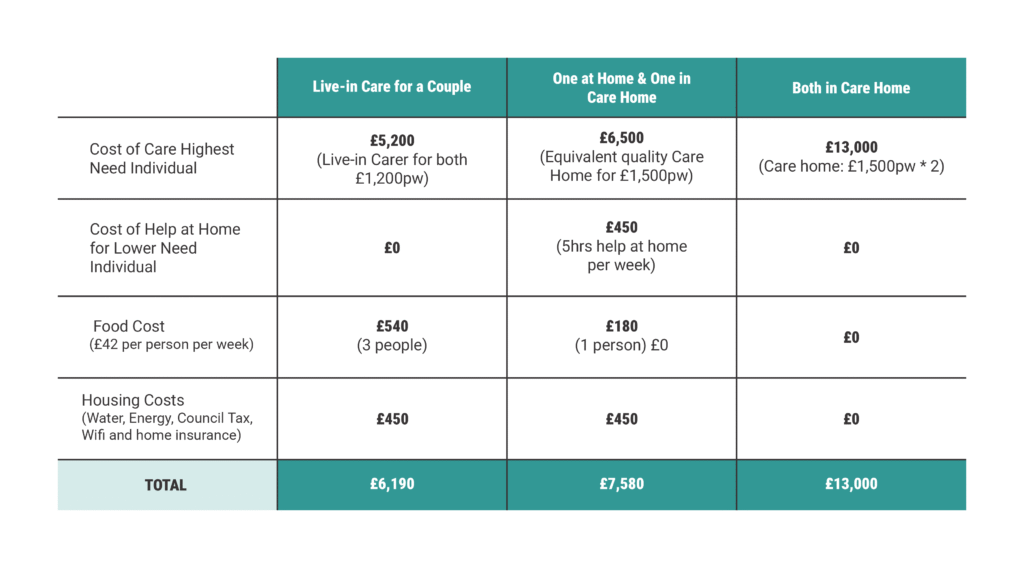
    Care Costs Comparison Live-in vs. Care Homes
    Care Costs Comparison Live-in vs. Care Homes

    Many caregivers fear that the council will immediately force the sale of the family home to cover council care home costs. In reality, councils cannot require an immediate sale in most cases. They must assess eligibility first and offer lawful alternatives where appropriate.

    If the person owns a home and no protected relative lives there, the council may include the property in the financial assessment once the person moves permanently into residential care. However, the law requires councils to offer a Deferred Payment Agreement (DPA) if eligibility criteria are met.

    What Is a Deferred Payment Agreement?

    A DPA allows the person to delay selling their home. The council pays the care home upfront and places a legal charge on the property, similar to a mortgage. When the property eventually sells, usually after death, the estate repays the council, plus interest and administrative costs.

    This arrangement ensures access to council funded care homes without forcing a rushed property sale.

    Key points caregivers should understand:

    • Interest accrues while the debt remains unpaid.
    • The council will obtain a property valuation before agreeing to the DPA.
    • The debt becomes payable from the estate, often within 90 days of death.
    • If the estate delays selling the property, the council can enforce repayment.

    When Is the Home Disregarded?

    The council must disregard the property’s value if:

    • A spouse or civil partner still lives in the home.
    • A dependent relative lives there.
    • A qualifying elderly or disabled relative remains resident.

    In those situations, the council cannot count the home when calculating who pays for care home fees.

    What About the Care Home Fees Cap?

    Discussions about a national care home fees cap have created uncertainty. Even if future reforms introduce a cap on lifetime personal care costs, the means test will still apply to accommodation costs and daily living expenses. A cap does not automatically protect the full value of a property.

    For caregivers, the practical takeaway is clear:

    You usually do not have to sell the home immediately. But if no protected person lives there and capital exceeds the threshold, the property may eventually fund care through sale or deferred payment.

    Understanding this structure helps families plan calmly instead of reacting under pressure.

    Can You Give Away Property to Avoid Care Home Fees?

    Many families search for ways to protect inheritance and quickly encounter advice about gifting property, moving money, or using so-called “loopholes.” Before you take any step, you need to understand how deprivation of assets works.

    If someone transfers savings or property specifically to reduce their council care home costs, the local authority can treat this as deliberate deprivation of assets. The council will assess the person as if they still own the asset. In other words, gifting the house does not automatically remove it from the means test.

    There Is No 7-Year Rule for Care Fees

    Unlike inheritance tax, care funding does not operate under a 7-year rule. Councils can investigate transfers regardless of when they happened. If they believe the person acted to avoid care charges, they can include the gifted asset in the financial assessment.

    This applies whether someone:

    • Transfers property to children
    • Moves savings into another account
    • Sets up certain trusts
    • Attempts asset hiding
    • Searches for ways on “how to hide savings from benefits”

    The council looks at intention. If the person could reasonably foresee needing care at the time of the transfer, the authority may decide the transfer amounts to deprivation.

    Can the Council Recover Money From the Recipient?

    Yes. If the council determines deprivation of assets, it can:

    • Treat the person as still owning the asset (notional capital), or
    • Pursue the person who received the gift to recover unpaid care costs

    This power makes so-called deprivation of assets loopholes UK highly risky. Many commercial schemes promise to protect property from care fees, but councils can challenge arrangements that exist primarily to avoid paying for care.

    Is There Any Legal Way to Plan?

    Legitimate estate planning does exist. Timing and purpose matter. For example, planning undertaken many years before any care needs arise, and for genuine reasons unrelated to care fees, may stand on firmer ground. However, once care becomes foreseeable, aggressive transfers can create more financial damage than protection.

    Families who try to “beat the system” often trigger investigations, delay funding approvals, and increase stress during an already difficult time.

    The safest approach is informed planning, not reactive transfers. Understanding how deprivation of assets works protects caregivers from costly mistakes that can unravel inheritance plans and expose recipients to repayment claims.

    READ MORE: CHC Funding: A Caregiver’s Step-by-Step Guide (2026)

    Are Next of Kin Responsible for Care Home Fees?
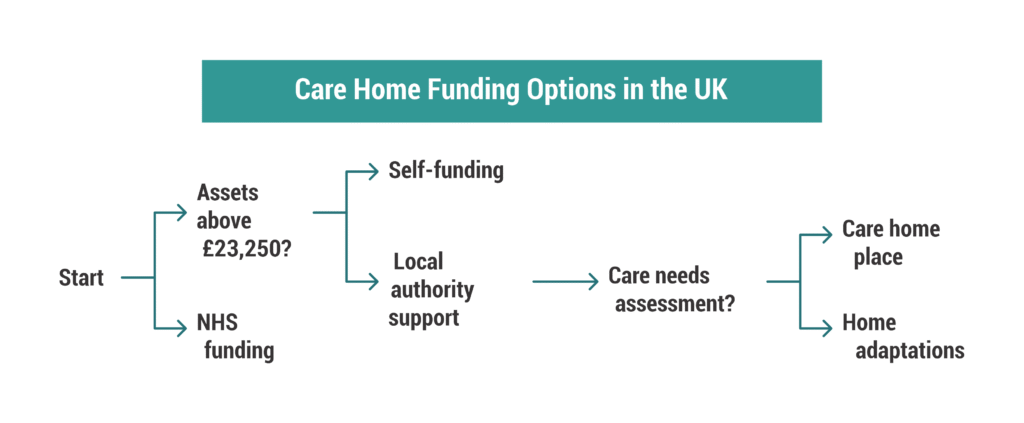
    care home funding options in the uk

    Caregivers often ask: are next of kin responsible for care home fees? In most cases, the answer is no.

    The council assesses the person who needs care. It does not automatically pursue children, siblings, or other relatives. You do not become liable simply because you are “next of kin.”

    When Might a Family Member Become Responsible?

    A relative may become legally responsible only if they:

    • Sign a top-up fee agreement with the care home
    • Enter a personal contract agreeing to pay
    • Hold joint assets that form part of the financial assessment

    If you sign a third-party top-up agreement to secure a more expensive placement, you take on a legal obligation. Fees often rise annually. Before signing, you should check whether you can afford long-term increases.

    If you did not sign anything and you do not share assets, the council cannot demand that you personally pay the bill.

    Can I Refuse to Pay Care Home Fees NHS?

    Families sometimes ask, “Can I refuse to pay care home fees NHS?” or simply, “Can I refuse to pay care home fees?”

    If the person qualifies for NHS Continuing Healthcare (CHC), the NHS covers the full cost of eligible care. In that situation, neither the individual nor the family pays. However, CHC applies only where health needs are primarily medical, not social care needs.

    If the person does not qualify for CHC and exceeds the capital threshold, they must fund their own care. Refusing to pay does not stop the legal obligation. The council or care provider can pursue unpaid fees through recovery processes.

    Do Dementia Sufferers Have to Pay Care Home Fees?

    Families also ask: Do dementia sufferers have to pay care home fees?

    A dementia diagnosis does not automatically exempt someone from paying. The council still applies the means test unless the person qualifies for NHS Continuing Healthcare. Some people with advanced dementia do meet CHC criteria, but many do not.

    The key principle remains consistent:

    The person receiving care pays if they exceed the capital threshold. Family members do not automatically inherit the debt unless they voluntarily agree to pay or share assets.

    Understanding this distinction reduces unnecessary panic and helps caregivers make decisions based on facts rather than fear.

    Who Is Responsible for Care Home Fees After Death?

    When a person dies, unpaid council care home costs do not disappear. The responsibility shifts to the estate, not to family members personally.

    If there are outstanding invoices, the care home or local authority will submit a claim against the estate. The executor must settle valid debts before distributing inheritance. This is where council care cost inheritance becomes practical rather than theoretical.

    What Happens If There Was a Deferred Payment Agreement?

    If the person used a Deferred Payment Agreement (DPA):

    • The council placed a legal charge on the property.
    • Interest accrued during the agreement.
    • The full balance becomes payable from the estate, usually within 90 days of death.
    • The property sale typically clears the debt.

    If the estate delays selling the property, the council can enforce repayment.

    Can the Council Recover Money From the Estate?

    Yes. The council can:

    • Recover unpaid care costs from remaining bank funds.
    • Claim against the property if secured under a DPA.
    • In some deprivation cases, pursue recipients of gifted assets.

    However, family members do not inherit personal liability. They inherit only what remains after debts are paid.

    What If the Council Delayed the Financial Assessment?

    Assessment delays sometimes cause individuals to pay more than necessary before council funding begins. If you believe the council acted improperly, you can:

    1. File a formal complaint with the local authority.
    2. Escalate to the Local Government and Social Care Ombudsman if unsatisfied.

    Executors have the right to challenge incorrect billing. Councils must act reasonably and process financial assessments without undue delay.

    After death, the estate pays legitimate care debts first. Only the remaining balance forms the inheritance.

    Understanding who is responsible for care home fees after death helps families plan realistically and avoid unnecessary disputes during probate.

    SEE ALSO: What Is the Best Mobile Phone for Old Age UK in 2026?

    Can You Protect Your Share of the Property?
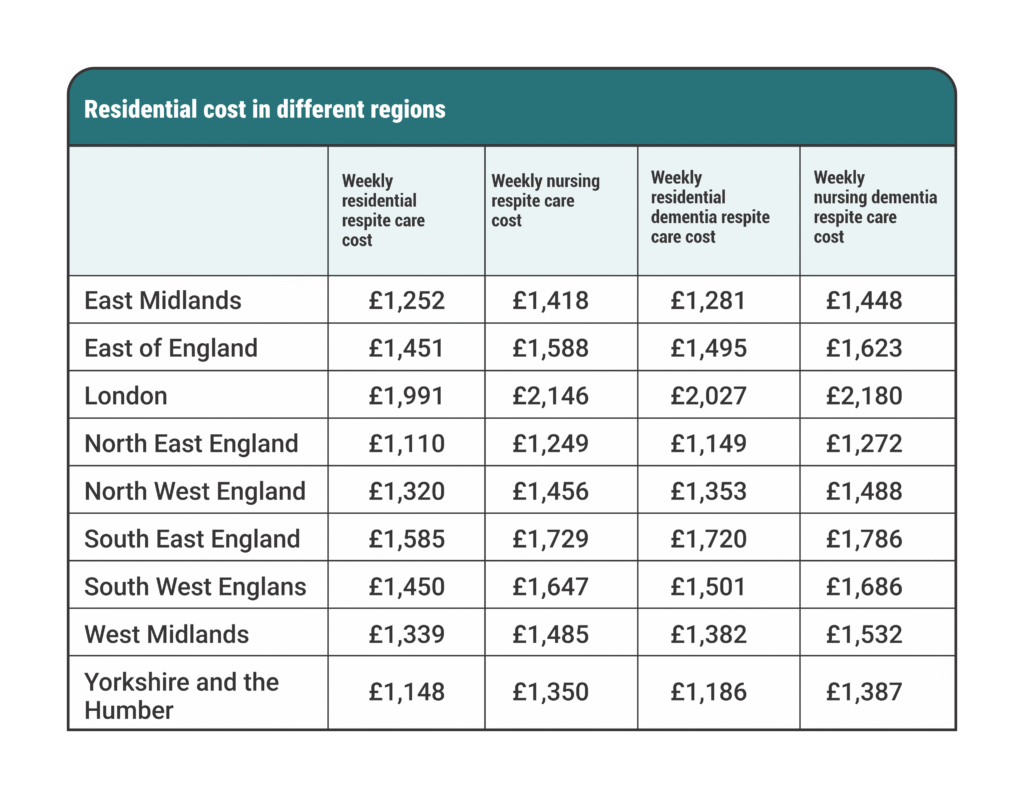
    Residential Care Cost Analysis
    Residential Care Cost Analysis

    Many caregivers want to know whether they can protect part of the family home from future council care home costs. Lawful planning exists, but timing and structure matter.

    Tenants in Common and Care Home Fees

    Married couples and partners often own property as joint tenants. If one partner enters care and dies first, their share automatically passes to the survivor. That means the entire property may remain exposed if the surviving partner later needs care.

    Some families choose to change ownership to tenants in common. This splits the property into defined shares (usually 50/50). Each person can then leave their share in a will to a trust, often called a life interest trust.

    This structure can help protect half of the property for children while allowing the surviving spouse to continue living in the home.

    When people search for tenants in common care home fees or tenants in common and care home fees, they are usually exploring this approach.

    What This Planning Can, and Cannot, Do

    • It can protect the first spouse’s share after death.
    • It does not remove the surviving spouse’s own share from means testing.
    • It must form part of genuine estate planning, not a last-minute reaction to care needs.

    If someone sets up ownership changes or trusts primarily to avoid care charges when care is already foreseeable, the council may investigate for deliberate deprivation of assets.

    Be Careful With “Care Fee Protection” Schemes

    Some commercial schemes promise guaranteed ways on how to avoid care home fees. Many rely on aggressive trust structures or asset transfers. Councils can challenge arrangements that exist mainly to reduce liability.

    Proper will planning through regulated legal advice differs from last-minute asset transfers. The law allows genuine estate planning. It does not protect schemes designed solely to avoid paying assessed care costs.

    For caregivers, the safest path is forward planning, not reactive transfers. Clear legal advice ensures you protect inheritance without triggering deprivation investigations or financial disputes later.

    MORE: Employment Rights Bill: What UK Care Workers Must Do Before 2026–2027

    Do Dementia Sufferers Have to Pay Care Home Fees?

    Many caregivers assume that a dementia diagnosis automatically means the NHS will pay. That is not always the case.

    The council still applies the means test unless the person qualifies for NHS Continuing Healthcare (CHC). Dementia is a serious condition, but funding depends on the level and nature of the person’s needs, not the diagnosis alone.

    When Does the NHS Pay?

    The NHS fully funds care if the person’s primary need is health-based rather than social care. This is called Continuing Healthcare.

    If approved:

    • The NHS covers the full cost of care.
    • The means test does not apply.
    • The person’s savings and property remain untouched for care funding purposes.

    However, many dementia sufferers receive care that the council classifies as social care rather than medical care. In those cases, the standard capital thresholds apply, and the person may need to self-fund if assets exceed the limit.

    Does This Change Under New Rules for Care Home Payments?

    Policy discussions around new rules for care home payments and possible reforms have caused confusion. As of early 2026, the financial assessment framework remains in place. A dementia diagnosis alone does not bypass council care home costs.

    What Caregivers Should Do

    If your relative has advanced dementia:

    • Request a Continuing Healthcare assessment.
    • Gather medical evidence.
    • Challenge the decision if you believe the needs qualify.

    Understanding this distinction helps families avoid incorrect assumptions about who pays for care home fees and whether inheritance will be affected.

    Key Points Caregivers Must Understand in 2026

    If you are navigating council care cost inheritance, keep these principles clear:

    • Who pays for care home fees?

    The person receiving care pays if their capital exceeds the upper threshold (£23,250 in England and Northern Ireland). If assets fall below that level, the council contributes or fully funds care.

    • Are next of kin responsible for care home fees?

    No, unless you signed a contract, agreed to a top-up fee, or hold joint assets.

    • There is no 7-year rule for care fees.

    Councils can investigate transfers at any time. If they find deliberate deprivation of assets, they can treat the asset as still owned or recover costs from the recipient.

    • You do not have to sell the home immediately.

    Councils must offer a Deferred Payment Agreement if eligibility criteria are met.

    • Dementia does not automatically mean free care.

    Only NHS Continuing Healthcare removes the means test.

    • After death, the estate pays legitimate debts first.

    Executors settle outstanding care costs before distributing inheritance.

    • Scotland and Wales use different capital limits.

    Scotland: £32,750. Wales: £50,000 (residential care).

    Understanding these rules allows caregivers to plan calmly, avoid risky asset transfers, and make informed decisions instead of reacting to fear-driven myths.

    Final Thought…

    Care fees create stress because they mix emotion, law, and money at the same time. When you understand how council care home costs, inheritance rules, and deprivation laws actually work, you make decisions from a position of strength, not panic.

    Most costly mistakes happen when families react too late. They transfer property in haste. They sign agreements without understanding liability. They assume next of kin must pay. They rely on myths about “7-year rules” or asset hiding. The law rarely rewards rushed decisions.

    If you feel uncertain about eligibility thresholds, financial assessments, deprivation of assets risks, Deferred Payment Agreements, or protecting inheritance properly, do not try to navigate it alone.

    Care Sync Experts supports families and care providers across the UK with clear, practical guidance on funding pathways, regulatory standards, financial assessments, and lawful planning. Whether you need clarity on who pays for care home fees, help challenging a council decision, or support understanding your rights under the Care Act framework, our team provides structured, professional advice you can rely on.

    Make informed decisions. Protect your family with confidence. Contact Care Sync Experts today and move forward with clarity, not confusion.

    FAQ

    Can my son continue to live in my house if I go into care?

    It depends on his circumstances.
    If your son is:
    – Under 18, or
    – Aged 60 or over, or
    – Disabled or otherwise dependent on you

    The council must usually disregard the property when assessing care home fees.

    If your son is an independent adult who does not meet those criteria, the council may include the property in the financial assessment once you move permanently into residential care. In that case, a Deferred Payment Agreement may allow him to continue living there temporarily, but the property could still form part of the eventual estate recovery.

    Each situation depends on dependency, age, and vulnerability, not simply family relationship.

    How much does a care home cost per week UK?

    Care home fees vary by region and care needs.
    As of early 2026:
    – Residential care typically ranges between £800 and £1,200 per week.
    – Nursing care often ranges between £1,000 and £1,500+ per week.
    – Specialist dementia care can exceed these figures.

    London and the South East generally sit at the higher end. If someone qualifies for NHS-funded nursing care or Continuing Healthcare, those contributions reduce or remove personal liability.
    Costs also rise annually, so long-term planning matters.

    What assets are taken into account for care home fees?

    The local authority considers:
    – Savings and bank accounts
    – ISAs and investments
    – Additional properties
    – The main home (in certain circumstances)
    – Pension income and benefits
    – Overseas assets

    The council usually disregards:
    – Personal belongings
    – The main home if a protected relative lives there
    – Certain types of compensation payments

    The authority assesses the person needing care, not wider family wealth. However, joint assets may be split 50/50 unless evidence shows otherwise.

    Are children liable for deceased parents’ debts?

    In most cases, children are not personally liable for a deceased parent’s debts, including unpaid care fees.

    Debts are paid from the estate before inheritance is distributed. If the estate lacks sufficient funds, creditors cannot pursue children personally unless:

    – The child signed a guarantee or contract, or
    – The debt relates to jointly held financial arrangements

    Executors must settle lawful debts before distributing assets, but they do not assume personal responsibility unless they mishandle estate administration.

  • What Is Respite Care in the UK? 2026

    What Is Respite Care in the UK? 2026

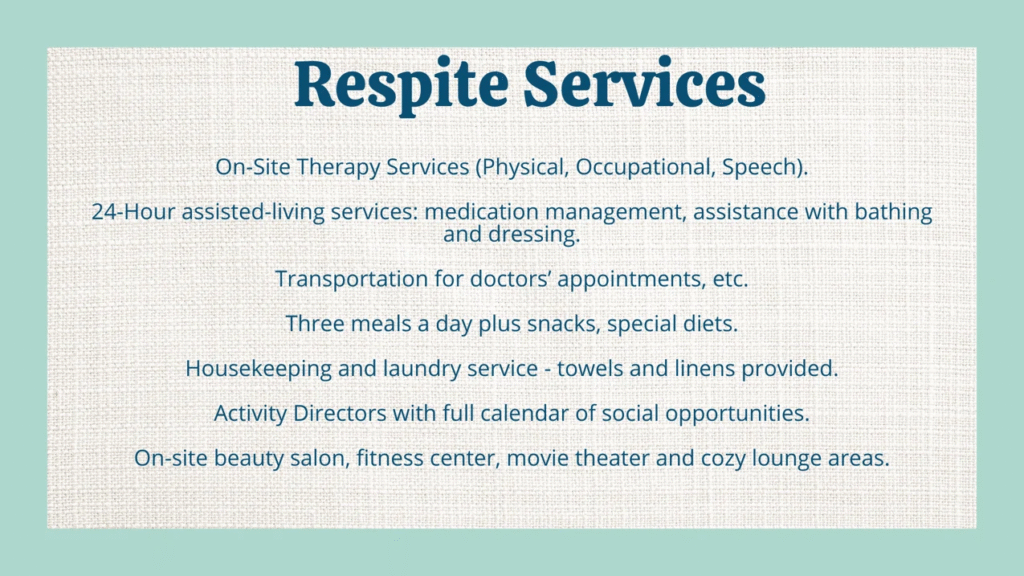
    Respite care is short-term support that allows an unpaid carer to take a planned break while a trained care worker continues to support the person receiving care. It can last a few hours, a weekend, or several weeks. Services may take place at home, in an adult day service, or in a residential setting.

    When people ask what is respite care for elderly adults, they usually mean temporary support for an older person so their main carer can rest, attend appointments, or travel. Respite care also supports adults with disabilities and children with additional needs.

    In the UK, local authorities, regulated providers, and approved agencies deliver respite care under the Care Act framework. It focuses on safety, continuity, and protecting the wellbeing of both the carer and the service user.

    Get expert support for your next tender, inspection-ready policies, or CQC registration — book a call with Care Sync Experts today and let’s get you compliant and competitive.

    Why Carers Need Respite Care

    The Supported Living Property Trap UK: Why You Shouldn’t Buy Before Winning the Tender (2026)

    Caring for someone every day takes physical energy, emotional strength, and constant attention. Many carers manage medication, personal care, appointments, meal preparation, and supervision without regular breaks. Over time, this level of responsibility affects sleep, mental health, and overall wellbeing.

    UK law recognises that carers have rights. Under the Care Act 2014, local authorities must assess a carer’s needs and consider their wellbeing. This reflects the wider duty of care meaning, not only towards the person receiving support, but also towards the person providing it. When a carer becomes exhausted or unwell, the quality of care often declines.

    Respite care protects both people. It allows the carer to rest, recover, and return with patience and focus. Even occasional short breaks can reduce stress, prevent burnout, and support sustainable, long-term care at home.

    READ MORE: CHC Funding: A Caregiver’s Step-by-Step Guide (2026)

    What Is Respite Care at Home?

    What is respite care at home? It is temporary support delivered in the person’s own home while the main carer takes time off. A trained care assistant or healthcare assistant steps in to provide practical help and supervision for an agreed number of hours or days.

    At-home respite often includes:

    • Personal care such as washing, dressing, and toileting
    • Medication prompts or administration (where trained)
    • Meal preparation and light household tasks
    • Companionship and supervision

    Many providers recruit staff through health care assistant jobs and care assistant jobs, ensuring workers hold the right training and DBS checks. Unlike hospital care, respite at home keeps routines stable and allows the service user to remain in familiar surroundings.

    Families often choose this option when they want flexibility without moving into an assisted care facility or residential setting.

    What Is Respite Care for Elderly Adults?

    What is respite care for elderly adults? It is short-term support arranged when an older person needs supervision or assistance while their carer takes a break. Families often use it when caring for someone with dementia, reduced mobility, frailty, or long-term illness.

    Respite for older adults may take place:

    • At home with a care worker
    • In a residential care home for a short stay
    • Within assisted living or supported living services that offer temporary placements

    Unlike permanent admission, respite care remains time-limited. It gives the carer space to rest while maintaining continuity for the older person. Many families first explore respite before considering long-term residential care. It allows them to test an environment, build confidence, and make informed decisions about future support needs.

    What Is Respite Care for a Child or Child With Disabilities?

    what is respite care

    What is respite care for a child? It is planned short-term support that allows parents or guardians to rest while trained professionals care for the child safely. Families often use respite when caring for a child with complex medical needs, autism, learning disabilities, or behavioural challenges.

    When people ask what is respite care for a child with disabilities, they usually mean structured short breaks arranged through the local authority or specialist providers. These services may include:

    • In-home support from a trained care worker
    • Day programmes offering supervised activities
    • Overnight stays with approved providers
    • Access to specialist social and rehabilitation services

    Families involved in fostering may also ask what is respite care in foster care. In this setting, respite allows foster carers to take temporary breaks while another approved foster carer looks after the child.

    Short breaks support family stability, reduce stress, and protect long-term placement arrangements.

    SEE MORE: What Is the Best Mobile Phone for Old Age UK in 2026?

    Respite Care Examples

    Families use respite care in many practical ways. These respite care examples show how flexible it can be:

    • A care worker visits for three hours so a carer can attend a medical appointment.
    • An older person stays in a residential care home for one weekend while their carer travels.
    • A child with additional needs attends a supervised day programme during school holidays.
    • A person recovering from illness receives short-term home support before returning to full independence.
    • A foster carer arranges an approved short-break placement to prevent placement breakdown.

    Each arrangement stays time-limited. The goal remains the same: protect the wellbeing of the carer while maintaining safe, consistent support for the person receiving care.

    Who Pays for Respite Care in the UK?

    Who pays for respite care? In the UK, funding depends on the person’s financial situation and care needs.

    Local authorities may cover some or all costs after completing a care needs assessment and a financial assessment. If the person qualifies under the Care Act, the council may arrange respite directly or provide direct payments so families can organise support themselves.

    The NHS may fund respite through NHS Continuing Healthcare where complex medical needs meet eligibility criteria. Some families choose to self-fund, especially when arranging short stays in an assisted care facility or booking temporary placements in local care homes near me through private providers.

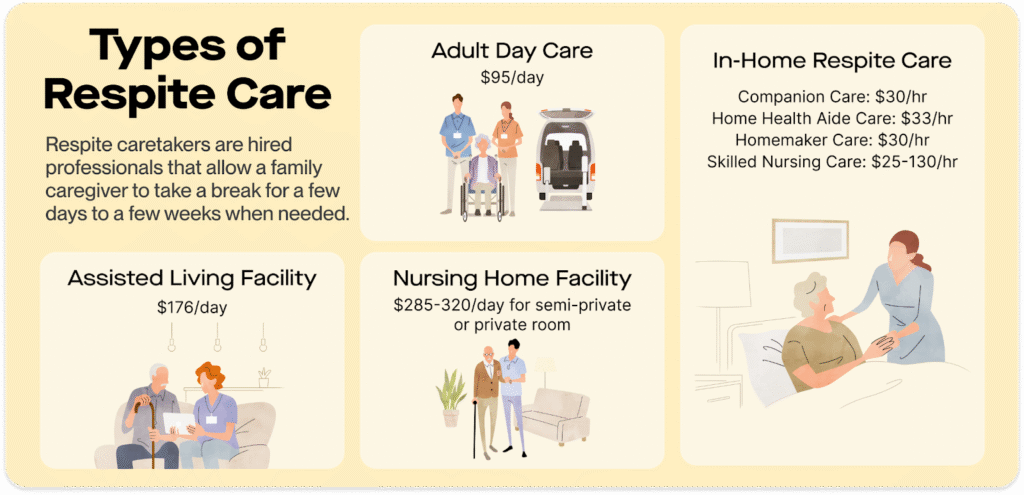
    Costs vary by setting. In-home respite usually charges by the hour. Residential respite typically charges a daily rate. Before arranging support, families should request an assessment to understand what funding options apply to their situation.

    How Much Does Respite Care Cost?

    Types of Respite Care
    Types of Respite Care

    Respite care costs vary depending on the setting, location, and level of support required.

    In the UK:

    • In-home respite care often costs between £20–£35 per hour, depending on complexity and region.
    • Overnight residential respite in a care home may range from £800–£1,500 per week.
    • Specialist or nursing support increases costs.

    Prices differ across providers and local authorities. Families who search for services such as “care homes near me” or short-stay placements should always confirm whether the rate includes personal care, meals, supervision, and medication support.

    A financial assessment through the local council helps determine whether the person qualifies for funding support or must self-fund.

    ALSO READ: Carers Allowance Scotland: What’s Changed in 2026?

    How to Arrange Respite Care Near You

    Start by requesting a care needs assessment from your local authority. The council will assess both the person receiving care and the carer. If eligible, they may arrange services directly or provide funding through direct payments.

    If you plan to organise support privately, search for respite care near me and check whether the provider is regulated by the CQC (in England) or the relevant regulator in your nation. Compare:

    • Inspection ratings
    • Staff training and supervision
    • Experience with dementia, disability, or complex needs
    • Clear pricing structures

    Some families approach larger providers or national care corporations, while others choose local agencies for flexibility. Residential providers may also advertise career opportunities, such as Barchester healthcare jobs or Barchester jobs, which can signal staffing scale and capacity.

    Always confirm availability, duration limits, and cancellation terms before booking.

    Can Respite Care Create Job Opportunities?

    Respite services also create employment across the care sector. Providers recruit care assistants, healthcare assistants, and support workers to deliver short-term cover in homes and residential settings.

    People searching for care assistant jobs near me, healthcare assistant jobs, or support worker jobs near me often find opportunities within respite services. Some roles focus on short visits in the community, while others involve overnight residential placements or even live in care jobs for extended short breaks.

    These roles form part of the wider market for care jobs, including permanent care assistant positions and specialist healthcare caregiver jobs within regulated services. Respite care strengthens the workforce by creating flexible roles that support both families and the wider health and social care system.

    Final Thoughts…

    Respite care is not a luxury. It is a practical safeguard. When carers rest, everyone benefits. The person receiving support experiences safer, more consistent care. Families make clearer decisions. Stress reduces. Long-term placements become less likely.

    Many carers delay arranging respite because they feel guilty or unsure where to start. But asking for structured support reflects responsibility, not weakness. The UK care system recognises that carers need protection too.

    If you feel uncertain about eligibility, funding routes, assessments, or provider standards, do not navigate it alone.

    Care Sync Experts supports families and care providers across the UK with clear guidance on respite arrangements, funding pathways, regulatory standards, and compliance requirements. Whether you need help understanding your rights under the Care Act, preparing for a local authority assessment, or exploring regulated respite options, our team provides practical, professional support.

    Take the first step toward sustainable care. Contact Care Sync Experts today and let us help you arrange respite care with clarity and confidence.

    FAQ

    What happens in respite care?

    During respite care, a trained care worker temporarily takes over daily support duties so the main carer can rest. The level of support depends on the person’s needs. It may include personal care, medication support, meal preparation, supervision, mobility assistance, or structured activities.

    If respite takes place in a residential setting, staff provide 24-hour supervision, meals, and routine support. If it happens at home, a care assistant follows the person’s usual care plan to maintain stability and comfort.

    The aim remains consistent: maintain safe, continuous care while protecting the carer’s wellbeing.

    How long can someone stay in respite?

    Respite care stays are usually short term. They may last:
    – A few hours
    – A full day
    – A weekend
    – One to two weeks

    Some local authorities set limits based on funding agreements or care plans. Residential respite often runs for one to two weeks at a time, though arrangements vary. The length depends on the purpose of the break, available funding, and provider capacity.

    Respite does not replace long-term care. It supports temporary relief.

    What are the signs someone needs respite?

    Carers often delay seeking help. However, clear warning signs suggest respite may be necessary:
    – Persistent exhaustion or sleep problems
    – Increased stress or irritability
    – Declining physical health
    – Missed medical appointments

    Feeling overwhelmed or emotionally withdrawn
    When a carer struggles, the quality of care may decline unintentionally. Arranging respite early prevents burnout and protects both people involved.

    Is respite care end of life?

    No. Respite care is not automatically end-of-life care.

    Families use respite at many stages, early in a diagnosis, during long-term disability support, or when a carer needs temporary relief. However, hospice services sometimes offer short respite stays for families caring for someone with a life-limiting condition.

    Respite focuses on short-term relief. End-of-life care focuses on comfort and symptom management. The two may overlap, but they serve different purposes.

  • CHC Funding: A Caregiver’s Step-by-Step Guide (2026)

    CHC Funding: A Caregiver’s Step-by-Step Guide (2026)

    CHC funding (NHS Continuing Healthcare funding) is a free, non-means-tested package of care that the NHS fully funds for adults with complex, intense, or unpredictable long-term health needs. If someone has a primary health need, the NHS pays for their care in full, whether that care takes place at home, in a nursing home, or in another community setting.

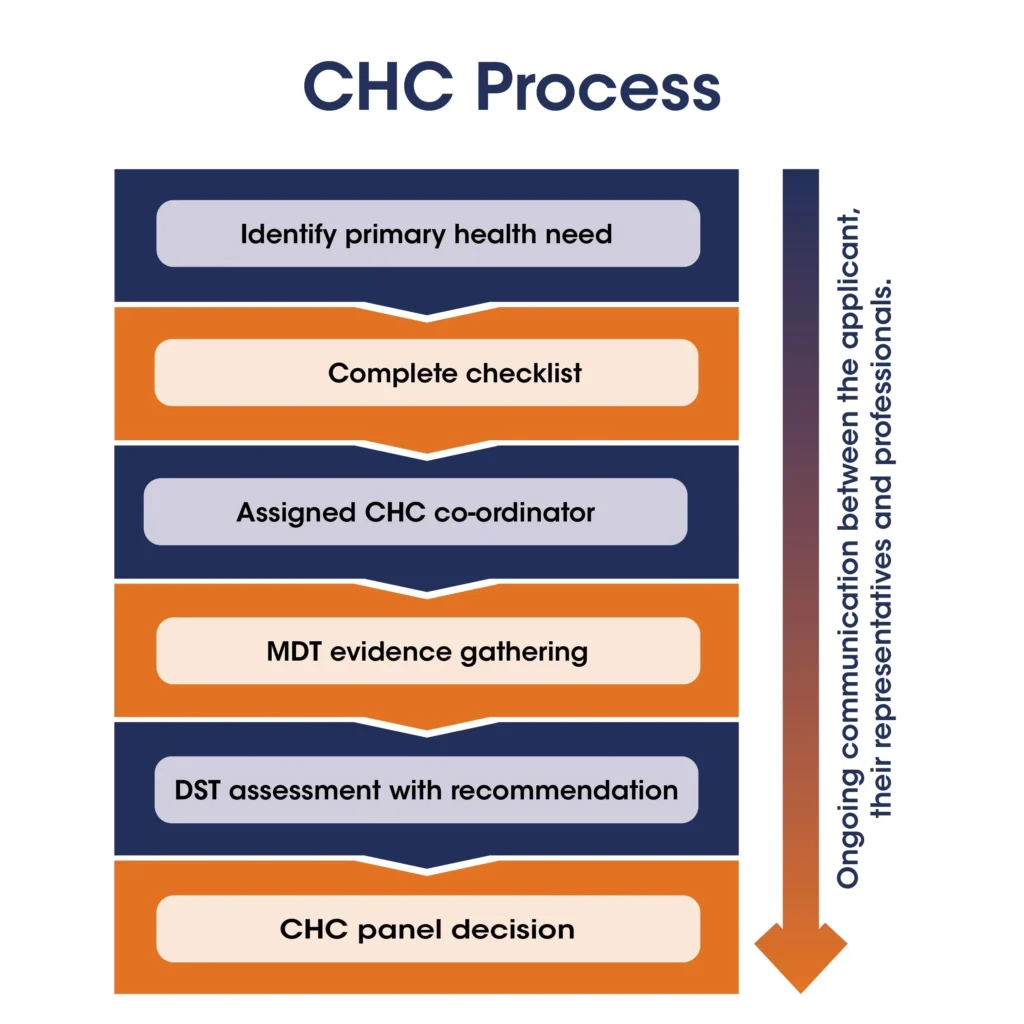
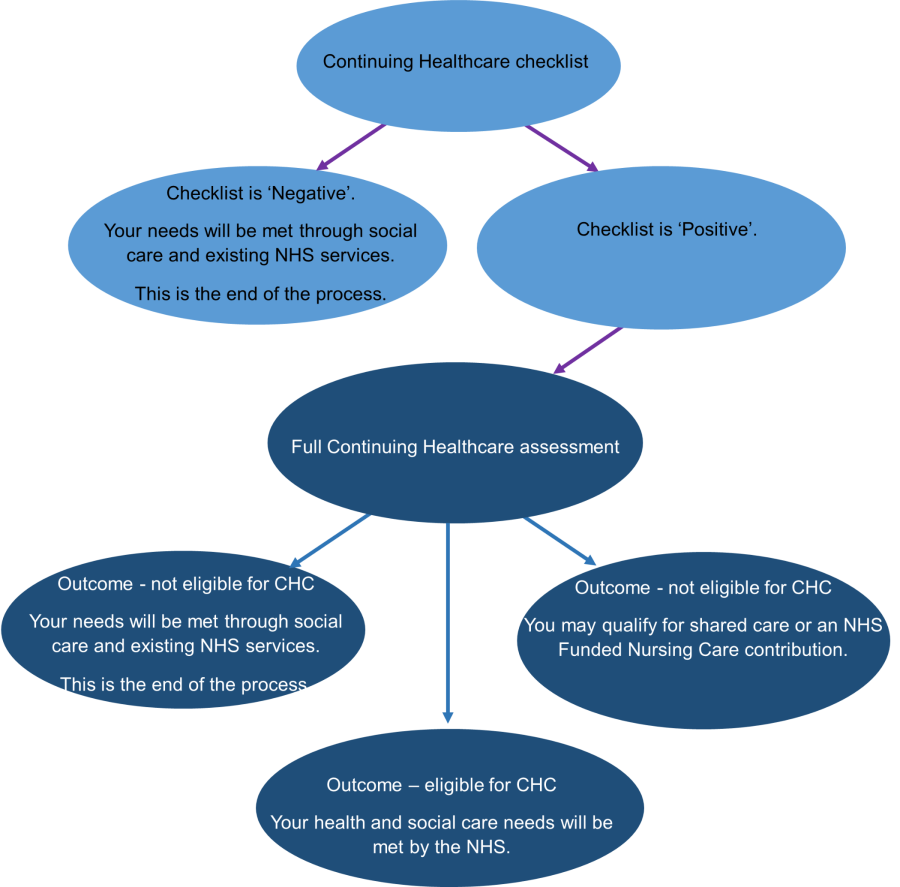
    To qualify, the NHS first completes a CHC Checklist and, if needed, carries out a full CHC assessment using a multidisciplinary team and Decision Support Tool.

    Spot CHC Early: The Caregiver Signs That Trigger an Assessment

    Top 5 Challenges Domiciliary Care Providers Face (and How to Overcome Them)

    As a caregiver, you often notice the warning signs before anyone else. If care feels more medical than social, you should consider raising CHC funding with the NHS.

    You should request a CHC Checklist if the person you support:

    • Needs frequent clinical intervention (complex wound care, PEG feeding, oxygen therapy, or specialist medication management)
    • Faces unpredictable risks such as seizures, choking, falls, or sudden deterioration
    • Requires constant supervision to prevent harm
    • Has behaviour, cognition, or psychological needs that demand skilled monitoring
    • Shows rapid decline, especially in late-stage or life-limiting conditions

    CHC does not depend on diagnosis, income, savings, or property ownership. It depends on whether the person’s needs revolve around managing health risks rather than providing routine social care.

    If you believe health needs drive the care plan, do not wait for someone else to raise it. Ask the GP, district nurse, hospital discharge team, or social worker to start the NHS Continuing Healthcare checklist process.

    CHC Guidance in One Rule: Health Needs Decide, Not Money

    The core rule behind CHC funding is simple: the NHS looks at health needs, not bank accounts.

    You qualify for continuing healthcare if your overall needs show a primary health need. This means your care mainly addresses medical risks and clinical complexity, rather than routine support with daily living.

    During a CHC assessment, decision-makers examine four key characteristics:

    • Nature – What type of health needs exist?
    • Intensity – How much care is required, and how often?
    • Complexity – How do different conditions interact and increase risk?
    • Unpredictability – How likely is sudden deterioration or harm without skilled oversight?

    For example, help with washing and dressing alone does not usually trigger CHC funding. But if that same person also faces unstable blood sugar, high infection risk, behavioural risks, and frequent medication changes, the picture shifts from social care to healthcare.

    As a caregiver, your role is to frame needs clearly. Describe what happens when care does not go right. Document risks, frequency, and consequences. The NHS does not fund diagnoses, it funds risk, intensity, and complexity.

    That is the foundation of all CHC guidance and the CHC framework.

    RELATED: Carers Allowance Scotland: What’s Changed in 2026?

    Start With the CHC Checklist (NHS Continuing Healthcare Checklist)

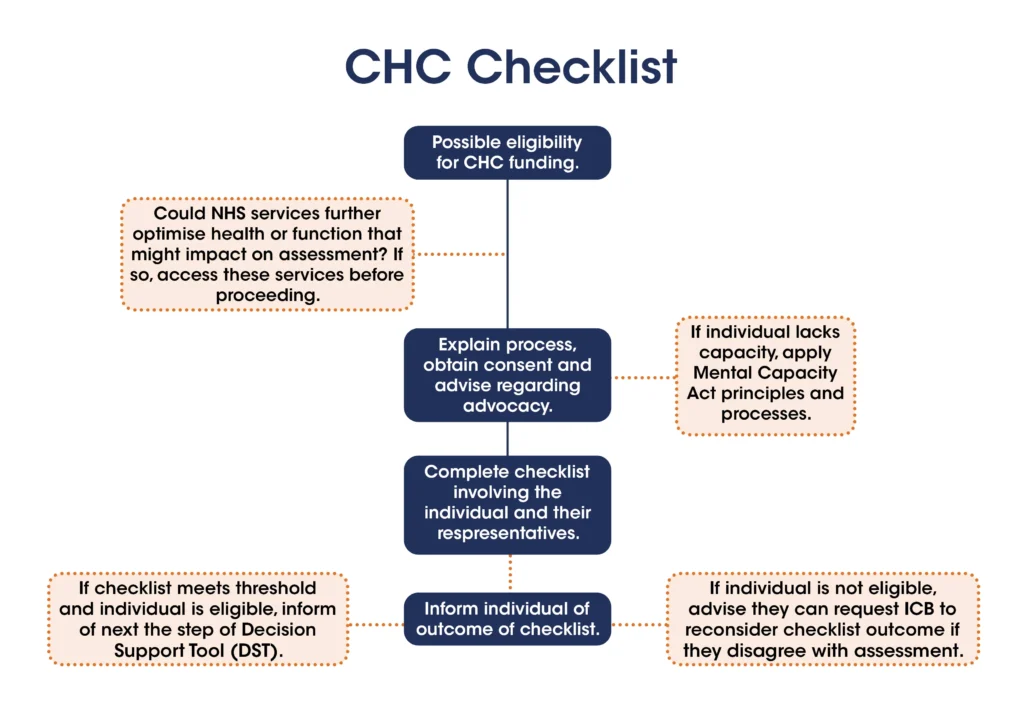
    The CHC Checklist acts as the screening stage for CHC funding. A nurse, GP, hospital clinician, or social worker completes it to decide whether the person should move to a full CHC assessment.

    The NHS Continuing Healthcare checklist does not decide eligibility. It simply asks: “Does this person need a full assessment?”

    You should always:

    • Confirm that a trained professional completes the Checklist
    • Ask for a copy of the completed document
    • Request written reasons for the outcome
    • Check that the recorded needs reflect reality

    If the Checklist shows sufficient need, the NHS must arrange a full assessment. If it does not, you can challenge the outcome and ask for reconsideration.

    Caregiver Move: Bring Evidence to the Checklist

    Do not attend empty-handed. The Checklist works best when you support it with clear, recent evidence:

    • Daily care notes showing frequency of intervention
    • Incident reports (falls, choking, behavioural episodes)
    • Medication charts and changes
    • Risk assessments
    • Hospital discharge summaries
    • Evidence of supervision required to prevent harm

    Avoid vague descriptions like “needs a lot of support.” Instead, say:

    “Requires repositioning every two hours due to Grade 3 pressure ulcer risk. Missed repositioning led to skin breakdown on 12/02.”

    The Checklist stage sets the tone for everything that follows. If you document intensity and risk early, you strengthen your case before the full CHC assessment even begins.

    Prepare for the Full CHC Assessment Like an Inspection

    CHC Funding- Process
    CHC Funding- Process

    If the CHC Checklist triggers a full review, the NHS arranges a CHC assessment led by a multidisciplinary team (MDT). This team usually includes at least two professionals from different disciplines, often health and social care staff already involved in the person’s care.

    The MDT uses a document called the Decision Support Tool (DST). It breaks needs into care domains such as mobility, nutrition, cognition, behaviour, skin integrity, breathing, medication, and more. Each domain receives a level: priority, severe, high, moderate, low, or no need.

    But levels alone do not decide CHC funding. The MDT must also judge how the needs combine under the four key tests:

    • Intensity – How much care does the person require daily?
    • Complexity – How do multiple conditions interact?
    • Unpredictability – How often does risk escalate suddenly?
    • Nature – What kind of clinical skill does safe care demand?

    Caregiver Strategy: Link Evidence to Each Domain

    Do not rely on professionals to “know the story.” Prepare a short summary that maps evidence to domains.

    For example:

    • Skin: Grade 3 pressure ulcer history; repositioning every 2 hours; district nurse involvement.
    • Medication: Frequent dosage changes; risk of hypoglycaemia; nurse oversight required.
    • Behaviour: Verbal aggression during personal care; requires two carers to prevent harm.

    Focus on risk, consequences, and frequency. Show what happens when support fails.

    When you present needs clearly and in active terms, you help the MDT see the full picture, not isolated tasks, but an interconnected health risk profile.

    READ MORE: What Is the Best Mobile Phone for Old Age UK in 2026?

    Use Fast Track When the Condition Deteriorates Rapidly

    When someone’s health declines quickly, and professionals believe they may be approaching the end of life, you do not need to wait for the standard CHC assessment process. The NHS can activate the Fast Track pathway.

    Fast Track allows the NHS to arrange CHC funding immediately, without completing the full Checklist and Decision Support Tool first. A clinician, usually a GP, consultant, or specialist nurse, completes a Fast Track tool confirming rapid deterioration.

    As a caregiver, you should raise Fast Track if you notice:

    • Clear clinical decline over weeks or days
    • Escalating symptoms that require skilled intervention
    • Frequent hospital admissions or crisis events
    • End-of-life indicators

    Do not assume someone else will suggest it. Ask directly: “Does this situation meet the criteria for Fast Track CHC?”

    Fast Track exists to remove delay during urgent periods. If the clinical team agrees that deterioration is significant, the NHS should arrange a funded care package quickly so care remains stable and dignified.

    Track the CHC Timeline: Know the 28-Day Expectation

    CHC Funding

    Once someone requests a full CHC assessment, the local Integrated Care Board (ICB) should normally complete the decision within 28 days of receiving a completed Checklist or request for full assessment.

    This timeframe matters. Delays create stress, financial pressure, and uncertainty for families and caregivers.

    As a caregiver, take control of the timeline:

    • Record the date the CHC Checklist was completed
    • Record the date of referral for full assessment
    • Record the MDT meeting date
    • Record when the ICB issues its decision letter

    If the ICB decides the person qualifies for CHC funding but takes longer than 28 days without justified reason, it may need to refund care costs from day 29 onward.

    Keep communication written wherever possible. Confirm conversations by email. A simple timeline log strengthens your position if you need to challenge delays.

    When you monitor the process closely, you reduce the risk of administrative drift and protect the person’s entitlement to continuing healthcare.

    ALSO SEE: When Does Child Benefit Stop in the UK? (2026 Guide)

    Challenge a CHC Decision With Evidence, Not Emotion

    If the NHS refuses CHC funding, do not treat the decision as final. Many families secure eligibility after challenging weak reasoning or incomplete assessments.

    Start by requesting:

    • A full copy of the Decision Support Tool (DST)
    • The written rationale explaining why the person does not have a primary health need
    • Copies of any risk assessments used

    Read the document carefully. Look for gaps. Did the MDT downplay intensity? Did it ignore unpredictable risks? Did it describe health needs as “social care” without explaining why?

    Caregiver Strategy: Reframe the Case Clearly

    When you challenge a decision, respond domain by domain. Link each disagreement to evidence.

    For example:

    • “The DST records mobility as moderate. However, records show two falls requiring hospital review within three weeks.”
    • “Medication management involves insulin titration with risk of hypoglycaemia. This reflects clinical intensity, not routine support.”

    You can ask the ICB to reconsider its decision locally. If dissatisfaction continues, you may request an independent review through the NHS complaints route.

    Focus on documented risk, frequency, and consequences. Avoid emotional language. Clear evidence carries more weight than frustration.
    A refused decision does not mean the person lacks needs. It often means the evidence did not fully demonstrate the health risk profile at that time.

    If CHC Funding Fails, Check FNC Funding

    NHS Continuing Healthcare for Adults
    NHS Continuing Healthcare for Adults

    If the NHS refuses CHC funding, you should immediately check eligibility for FNC funding (NHS-funded nursing care).

    FNC funding applies when someone lives in a nursing home and requires support from a registered nurse, but does not meet the threshold for full continuing healthcare. Instead of paying the entire care package, the NHS pays a set weekly contribution toward the nursing element of care. The individual or local authority covers the remaining costs.

    You do not usually need a separate assessment for FNC if the person has already completed a full CHC assessment. The MDT should consider FNC automatically during that process.

    As a caregiver, confirm:

    • The home is registered to provide nursing care
    • The assessment clearly identifies ongoing nursing needs
    • The ICB confirms the FNC rate and payment arrangement

    FNC funding does not replace CHC, but it can reduce financial pressure if full eligibility does not apply. Always ask for written confirmation of the decision and review dates, as nursing needs should be reviewed regularly.

    MORE: Latest CQC Reports, Regulated Activities (2026)

    CHC Contact Number: Who to Call and What to Say

    If you want to start or chase a CHC assessment, contact your local Integrated Care Board (ICB). The ICB manages CHC funding decisions in your area.

    You can:

    • Ask your GP, district nurse, hospital discharge team, or social worker to submit a referral
    • Call your local ICB and request the CHC team directly
    • Ask for the named CHC case coordinator handling the case

    When you call, stay clear and direct: “I would like to request a CHC Checklist for [name]. Their needs involve complex health risks, and I believe they may have a primary health need.”

    If you need independent guidance, the organisation Beacon offers free advice on continuing healthcare. They operate a helpline and can explain next steps without charging families.

    Always follow up phone calls with an email. Written records protect you if delays occur.

    Taking early control of communication often speeds up the CHC funding process and prevents your case from stalling in the system.

    If You Are Paying While Waiting: Ask About Short-Term Support

    If the NHS delays a CHC funding decision and care costs continue, do not ignore temporary support options.

    Local councils run emergency cost-of-living schemes under the Household Support Fund. This fund helps residents who face immediate financial hardship with essential costs such as utilities, food, and basic household items. Each council manages its own household support fund application, so eligibility and payment rules vary by area.

    If you need help urgently, search your council website for “household support fund apply online” or contact the council’s welfare support team directly. They will explain whether you qualify and how to submit a household support fund application.

    This support does not replace continuing healthcare, and it does not affect your CHC assessment. It simply provides short-term relief while funding decisions progress.

    Always keep receipts and records of payments made during the waiting period. If the NHS later confirms CHC eligibility, you may need documentation if reimbursement discussions arise.

    Final Checklist for Caregivers: Take Control of the CHC Process

    Before you close this guide, use this quick action list to stay ahead of the CHC funding process:

    • Request the CHC Checklist as soon as health needs escalate
    • Collect clear evidence: daily notes, incidents, medication changes, risk events
    • Map evidence to intensity, complexity, unpredictability, and nature
    • Track every date in the CHC assessment timeline
    • Ask for written decisions and full documentation
    • Challenge weak reasoning with structured evidence
    • Check FNC funding if full eligibility does not apply
    • Contact your local ICB directly if communication stalls

    You do not need to become a legal expert to secure continuing healthcare. You need structured evidence, clear communication, and persistence.

    When you focus on health risk rather than tasks, document frequency rather than general need, and stay proactive at each stage, you place yourself in the strongest position to secure the right outcome.

    Need Help Securing CHC Funding?

    If you feel overwhelmed by the CHC assessment process or want expert support before, during, or after a decision, Care Sync Experts can guide you step by step.

    We help caregivers and care providers:

    • Prepare strong evidence before the CHC Checklist
    • Structure cases clearly for the full CHC assessment
    • Challenge refusals with documented, domain-based responses
    • Navigate appeals professionally and strategically

    CHC decisions should reflect real health risks, not paperwork gaps.

    Contact Care Sync Experts today to discuss your situation and protect your entitlement to the right level of NHS support.

    FAQ

    Can CHC Funding Be Withdrawn?

    Yes. The NHS can withdraw CHC funding if a review shows that the person no longer has a primary health need.

    Integrated Care Boards (ICBs) must review CHC packages after three months and then at least annually. If needs reduce in intensity, complexity, or unpredictability, the NHS may decide that full continuing healthcare no longer applies.

    If funding is withdrawn, you have the right to:
    – Request a written explanation
    – Challenge the decision
    – Provide updated evidence
    – Ask for a reassessment if needs change again

    CHC is based on current needs. If those needs increase later, you can request a new assessment.

    What Are the 4 Criteria for CHC?

    The NHS decides eligibility using four characteristics:
    Nature – What type of health needs exist?
    Intensity – How much care is required and how often?
    Complexity – How multiple conditions interact and increase risk
    Unpredictability – The likelihood of sudden deterioration or harm

    Decision-makers apply these criteria during the full CHC assessment when determining whether someone has a primary health need.

    Is There a Limit to CHC Funding?

    No. There is no financial cap on CHC funding.
    If someone qualifies, the NHS must cover the full cost of meeting assessed health and associated care needs. This applies whether care takes place at home or in a care home.

    The NHS can consider value for money when arranging a package, but it cannot refuse funding simply because care is expensive if the person meets eligibility criteria.

    What Is the Full Form of CHC in Medical Terms?

    CHC stands for Continuing Healthcare.
    In England, the formal term is NHS Continuing Healthcare, which refers to a fully funded package of care for adults with complex or long-term health needs.

    It is sometimes shortened to “CHC funding” when referring to the financial aspect of the package.

  • What Is the Best Mobile Phone for Old Age UK in 2026?

    What Is the Best Mobile Phone for Old Age UK in 2026?

    The best mobile phone for old age UK users in 2026 depends on how simple you want the device to be. For straightforward calling and texting, the Doro 6820 stands out as the best big button mobile phone for elderly users thanks to its loud sound, clear screen, and charging cradle.

    If mobility is limited, the Doro 5860 offers a sturdy bar-style design with large, tactile keys. For added safety, the Doro 780X includes an SOS button and GPS support.

    If your parent or relative needs apps like WhatsApp, NHS services, or online banking, a simple smartphone such as the Motorola Moto G55 provides a more modern but still easy-to-use experience.

    Each option supports 4G connectivity, which is essential in the UK as older networks continue to shut down. The right phone for elderly people should prioritise safety, clarity, and ease of use over flashy features.

    Best Mobile Phones for the Elderly at a Glance

    Below is a snapshot of the top mobile phone for old age UK users, chosen for ease of use, safety, and value. Caregivers and loved ones can use this table to quickly compare key features.

    ModelTypeBest For4GWhatsApp/AppsSOS ButtonCharging CradleApprox Price
    Doro 6820Big button flipBest overall phone for elderly✔️✖️✔️✔️~£70
    Doro 5860Big button barBest for limited hand mobility✔️✖️✔️✔️~£65
    Doro 780XSafety-oriented phoneBest for emergency / caregiver support✔️✖️✔️ (GPS)Optional~£100
    Nokia 2660 FlipBudget flipCheapest flip phone for elderly✔️Limited✔️✖️~£50
    Motorola Moto G55Simple smartphoneBest for WhatsApp & apps✔️✔️✖️✖️~£130

    Note: Prices shown are approximate UK retail values in 2026 and can vary by retailer or promotional offer.

    What Caregivers Should Consider Before Choosing a Mobile Phone for Elderly People

    The Complete Breakdown of Supported Living Business Models

    Choosing the right mobile phone for elderly users, beyond features on paper, is about how the phone performs in real life, especially when used by someone with limited tech experience, impaired vision, or health concerns. As a caregiver, you want a device that works intuitively, doesn’t frustrate the user, and helps you stay connected and safe.

    Below are the main factors that matter most:

    1. Safety Comes First: SOS, GPS & Emergency Support

    Caregivers consistently rank quick access to help as the most important feature. Phones that include:

    • SOS or Assistance buttons (one-press emergency contact)
    • GPS tracking (to locate the user when needed)
    • Easy contact lists (speed dial for loved ones)

    …can make real differences in urgent situations.

    • Doro 780X excels in this area
    • Most Doro phones include an assistance button

    Smartphones require setup for emergency contacts, but offer more apps

    If the person you care for has mobility difficulties or lives independently, prioritise safety features over extras.

    2. Large Buttons & Clear Display: Essential for Ease of Use

    Older eyes and hands benefit massively from:

    • Big button mobile phone layouts
    • High-contrast screens
    • Tactile keys with audible feedback

    Phones designed for seniors reduce mistakes when dialing numbers or texting, and they cut down frustration.
    • Feature phones (like Doro 6820 and Doro 5860) typically offer the best ergonomics.

    Standard smartphones can feel overwhelming unless interfaces are simplified.

    3. Hearing & Vision Support

    Many older users also have:

    • Hearing aids
    • Partial sight loss
    • Difficulty reading small text

    Look for:

    • Hearing Aid Compatibility (HAC)
    • Adjustable text size
    • Loud, clear audio
    • Simple menu layouts

    These help make phone use easier, not just possible.

    4. Simplicity vs Smart Capability

    Not every older user needs a smartphone, but many benefit from apps such as:

    • WhatsApp (for easy messaging and video calls)
    • NHS app (for appointments and prescriptions)
    • Email & banking apps

    Big button mobile phones keep things simple but don’t support apps.

    Simple smartphones like the Motorola Moto G55 support apps while staying easy to use.

    Ask yourself:

    • Does the person need internet and messaging apps?
    • Or is calling and texting enough?

    Your answer should guide the choice.

    5. Charging Ease & Reliability

    Charging is a surprisingly common frustration for seniors. Good features include:

    • Charging cradles (docks where you just place the phone)
    • Large, easy cables
    • Clear charging indicators

    Phones that are harder to charge are less likely to be used consistently, especially by users with limited dexterity.

    • Many doro phones include a charging cradle.

    Standard smartphones do not.

    6. Caregiver Setup & Support

    A caregiver’s job doesn’t end with a purchase; it includes setup.

    Make sure the phone lets you:

    • Add emergency contacts
    • Label contacts clearly
    • Set up speed dial
    • Enable accessibility features
    • Install essential apps (if a smartphone)

    Sometimes the setup matters more than the device itself.

    Takeaway

    The best mobile phone for old age UK users combines:

    • Simplicity
    • Safety
    • caregiver-friendly features
    • clear audio and screen
    • reliable charging

    In the next section, we’ll look at the best big button mobile phones designed specifically for older users, starting with the most reliable options you can buy today.

    RELATED: Carers Allowance Scotland: What’s Changed in 2026?

    Best 5 Big Button Mobile Phones for Elderly Users (Easy, Clear & Reliable)

    If your priority is simplicity, voice clarity, tactile buttons, and quick access to contacts, a big button mobile phone for elderly people will often be the best choice. These devices keep the basics front and centre: calling, texting, loud audio, and easy charging. Below are the caregiver-approved options that stand out for older users in the UK.

    1. Doro 6820: Best Overall Big Button Mobile Phone
    Doro phone
    Doro 6820

    Why we recommend it

    The Doro 6820 combines simplicity with smart safety. It uses large numeric keys and a clear, easy-read screen. The assistance (SOS) button lets the user alert multiple contacts at the press of a single key, ideal for caregivers who need peace of mind.

    Top features:

    • Dedicated SOS/assistance button
    • Charging cradle for easy daily power-ups
    • Loud, clear speaker and hearing aid compatibility
    • Simple messaging and calling menus

    Best for: Those who want a big button mobile phone the elderly can master quickly.

    1. Doro 5860: Best for Limited Hand Mobility
    Doro 5860

    Why it’s great

    If an older person has trouble opening flip phones or using smaller designs, the Doro 5860 delivers a straightforward bar-style phone with large push buttons and a rugged build.

    Stand-out features:

    • Horizontal layout (no flipping needed)
    • Large buttons with strong tactile feedback
    • Assistance button for emergencies
    • Charging cradle included

    Best for: Users with limited hand movement or vision challenges.

    1. Doro 780X: Best Safety-Focused Big Button Phone
    Doro 780X

    What sets it apart

    The Doro 780X takes safety further with built-in GPS and enhanced SOS features. That’s especially useful if the user spends time alone or may wander.

    Key benefits:

    • Advanced SOS with GPS location
    • Loud, easy-to-use buttons
    • 4G connectivity (important in 2026)
    • Optional charging cradle

    Best for: Seniors who live independently or where caregiver peace of mind is a priority.

    1. Budget Big Button Option: Nokia 2660 Flip
    Nokia 2660 Flip

    Why it’s worth it

    If you want big button ease of use on a tight budget, the Nokia 2660 Flip delivers basic calling, texting, and a simple external screen.

    Highlights:

    • 4G connectivity
    • Assistance button (limited setup)
    • Classic flip design
    • Cheapest big button mobile phone option

    Best for: Older users who want simplicity and low cost.

    1. Notes on Older Cell Phones vs. Big Button Phones

    Traditional “older cell phone” designs (standard non-smartphone units) focus on the basics, which many caregivers prefer. Unlike smartphones, they don’t force menus, icons or app complexity. For users who only need phone calls and texts, a big button mobile phone for elderly often fits best.

    Summary of Big Button Phones

    PhoneBest For4GSOSCradle
    Doro 6820Best overall✔️✔️✔️
    Doro 5860Mobility ease✔️✔️✔️
    Doro 780XSafety & GPS✔️✔️ (GPS)Optional
    Nokia 2660 FlipBudget simplicity✔️✔️✖️
    • All of the above are designed to deliver clarity over complexity
    • They support big button use, which helps users with limited dexterity
    • They stay connected with 4G support, essential in the UK as older networks retire

    READ MORE: Home Reversion Plan 2026: How It Works, Costs, Risks, Examples

    Best 2 Mobile Phone for Elderly with WhatsApp & Apps

    Not every older user wants a basic feature phone. Many now use WhatsApp, book NHS appointments online, and check bank accounts digitally. In those cases, a simple smartphone works better than a traditional big button mobile phone.

    If the person you’re supporting needs messaging apps or internet access, choose a mobile phone for elderly with WhatsApp rather than a basic feature phone.

    1. Motorola Moto G55 – Best Simple Smartphone for Older Users
    Motorola Moto g55 Smartphone, Android, 8GB RAM, 6.49”, 5G, SIM Free, 256GB

    The Motorola Moto G55 strikes the right balance between affordability and simplicity. It runs Android, supports WhatsApp and NHS apps, and delivers strong battery life, without overwhelming the user.

    Why caregivers like it:

    • Large 6.49in bright display
    • Strong battery (often lasts all day)
    • Clean, simple Android interface
    • 4G/5G ready for UK networks
    • Affordable price (~£130)

    With accessibility settings enabled (larger text, bold fonts, simplified home screen), it becomes one of the easy to use mobile phones for the elderly that still supports modern apps.

    1. Chatsie Phone – Best Senior-Focused Smartphone

    The Chatsie Phone simplifies the smartphone experience even further. It replaces complex icons with clear text buttons and includes strong accessibility tools.

    Key benefits:

    • Large, adjustable text
    • Simple text-based menus
    • Voice dictation for texting
    • UK-based support line
    • Pre-installed protective case

    It costs more (~£299), but it reduces confusion for users who struggle with traditional smartphone layouts.

    When Should You Choose a Smartphone Instead of a Big Button Mobile Phone?

    Choose a smartphone if the person:

    • Uses WhatsApp to stay in touch
    • Needs NHS or banking apps
    • Wants video calls with family
    • Reads news online
    • Is comfortable with touchscreens

    Stick with a big button mobile phone for elderly users if they only call and text and prefer physical keys.

    Accessibility Tip for Caregivers

    You can make most Android phones more elderly-friendly by:

    1. Increasing text size
    2. Enabling bold fonts
    3. Removing unnecessary apps from the home screen
    4. Setting up emergency contacts
    5. Adding WhatsApp shortcuts for family members

    A smartphone can become a highly practical phone for elderly people, but only after proper setup.

    Cheapest Mobile Phone for Old Age UK (And Are Free Options Real?)

    Many families search for the cheapest mobile phone for old age UK users because they only need basic calling and texting. The good news: you don’t need to spend much to get something reliable.

    Cheapest Mobile Phone for Old Age UK (Under £50–£70)

    If you want a simple phone for aged users, focus on:

    • Big physical buttons
    • Loud speaker
    • Clear screen
    • 4G compatibility

    Best low-cost options:

    • Nokia 2660 Flip (~£50–£60)
    • TTfone Mercury 2 (budget big button model)
    • Older entry-level Doro phones (often discounted)

    These phones handle calls and texts without distractions. For many older users, that’s all they need.

    If your priority is simplicity and affordability, a large button mobile phone under £70 will usually cover the basics.

    Is There a Free Mobile Phone for Old Age UK?

    Many people ask about a free mobile phone for old age UK schemes. In reality, the UK government does not provide free phones simply based on age alone.

    However, some situations may offer low-cost or subsidised options:

    • Certain charities support vulnerable or isolated older adults
    • Some mobile providers offer discounted plans for low-income households
    • Family contracts or SIM-only deals can reduce total cost

    Be cautious of online ads promising “completely free phones” with hidden contracts.

    If cost is the main concern, you will usually save more money by:

    • Buying a low-cost handset outright
    • Choosing a cheap SIM-only plan (£5–£10 per month)
    • Avoiding long contracts for basic use

    Cost vs. Value

    Spending slightly more on a reliable big button mobile phone for elderly 4G use often saves frustration later. Very cheap models without 4G support may stop working properly as UK networks retire older systems.

    For most families, the sweet spot sits between £50 and £130, depending on whether you choose a feature phone or smartphone.

    SEE ALSO: When Does Child Benefit Stop in the UK? (2026 Guide)

    Why 4G Matters for a Mobile Phone for Old Age UK in 2026

    If you’re buying a mobile phone for old age UK users in 2026, 4G support is essential.

    UK mobile networks have shut down (or are actively shutting down) older 3G services. That means some very old feature phones will stop working properly for calls or texts. If you buy outdated stock, you risk giving an older person a phone that struggles with coverage or emergency calls.

    Always Choose a Big Button Mobile Phone for Elderly 4G Use

    When comparing devices, check that the phone:

    • Supports 4G calling (VoLTE)
    • Works on UK networks (EE, O2, Vodafone, Three)
    • Is unlocked or compatible with your chosen provider

    Most modern Doro mobile phones now support 4G. That includes:

    • Doro 6820
    • Doro 5860
    • Doro 780X

    Budget models like the Nokia 2660 Flip also support 4G, which makes them safer long-term purchases.

    Importance for Caregivers

    A phone that doesn’t connect properly creates real risk.

    If an older person presses the SOS button and the phone fails to place a call due to poor network compatibility, that becomes more than an inconvenience.

    Choosing a 4G-ready phone for elderly people protects against:

    • Dropped calls
    • Poor signal
    • Inability to dial emergency services
    • Limited future network support

    Avoid “Old Stock” Bargains

    You might see very cheap “older cell phone” models online. Before buying, confirm:

    • It supports 4G
    • It is not locked to a discontinued network
    • It is not dependent on 3G-only calling

    In short, a mobile elderly phone must be future-ready, not just affordable.

    MORE: Is MS Hereditary or Inherited? What Causes Multiple Sclerosis (2026)

    How to Choose the Right Phone for the Aged (Simple Decision Guide)

    mobile phone for old age uk
    mobile phone for old age uk

    Choosing the right phone for aged users becomes much easier when you focus on real needs instead of brand names. Use the guide below to decide quickly and confidently.

    Step 1: Do They Only Call and Text?

    If the person only wants to:

    • Make calls
    • Send basic texts
    • Avoid apps and internet

    → Choose a big button mobile phone for elderly users.

    Best fit:

    • Doro 6820
    • Doro 5860
    • Nokia 2660 Flip

    These phones for elderly mobile use focus on clarity and simplicity.

    Step 2: Do They Use WhatsApp or NHS Apps?

    If they need:

    • WhatsApp messaging
    • Video calls
    • NHS or banking apps
    • Email access

    → Choose a mobile phone for elderly with WhatsApp (a simple smartphone).

    Best fit:

    • Motorola Moto G55
    • Chatsie Phone

    A smartphone works better for digital independence.

    Step 3: Do They Have Mobility or Dexterity Issues?

    If opening flip phones or pressing small buttons causes difficulty:

    → Choose a bar-style large button mobile phone like the Doro 5860.

    The fewer moving parts, the better.

    Step 4: Is Safety a Priority?

    If the person:

    • Lives alone
    • Has fall risk
    • Experiences memory concerns
    • Needs emergency support

    → Choose a model with a strong SOS system and 4G connectivity.

    Best fit:

    • Doro 780X
    • Doro 6820

    Safety features often matter more than screen size.

    Step 5: Is Budget the Main Concern?

    If cost drives the decision:

    • Under £70 → choose a budget big button phone
    • £100–£150 → choose a simple smartphone

    Most families do not need to spend more than £150 for a reliable mobile phone for elderly people.

    Quick Summary

    Choose:

    • Big button feature phone → for maximum simplicity
    • Simple smartphone → for WhatsApp and online services
    • 4G model only → for future-proof reliability
    • SOS-enabled phone → for caregiver peace of mind

    The best phone for the elderly balances safety, clarity, and confidence.

    Final Verdict…

    Here’s a practical summary so you can choose the best mobile phone for old age UK users with confidence, whether simplicity, safety, affordability, or connectivity matters most.

    Best Overall (Simple & Reliable): Doro 6820

    • Perfect for: PHONE CALLS + TEXTS without confusion
    • Features: Big tactile keys, loud audio, SOS assistance button, charging cradle

    It’s easy to master, gets loud and clear sound, and supports 4G, a must in 2026. Best pick if the user just needs a dependable mobile phone for elderly use.

    Best for Limited Mobility: Doro 5860

    • Perfect for: Users who struggle with flipping phones
    • Features: Bar-style design, large buttons, assistance button, charging cradle
    • Why you’ll like it: Simplicity without flipping, great for reduced dexterity.

    Best big button mobile phone for elderly users with limited hand use.

    Best Safety-Focused: Doro 780X

    • Perfect for: Independent seniors with caregiver concerns
    • Features: SOS button with GPS, loud audio, 4G

    It adds built-in GPS for better safety and location support. Best choice for caregivers who need peace of mind.

    Cheapest Big Button Option: Nokia 2660 Flip

    • Perfect for: Tight budgets
    • Features: 4G, basic call/text, simple flip design
    • Why it’s useful: Lowest cost while still covering essential features.

    The most affordable big button mobile phone for elderly users.

    Best Smartphone with WhatsApp: Motorola Moto G55

    • Perfect for: Seniors who use WhatsApp, banking, NHS apps
    • Features: Large screen, simple Android, long battery life
    • Why it’s great: Delivers both simplicity and modern app support.

    Best choice when apps and digital services matter.

    Helping You Choose the Right Mobile Phone for an Older Loved One?

    If you searched for “best mobile phone for old age UK,” “big button mobile phone for elderly 4G,” “cheapest mobile phone for old age UK,” or “mobile phone for elderly with WhatsApp,” you’re likely trying to make a safe, practical decision for someone you care about.

    Choosing the right phone for elderly people isn’t just about price. It affects:

    • Safety and emergency response
    • Access to NHS apps and digital services
    • Communication with family
    • Confidence and independence

    The wrong device can create frustration, missed calls, or even risk in urgent situations.

    Care Sync Experts supports UK families and regulated care providers with:

    • Clear, practical guidance on choosing safe and easy-to-use mobile phones for the elderly
    • Advice on setting up SOS features, accessibility tools and caregiver contacts
    • Digital inclusion support for older adults transitioning to smartphones
    • Governance guidance for domiciliary and supported living services improving communication systems
    • Compliance-focused advice for providers supporting digitally vulnerable adults
    • Structured technology policies aligned with safeguarding best practice

    Whether you’re supporting a parent at home or managing a regulated care service, we help you move from uncertainty to confident decision-making.

    Speak to Care Sync Experts today and make sure the phone you choose truly supports safety, clarity and independence.

    FAQ

    How can you make a smartphone easier for an older person to use?

    Modern smartphones (Android or iPhone) have built-in accessibility features designed to help older users with visual, hearing, or motor challenges. You can:

    – Increase font size and icon size so text is easier to read.
    – Enable voice control or voice assistant so the user can speak commands instead of tapping small buttons.
    – Turn on spoken notifications or screen-reading tools to read alerts and messages aloud.

    Most devices also let you remove unnecessary apps and organise key contacts on the home screen for quick access.

    What features help people with hearing loss when choosing a phone?

    For older adults with hearing loss, look for:

    – Hearing Aid Compatibility (HAC) — phones rated with M3/T3 or higher reduce interference and work better with hearing aids.
    – Adjustable volume and loud speaker options for clearer conversations.
    – Extra-loud ringtones with vibration options so calls aren’t missed.

    Phones designed for seniors often include these, and many modern smartphones also support Bluetooth pairing with hearing aids or neck loops.

    Do smartphones designed for seniors exist beyond standard big button phones?

    Yes, there are simplified smartphones specifically made for older users that go beyond basic features:

    – Some models combine big touch-friendly menus, high-contrast displays, and SOS/emergency functions tailored for users with visual or motor impairments.
    – Certain devices pair voice-first interfaces with simple menu systems so users can operate by speaking rather than navigating complex icons.

    These options provide a middle ground between basic feature phones and traditional smartphones for users who want both simplicity and modern capability.

    Are all big button phones the same, or are there different styles?

    There are several styles of big button phones for older users:

    – Feature phones with large physical keys — simple calling and texting.
    – Flip-style big button phones — buttons are large and easy to see once opened.
    – Phones with photo or speed dial buttons for one-touch calling to key contacts.
    – Models with amplified sound and SOS buttons to help in emergencies.

    The specific design that suits someone best often depends on their mobility, vision, hearing and how they plan to use the phone. 

  • Carers Allowance Scotland: What’s Changed in 2026?

    Carers Allowance Scotland: What’s Changed in 2026?

    If you live in Scotland, Carers Allowance Scotland now operates as Carer Support Payment. The Scottish Government replaced the DWP benefit with Carer Support Payment, which Social Security Scotland now manages across the country.

    If you already receive Carer’s Allowance from the DWP and live in Scotland, you usually do not need to reapply. Social Security Scotland transfers your award to Carer Support Payment automatically. You cannot receive both at the same time.

    If you live in England, Wales, or Northern Ireland, you still claim through Gov UK Carer’s Allowance instead.

    This guide explains who qualifies, how much you can get, how work affects your claim, and how to apply for Carer Support Payment in 2025/2026.

    How much is Carer’s Allowance in 2025/2026?

    If you’re asking “how much is Carer’s Allowance UK?”, the weekly rate for 2025/2026 is:

    BenefitWeekly rate
    Carer’s Allowance (England, Wales, NI)£83.30 per week
    Carer Support Payment (Scotland)£83.30 per week

    So if you live in Scotland, Carer Support Payment currently matches the standard Carer’s Allowance rate.

    Many carers search for “how much is carers allowance” or “carers allowance rate 2025”, and the answer is the same weekly amount unless the government announces an uprating.

    How you’re paid

    • In Scotland, Social Security Scotland normally pays you every 4 weeks in arrears.
    • If you transferred from DWP Carer’s Allowance, you may keep a weekly payment schedule depending on your circumstances.
    • Outside Scotland, you can usually choose weekly or 4-weekly payments under Gov UK Carer’s Allowance.

    If you receive other benefits, the payment structure can affect your overall income, especially if you also claim Universal Credit carer element, which we’ll explain shortly.

    RELATED: RQIA Registration for Domiciliary Care Agency in Northern Ireland (2026)

    Who can claim? The rules for claiming Carer’s Allowance (and Carer Support Payment)

    Domiciliary Care vs Supported Living CQC Registration: Which Route Is Easier in 2026

    Before you apply, check the core rules for claiming Carer’s Allowance or Carer Support Payment. You must meet all of the following:

    You must provide enough care

    • You care for someone at least 35 hours a week.
    • You do not need to live with them.
    • You do not need to be related to them.

    The person you care for must receive a qualifying benefit

    They must receive a disability benefit such as:

    • Personal Independence Payment (PIP) daily living component
    • Disability Living Allowance (middle or highest care rate)
    • Attendance Allowance
    • Or certain other qualifying benefits

    Only one person can usually claim for caring for the same individual.

    You must meet age and residence rules

    • You must be 16 or over.
    • You must live in the UK (with specific rules for Scotland under Carer Support Payment).

    Is Carer’s Allowance means tested?

    Many carers ask: “Is carers allowance means tested?”

    It is not means tested in the traditional way; your savings do not affect it. However, your earnings do matter, and you must stay below the weekly earnings limit after allowed deductions. We’ll break that down clearly in the next section.

    If you’re unsure whether you qualify, especially if you work part time or receive other benefits, review the work and Universal Credit sections carefully before you apply.

    Carer’s Allowance and part-time work: how the earnings limit works

    You can work and still claim, but you must stay within the weekly earnings limit.

    For 2026, you must not earn more than £196 per week after certain deductions. Many carers search for “carers allowance part time work” because this rule causes the most confusion.

    What counts as earnings?

    Your earnings include:

    Before the government applies the £196 limit, it allows certain deductions, including:

    • Income tax
    • National Insurance
    • Half of your pension contributions
    • Some work-related expenses (for example, care costs while you work)

    If your earnings go even slightly above the limit in a week, you can lose entitlement for that period. That’s why tracking your income carefully matters.

    What if your hours or pay change?

    If your earnings fluctuate:

    • Keep copies of payslips.
    • Tell the relevant authority quickly (DWP for Gov UK Carer’s Allowance, Social Security Scotland for Carer Support Payment).
    • Do not wait until the end of the year; overpayments can build up.

    Working part time does not automatically disqualify you. Many carers successfully combine part-time work with their benefit, but you must manage your weekly earnings carefully.

    READ MORE: When Does Child Benefit Stop in the UK? (2026 Guide)

    Universal Credit carer element: how it works with Carer’s Allowance

    Care Allowance in Scotland 2026
    Care Allowance in Scotland 2026

    If you claim Universal Credit, you may also qualify for the universal credit carer element. This is an extra monthly amount added to your Universal Credit award if you care for someone at least 35 hours a week.

    Many carers search for:

    • carers element universal credit
    • universal credit carers element
    • carer element
    • how to apply for carers element of universal credit

    Here’s what you need to know.

    You do not need to receive Carer’s Allowance to get the carer element

    You can qualify for the carer element even if you do not receive Carer’s Allowance, as long as:

    • You provide at least 35 hours of care per week, and
    • The person you care for receives a qualifying disability benefit.

    How it interacts with Carer’s Allowance

    If you receive both:

    • Carer’s Allowance counts as income for Universal Credit.
    • Universal Credit reduces by the same amount.
    • However, you still receive the separate carer element within Universal Credit.

    This means many carers are not “double paid,” but they still benefit from the additional element.

    How to apply for carers element of Universal Credit

    You do not submit a separate paper form. Instead:

    1. Log into your Universal Credit account.
    2. Report that you care for someone 35+ hours per week.
    3. Provide details about the person you care for and their disability benefit.
    4. Keep your journal updated if your caring hours change.

    Always report changes promptly. Delays can lead to overpayments or missed entitlements.

    Is Carer’s Allowance taxable?

    Yes, Carer’s Allowance is taxable if your total annual income goes above the Personal Allowance.

    Many carers search “is carers allowance taxable” because the payment feels like support rather than earnings. However, HMRC treats it as taxable income.

    When do you actually pay tax?

    You only pay tax if:

    • Your total income (wages, pension, benefits, etc.) exceeds the yearly Personal Allowance.
    • The combined amount pushes you into a taxable band.

    If Carer’s Allowance (or Carer Support Payment in Scotland) is your only income, you will usually not pay tax because it sits below the Personal Allowance threshold.

    If you work part time or receive a pension, your tax position can change. In those cases:

    • Check your tax code.
    • Review your total annual income.
    • Contact HMRC if something looks incorrect.

    Remember: being taxable does not automatically mean you will owe tax. It depends on your overall income for the year.

    Can I claim Carer’s Allowance for myself?

    Short answer: No.

    You cannot claim Carer’s Allowance (or Carer Support Payment in Scotland) for caring for yourself. You claim it because you care for someone else who receives a qualifying disability benefit.

    Many people search:

    • Can I claim carers allowance for myself?
    • Can I claim carers allowance for myself on PIP?

    Here’s where the confusion comes from.

    PIP is for the disabled person, not the carer

    If you receive Personal Independence Payment (PIP) yourself, that does not make you eligible to claim Carer’s Allowance for your own condition.

    However:

    • If someone else cares for you for at least 35 hours a week,
    • And you receive the daily living component of PIP (or another qualifying benefit),

    Then they may be able to claim Carer’s Allowance or Carer Support Payment for caring for you.

    You can claim even if you are disabled yourself

    If you have your own health condition but still provide 35+ hours of care to someone else, you may qualify as long as you meet the earnings and eligibility rules.

    The key rule stays the same: You must care for another person who receives a qualifying disability benefit.

    SEE ALSO: Home Reversion Plan 2026: How It Works, Costs, Risks, Examples

    Carer’s Allowance Supplement in Scotland (and what changes in 2026)

    Carers Allowance Scotland
    Carers Allowance Scotland

    If you live in Scotland and receive Carer Support Payment, you may also qualify for the Carer’s Allowance Supplement.

    This extra payment increases the overall value of support for carers in Scotland. The government pays it automatically; you do not need to submit a separate application.

    How it currently works

    • It is paid twice a year (traditionally in June and December).
    • You receive it automatically if you qualify on the set eligibility dates.
    • You do not need to apply separately.

    What changes from March 2026?

    From March 2026, Scotland plans to replace the twice-yearly Carer’s Allowance Supplement with a more regular payment structure (often referred to as the Scottish Carer Supplement).

    This change aims to:

    • Spread support more evenly through the year.
    • Make payments more predictable.
    • Align more closely with Scotland’s devolved social security system.

    If you already receive Carer Support Payment, the transition should happen automatically. Always check official updates from Social Security Scotland to confirm current payment arrangements.

    Apply for Carer Support Payment: step-by-step

    If you live in Scotland and do not already receive Carer’s Allowance, you need to apply for Carer Support Payment through Social Security Scotland.

    Follow these steps to apply confidently.

    1. Check your eligibility first

    Before you start your application, make sure:

    • You provide at least 35 hours of care per week.
    • The person you care for receives a qualifying disability benefit.
    • Your weekly earnings stay below the limit after deductions.

    If you are unsure, review the rules section above before submitting your claim.

    2. Gather the information you’ll need

    Have these ready:

    • Your National Insurance number
    • Bank account details
    • Details about the person you care for
    • Information about your work and earnings (if you work)

    Preparing this in advance prevents delays.

    3. Submit your application

    You can apply:

    • Online through the official Social Security Scotland website
    • By phone
    • By requesting and submitting a paper form

    Most carers choose the online route because it’s faster and easier to track.

    4. After you apply

    Social Security Scotland will:

    • Review your information
    • Contact you if they need more details
    • Confirm their decision in writing

    If they approve your claim, they will tell you:

    • Your payment amount
    • Your payment schedule
    • When your first payment will arrive

    If you previously received Gov UK Carer’s Allowance and moved to Scotland, your claim may transfer automatically. If you move into Scotland from another part of the UK, you usually need to make a new claim.

    MORE: What Are the 5 Stages of Palliative Care? 2026 Update

    Can I check my Carer’s Allowance online?

    Yes, but how you check it depends on where you live.

    Many carers search “Can I check my carers allowance online?” because they want quick updates without calling.

    If you live in Scotland

    If you receive Carer Support Payment, you manage your claim through Social Security Scotland.

    You can:

    • Check correspondence and updates online (if you applied digitally)
    • Contact Social Security Scotland directly by phone if you need clarification
    • Report changes in your circumstances (for example, changes in work or caring hours)

    Always report changes as soon as possible to avoid overpayments.

    If you live in England, Wales or Northern Ireland

    If you receive Gov UK Carer’s Allowance, you can:

    • Sign in to your government account
    • Report a change in circumstances
    • Check payment dates
    • Update personal details

    If you cannot access your online account, you can contact the Carer’s Allowance Unit by phone.

    Keeping your details up to date protects your payments and prevents unexpected repayment demands later.

    Carer’s Allowance Scotland vs the rest of the UK: what’s different?

    If you’re confused about whether to claim through Scotland or through Gov UK Carer’s Allowance, this quick breakdown will help.

    If you live in Scotland

    • You claim Carer Support Payment, not DWP Carer’s Allowance.
    • Social Security Scotland manages your claim.
    • You may receive the Carer’s Allowance Supplement (or its replacement from March 2026).
    • If you previously received DWP Carer’s Allowance while living in Scotland, your claim usually transfers automatically.

    If you live in England, Wales or Northern Ireland

    • You claim through Gov UK Carer’s Allowance.
    • The Department for Work and Pensions (DWP) manages your claim.
    • Scotland-only supplements do not apply.

    If you move between Scotland and the rest of the UK

    You must report your move immediately.

    • Moving into Scotland:

    Your DWP Carer’s Allowance will stop after a transition period. You must apply for Carer Support Payment as soon as possible to avoid gaps in payment.

    • Moving out of Scotland:

    You must report the move to Social Security Scotland and apply for Gov UK Carer’s Allowance.

    Your benefit does not automatically continue across borders without action.

    Final thoughts…

    If you live in Scotland, Carer’s Allowance Scotland now operates as Carer Support Payment. The weekly rate currently sits at £83.30; the 35-hour care rule still applies, and your earnings must stay below the weekly limit after deductions.

    If you claim Universal Credit, check whether you qualify for the universal credit carer element. If you work part time, track your weekly income carefully. If you move across UK borders, report it immediately and apply under the correct system.

    Small mistakes, missing a change in earnings, misunderstanding the transfer from Gov UK Carer’s Allowance, or assuming you can claim for yourself, can trigger overpayments or payment gaps.

    When you care for someone else, you should not have to guess your own financial position.

    Supporting UK Carers Through Benefit & Care Transitions?

    If you searched “carers allowance scotland,” “how much is carers allowance,” “apply for carer support payment,” “carers allowance part time work,” “universal credit carer element,” or “is carers allowance taxable,” you are likely managing financial pressure while providing real, hands-on care.

    Clear, accurate guidance matters. Misunderstanding earnings limits, reporting changes late, or confusing Carer Support Payment with Gov UK Carer’s Allowance can lead to overpayments, repayment demands, or avoidable stress.

    Care Sync Experts supports carers and regulated care providers across the UK with:

    • Clear interpretation of Scotland and DWP benefit rules
    • Structured compliance guidance aligned with GOV.UK and Social Security Scotland frameworks
    • Practical support on reporting obligations and documentation standards
    • Financial clarity around earnings limits and Universal Credit interaction
    • Governance advice for domiciliary and supported living providers supporting unpaid carers
    • Policy development for organisations delivering structured carer support
    • Tender-writing and compliance support for services assisting carers and families
    • Inspection-readiness frameworks for providers delivering regulated care

    Whether you are managing your own claim or leading a regulated care service supporting unpaid carers, we help you replace confusion with clarity and structured compliance.

    Get in touch with Care Sync Experts today and ensure your benefit position remains accurate, compliant, and financially secure.

    FAQ

    How long is Carer’s Allowance taking to process in 2025?

    Processing times vary depending on your circumstances and whether the authority needs additional information.

    In straightforward cases:
    Carer Support Payment (Scotland) decisions often take several weeks after you submit a complete application.
    Gov UK Carer’s Allowance claims typically take a few weeks as well, but delays can occur if eligibility checks are complex.

    Applications may take longer if:
    – The person you care for has only recently been awarded a qualifying disability benefit.
    – Your earnings require verification.
    – You recently moved between Scotland and another UK nation.
    – You can reduce delays by:
    – Providing full details about the person you care for.
    – Submitting accurate earnings information.
    – Responding quickly to follow-up requests.

    What stops you from getting Carer’s Allowance?

    Several situations can stop or prevent entitlement:
    – You earn more than the weekly earnings limit.
    – You provide fewer than 35 hours of care per week.
    – The person you care for stops receiving a qualifying disability benefit.
    – Someone else successfully claims for caring for the same person.
    – You move between Scotland and the rest of the UK and fail to apply under the correct system.
    – You enter full-time education (in most cases).
    – Reporting changes quickly protects you from overpayments and repayment demands.

    Who pays for carers in Scotland?

    If you receive financial support as a carer in Scotland:
    – Social Security Scotland pays Carer Support Payment.
    – The Scottish Government funds additional support such as the Carer’s Allowance Supplement (or its replacement structure from 2026).

    If you receive Universal Credit, the Department for Work and Pensions (DWP) pays the Universal Credit award, including any carer element.

    Separate from benefits, local authorities may fund formal care services for the person you support, but that funding does not replace Carer Support Payment.

    What benefits can I claim as a carer in Scotland?

    As a carer in Scotland, you may be eligible for:
    – Carer Support Payment
    – The Scotland-only Carer’s Allowance Supplement (or its replacement from 2026)
    – The Universal Credit carer element
    – National Insurance credits
    – Council Tax Reduction (depending on income)
    – Pension Credit (if you are over State Pension age)
    – Carer’s Credit (if you provide at least 20 hours of care but do not qualify for Carer Support Payment)

    Your eligibility depends on your income, caring hours, and household circumstances. Many carers qualify for more than one form of support.

  • When Does Child Benefit Stop in the UK? (2026 Guide)

    When Does Child Benefit Stop in the UK? (2026 Guide)

    If you’re asking when does Child Benefit stop in the UK, the standard rule is simple: payments usually stop on 31 August after your child turns 16. Child Benefit can continue until age 20 if your child stays in full-time, non-advanced education (such as A-levels, T-levels, or NVQs) or approved training and started the course before turning 19.

    If your child leaves education or training at 16 or 17, HMRC will stop Child Benefit at the next official cut-off date, and you must report the change to avoid overpayments.

    In child benefit 2026, the same core rule applies under current UK Child Benefit eligibility guidance: you must tell HMRC if your child stays in or leaves education, or payments may stop automatically. If you do not report changes, HMRC can suspend or recover overpaid child benefit.

    My Child Turns 18: When Does Child Benefit Stop?

    CQC Interview 2026: 3 Staff Wellbeing Answers That Get You APPROVED

    Many parents ask: “My child turns 18 – when does Child Benefit stop?”

    The answer depends on education, not just age.

    Child Benefit does not automatically stop at 18. If your child remains in full-time, non-advanced education or approved training, payments can continue until:

    • They finish their course, or
    • They turn 20 (whichever happens first), provided they started the course before their 19th birthday.

    If your child leaves education at 18, HMRC stops payments at the next official payment cut-off date (February, May, August, or November). You must inform HMRC as soon as circumstances change to avoid overpayment.

    Quick Age Guide

    Your Child’s AgeWhat Happens to Child Benefit
    16Stops automatically on 31 August unless they stay in approved education or training
    17Continues if in approved education; stops if they leave
    18Continues if still in approved education or training
    19Continues only if they started their course before turning 19
    20Stops on their 20th birthday

    Under the current UK Child Benefit eligibility rules for child benefit 2025, education status controls the payment, not simply whether your child turns 18.

    In short, if you’re wondering when does child benefit stop, check whether your 18-year-old remains in qualifying education. Age alone does not end it.

    What Counts as Approved Education or Training?

    Whether child benefit continues after age 16 depends entirely on the type of education or training your child attends. If the course qualifies under UK Child Benefit eligibility rules, payments continue. If it does not, HMRC will stop payments.

    Full-Time Non-Advanced Education

    HMRC defines full-time education as more than 12 hours per week of supervised study, tuition, or course-related work experience.

    Non-advanced education includes:

    • A-levels or equivalent (including International Baccalaureate)
    • T-levels
    • GCSEs
    • Scottish Highers
    • NVQs and vocational qualifications up to Level 3
    • Study programmes in England
    • Home education (if started before 16 and continuing)
    • Pre-apprenticeships

    If your child stays enrolled in one of these programmes, child benefit 2025 rules allow payments to continue until they finish the course or turn 20.

    Approved Training (By UK Nation)

    Some unpaid training programmes also qualify:

    • Wales: Foundation Apprenticeships, Traineeships, Jobs Growth Wales+
    • Scotland: No One Left Behind programme
    • Northern Ireland: Training for Success, Skills for Life and Work, PEACEPLUS Youth Programme

    These programmes must be government-approved and unpaid.

    Education That Does NOT Qualify

    Child Benefit stops if your child studies:

    • A university degree
    • Higher National Certificate (HNC) or Higher National Diploma (HND)
    • Foundation degree or access to higher education course
    • Certificate of Higher Education (CertHE)
    • Most paid apprenticeships

    University-level study counts as advanced education, which falls outside UK Child Benefit eligibility rules.

    If you’re unsure whether a course qualifies, check directly with HMRC before assuming payments will continue. Many cases of wrongly stopped child benefits happen because parents misunderstand what qualifies as approved education.

    In simple terms, if the course sits below university level and your child studies more than 12 hours per week, Child Benefit usually continues. If it moves into higher education, payments stop.

    RELATED: Home Reversion Plan 2026: How It Works, Costs, Risks, Examples

    The Exact Dates Child Benefit Payments Stop

    Understanding when does child benefit stop requires more than knowing your child’s age. HMRC uses fixed cut-off dates throughout the year.

    1. Automatic Stop at 16

    If your child leaves education at 16, Child Benefit stops automatically on 31 August after their 16th birthday.

    Example:

    If your child turns 16 in March 2025 and does not continue into approved education, payments stop on 31 August 2025.

    HMRC applies this rule across the UK under current child benefit 2025 guidance.

    1. If Your Child Leaves Education Later

    If your child continues education after 16 but later leaves before completing the course, payments stop at the next official quarterly cut-off date.

    HMRC uses four fixed dates:

    • End of February
    • 31 May
    • 31 August
    • 30 November

    Payments stop on whichever of these dates comes first after your child leaves.

    Example Timeline

    If your child leaves college in October, HMRC stops Child Benefit on 30 November.
    If they leave in January, payments stop at the end of February.

    This rule applies whether your child is 17, 18, or 19.

    1. Maximum Age Limit

    Even if your child remains in approved education, Child Benefit stops on their 20th birthday. Payments cannot continue beyond that point.

    Why Parents Get Caught Out

    Many parents assume Child Benefit stops exactly on a birthday. It does not. HMRC uses:

    • The 31 August rule at age 16
    • The quarterly stop dates after course completion

    If you do not inform the Child Benefit Office when your child leaves education, HMRC may continue paying temporarily and later recover the overpayment. This often leads to cases of wrongly stopped child benefits or unexpected repayment letters.

    To avoid confusion, always report changes immediately.

    What Happens If Your Child Leaves School at 16 or 17?

    When Does Child Benefit Stop?
    When Does Child Benefit Stop?

    If your child leaves education at 16 or 17 and does not move into approved training, Child Benefit stops under HMRC rules.

    Most parents ask this after GCSE results:

    If your child does not enrol in A-levels, NVQs, T-levels, or another qualifying course, payments stop on 31 August after their 16th birthday.

    If your child already continued education past 16 but later drops out at 17, HMRC stops payments at the next quarterly cut-off date (February, May, August, or November).

    What You Must Do Immediately

    You must inform HMRC as soon as your child leaves education or training. Only the person claiming Child Benefit can report the change.

    You can:

    • Report the change online (via Gov.uk cancel Child Benefit service)
    • Contact the Child Benefit Office
    • Call the official child benefit contact number
    • Write to HMRC

    If you delay reporting, HMRC may continue paying temporarily and later demand repayment. Many cases of wrongly stopped child benefits actually begin with delayed reporting.

    Can You Get Support After They Leave?

    If your child is 16 or 17 and leaves education, you may qualify for a 20-week extension (explained in the next section). However, strict conditions apply.

    If you want to know how to stop Child Benefit properly, report the change immediately through the official Gov.uk system rather than waiting for HMRC to act automatically.

    When it comes to when does child benefit stop, leaving education without approved training triggers the stop, not simply age alone.

    READ MORE: What Are the 5 Stages of Palliative Care? 2026 Update

    Can You Get a 20-Week Extension?

    If your child leaves approved education or training at 16 or 17, you may still receive child benefit for up to 20 weeks, but only if you meet strict conditions.

    HMRC calls this a Child Benefit extension.

    Who Qualifies?

    Your child must:

    • Be 16 or 17
    • Register with a local careers service (such as Connexions or a similar organisation)
    • Or register with the Ministry of Defence if applying to join the armed forces
    • Work less than 24 hours per week
    • Not receive certain benefits (such as Universal Credit)
    • Have been eligible for Child Benefit immediately before leaving education

    You must apply within 3 months of your child leaving education or training.

    If you miss that window, HMRC will not grant the extension.

    When Does the Extension Stop?

    The extension ends at the earliest of:

    • 20 weeks after it starts
    • Your child turning 18
    • Your child starting work of 24+ hours per week
    • Your child starting non-qualifying education or training

    This extension does not override the main age limit. Even under extension rules, payments cannot continue beyond age 20.

    Many parents search “when does child benefit stop” after their child leaves school at 16 and assume payments end immediately. In some cases, the extension allows temporary continuation, but only if you act quickly.

    If you need to apply, contact the Child Benefit Office directly or use the official HMRC online service. Do not assume the extension applies automatically; HMRC requires action from you.

    How to Cancel Child Benefit Online or Report Changes

    Child Benefit If You Leave UK

    If your child leaves approved education or training, you must tell HMRC immediately. Only the person claiming child benefit can report the change.

    Many parents search how to cancel Child Benefit online or how to stop Child Benefit when circumstances change. You have three main options.

    1. Cancel or Report Changes Online (Fastest Method)

    Use the official Gov.uk cancel Child Benefit service through your personal tax account. This allows you to:

    • Confirm your child is staying in education
    • Report that they have left education or training
    • Stop payments
    • Update personal details

    This method reduces the risk of overpayment and avoids delays.

    1. Contact the Child Benefit Office

    You can also contact the Child Benefit Office directly by phone or post.

    Have ready:

    • Your child benefit number (sometimes called your family allowance number)
    • Your National Insurance number
    • Your child’s details

    If you search for the child benefit contact number, always use the official GOV.UK website to avoid incorrect listings.

    1. When Should You Report Changes?

    Report changes immediately if your child:

    • Leaves education or training
    • Moves abroad
    • Starts paid work over 24 hours per week
    • Enters university
    • Marries or forms a civil partnership

    If you delay reporting, HMRC may continue paying and later request repayment. Many cases labelled as wrongly stopped child benefits actually involve delayed notifications or incomplete updates.

    Important Reminder

    If you’re unsure when does child benefit stop, do not guess. Confirm your child’s education status first, then notify HMRC promptly. Acting early protects you from repayment demands and prevents sudden payment suspensions.

    SEE ALSO: What does CQC stand for? Complete 2026 Guide

    What To Do If Your Child Benefit Was Wrongly Stopped

    Sometimes HMRC stops child benefit even though your child still qualifies. Parents often discover this after payments suddenly disappear or after receiving a letter.

    Before assuming an error, check three common triggers:

    • HMRC did not receive confirmation that your child stayed in education
    • Your child’s school or college did not report continued enrolment
    • You missed a response letter asking about post-16 plans

    If your child still meets UK Child Benefit eligibility rules, you can challenge the decision.

    Step 1: Confirm Your Child’s Status

    Check:

    • Are they still in full-time, non-advanced education?
    • Did they start the course before turning 19?
    • Are they under 20?

    If the answer is yes, payments should normally continue.

    Step 2: Contact the Child Benefit Office Immediately

    Call the official child benefit contact number or use your online account to report that your child remains in qualifying education.

    Have ready:

    • Your child benefit number
    • Your National Insurance number
    • Details of your child’s school or training provider

    If HMRC stopped payments incorrectly, they can reinstate them and issue backdated payments.

    Step 3: Avoid Overpayment Issues

    Sometimes HMRC stops payments because they suspect a change but lack confirmation. If you delay responding, the system may automatically suspend payments.

    Many cases described as wrongly stopped child benefits result from incomplete information rather than actual ineligibility. Acting quickly usually resolves the issue.

    When You May Need to Repay

    If your child left education earlier and you did not report it, HMRC may request repayment. In this case, you can discuss repayment arrangements with the Child Benefit Office.

    If you’re unsure when does child benefit stop, always verify your child’s education status first. Clear communication with HMRC prevents both unexpected suspensions and repayment demands.

    How Much Is Child Benefit in 2026?

    Many parents ask not only when does child benefit stop, but also how much they receive before it ends.

    Current Child Benefit Rates (2026)

    Under child benefit 2026 rates:

    • Eldest or only child: £25.60 per week
    • Each additional child: £16.95 per week

    If you claim child benefit for 3 children, you receive:

    • £25.60 for the first child
    • £16.95 for the second
    • £16.95 for the third

    Payments usually go directly into your bank account every 4 weeks (or weekly if you qualify).

    These figures reflect the latest confirmed child benefit rates, including the recent child benefit increase 2025 adjustment.

    High Income Child Benefit Charge (HICBC)

    Child Benefit is not means-tested. However, if you or your partner earns over £50,000 per year, the High Income Child Benefit Charge may apply.

    • Income between £50,000 and £60,000 → partial repayment through tax return
    • Income over £60,000 → full repayment

    Even if the charge applies, many families still claim to protect National Insurance credits.

    2025 Updates and October/November Changes

    Parents frequently search for:

    • UK child benefit changes October 2025
    • HMRC child benefit changes October 2025
    • November 2025 child benefit changes

    At present, no confirmed rule changes alter the age or education eligibility structure. If HMRC introduces updates later in 2025, they will publish them through official GOV.UK channels.

    Always rely on official guidance rather than social media claims.

    When Does Child Tax Credit Stop?

    Parents also confuse Child Benefit with child tax credit.

    Child Tax Credit has largely been replaced by Universal Credit for new claims. Its stop dates depend on different eligibility rules and do not follow the same 16–20 education framework as Child Benefit.

    If you receive both benefits, check each separately.

    Understanding how much you receive helps you plan for the point when payments end.

    MORE: CQC Nominated Individual vs Registered Manager (2026): What You Need to Know?

    When Does Child Maintenance Stop vs Child Benefit?

    Child Benefit Claimant
    Child Benefit Claimant

    Many parents confuse when does child maintenance stop with when does child benefit stop. They follow different legal rules.

    Child Benefit

    Child Benefit:

    • Stops on 31 August after your child turns 16, unless they stay in approved education or training
    • Can continue until age 20 if they remain in qualifying education
    • Uses fixed quarterly stop dates if a course ends early

    Education status controls payment, not simply age.

    Child Maintenance

    Child maintenance usually stops:

    • When the child turns 16, or
    • When they turn 20 if they remain in approved education

    If a court order or Child Maintenance Service (CMS) arrangement exists, the exact end date depends on:

    • The education status
    • The wording of the agreement or order

    Maintenance does not always follow the same administrative stop dates as Child Benefit.

    Child Tax Credit vs Child Benefit

    Parents also search when does child Tax Credit stop. These rules differ again.

    Child Tax Credit (now largely replaced by Universal Credit) usually stops:

    • On 31 August, after the child turns 16
    • Or at 20 if they remain in approved education

    However, eligibility rules differ from Child Benefit, and reporting requirements fall under Universal Credit systems rather than the Child Benefit Office.

    You can stop receiving Child Benefit while maintenance continues — or vice versa — depending on circumstances.

    If you’re planning ahead, always check:

    • Education status
    • Any CMS agreements
    • HMRC records
    • Whether the High Income Child Benefit Charge affects you

    Quick Summary: When Does Child Benefit Stop?

    If you need a clear answer to when does child benefit stop, use this checklist:

    • Age 16: Payments stop automatically on 31 August after your child turns 16, unless they stay in approved education or training.
    • Age 17–18: Payments continue if your child remains in full-time, non-advanced education or approved training.
    • Age 19: Payments continue only if they started the course before turning 19.
    • Age 20: Child Benefit stops on their 20th birthday, even if they remain in education.
    • Leaving education early: HMRC stops payments at the next quarterly cut-off (end of February, 31 May, 31 August, or 30 November).
    • 20-week extension: Available for 16–17-year-olds who register with a careers service and meet strict conditions.
    • Reporting changes: You must notify HMRC through GOV.UK or contact the Child Benefit Office to avoid overpayments.

    In short, education status controls child benefit, not just age.

    If your child approaches 16, 18, or 20, confirm whether their course qualifies under current child benefit 2025 rules and inform HMRC promptly. Acting early prevents unexpected stops, repayment demands, or confusion about eligibility.

    Final Thoughts…

    Child Benefit does not stop randomly. It stops because of age, education status, or reporting gaps. Most payment problems happen when families assume the system will update itself automatically.

    If your child turns 16, 18, or 20 soon, take control early. Confirm whether their course qualifies. Check the quarterly stop dates. Report changes immediately. Keep records of communication with HMRC.

    When you understand exactly when does child benefit stop, you avoid overpayments, sudden suspensions, and financial surprises.

    Clarity protects your household income. Preparation prevents repayment letters. Accurate reporting keeps your payments running smoothly under current child benefit 2025 rules.

    Supporting UK Families Through Benefit & Care Transitions?

    If you searched “when does child benefit stop,” “my child turns 18 when does Child Benefit stop,” “how to cancel Child Benefit online,” or “wrongly stopped child benefits,” you are likely managing a financial transition while supporting a young person moving into adulthood.

    Clear, accurate information matters. Misreporting education status, misunderstanding quarterly stop dates, or confusing Child Benefit with child maintenance or child tax credit can lead to overpayments, repayment demands, or avoidable stress.

    Care Sync Experts supports families and regulated care providers across the UK with:

    • Clear interpretation of HMRC rules affecting Child Benefit and related entitlements
    • Structured compliance guidance aligned with GOV.UK eligibility frameworks
    • Practical support on reporting obligations and documentation standards
    • Governance advice for domiciliary and supported living providers supporting young adults
    • Policy development for education-to-adulthood transition planning
    • Financial clarity for households affected by the High Income Child Benefit Charge
    • Tender-writing and compliance support for services assisting families with benefit navigation
    • Inspection-readiness frameworks for providers delivering structured family support services

    Whether you are managing your household finances or leading a regulated care service supporting families through transition periods, we help you replace confusion with clarity and structured compliance.

    Get in touch with Care Sync Experts today and ensure your family support systems remain accurate, compliant, and financially secure.

    FAQ

    How Long Do You Get Child Benefit in the UK?

    You can receive child benefit from birth until:
    – 31 August, after your child turns 16, unless they stay in approved education or training
    – Up to age 20, if they remain in full-time, non-advanced education or approved training and started the course before turning 19
    – Payments never continue beyond the child’s 20th birthday under standard rules.

    Why Has My Child Benefit Stopped in the UK?

    HMRC usually stops Child Benefit for one of these reasons:
    – Your child turned 16 and did not continue into approved education
    – HMRC did not receive confirmation that your child stayed in education
    – Your child left their course
    – Your household became affected by the High Income Child Benefit Charge, and payments were voluntarily stopped
    – You moved abroad without updating HMRC

    If payments stopped unexpectedly, contact the Child Benefit Office and confirm your child’s current education status. Many suspensions occur because HMRC did not receive updated information.

    Do You Get Child Benefit for a 3rd Child in the UK?

    Yes. There is no limit on the number of children you can receive Child Benefit for.

    Under current child benefit rates:
    – Eldest child: £25.60 per week
    – Each additional child (including a 3rd child): £16.95 per week

    If you have three children, you receive:
    – £25.60 for the first child
    – £16.95 for the second
    – £16.95 for the third

    Child Benefit differs from certain other benefits that apply a two-child limit. Child Benefit pays for every eligible child.

    Can You Back Claim Child Benefit in the UK?

    Yes, but only for a limited period.

    You can backdate a new Child Benefit claim for up to 3 months from the date HMRC receives your application. You cannot normally claim beyond that period unless exceptional circumstances apply.

    If you believe HMRC stopped your payments incorrectly and you remained eligible, contact the Child Benefit Office promptly. They may reinstate and backdate payments if you can prove continuous eligibility.

  • Home Reversion Plan 2026: How It Works, Costs, Risks, Examples

    Home Reversion Plan 2026: How It Works, Costs, Risks, Examples

    A home reversion plan is a type of home equity release that allows homeowners aged 60 or over to sell part or all of their property to a provider in exchange for a lump sum or regular income.

    In return, you receive a legally protected lifetime lease that lets you continue living in the property, usually rent-free or for a nominal rent. The provider recovers their share when the property is sold after your death or when you move into long-term care.

    In simple terms, if you’ve ever asked, “Can I sell my house and still live in it rent-free?”, a home reversion plan makes that possible. However, you sell your share below full market value, and that decision permanently reduces the value of your estate.

    Unlike a lifetime mortgage, a home reversion plan does not involve borrowing money or paying interest. Instead, you transfer ownership of a percentage of your home to the provider. The percentage you sell stays fixed, regardless of how property prices change in the future.

    Home reversion plans fall under UK financial regulation. The Financial Conduct Authority (FCA) regulates providers, and many follow standards set by the Equity Release Council, including guarantees such as the right to remain in your home for life.

    Home Reversion Plan: Key Facts at a Glance

    How to Create an Inspection Ready Service User File for CQC | Home Care & Domiciliary Care Guide
    • Minimum age: Most providers require all applicants to be at least 60 or 65 years old.
    • Ownership transfer: You sell between 20% and 60% of your property to the provider.
    • Below market value: Providers pay less than the full market value for the share you sell.
    • No monthly repayments: You do not make interest payments because this is not a loan.
    • Lifetime security: You receive a lifetime lease that allows you to stay in your home.
    • Inheritance impact: Selling part of your property significantly reduces what you can leave to beneficiaries.
    • Fixed percentage: The provider’s ownership share stays fixed, even if house prices rise or fall.
    • Regulation: The Financial Conduct Authority regulates home reversion equity release products, and many providers follow the standards set by the Equity Release Council.
    • Benefits impact: Releasing cash may affect eligibility for means-tested benefits.
    • Not a home purchase plan: A home reversion plan differs from Islamic home purchase plans or traditional home income plans, despite the similar terminology.

    In short, a home reversion plan gives you access to cash without monthly repayments, but it permanently transfers ownership of part of your home.

    RELATED: Who Is a Care Assistant? 2026 Salaries, Duties, Responsibilities 

    How does a home reversion plan work step by step?

    Many people ask, “How does equity release work?” A home reversion plan follows a clear process. Here’s how it typically works:

    1. Property valuation

    The provider arranges an independent valuation of your home to determine its current market value. This valuation forms the basis of the offer.

    2. You agree to sell a percentage

    You choose how much of your home to sell, usually between 20% and 60%. The provider offers a lump sum, regular income, or a combination of both. Because the provider allows you to stay in the property for life, they pay less than full market value for the share.

    3. You receive a lifetime lease

    You sign a legally protected lifetime lease. This agreement allows you to live in the property for the rest of your life or until you move into permanent long-term care. In most cases, you pay no rent or only a nominal amount.

    4. You receive your money

    After completing legal checks and advice requirements, the provider releases the agreed funds. You can use the money for any purpose, including supplementing retirement income, supporting family members, or funding care needs.

    5. The property is eventually sold

    When you die or move permanently into long-term care, the property is sold. The provider receives their fixed ownership percentage. Your estate receives the remaining percentage.

    This structure explains how to release equity from your home without taking on debt. Unlike a lifetime mortgage or lifelong mortgage, you do not borrow money, and you do not accumulate interest. Instead, you give up ownership of a share of your property.

    How does equity release work when you die?

    With a home reversion plan, your estate does not repay a loan. Instead, the property is sold, and the sale proceeds are split according to the agreed ownership percentages. If you sold 40%, the provider receives 40% of the final sale price. Your estate receives 60%.

    This difference makes home reversion equity release structurally simpler than interest-based options, but it also means you permanently reduce your estate from day one.

    READ MORE: Is MS Hereditary or Inherited? What Causes Multiple Sclerosis (2026)

    Home Reversion Plan Example (With Numbers)

    Home Reversion Pros and Cons
    Home Reversion Plan Pros and Cons

    Many homeowners ask, “How much equity can I release from my home?” The answer depends on your age, health, and property value. Let’s look at a clear home reversion plan example.

    Scenario

    • Property value: £300,000
    • Age: 75
    • Share sold: 40%
    • Market value of 40%: £120,000
    • Actual payout offered: £90,000

    The provider pays less than full market value because they may wait many years before selling the property.

    You continue living in the home under a lifetime lease.

    What happens if house prices rise?

    Ten years later, the property sells for £360,000.

    • Provider receives 40% = £144,000
    • Your estate receives 60% = £216,000

    Even though you received £90,000 originally, the provider benefits from future price growth on their 40% share.

    What happens if house prices fall?

    If the property sells for £250,000:

    • Provider receives 40% = £100,000
    • Estate receives 60% = £150,000

    The ownership split stays fixed. The provider does not charge interest. Your estate simply receives whatever remains after their percentage.

    How much equity release can I get?

    Most providers allow you to sell between 20% and 60% of your home. The older you are, the higher the percentage you may qualify for. Health conditions can also increase the amount offered.

    Online tools, such as a home reversion plan calculator or even an Aviva equity release calculator, can give rough estimates. However, calculators cannot replace formal advice because offers vary by provider and personal circumstances.

    This example shows why home reversion equity release permanently changes your estate value. You exchange a fixed share of future property growth for guaranteed cash today.

    What does a home reversion plan really cost?

    A home reversion plan does not charge interest, but it still carries real costs. Many homeowners focus only on the lump sum and overlook the long-term trade-offs.

    1. You sell below market value

    This is the largest hidden cost.

    Providers pay less than the true market value for the share you sell. In our earlier example, 40% of a £300,000 property equals £120,000. The provider paid £90,000 instead. That £30,000 difference reflects the cost of allowing you to stay in the property for life.

    The younger you are, the larger that discount usually becomes.

    2. Professional fees

    You must budget for:

    • Arrangement fees
    • Independent valuation fees
    • Legal fees (you must appoint your own solicitor)
    • Financial adviser fees

    The Equity Release Council requires independent legal advice before completion.

    3. Ongoing responsibilities

    Even after you sell part of your home, you remain responsible for:

    • Property maintenance
    • Buildings insurance
    • Repairs

    If you fail to maintain the property, you may breach the lifetime lease agreement.

    4. Impact on benefits

    If you receive means-tested benefits, releasing cash could reduce or remove your entitlement. Always check before proceeding.

    5. Reduced inheritance

    This cost often matters most to families. Once you sell a share of your home, you permanently reduce the value of your estate. You cannot easily reverse the decision.

    This is why financial commentators, including those often cited in searches like “equity release Martin Lewis,” consistently stress the importance of independent advice before committing.

    Is there a “best home reversion plan”?

    There is no universal best home reversion plan. The right option depends on:

    • Your age
    • Your health
    • Your property value
    • Your inheritance goals
    • Whether alternatives such as a lifetime mortgage suit you better

    Some of the best equity release companies operate under Equity Release Council standards, but suitability always depends on personal circumstances.

    SEE MORE: New Rules for Care Home Payments in 2026

    Home Reversion Plan vs Lifetime Mortgage

    Many homeowners searching for a home reversion plan eventually compare it with a lifetime mortgage. Both fall under home equity release, but they work very differently.

    What is a lifetime mortgage?

    A lifetime mortgage is a loan secured against your home. You keep full ownership, but the lender charges interest on the amount you borrow. The loan and accumulated interest are usually repaid when you die or move into long-term care.

    Some people refer to it as a lifelong mortgage, but the correct term is lifetime mortgage.

    Key Differences at a Glance

    Home Reversion PlanLifetime Mortgage
    You sell part of your homeYou borrow against your home
    No interest chargesInterest compounds over time
    Ownership percentage fixedDebt increases over time
    Usually available from age 60+Usually available from age 55+
    Provider benefits from house price growthYou keep full ownership growth
    No loan repayment requiredLoan plus interest repaid from sale

    Which option gives you more money?

    A lifetime mortgage often provides a higher initial payout because you retain ownership. However, interest compounds over time and can significantly reduce the estate.

    A home reversion plan usually pays less upfront but does not accumulate debt.

    When might a lifetime mortgage make more sense?

    A lifetime mortgage may suit you if:

    • You want to keep full ownership
    • You expect strong property growth
    • You plan to repay early
    • You want more flexibility

    When might a home reversion plan make more sense?

    A home reversion plan may suit you if:

    • You are older
    • You want no interest risk
    • You prefer fixed ownership percentages
    • You prioritise certainty over potential growth

    When comparing home reversion plan vs equity release, remember that a home reversion plan is a form of equity release. The real comparison is between selling ownership and borrowing against it.

    Before choosing either option, ask yourself: Do I want to sell part of my home, or do I want to take on debt secured against it?

    That distinction drives the decision.

    Can I sell my house and still live in it rent-free?

    What Is Equity Release

    Yes, a home reversion plan allows you to sell part (or all) of your property and continue living in it for life.

    When you take out a home reversion plan, the provider grants you a lifetime lease. This lease gives you the legal right to remain in your home until you die or move permanently into long-term care.

    In most cases, you do not pay rent. Some plans may include a nominal rent or fixed rental agreement, but providers must disclose this clearly before you sign.

    However, rent-free does not mean responsibility-free.

    You still must:

    • Maintain the property
    • Keep buildings insurance in place
    • Comply with the lease conditions

    If you fail to maintain the home, you may breach the agreement.

    This structure explains how to get equity out of your home without monthly repayments. But remember: once you sell a share, you cannot usually buy it back. The ownership transfer remains permanent.

    If your main goal is lifetime security without debt, a home reversion plan delivers that. If your priority is retaining full ownership, you may prefer a lifetime mortgage instead.

    READ: CQC Supported Living Registration in 2026: The Complete Guide

    Who is a home reversion plan suitable for?

    A home reversion plan does not suit everyone. It works best in specific situations.

    It may suit you if:

    You are over 70 and want certainty.

    Older applicants often receive better offers because providers expect a shorter plan duration. If you value guaranteed occupancy and predictable outcomes, this structure may appeal to you.
    You need funds to cover care costs.

    Many families use home equity release to help pay for in-home care or residential care. If you want to remain in your property while freeing up cash for support, a home reversion plan can provide immediate liquidity.

    Inheritance is not your main priority.

    If you do not depend on passing on the full value of your property, selling a fixed share may feel acceptable.

    You want no interest risk.

    Unlike a lifetime mortgage, a home reversion plan does not build debt over time. Some homeowners prefer a fixed ownership split rather than watching interest compound.

    You want long-term housing security.

    The lifetime lease protects your right to remain in your home. That certainty matters to many older homeowners.

    From a caregiver perspective, this option can help families create financial breathing room. It can fund professional care without forcing a property sale. However, it permanently reshapes estate planning.

    If protecting inheritance matters deeply to you or your family, you must weigh that carefully before proceeding.

    When a Home Reversion Plan May Not Be Right for You

    A home reversion plan creates permanent consequences. You should pause carefully if any of the following apply to you.

    You want to protect as much inheritance as possible

    Once you sell part of your home, you permanently reduce your estate. If leaving property wealth to children or beneficiaries remains a priority, other options may suit you better.

    You expect strong property price growth

    When house prices rise, the provider benefits from the share you sold. If you believe your property will significantly increase in value, selling a fixed percentage may limit your long-term wealth.

    You are relatively young (early 60s)

    Providers apply larger discounts to younger applicants. You may receive far less than the true market value of your share. In some cases, a lifetime mortgage may provide more flexibility at that stage.

    You rely on means-tested benefits

    Releasing cash can affect entitlement to Pension Credit, Council Tax Reduction, or other benefits. Always check before proceeding.

    You may want to reverse the decision later

    Home reversion plans are difficult and expensive to unwind. If you value flexibility, this structure may feel restrictive.

    If any of these concerns resonate, explore alternatives such as downsizing or comparing a lifetime mortgage more closely. Always seek regulated advice before committing.

    SEE: Zero Hour Agreement in UK Care: How to Stay Compliant (2026)

    How Home Reversion Plans Are Regulated in the UK

    Home Reversion Calculator
    Home Reversion Calculator

    A home reversion plan falls under strict UK financial regulation.
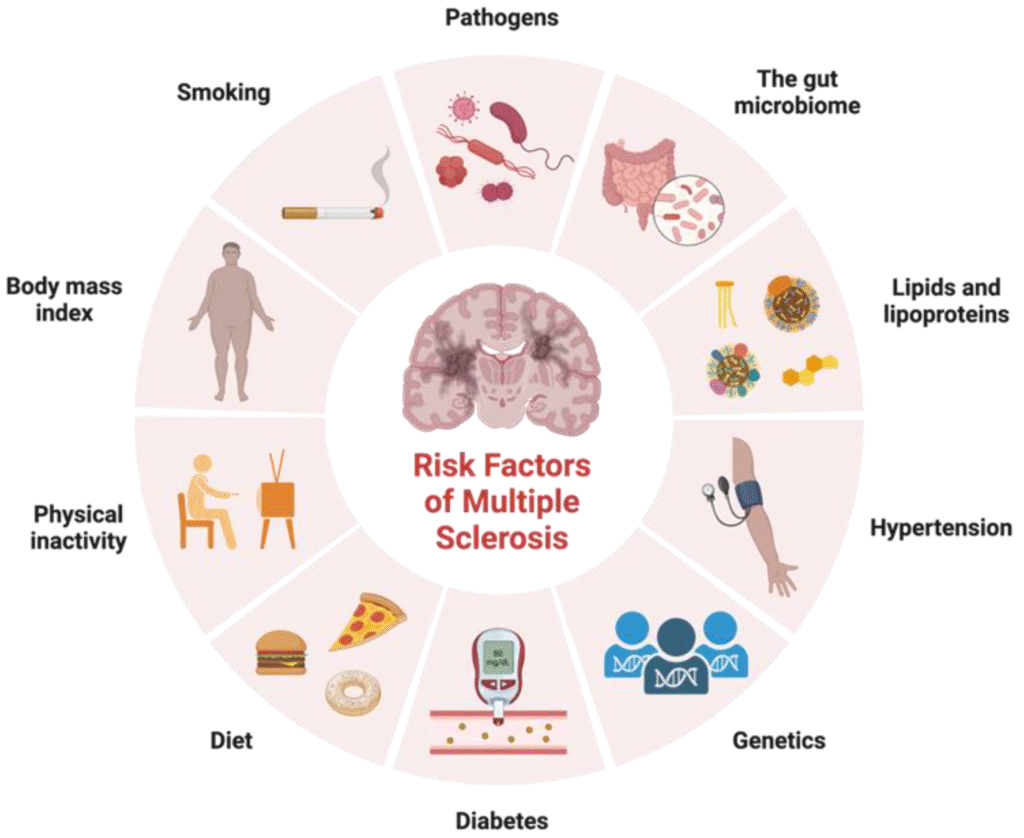
    The Financial Conduct Authority (FCA) regulates providers that offer home reversion equity release products. This regulation requires firms to assess suitability, explain risks clearly, and treat customers fairly.

    Most reputable providers also follow standards set by the Equity Release Council. These standards include:

    • The right to remain in your home for life
    • Clear disclosure of costs and implications
    • Mandatory independent legal advice
    • Protection against forced eviction

    Before completing a home reversion plan, you must take independent financial advice. Providers cannot proceed without confirming that you have received regulated advice and legal guidance.

    If you compare products, you may encounter tools like an Aviva equity release calculator or other provider calculators. These tools provide estimates only. They do not replace regulated advice.

    When researching the best equity release companies, check whether the provider:

    • Is authorised by the FCA
    • Is a member of the Equity Release Council
    • Provides clear, transparent documentation

    Regulation does not remove risk, but it ensures that providers follow strict consumer protection rules.

    How Much Equity Can I Release From My Home?

    Many homeowners ask:

    • How much equity can I release from my home?
    • How much equity release can I get?
    • Can I release equity from my house without selling all of it?

    With a home reversion plan, the amount depends on four main factors:

    1. Your age

    The older you are, the larger the percentage you may qualify to sell. Providers calculate this based on life expectancy.

    2. Your health

    Some providers offer enhanced terms if you have serious medical conditions.

    3. Your property value

    Higher-value properties typically unlock higher payouts.

    4. The percentage you choose to sell

    Most plans allow you to sell between 20% and 60%.

    Example

    If your property is worth £400,000 and you qualify to sell 50%, the market value of that share equals £200,000. However, the actual lump sum offered may fall significantly below that figure because the provider must wait to recover its share.

    Online tools, such as a home reversion plan calculator or broader equity release calculators, can provide rough estimates. Some homeowners search for tools like an Aviva equity release calculator for guidance. These tools help with ballpark figures but cannot replace formal advice.

    Unlike a lifetime mortgage, you do not calculate borrowing capacity or interest projections. Instead, you negotiate ownership percentage and upfront payout.

    If you want to understand how to take equity out of your home safely, start by clarifying your financial goal:

    • Do you need income now?
    • Do you want to fund care?
    • Do you want certainty without interest?

    Your answer determines whether a home reversion plan fits your situation.
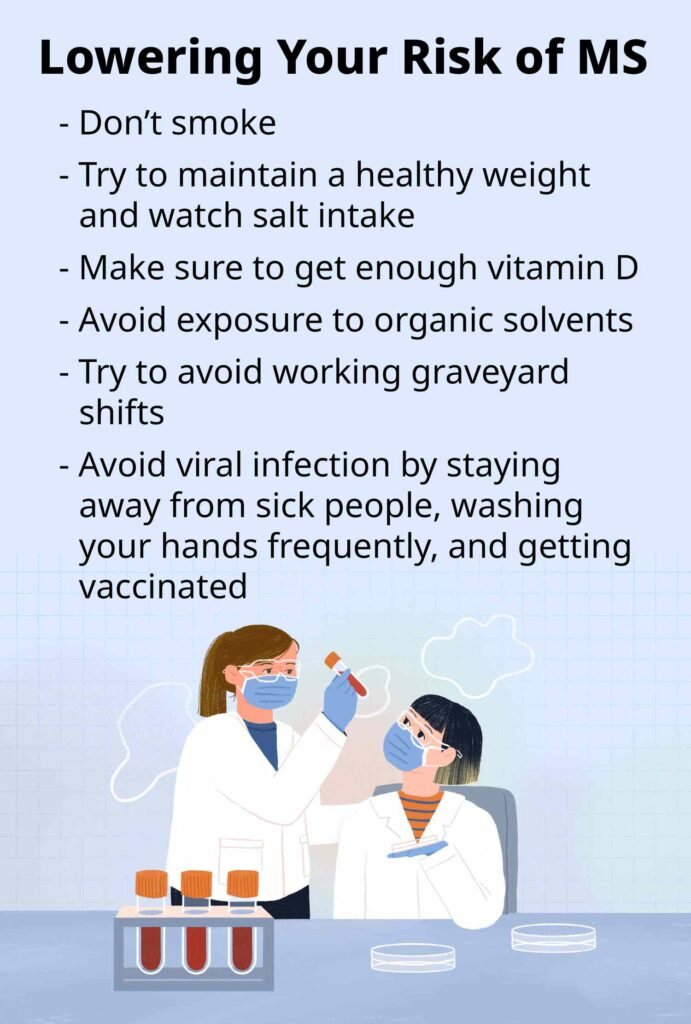
    MORE: Care Policies and Procedures: How to Implement Them Correctly in 2026

    Before You Sign a Home Reversion Plan: Key Questions to Ask

    A home reversion plan creates a permanent financial decision. Before you move forward, pause and ask yourself the right questions.
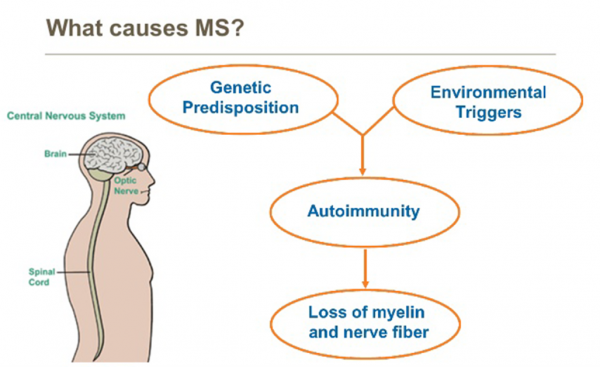
    1. Do I fully understand what I am selling?

    You are not borrowing money. You are transferring ownership of a percentage of your home. Once you sell that share, you cannot easily reverse the decision.
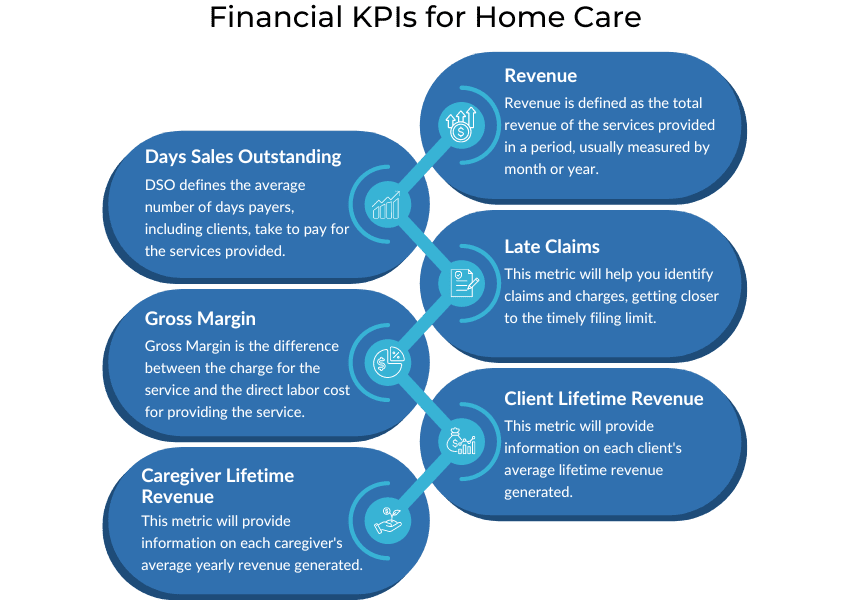
    2. Have I compared this with a lifetime mortgage?

    A lifetime mortgage keeps ownership in your name but builds interest over time. A home reversion plan fixes ownership from the start. Make sure you understand both structures clearly before choosing.

    3. How important is inheritance to me?

    Selling part of your home permanently reduces the estate you leave behind. Discuss this openly with family members if inheritance matters to you.

    4. Could this affect my benefits?

    If you receive means-tested benefits, releasing equity may reduce or remove your entitlement. Confirm the impact before proceeding.

    5. Have I taken independent financial and legal advice?

    UK regulation requires it for good reason. A qualified adviser can explain:

    • How equity release works in your specific case
    • The long-term implications
    • Whether downsizing or alternative planning might serve you better

    Final Thoughts…

    A home reversion plan offers certainty. You avoid monthly repayments, eliminate interest risk, and secure your right to stay in your home for life.

    But certainty comes at a cost. You sell part of your property below market value, and you permanently reduce your estate.

    If your priority is guaranteed housing security and immediate cash without debt, this option may work well. If you want flexibility or maximum inheritance protection, you may need to explore alternatives.

    Take your time. Compare options carefully. Seek regulated advice. And make sure the decision aligns with your long-term goals, not just your immediate financial needs.

    Considering a Home Reversion Plan or Equity Release in the UK?

    If you searched “home reversion plan,” “how much equity can I release from my home,” “home reversion plan vs lifetime mortgage,” “can I sell my house and still live in it rent-free,” or “how does equity release work when you die,” you are likely making a serious financial decision, either for yourself, a parent, or someone you support.

    Clear, accurate information matters. Poor advice, rushed decisions, and misunderstanding ownership transfers can permanently reduce inheritance, affect benefits, and limit future financial flexibility.

    Care Sync Experts supports families, caregivers, and regulated care providers across the UK with:

    • Clear interpretation of FCA and Equity Release Council standards
    • Structured financial decision frameworks for later-life planning
    • Governance guidance for care providers advising clients on funding options
    • Support navigating care funding vs property-based release decisions
    • Risk modelling for inheritance and estate planning implications
    • Policy and documentation systems for care businesses discussing equity release responsibly
    • Tender-writing and compliance support for services involved in financial care planning
    • Inspection readiness support where funding advice intersects with regulated care delivery

    Whether you are exploring how to release equity from your home, funding long-term care, or supporting vulnerable adults through complex financial decisions, we help you move from uncertainty to structured, compliant decision-making.

    Speak with Care Sync Experts today and ensure your financial planning conversations remain informed, regulated, and built to withstand scrutiny, from families, advisers, and regulators alike.

    FAQ

    What is the minimum age for home reversion?

    Most providers require applicants to be at least 60 years old, although some set the minimum age at 65. If you apply jointly, both homeowners must meet the age requirement.

    The older you are, the higher the percentage of your property you may be allowed to sell. Providers calculate this based on life expectancy and risk assumptions.

    Always confirm the minimum age with a regulated adviser, as criteria vary slightly between providers.

    What is the cheapest way to get equity out of a house?

    There is no universal “cheapest” way to release equity. The right option depends on your goals, age, income, and long-term plans.

    Common options include:
    – Remortgaging (often cheaper if you have income and qualify)
    – Home equity loan
    – Lifetime mortgage
    – Home reversion plan
    – Downsizing

    If you qualify for standard mortgage lending, remortgaging often carries lower overall costs than equity release products. However, many older homeowners no longer meet traditional lending criteria.

    In those cases, lifetime mortgages or home reversion plans may become viable alternatives.
    Cost should never be assessed purely by upfront fees. You must also consider long-term interest, ownership loss, inheritance impact, and flexibility.

    What are the disadvantages of a lifetime mortgage?

    A lifetime mortgage allows you to borrow against your home while retaining ownership, but it carries several risks:
    – Compound interest increases the total debt over time.
    – The loan plus interest reduces the value of your estate.
    – Early repayment charges can apply.
    – It may affect eligibility for means-tested benefits.
    – Property maintenance remains your responsibility.

    While lifetime mortgages offer flexibility and higher initial payouts compared to some home reversion plans, the accumulating interest can significantly reduce inheritance if the loan runs for many years.

    Can I borrow money against my house?

    Yes. You can borrow money against your home in several ways:

    – Remortgaging
    – Taking a secured home equity loan
    – Using a lifetime mortgage (if aged 55+)
    – Using other forms of equity release

    Traditional borrowing requires proof of income and affordability checks. Equity release products do not require monthly repayments in the same way, but carry long-term implications.

    Before borrowing against your house, consider:
    – Your age
    – Your income stability
    – Your inheritance plans
    – Your long-term housing intentions

    Always seek regulated financial advice before using your property as security.

  • What Are the 5 Stages of Palliative Care? 2026 Update

    What Are the 5 Stages of Palliative Care? 2026 Update

    The 5 stages of palliative care provide a practical framework that helps families and care teams support someone living with a serious or terminal condition. While the NHS does not publish an official “5 stages of palliative care NHS” model, many professionals use this five-part structure to organise care around comfort, dignity, and quality of life.

    The five stages typically include:

    1. Creating a personalised care plan
    2. Early symptom management and practical support
    3. Emotional, spiritual, and psychological support
    4. End-of-life (terminal) care
    5. Bereavement support for family and loved ones

    These stages do not follow a strict timeline. Care teams adapt them to the person’s needs, which may change quickly or gradually depending on the illness.

    Understanding this framework helps caregivers prepare for what lies ahead. It also makes difficult conversations, about comfort, treatment choices, and future planning, clearer and more manageable.

    Does Palliative Care Mean Death?

    Many families ask this quietly: Does palliative care mean death?

    No. Palliative care does not mean someone is about to die.

    Doctors introduce palliative care when a person has a serious or life-limiting illness. The goal is to improve comfort, manage symptoms, and protect quality of life, whether that person lives for months or many years.

    People often confuse end of life care vs palliative care, but they are not the same:

    • Palliative care can begin at diagnosis and run alongside treatments such as chemotherapy, dialysis, or heart medication.
    • End-of-life care usually refers to care in the final year of life, when the focus shifts fully toward comfort rather than cure.

    You may also see terms like terminal condition, terminal care, or dying pathway. Healthcare teams use these words when an illness no longer responds to treatment and life expectancy becomes limited. Even then, palliative care does not “cause” death; it supports comfort and dignity as the illness progresses.

    Some people search online for phrases like “why palliative care is bad.” This fear often comes from misunderstanding. Families sometimes worry that starting palliative care means “giving up.” In reality, early palliative care often improves symptom control, reduces hospital admissions, and gives patients more control over their decisions.

    The real question isn’t whether palliative care means death.

    The better question is: How can we make this time as comfortable, meaningful, and supported as possible?

    That is what palliative care aims to answer.

    RELATED: Who Is a Care Assistant? 2026 Salaries, Duties, Responsibilities 

    When Do the Palliative Care Stages of Dying Begin?

    Many caregivers wonder when the palliative care stages of dying actually begin.

    Palliative care can start at any point after a serious diagnosis. Doctors often introduce it when symptoms begin to affect daily life, not just in the final days or weeks. A person with cancer, advanced heart failure, COPD, dementia, or another long-term illness may receive palliative support for months or even years. The “stages” do not begin with dying itself. They begin with planning.

    However, at some point, the focus may shift toward what healthcare professionals sometimes call the dying pathway. This usually happens when doctors recognise that treatment will no longer reverse the illness and that the person may be entering the last months of life.

    Care teams look for patterns such as:

    • Increasing hospital admissions
    • Rapid physical decline
    • Reduced response to treatment
    • Severe weight loss or weakness
    • Escalating symptom burden

    When this shift occurs, the care plan adapts. Instead of aiming to extend life, the team prioritises comfort, symptom control, and dignity.

    It’s important to remember: these changes rarely happen overnight. Illness often moves in waves. Some people stabilise for long periods. Others decline gradually.

    As a caregiver, you can ask:

    • “Are we moving into end-of-life care?”
    • “What changes should I expect next?”
    • “How will we know when things are progressing?”

    Clear conversations remove uncertainty. They also allow families to prepare emotionally and practically, without panic.

    Stage 1: Creating a Personalised Care Plan

    5 stages of palliative care
    5 stages of palliative care

    Every journey through the 5 stages of palliative care begins with a clear, personalised plan.

    The care team, usually led by a GP (General Practitioner) or specialist, meets with the patient and family to understand three key things:

    1. What matters most to this person?
    2. What symptoms need immediate control?
    3. How should care adapt if the condition worsens?

    This stage gives structure to uncertainty. Instead of reacting to crises, you create a roadmap.

    What the Care Plan Covers

    A strong plan usually includes:

    • A summary of the terminal condition and expected progression
    • Current medications and symptom control strategies
    • Preferred place of care (home, hospice, hospital)
    • Emergency contacts and escalation plans
    • Clear documentation of treatment preferences

    At this point, families often ask, “Who is then responsible for decisions if my loved one can’t speak for themselves?”

    That’s where legal planning becomes essential.

    Legal and Medical Decisions

    During Stage 1, many people choose to put formal safeguards in place:

    • Lasting Power of Attorney (LPA) for health and welfare
    • Advance Decision to Refuse Treatment (ADRT)
    • A ReSPECT form, which guides emergency care decisions

    These documents protect the person’s wishes. They also reduce conflict or confusion during emotional moments.

    Why This Stage Is Important?

    Caregivers often focus on the later phases, but this stage sets everything in motion. A clear plan prevents rushed decisions later. It ensures everyone understands priorities, whether that means aggressive symptom management, staying at home, or avoiding certain hospital treatments.

    When you create the plan early, you reduce fear. You also gain confidence in the steps ahead.

    READ MORE: Is MS Hereditary or Inherited? What Causes Multiple Sclerosis (2026)

    Stage 2: Early Symptom Management and Practical Support

    Once you create the care plan, the team moves into action. Stage 2 focuses on controlling symptoms early so the person can live as fully and comfortably as possible.

    Many families ask, “How many forms of palliative care are there?” In practice, palliative care usually includes three core forms of support:

    1. Physical care – managing pain, breathlessness, fatigue, nausea, or insomnia
    2. Emotional support – addressing anxiety, fear, depression, or uncertainty
    3. Practical support – helping with daily tasks, mobility, and home adaptations

    You may hear people refer to these as the 3 forms of palliative care, even though support often overlaps.

    What Happens in This Stage?

    The GP and specialist nurses adjust medications carefully. They aim to reduce pain without causing unnecessary sedation. They monitor symptoms closely and respond quickly to changes.

    Common symptoms addressed in this phase include:

    • Persistent pain
    • Breathlessness
    • Fatigue
    • Loss of appetite
    • Sleep disruption

    If the person remains at home, district nurses or specialist palliative nurses may visit regularly. They teach caregivers how to administer medication safely and recognise warning signs early.

    Practical Changes at Home

    You may need to make adjustments to improve comfort and safety. These could include:

    • Hospital beds or pressure-relieving mattresses
    • Grab rails and ramps
    • Mobility aids
    • Oxygen therapy

    In the UK, families may qualify for financial help such as the Disabled Facilities Grant. Speak to your local council early if home adaptations become necessary.

    This Stage is Important…

    Strong symptom control during Stage 2 often prevents emergency hospital admissions. It also allows the person to stay engaged with family, routines, and meaningful activities.

    Good management here can significantly improve quality of life, even in the presence of a serious illness.

    Stage 3: Emotional, Spiritual, and Psychological Support

    Serious illness affects more than the body. It reshapes identity, relationships, and how someone sees their place in the human cycle of life. Stage 3 focuses on that deeper impact.

    At this point, caregivers often notice emotional changes before physical ones. A person may withdraw, become anxious about the future, or struggle with fear of dying. Others begin reflecting on unfinished conversations, regrets, or spiritual beliefs.

    Palliative care teams respond directly to those needs.

    What Support Looks Like

    The team may involve:

    • Counsellors or psychologists
    • Specialist palliative nurses
    • Social workers
    • Chaplains or spiritual advisors

    This support helps patients process difficult questions, such as:

    • “What happens next?”
    • “How much time do I have?”
    • “Have I lived well?”

    Caregivers also need space to speak honestly. Many carry guilt, exhaustion, or fear but rarely admit it. Stage 3 gives you permission to say what you feel, without judgment.

    Watching for Emotional Warning Signs

    Emotional distress can also show up physically. Watch for:

    • Severe anxiety
    • Sudden mood swings
    • Agitation at night
    • Expressions of hopelessness

    In some cases, patients develop terminal agitation, a state of restlessness or confusion that can appear in advanced illness. The care team can adjust medication and offer reassurance if this happens.

    Why This Stage Is Necessary

    Families sometimes underestimate this phase. They focus on medication and logistics. But emotional care often determines whether the final months feel chaotic or meaningful.

    When you address emotional and spiritual needs early, you reduce panic later. You also strengthen relationships during the time that matters most.

    ALSO SEE: Employment Rights Bill: What UK Care Workers Must Do Before 2026–2027

    Stage 4: Terminal Care and the Final Weeks

    At some point, the focus shifts fully toward terminal care. Doctors recognise that the illness no longer responds to treatment and that the person may be entering the final weeks or months of life.

    This stage often brings difficult questions, especially in cases like stage 4 cancer palliative care life expectancy or stage 4 cancer final weeks. Life expectancy varies widely. Some people decline rapidly. Others stabilise for longer than expected. Doctors avoid exact timelines because each body responds differently.

    Instead of predicting an exact number of weeks, the care team looks for patterns.

    What You May Notice in the Final Weeks

    • Increasing weakness and sleeping more
    • Reduced appetite and fluid intake
    • Less interest in conversation
    • More time spent in bed
    • Greater need for assistance with basic tasks

    Families supporting someone dying of heart failure: what to expect often see increasing breathlessness, swelling in the legs or abdomen, and extreme fatigue. Those observing signs of impending death after stroke may notice reduced consciousness, difficulty swallowing, or minimal responsiveness.

    During this phase, doctors stop focusing on cure. They concentrate on:

    • Strong pain control
    • Managing breathlessness
    • Preventing distress
    • Supporting family at the bedside

    Understanding Terminal Agitation

    Some people experience terminal agitation in the final days or weeks. They may appear restless, confused, or distressed. This can feel frightening to watch, but it often results from metabolic changes as the body shuts down.

    The palliative team can adjust medication quickly to reduce discomfort and help the person remain calm.

    The Goal of Stage 4

    This stage does not aim to prolong life at all costs. It aims to protect dignity, reduce suffering, and allow meaningful time together.

    If you feel unsure whether your loved one has entered this stage, ask directly:

    • “Are we now in end-of-life care?”
    • “What changes should I prepare for next?”

    Clear answers bring clarity during uncertainty.

    What Happens in the Last 24 Hours Before Death?

    Who Is Involved in Palliative Care
    Who Is Involved in Palliative Care

    The final stage of the 5 stages of palliative care often raises urgent, emotional questions. Families search for phrases like:

    • last 24 hours before death
    • 10 signs you’re going to die soon
    • 3 minutes before death
    • end of life not eating or drinking how long
    • how long can you survive without food or water

    Let’s approach this calmly and clearly.

    Common Signs in the Last 24–48 Hours

    As the body prepares to shut down, you may notice:

    • Long periods of sleep or unresponsiveness
    • Minimal interest in food or fluids
    • Shallow or irregular breathing
    • Cool hands and feet
    • Changes in skin colour
    • Reduced urine output
    • Periods of confusion or brief alertness

    Breathing may become uneven. You might hear a rattling sound in the chest. This happens because muscles weaken and saliva collects. It often sounds distressing, but usually does not cause suffering.

    Families sometimes ask about the exact moment, even “3 minutes before death.” In reality, death rarely follows a dramatic pattern. Breathing gradually slows. Pauses between breaths become longer. Eventually, breathing stops.

    There is usually no sudden awareness or dramatic event.

    What About Not Eating or Drinking?

    During the final phase, people naturally lose interest in food and fluids. This does not mean you are “letting them starve.” The body no longer processes nutrition in the same way.

    When families ask, “end of life not eating or drinking how long?” the answer depends on the person’s overall condition. Once someone stops drinking entirely, survival usually lasts days rather than weeks. The care team focuses on comfort, moistening the mouth, repositioning the body, and managing symptoms.

    If you wonder, “how long can you survive without food or water?”, remember: at this stage, forcing nutrition rarely improves comfort and may cause distress. The goal shifts from sustaining the body to easing its natural transition.

    When to Call the GP or Nurse

    Call the palliative team if you notice:

    • Severe restlessness or distress
    • Uncontrolled pain
    • Sudden breathing difficulty
    • You feel unsure about what is happening

    You do not have to manage this alone.

    The final hours often feel quiet, heavy, and deeply emotional. But they do not have to feel chaotic. With the right support, families can remain present, calm, and connected.

    MORE: Care Policies and Procedures: How to Implement Them Correctly in 2026

    Stage 5: Bereavement and Support After Death

    When death occurs, care does not suddenly stop. The final stage of the 5 stages of palliative care focuses on supporting the people left behind.

    Many caregivers feel an immediate shift, from constant responsibility to sudden silence. Relief, sadness, guilt, numbness, even anger can appear at the same time. All of these reactions are normal.

    What Happens Immediately After Death?

    If your loved one dies at home, the GP or out-of-hours doctor will confirm the death. The nurse may guide you through what happens next, including contacting the funeral director.

    Hospice or hospital staff usually support families directly and explain each step clearly.

    Take your time. There is no need to rush decisions in the first hours.

    Emotional Impact on Caregivers

    Caregivers often struggle more than they expect. You may feel:

    • Exhaustion after weeks or months of vigilance
    • Loss of identity after intense caregiving
    • Anxiety once routine disappears

    Many hospices and palliative teams offer bereavement services for months after death. This may include:

    • Grief counselling
    • Support groups
    • One-to-one conversations
    • Practical guidance on paperwork and next steps

    If grief begins to feel overwhelming, especially if sleep, appetite, or daily functioning collapse, speak to your GP. Support exists, and asking for help does not weaken you.

    Moving Forward

    Palliative care recognises that illness affects entire families, not just one person. That is why this final stage matters. Healing does not happen overnight. But support, understanding, and space to process the experience help families rebuild gradually.

    You cared. You showed up. You stayed present. That matters.

    When Should You Call the GP or Palliative Care Team?

    What is End-of-Life Care

    During the later palliative care stages of dying, changes can happen quickly. As a caregiver, you do not need to guess whether something is “serious enough.” If you feel unsure, call.

    You should contact the GP, district nurse, or specialist palliative team if you notice:

    • Pain that current medication does not control
    • Severe breathlessness or sudden changes in breathing
    • Repeated vomiting or inability to swallow medication
    • Intense restlessness or distress (including terminal agitation)
    • Sudden confusion or collapse
    • You feel frightened or overwhelmed by what you’re seeing

    In the final phase, sometimes described in healthcare as the dying pathway, the body follows a natural shutdown process. Even so, good palliative care never ignores suffering. The team can adjust medication, provide anticipatory drugs, and guide you through what to expect next.

    If death feels close, for example, breathing becomes irregular, long pauses occur between breaths, or the person becomes unresponsive, contact the nurse if you need reassurance. You are not wasting anyone’s time.

    Clear communication prevents panic. It also ensures your loved one remains comfortable.

    You are part of the care team. Your observations matter. If something feels different, say so.

    Final Thoughts…

    The 5 stages of palliative care do not represent a countdown. They represent structure during uncertainty.

    Serious illness changes routines, roles, and relationships. It forces families to make decisions they never expected to face. But when you understand how care advances, from planning, to symptom control, to emotional support, to terminal care, and finally to bereavement, you regain clarity.

    Palliative care does not mean giving up. It means choosing comfort, dignity, and thoughtful preparation.

    When families understand what happens in the final weeks, the last 24 hours before death, or during end-of-life changes like reduced eating and drinking, fear becomes knowledge. And knowledge brings steadiness.

    You do not control the timeline of illness. But you can control how prepared you feel.

    Supporting Safe, Structured Palliative Care in the UK?

    If you searched “5 stages of palliative care,” “does palliative care mean death,” “end of life care vs palliative care,” or “stage 4 cancer palliative care life expectancy,” you are likely supporting someone through serious illness, or managing a care service responsible for delivering safe end-of-life support.

    Clear, accurate information matters. Unstructured care planning, unclear documentation, and inconsistent symptom management increase distress for families and risk for providers.

    Care Sync Experts supports families, caregivers, and care providers across the UK with:

    • Clear interpretation of CQC, RQIA, and CIW expectations for end-of-life care
    • Governance frameworks for domiciliary care and supported living services
    • Structured care planning systems aligned with NICE and NHS standards
    • Policy development for palliative and terminal care documentation
    • Medication governance guidance for symptom management
    • Workforce competency systems for end-of-life care delivery
    • Tender-writing support for services providing palliative or hospice-level care
    • Inspection readiness audits for services supporting terminal conditions

    Whether you are caring for a loved one, strengthening your care workforce, or managing a regulated service, we help you move from uncertainty to structured, evidence-based systems.

    Get in touch with Care Sync Experts today and ensure your palliative care delivery is compliant, confident, and built to withstand inspection and commissioning scrutiny.

    FAQ

    What Are the 4 Pillars of Palliative Care?

    Healthcare professionals often describe palliative care using four foundational pillars:
    Symptom control – managing pain, breathlessness, nausea, fatigue, and other physical symptoms
    Psychological support – addressing anxiety, depression, fear, and emotional distress
    Social support – helping with family dynamics, practical needs, and community resources
    Spiritual care – supporting meaning, beliefs, values, and existential concerns

    These pillars work together. Good palliative care does not treat symptoms in isolation; it supports the whole person and their family.

    What Are the Three Main Goals of Palliative Care?

    Although frameworks vary, most professionals agree that palliative care has three primary goals:
    Relieve suffering – control pain and distressing symptom
    Improve quality of life – preserve comfort, dignity, and independence where possible
    Support informed decision-making – help patients and families understand options and plan ahead

    These goals apply whether someone lives with a chronic illness for years or enters the final phase of life.

    What Are the Four Essential Drugs in Palliative Care?

    In end-of-life situations, clinicians often keep four key medications available to manage common symptoms quickly. While specific drugs vary by patient and setting, they usually address:
    Pain (typically opioids such as morphine)
    Breathlessness (often managed with low-dose opioids or other respiratory support)
    Anxiety or agitation (such as midazolam for severe distress)
    Nausea or secretions (medications like antiemetics or anticholinergics)

    Doctors prescribe these carefully and adjust them based on individual needs. Families should never administer medication without clear clinical instruction.

    What Is the 80/20 Rule in Hospice?

    The “80/20 rule” in hospice refers to funding and eligibility guidelines in some healthcare systems, not to medical treatment decisions.

    In simple terms, hospice care is typically offered when clinicians believe there is a high likelihood (often described as around 80%) that a person may be in the final months of life if the illness follows its expected course.

    It does not mean doctors can predict death with 80% certainty. Prognosis remains complex and individual.

    Hospice teams regularly reassess patients. If someone stabilises or improves, care plans adjust accordingly.

  • Who Is a Care Assistant? 2026 Salaries, Duties, Responsibilities 

    Who Is a Care Assistant? 2026 Salaries, Duties, Responsibilities 

    A care assistant supports people who need help with daily living due to age, illness, disability, or mobility challenges. In the UK, care assistants work in private homes, care homes, and some NHS settings, helping individuals live safely, comfortably, and with dignity.

    Core care assistant duties include personal care, medication support, mobility assistance, and emotional companionship. Unlike purely clinical roles, a care assistant focuses on practical, hands-on support that enables independence and improves quality of life.

    In simple terms, a care assistant helps someone manage everyday life when they cannot do it alone, whether that means assisting with washing and dressing, preparing meals, or checking that medication routines stay on track.

    A Day in the Life of a Care Assistant

    How Much Do I Need to Start a Care Agency in the UK | Care Sync Experts

    A typical day as a care assistant starts early. You may arrive at a client’s home at 7:30am to help them get ready for the day. You support them with washing, dressing, and personal hygiene. You prepare breakfast, prompt medication, and make sure they feel comfortable before you leave for the next visit.

    Later in the day, you might assist another client with mobility exercises, help them move safely using approved moving and handling techniques, or provide companionship to reduce isolation. In a care home or healthcare assistant setting, you may support multiple residents during a shift, documenting care provided and reporting any changes in condition.

    Care assistants do not just complete tasks; they build trust. They notice small changes in appetite, mood, or mobility and report concerns promptly. Their presence often makes the difference between someone merely surviving and truly living with dignity.

    RELATED: Employment Rights Bill: What UK Care Workers Must Do Before 2026–2027

    Care Assistant Duties and Responsibilities in the UK

    The care assistant duties and responsibilities in the UK vary slightly depending on the setting, but they typically include:

    1. Personal Care

    Care assistants help clients with bathing, showering, dressing, grooming, and toileting. They respect privacy and promote independence wherever possible.

    2. Medication Support

    Depending on training and employer policy, a care assistant may prompt, assist with, or in some cases administer medication. This differs from some healthcare assistant or clinical roles, where medication administration may fall under stricter supervision.

    3. Mobility and Moving & Handling

    Care assistants support clients in transferring safely from bed to chair, repositioning to prevent pressure sores, and using mobility aids correctly.

    4. Monitoring Health Changes

    While a healthcare assistant in a hospital may check vital signs more routinely, care assistants in home care services observe and report changes in condition, such as appetite loss, confusion, or reduced mobility.

    5. Daily Living Support

    They prepare meals, assist with light household tasks, manage laundry, and help with shopping.

    6. Companionship and Emotional Support

    Many clients receiving senior care at home value conversation and companionship as much as physical assistance. A care assistant often becomes a trusted presence in a client’s life.

    In short, the role blends practical care, observation, and human connection.

    Where Care Assistants Work in the UK

    Who Is a Care Assistant? 2026

    A care assistant can work in several environments across the UK, and each setting shapes the daily routine and level of responsibility.

    Home Care Services (Domiciliary Care)

    Many care assistants work in home care services, supporting individuals in their own homes. In this setting, you may act as a home caregiver for elderly clients who want to remain independent for as long as possible.

    You travel between visits, often supporting multiple clients per day. You work one-to-one, which allows you to build strong relationships. This environment requires time management, confidence, and the ability to work independently without immediate supervision.

    Home-based roles focus heavily on:

    • Personal care
    • Medication prompting
    • Meal preparation
    • Companionship
    • Mobility assistance

    This is where most people think of the traditional care worker role.

    Care Homes and Residential Facilities

    In a care home, a care assistant supports several residents during a shift. You work as part of a team, often alongside senior carers, nurses, and sometimes a nursing assistant or auxiliary nurse.

    The pace can feel faster than domiciliary care, but you benefit from immediate team support. Documentation and coordination become more structured, and supervision is closer.

    NHS Hospitals and Nursing Settings

    Some care assistants work in NHS environments, often under the title healthcare assistant (sometimes written as health care assistant). You may see this shortened to HCA, and many people search online for the “hca meaning” when exploring this role.

    In NHS and nursing settings, responsibilities can include:

    • Supporting patients with hygiene
    • Assisting with feeding
    • Monitoring basic observations under supervision
    • Supporting nurses during procedures

    This differs from roles such as an emergency care assistant or ambulance care assistant, which involve pre-hospital or emergency transport environments.

    Although related, these are distinct career paths.

    READ MORE: Is MS Hereditary or Inherited? What Causes Multiple Sclerosis (2026)

    Care Assistant vs Healthcare Assistant vs Care Worker

    Many people use these titles interchangeably, but they do not always mean the same thing. Understanding the difference helps you choose the right career path, and helps employers recruit correctly.

    Here is a clear comparison:

    RoleWhere They WorkFocusClinical Involvement
    Care AssistantCare homes, home care servicesPersonal care, daily living support, companionshipLimited clinical tasks
    Care WorkerUsually domiciliary careSimilar to care assistant (often interchangeable term)Limited clinical tasks
    Healthcare Assistant (HCA)NHS hospitals, clinics, nursing settingsSupports nurses with patient careMore clinical exposure under supervision
    Nursing Assistant / Auxiliary NurseHospital or specialist unitsAssists qualified nursesStructured clinical support
    Emergency Care Assistant / Ambulance Care AssistantAmbulance servicesPatient transport and emergency supportPre-hospital environment

    What Is the Difference in Practice?

    A care assistant usually works in social care, helping individuals live independently at home or in residential settings. A healthcare assistant works more closely within medical environments, often alongside nurses in hospitals.

    If you have seen the term “CNA meaning” online, note that CNA (Certified Nursing Assistant) is commonly used in the United States. In the UK, the closest equivalent would be a healthcare assistant or nursing assistant, depending on the setting.

    In many job adverts, employers use care worker and care assistant interchangeably, especially in domiciliary care. However, once you move into NHS environments, the title healthcare assistant becomes more common.

    Choosing between these roles depends on:

    • Whether you prefer home-based or hospital work
    • Your comfort with clinical environments
    • Your long-term career plans (for example, progressing into nursing)

    Understanding these distinctions helps you align your training, qualifications, and job applications correctly.

    Care Assistant UK Salary and Pay (2026 Guide)

    If you’re considering this career, you naturally want to understand care assistant UK salary levels and how pay varies across settings.

    How Much Does a Care Assistant Earn in the UK?

    In 2026, most entry-level care assistant UK pay starts close to the National Living Wage. However, actual earnings depend on:

    • Location (London and the South East typically pay more)
    • Employer type (private provider vs NHS)
    • Experience level
    • Shift patterns (nights and weekends often include enhancements)

    On average:

    • Entry-level care assistants earn a competitive hourly rate aligned with UK minimum wage legislation.
    • Experienced carers or those with specialist training earn higher hourly rates.
    • Senior care assistants earn more than entry-level staff.

    NHS Pay Bands

    If you work as a healthcare assistant in the NHS, your salary typically follows NHS pay bands. Most healthcare assistants fall under Band 2 or Band 3, depending on responsibilities and experience.

    This differs from private sector domiciliary care, where pay structures depend on the provider.

    Visa and Occupation Classification (6131 Job Code)

    For international applicants, care assistants fall under the UK Standard Occupational Classification 6131 job code, which relates to care workers and home carers. This classification matters when applying under the Skilled Worker or Health and Care Worker routes.

    While salary should not be the only factor in choosing this career, understanding pay structures helps you set realistic expectations and plan progression into higher-paying roles.

    SEE ALSO: How to Choose Home Care Agencies in the UK (2026)

    Care Assistant UK Qualifications and Eligibility

    How to Become a Care Assistant

    You do not need a university degree to become a care assistant in the UK, but employers expect you to meet certain standards before you begin working with vulnerable people.

    Care Assistant UK Qualifications

    Most entry-level roles do not require formal qualifications at the start. However, employers strongly prefer candidates who:

    • Hold (or are willing to complete) a Level 2 or Level 3 Diploma in Adult Care
    • Complete mandatory training such as safeguarding, moving and handling, infection control, and medication awareness
    • Pass a Disclosure and Barring Service (DBS) check

    Many providers support new staff through structured induction programmes aligned with the Care Certificate. Over time, you may progress into more advanced qualifications in health and social care.

    When people search for care assistant UK qualifications, they often want reassurance that the role is accessible. The truth is simple: employers value attitude, reliability, and compassion just as much as certificates.

    Care Assistant UK Eligibility

    To meet care assistant UK eligibility requirements, you must:

    • Have the legal right to work in the UK
    • Pass background checks (DBS)
    • Demonstrate basic English communication skills
    • Show physical capability to assist with mobility tasks

    Some employers also look for previous experience in social care, volunteering, or working as a home caregiver for elderly individuals.

    UK Care Assistant Jobs with Visa Sponsorship

    International applicants often search for UK Care Assistant jobs with visa sponsorship. In many cases, care assistant roles qualify under the Health and Care Worker visa, provided the employer holds a sponsorship licence and meets minimum salary requirements.

    The role usually falls under the 6131 job code (care workers and home carers). Applicants must:

    • Secure a confirmed job offer from a licensed sponsor
    • Meet English language requirements
    • Earn at or above the required salary threshold

    Some people specifically search for NHS Care Assistant jobs with visa sponsorship UK, but sponsorship depends on the employer and current immigration rules. Not every provider offers sponsorship, so candidates should verify this directly with the recruiting organisation.

    Visa regulations can change, so applicants should always check official government guidance before applying.

    MORE: First Person vs Third Person Care Plan: CQC and the Mental Capacity Act Expectation in 2026

    Career Progression: Where Can a Care Assistant Go Next?

    Many people start as a care assistant and build long-term careers in health and social care. The role opens multiple progression paths, depending on your interests and training.

    1. Senior Care Assistant

    With experience, you can move into a senior role. A senior care assistant often:

    • Oversees junior staff
    • Supports care planning
    • Handles more complex client needs
    • Acts as a shift leader in care homes

    This step usually comes with higher care assistant UK pay and more responsibility.

    2. Healthcare Assistant in the NHS

    Some care assistants transition into healthcare assistant roles within NHS and nursing settings. In this environment, you gain closer exposure to clinical care and work alongside qualified nurses.

    If you want to move into hospital work, this path offers valuable experience and structured pay progression.

    3. Nursing Associate or NHS Nurse

    With further training, you can progress toward becoming a nursing associate or even an NHS nurse. Many registered nurses began their careers as care assistants or healthcare assistants.

    This route requires formal study, but your frontline experience gives you a strong foundation.

    4. Specialist Roles

    You may also explore specialist positions such as:

    • Dementia care specialist
    • Palliative care support worker
    • Rehabilitation assistant
    • Emergency care assistant (with additional training)

    Each path builds on your practical experience and compassion.

    A role as a care assistant does not trap you in one position. It gives you real-world experience, confidence in supporting vulnerable people, and a gateway into broader opportunities across health and social care.

    Is a Career as a Care Assistant Right for You?

    A career as a care assistant suits people who take pride in helping others live with dignity. You will not sit behind a desk. You will move, listen, lift, document, reassure, and adapt, sometimes all within the same hour.

    You should consider this role if you:

    • Feel comfortable supporting people with personal care
    • Stay calm under pressure
    • Communicate clearly and confidently
    • Notice small changes in someone’s health or behaviour
    • Value human connection over routine office work

    The work can challenge you physically and emotionally. Some days will test your patience. However, you will also see direct impact. When a client smiles because you helped them feel clean, safe, or less lonely, you understand why this role matters.

    If you want stable employment, opportunities to progress into healthcare assistant roles or nursing, and the chance to make a daily difference, becoming a care assistant offers a meaningful starting point.

    Conclusion

    A care assistant does far more than complete daily tasks. You support independence, protect dignity, and become a steady presence in someone’s life. Whether you work in home care services, a residential setting, or alongside NHS and nursing teams as a healthcare assistant, your role directly shapes quality of life.

    The profession demands empathy, resilience, and accountability. It also offers meaningful career progression, stable employment, and the chance to build a long-term pathway in health and social care.

    If you feel drawn to practical support work, value human connection, and want a role that makes visible impact every single day, becoming a care assistant in the UK could be the right step forward.

    Supporting Care Assistant Standards and Workforce Development?

    If you searched “care assistant duties,” “care assistant UK qualifications,” or “UK Care Assistant jobs with visa sponsorship,” you are likely either exploring this career path or managing a service that depends on competent, well-trained care staff.

    Clear, accurate information matters. Poor training, unclear role boundaries, or weak onboarding processes increase risk, reduce inspection confidence, and weaken tender performance.

    Care Sync Experts supports families, caregivers, and care providers across the UK with:

    • Clear interpretation of CQC, RQIA, and CIW workforce expectations
    • Education sessions for domiciliary care and supported living teams
    • Structured induction frameworks aligned with the Care Certificate
    • Competency sign-off systems for medication support and moving & handling
    • Governance guidance for safe delegation between care assistants and healthcare assistants
    • Workforce planning strategies that strengthen tender submissions
    • Policy development for home care services and residential settings
    • Documentation systems that improve compliance and inspection readiness

    Whether you are applying for care assistant roles, recruiting staff, or managing a domiciliary care agency, we help you move from uncertainty to structured, evidence-based workforce systems.

    Get in touch with Care Sync Experts today and ensure your care delivery model is compliant, confident, and built to withstand inspection and commissioning scrutiny.

    FAQ

    How to Get a Care Assistant Job in the UK?

    To get a care assistant job in the UK, follow these practical steps:

    Prepare a simple, clear CV
    Highlight any experience in care, volunteering, customer service, or supporting vulnerable people. Employers value reliability and attitude as much as qualifications.
    Apply directly to care providers
    Search local care homes, home care services, and NHS job portals. Many roles advertise year-round due to ongoing demand.
    Register with care recruitment agencies
    Agencies often place candidates quickly in both residential and domiciliary care roles.
    Prepare for interviews
    Employers usually assess:
    – Communication skills
    – Safeguarding awareness
    – Basic understanding of care assistant duties
    – Reliability and availability

    Complete required checks
    You must pass a DBS check and provide references before starting.

    If you aim to work in the NHS as a healthcare assistant, apply through the official NHS Jobs website and review the job description carefully.

    How to Become a Carer in the UK With No Experience?

    You can become a care assistant in the UK with no formal experience. Many providers recruit entry-level staff and provide training.
    To increase your chances:
    – Show empathy and patience during interviews
    – Demonstrate good communication skills
    – Complete short online courses in safeguarding or basic care awareness
    – Volunteer in community or support settings if possible

    Most employers enrol new staff onto the Care Certificate during induction. You learn essential topics such as infection control, moving and handling, and medication awareness while working.

    The key requirement is not prior experience; it is attitude, reliability, and willingness to learn.

    Can a Care Assistant Become a Nurse in the UK?

    Yes. Many registered nurses in the UK began their careers as care assistants or healthcare assistants.

    Common progression routes include:
    – Moving into a healthcare assistant role in the NHS
    – Training as a nursing associate
    – Completing a university nursing degree
    – Applying for NHS nurse positions after qualification

    Working as a care assistant gives you frontline experience with patients, documentation, and teamwork. This experience strengthens university applications and improves your understanding of clinical environments.

    If long-term nursing is your goal, starting as a care assistant offers practical exposure before committing to formal study.

    Can I Migrate to the UK as a Caregiver?

    Yes, you can migrate to the UK as a caregiver if you meet immigration requirements.
    Care assistants and care workers fall under the UK occupation code 6131 (care workers and home carers). Many roles qualify under the Health and Care Worker visa, provided:

    – You receive a confirmed job offer from a licensed UK sponsor
    – The employer meets minimum salary thresholds
    – You meet English language requirements
    – You pass required background checks

    Some employers advertise UK Care Assistant jobs with visa sponsorship, but sponsorship availability depends on the provider.

    If you are applying from outside the UK (for example, from Nigeria), you must secure sponsorship before travelling. Always check official UK government immigration guidance to confirm current rules, as visa requirements can change.

  • Is MS Hereditary or Inherited? What Causes Multiple Sclerosis (2026)

    Is MS Hereditary or Inherited? What Causes Multiple Sclerosis (2026)

    Is MS hereditary? No, multiple sclerosis (MS) is not directly inherited in the way conditions like cystic fibrosis are. There is no single “MS gene,” and doctors do not classify MS as a strictly hereditary disease. However, MS does have a genetic component, which means family history can slightly increase a person’s risk.

    More than 200 gene variations may influence susceptibility, especially genes linked to the immune system. But genes alone do not cause MS. Environmental factors such as Epstein-Barr virus infection, low vitamin D levels, smoking, and obesity appear to interact with genetic risk to trigger the disease.

    So while MS can run in families, it is not a guaranteed inherited disease. Most people diagnosed with MS have no family history of the condition.

    Can MS Be Passed From Parent to Child?

    CQC Compliance Quiz: How Well Do You ACTUALLY Understand It?

    Many families ask, can MS be passed from parent to child? The answer is reassuring: the risk remains low.

    If one parent has MS, a child has roughly a 1.5% to 2.5% chance of developing it. That means more than 97 out of 100 children of a parent with MS will not develop the condition. MS does not follow a predictable inheritance pattern, and doctors do not consider it a directly inherited disease.

    Is MS Hereditary From Mother?

    Some caregivers worry specifically, is MS hereditary from mother? Research shows that the risk does not significantly differ whether the parent with MS is the mother or the father. What matters is the shared genetic background, not which parent carries the condition.

    Is MS Hereditary From Grandmother?

    The risk becomes even smaller across generations. If a grandparent has MS, the increased risk to grandchildren is very slight. MS does not “skip generations” in a classic genetic sense. It reflects inherited susceptibility combined with environmental exposure, not a guaranteed transmission line.

    What About Siblings and Twins?

    If a brother or sister has MS, the lifetime risk rises slightly to around 2–3%. Identical twins share the same genetic material, yet if one twin has MS, the other develops it only about 20–30% of the time. This strongly supports the idea that genes increase vulnerability, but they do not act alone.

    For caregivers and families, the key message is this: having MS in the family increases risk modestly, but it does not mean children or relatives will develop the disease.

    READ MORE: Employment Rights Bill: What UK Care Workers Must Do Before 2026–2027

    What Causes Multiple Sclerosis?

    If MS is not directly inherited, then what causes MS? Researchers believe multiple sclerosis develops when genetic susceptibility interacts with environmental triggers. No single cause explains every case.

    MS begins when the immune system mistakenly attacks myelin, the protective covering around nerve fibres in the brain and spinal cord. This damage disrupts communication between the brain and the body. Scientists still study why this immune misfire happens, but several risk factors consistently appear in research.

    Genetic Susceptibility

    Certain gene variations, particularly those involved in immune regulation, increase the likelihood of developing MS. These genes do not guarantee the disease. Instead, they make the immune system more likely to react abnormally under certain conditions.

    This helps explain why MS sometimes appears in families but does not follow a clear inheritance pattern.

    Environmental Triggers

    Environmental exposure plays a crucial role in triggering MS in genetically susceptible individuals. The strongest factors include:

    • Epstein-Barr virus (EBV): Nearly all people with MS show prior EBV infection. Researchers consider EBV a major risk factor, though it does not cause MS on its own.
    • Low vitamin D levels: MS occurs more frequently in regions further from the equator, including the UK. Reduced sunlight exposure may influence immune regulation.
    • Smoking: Smoking increases the risk of developing MS and can worsen disease progression.
    • Childhood or adolescent obesity: Higher body fat levels may increase inflammation and immune dysregulation.

    What Causes Multiple Sclerosis in Females?

    MS affects women about two to three times more often than men. Researchers believe hormones, particularly estrogen and progesterone, influence immune system behaviour. Female immune systems generally mount stronger immune responses, which may increase susceptibility to autoimmune conditions like MS.

    However, scientists have not identified a single explanation. Genetics, hormones, and environmental exposures likely work together.

    For caregivers, the most important takeaway is this: MS develops from a complex interaction between genes and environment, not from one single inherited cause.

    SEE ALSO: How a Domiciliary Care Agency Can Prepare (2026)

    How Is MS Diagnosed?

    Families often ask about MS diagnosis and whether a single MS test can confirm the condition. Doctors do not rely on one standalone test. Instead, they combine clinical evaluation with imaging and laboratory findings to confirm multiple sclerosis.

    There Is No Single “MS Test”

    You cannot confirm MS with a routine blood test. Doctors must show that damage has occurred in different parts of the central nervous system at different times. This principle is called “dissemination in space and time.”

    MRI Scans

    An MRI scan plays a central role in muscular sclerosis testing, although the correct term is multiple sclerosis testing, not muscular sclerosis. MRI images can reveal lesions or scars in the brain and spinal cord that indicate immune-related damage to myelin.

    Lumbar Puncture (Spinal Tap)

    Doctors may perform a lumbar puncture to examine cerebrospinal fluid. The presence of certain immune proteins, called oligoclonal bands, can support an MS diagnosis.

    Additional Tests

    Neurologists may also use:

    • Evoked potential tests to measure nerve signal speed
    • Blood tests to rule out other neurological conditions

    Why Early Diagnosis is Important

    Early diagnosis allows treatment to begin sooner. Disease-modifying therapies can reduce relapse frequency and slow progression, especially in relapsing forms of MS.

    For UK families, the MS NHS pathway typically begins with a GP referral to a neurologist. If you notice persistent neurological symptoms, seek medical advice promptly rather than relying on online tools or self-assessment.

    Types of MS Explained

    Risk Factors of Multiple Sclerosis
    Risk Factors of Multiple Sclerosis

    Understanding the types of MS helps caregivers anticipate how the condition may progress. Doctors classify MS based on how symptoms appear and change over time.

    Relapsing-Remitting MS (RRMS)

    This is the most common form. People experience clearly defined attacks (relapses) followed by periods of partial or complete recovery (remission). During remission, symptoms may improve significantly or disappear.

    Secondary Progressive MS (SPMS)

    Many people who start with relapsing-remitting MS later develop secondary progressive MS, sometimes shortened in searches as “MS and second.” In this stage, disability gradually worsens over time, even without clear relapses.

    Primary Progressive MS (PPMS)

    In this type, symptoms steadily worsen from the beginning without distinct relapses or remissions. It affects men and women more equally than relapsing forms.

    Clinically Isolated Syndrome (CIS)

    CIS describes a first neurological episode that resembles MS but does not yet meet full diagnostic criteria. Some people with CIS later develop MS, while others do not.

    Each type behaves differently. Early identification allows neurologists to choose the most appropriate treatment strategy and monitoring plan.

    LEARN MORE: Zero Hour Agreement in UK Care: How to Stay Compliant (2026)

    Is MS Fatal?

    Many families ask directly, is MS fatal? In most cases, the answer is no.

    Multiple sclerosis rarely causes death on its own. Most people with MS live close to a normal life expectancy. However, severe disability over time can increase the risk of complications such as infections, swallowing difficulties, or reduced mobility, which may indirectly affect long-term health.

    Modern treatments have significantly improved outcomes. Disease-modifying therapies reduce relapse frequency and may slow progression, especially when doctors start treatment early. Better symptom management, rehabilitation, and specialist care have also improved quality of life.

    It is important to understand that MS varies widely. Some people experience mild symptoms for decades. Others develop progressive disability. Doctors cannot predict the exact course at diagnosis.

    For caregivers, the key takeaway is this: MS is a chronic neurological condition, but it is not usually fatal. Early diagnosis, specialist care, and lifestyle management make a meaningful difference.

    Early Symptoms of MS in Women and Men

    Recognising early warning signs helps families seek timely medical advice. Symptoms vary, but they often appear suddenly and may improve before returning.

    Early Symptoms of MS in Women

    Women develop MS more often than men, and early symptoms can include:

    • Persistent fatigue that does not improve with rest
    • Numbness or tingling in the face, arms, or legs
    • Vision problems, such as blurred or double vision
    • Weakness in one side of the body
    • Balance or coordination difficulties

    Some women notice that symptoms worsen around hormonal changes, including pregnancy or their MS period cycle. Fluctuating hormones may temporarily intensify fatigue or sensory symptoms.

    Men With MS Symptoms

    Men with MS symptoms often experience:

    • Progressive stiffness or muscle weakness
    • Walking difficulties
    • Vision disturbances
    • Bladder dysfunction

    Men may present more frequently with progressive forms of MS, although this varies between individuals.

    What Is the “MS Hug”?

    The MS hug describes a tight, squeezing sensation around the chest or abdomen. Muscle spasms in the rib area cause this symptom. It can feel alarming but does not usually signal heart problems. However, anyone experiencing chest pain for the first time should seek urgent medical advice to rule out other causes.

    Symptoms often appear in episodes and then partially improve. If neurological symptoms last longer than 24 hours without explanation, consult a GP for referral.

    Early recognition supports faster MS diagnosis and earlier treatment intervention.

    ALSO: How to Choose Home Care Agencies in the UK (2026)

    Is There an MS Risk Calculator?

    Is MS Hereditary? Limiting Your Risk of MS
    Is MS Hereditary? Limiting Your Risk of MS

    People often search for an MS risk calculator to estimate their personal chances of developing multiple sclerosis. At present, no clinically validated public calculator can accurately predict who will develop MS.

    Doctors assess risk based on known factors, including:

    • Family history
    • Prior Epstein-Barr virus infection
    • Smoking history
    • Vitamin D levels
    • Obesity during childhood or adolescence
    • Biological sex

    Even when several risk factors are present, MS remains uncommon. For example, having a parent with MS increases lifetime risk only slightly, and most children of parents with MS never develop the condition.

    Genetic testing does not provide definitive answers. Researchers have identified over 200 gene variants associated with susceptibility, but no single gene confirms or rules out MS. For this reason, doctors do not use genetic screening as a routine MS test.

    If you worry about your risk, speak with a healthcare professional rather than relying on online tools. A clinician can evaluate your history, explain realistic risk levels, and recommend monitoring only if necessary.

    The most important message remains consistent: MS develops from a combination of factors, not from one predictable inherited pathway.

    Does MS Affect Periods or Hormones?

    Many women ask whether MS interacts with hormones or affects the menstrual cycle. While MS does not directly cause irregular periods, hormonal changes can influence how symptoms feel at certain times of the month.

    Some women report that fatigue, weakness, or sensory symptoms temporarily worsen just before or during their MS period. Fluctuations in estrogen and progesterone may affect immune activity, which can intensify symptoms without causing new disease activity.

    Pregnancy often reduces relapse rates, especially in the second and third trimesters, likely due to hormonal and immune system shifts. However, relapse risk may increase in the months after delivery.

    MS itself does not cause infertility, and most women with MS can conceive and carry a pregnancy safely with proper medical guidance. Neurologists may adjust medications before conception to ensure safety.

    If symptoms consistently worsen around menstruation, discuss this pattern with a specialist. Doctors can suggest symptom management strategies and review treatment plans if necessary.

    Hormones influence symptom expression, but they do not change the underlying genetic risk of developing MS.

    READ: New Rules for Care Home Payments in 2026

    What This Means for Families and Caregivers

    What Causes MS – Multiple Sclerosis

    If you searched “is MS hereditary”, you likely worry about someone you love. The evidence should offer reassurance.

    MS is not directly passed from parent to child. It does not follow a predictable inheritance pattern. While family history slightly increases risk, the overall likelihood remains low. Most people diagnosed with MS have no close relatives with the condition.

    Understanding this helps caregivers focus on what truly matters:

    • Recognise early neurological symptoms.
    • Encourage prompt medical evaluation.
    • Support healthy lifestyle choices such as avoiding smoking and maintaining adequate vitamin D levels.
    • Stay informed through trusted sources such as the MS NHS guidance and specialist clinics.

    MS develops from a complex interaction between genes and environment, not from a single inherited defect. You cannot “test away” the uncertainty, and no MS risk calculator can give a guaranteed answer. But you can respond early, seek expert advice, and support informed care decisions.

    For families, the key takeaway remains clear:

    MS has a genetic component, but it is not a straightforward hereditary disease. Risk increases slightly within families, yet it does not determine destiny.

    Final Thoughts…

    When families ask, “Is MS hereditary?”, they are rarely asking out of curiosity. They are asking out of concern, for their children, their siblings, or themselves.

    The science gives a balanced answer. MS has a genetic component, but it is not a straightforward inherited disease. Family history slightly increases risk, yet most people with a parent or sibling who has MS will never develop it. Identical twins do not even share certainty. Genes influence vulnerability, they do not write fate.

    What truly shapes MS risk is complexity. Immune system genetics, viral exposure, vitamin D levels, smoking, hormonal influences, and environmental factors all interact in ways researchers still study. That complexity explains why MS cannot be predicted by a simple test, a single gene, or an online calculator.

    For caregivers and families, this perspective matters. Instead of focusing on fear of inheritance, focus on awareness. Recognise early neurological symptoms. Encourage medical evaluation when something feels persistently wrong. Support healthy lifestyle habits that reduce modifiable risks. Stay informed through credible medical sources.

    MS remains a serious neurological condition, but it is not a guaranteed legacy passed through generations. Risk increases slightly within families, yet it does not determine the future.

    Understanding that difference empowers families to replace anxiety with informed action.

    Concerned About MS Risk in Someone or Persons You Care For?

    If you searched “is MS hereditary”, you are likely thinking about someone you care for, or your own long-term health.

    Clear, accurate information matters. Misunderstanding risk can cause unnecessary fear, while missing early symptoms can delay diagnosis and treatment.

    Care Sync Experts supports families, caregivers, and care providers across the UK with:

    • Clear interpretation of NHS and specialist MS guidance
    • Education sessions for domiciliary care and supported living teams
    • Early-symptom awareness training for frontline staff
    • Care planning frameworks for clients living with MS
    • Risk communication support for families worried about hereditary conditions
    • Governance guidance aligned with neurological care best practice
    • Policy development for managing progressive neurological conditions in care settings
    • Referral pathway mapping to ensure timely GP and neurology access

    Whether you support someone newly diagnosed, manage a domiciliary care agency, or oversee supported living services, we help you move from uncertainty to informed action.

    Get in touch with Care Sync Experts today and ensure your care systems are prepared, proactive, and grounded in evidence, not fear.

    FAQ

    What Does MS (Multiple Sclerosis) Mean?

    Multiple sclerosis (MS) is a chronic autoimmune condition that affects the central nervous system, the brain and spinal cord. In MS, the immune system attacks myelin, the protective coating around nerve fibres. This damage disrupts communication between the brain and the body, which leads to neurological symptoms.

    Can Stress Trigger MS Symptoms?

    Stress does not cause MS, but it can worsen symptoms. Many people with MS notice that high stress levels increase fatigue, muscle tension, or sensory disturbances. Ongoing stress may also contribute to relapse risk in some individuals. Managing stress through sleep, exercise, and psychological support can help stabilise symptoms.

    Is There a Blood Test for MS?

    There is no single blood test that confirms MS. Doctors use blood tests mainly to rule out other conditions that can mimic MS, such as vitamin deficiencies or infections. Diagnosis relies on MRI scans, neurological examination, and sometimes a lumbar puncture, not on one simple blood result.

    When Do MS Symptoms Start?

    MS symptoms most commonly begin between ages 20 and 40. However, doctors sometimes diagnose it earlier or later in life. Early symptoms may appear suddenly and include vision changes, numbness, weakness, or unexplained fatigue. Because symptoms vary widely, a neurologist must evaluate persistent or recurring neurological changes.