NHS hearing aids are digital hearing devices provided free of charge through the National Health Service to people diagnosed with hearing loss. The NHS supplies these devices on a long-term loan and includes free fitting, batteries, repairs, and follow-up appointments as part of the service.
To get NHS hearing aids, you usually need a referral for an NHS hearing test through your GP or a local audiology clinic.
Many people assume hearing aids UK services only support older adults, but the NHS provides hearing aids to anyone whose hearing test shows they need them. After your referral, an audiologist will assess your hearing, discuss suitable devices, and fit the hearing aid if it will help your hearing loss.
NHS services usually provide modern digital devices designed to make speech clearer and everyday sounds easier to hear. While the exact models vary by area, the service focuses on reliable hearing support with ongoing care rather than selling devices like many private hearing aids providers.

What Hearing Aids Does the NHS Provide?
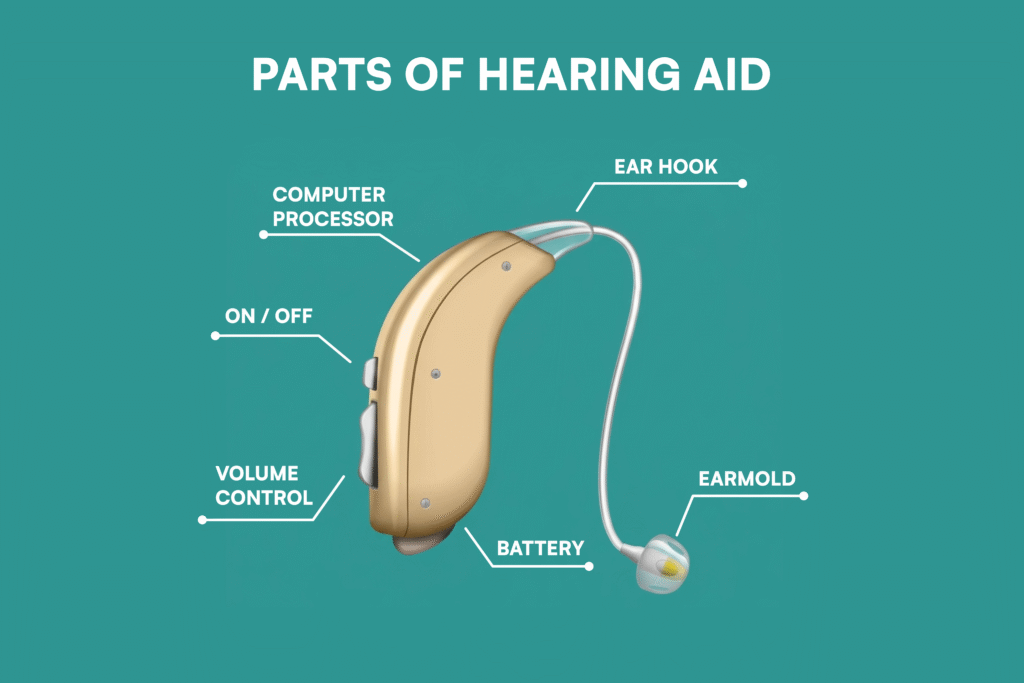
Most NHS hearing aids come as modern behind-the-ear (BTE) digital devices. These models sit behind the ear and connect to the ear canal through a thin tube or a custom ear mould. Audiologists choose them because they are reliable, easy to adjust, and suitable for many types of hearing loss.
The NHS does not publish a single public NHS hearing aid catalogue, but most audiology services provide a range of high-quality digital devices from major manufacturers. Many newer models also support features such as background noise reduction and, in some areas, Bluetooth hearing aids NHS UK users can connect to smartphones or televisions.
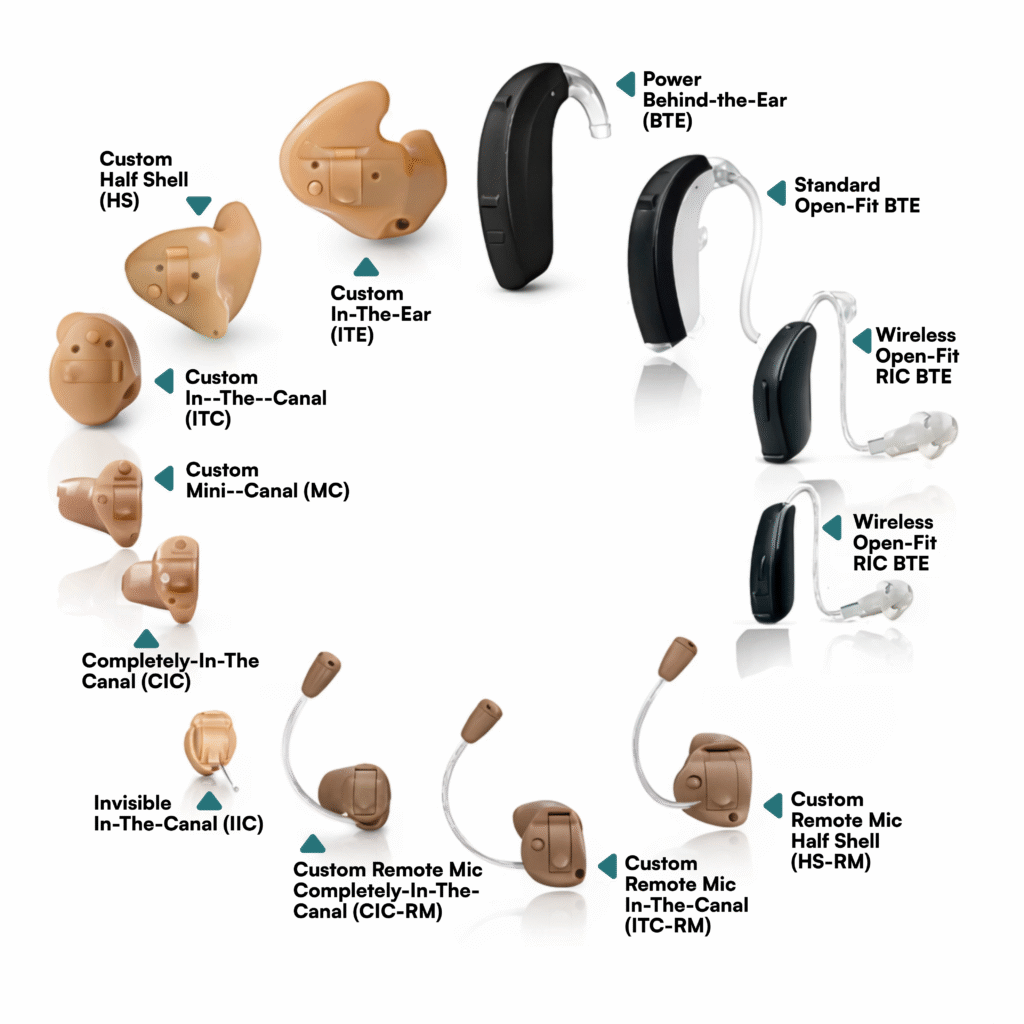
Unlike many private hearing aids, NHS devices focus on durability and long-term support rather than cosmetic design. Smaller options like in ear hearing aids are usually limited within NHS services, as they are not suitable for all levels of hearing loss.
Your audiologist will recommend the most appropriate device based on your hearing test results and daily listening needs.
RELATED: Children’s DLA Rates: Who Qualifies, and What to Claim in 2026
How to Get NHS Hearing Aids (Step-by-Step)
Getting NHS hearing aids usually starts with a hearing check through your GP or a local audiology service. The process is straightforward, and most people receive support through an NHS hearing test before an audiologist recommends treatment.
Step 1: Book a GP appointment or self-refer
If you notice hearing problems, speak to your GP. In many areas, you can also contact a local audiology clinic directly to arrange a hearing assessment.
Step 2: Take an NHS hearing test
An audiologist performs a full hearing assessment to measure how well you hear different sounds and speech levels.
Step 3: Discuss suitable hearing aids
If the test shows hearing loss, the audiologist will recommend appropriate NHS hearing aids and explain how they work.
Step 4: Hearing aid fitting
The specialist programs the device to match your hearing levels and shows you how to use and care for it.
Step 5: Follow-up care
The NHS provides ongoing support, including adjustments, repairs, and batteries as part of the hearing aid service.
Are Hearing Aids Free for Over 60s?
Many people ask, “Are hearing aids free for over 60s?” In the UK, the answer is simple: NHS hearing aids are free for anyone who qualifies after a hearing assessment, not just older adults. The NHS provides hearing aids based on medical need, so people of any age can receive them if an NHS hearing test shows significant hearing loss.
This means you do not need to be over 60 to get help. Children, working adults, and older people can all receive NHS hearing aids if a specialist confirms that hearing aids will improve their hearing.
The main difference appears when people consider private hearing aids instead. Private providers often offer a wider range of styles and features, but they charge for devices and aftercare. In the UK, hearing aid prices in private clinics can range from around £500 to more than £3,500 per device depending on the technology.
For many people, the NHS remains the most accessible way to get reliable hearing aids UK services without paying high hearing aids cost upfront.
READ MORE: Equality Act Protected Characteristics: 2026 Importance for Care Work
NHS Hearing Aids vs Private Hearing Aids
Both NHS hearing aids and private hearing aids can improve hearing loss, but they differ in cost, choice, and waiting times.
The NHS provides hearing aids free of charge, including fitting, batteries, repairs, and follow-up care. Most NHS services supply durable digital devices designed to work well in everyday situations such as conversations, television listening, and phone calls.
Private providers, on the other hand, usually offer a wider selection of devices. This can include smaller styles such as in ear hearing aids, advanced noise reduction technology, and premium features. However, these options come at a cost. In the UK, hearing aid prices from private clinics often range from £500 to more than £3,500 per device depending on the model and aftercare package.
Another difference is waiting time. Some people choose private hearing aids because they want faster appointments or a broader choice of device styles. NHS services sometimes have waiting lists depending on local demand.
For many people in the hearing aids UK system, NHS hearing aids provide reliable technology and ongoing support without the financial pressure of private treatment.
Can You Get Free Hearing Aids From Specsavers or Boots?
Some people wonder, “Can I get a free hearing aid from Specsavers?” In certain parts of the UK, the answer is yes, but only through the NHS service.
Many branches offering Specsavers hearing aids or Boots hearing aids work with local NHS services to provide hearing tests and hearing aid fittings in community clinics instead of hospitals. If your area participates in this scheme, your GP may refer you to a participating store for an NHS hearing test and assessment.
When this happens, the devices you receive are still NHS hearing aids, not privately purchased ones. The NHS covers the cost of the hearing aids, fitting, batteries, and repairs.
However, if you visit a private service directly, the hearing test and devices may not be free. For example, the Specsavers hearing test cost can vary depending on the service and whether the appointment forms part of an NHS-funded program.
Local eligibility rules can differ, so your GP or audiology service can explain whether NHS hearing services are available through hearing aids Specsavers or hearing aids Boots providers in your area.
SEE ALSO: UK Cost of Living Payment Eligibility (2026): What Caregivers and Families Need to Know
Common NHS Hearing Aid Problems (And How to Solve Them)
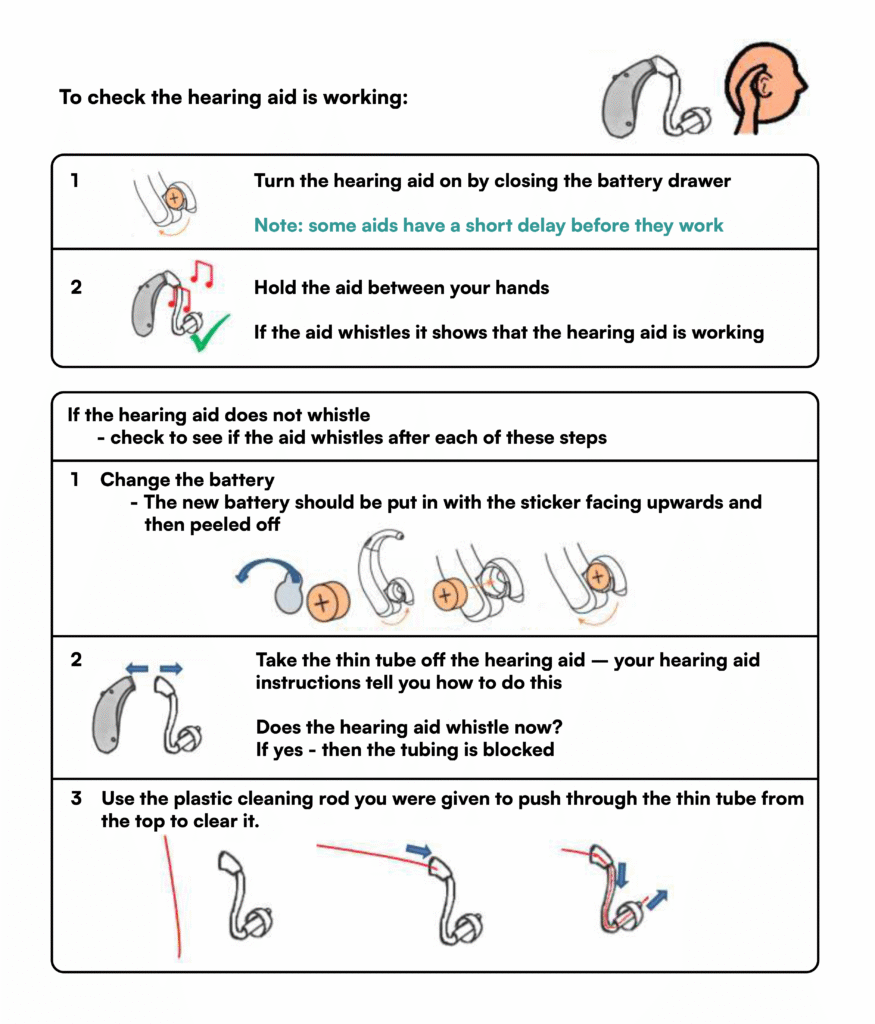
While NHS hearing aids work well for many people, some users experience common issues when they first start wearing them. Understanding these NHS hearing aid problems can help you adjust faster and get the most from your device.
Waiting times are one of the most frequent concerns. In some areas, you may wait several weeks for an NHS hearing test or fitting appointment because demand for hearing services is high.
Another issue involves device style choices. NHS services mainly provide behind-the-ear models, so people looking for smaller in ear hearing aids may prefer private hearing aids, which offer a wider range of designs.
Some users also need time to adapt to new sounds. Hearing aids amplify sounds that your brain may not have processed for a long time, so conversations and background noise can feel unusual at first.
If problems occur, contact your audiology clinic. NHS services provide follow-up appointments, adjustments, and repairs to help ensure your NHS hearing aids work comfortably and effectively.
Other Hearing Devices the NHS May Recommend
In some cases, standard NHS hearing aids may not provide enough benefit. When this happens, audiologists may recommend other specialised hearing solutions depending on the type of hearing loss.
One option is a bone anchored hearing aid, often called a BAHA hearing aid. Instead of sending sound through the ear canal, this device transfers sound vibrations through the skull bone directly to the inner ear. Doctors usually recommend it for people with conductive hearing loss or single-sided deafness.
For people with severe hearing loss who cannot benefit from traditional hearing aids, specialists may also consider cochlear implants. These devices stimulate the hearing nerve directly through a small implanted system.
The NHS may also suggest additional listening devices to help in daily situations. These can include TV amplifiers, hearing loops, or personal sound amplifiers that make conversations easier in noisy environments.
An audiologist will recommend the most suitable solution based on your hearing test results and everyday listening needs.
MORE: PIP Contact Number: Number for PIP Payment and Enquiries (2026)
Should You Get NHS Hearing Aids?
For many people in the UK, NHS hearing aids offer a reliable and affordable way to manage hearing loss. The service provides modern digital devices, professional fitting, and long-term support without the high hearing aids cost often associated with private treatment.
If you notice difficulty hearing conversations, television, or phone calls, booking an NHS hearing test is the best first step. An audiologist can assess your hearing and explain whether hearing aids will help improve your daily communication.
While private hearing aids may offer a wider choice of styles and faster appointments, NHS hearing aids remain a trusted option for most people who need hearing support in the hearing aids UK system.
Need Expert Guidance on CQC Compliance and Care Provider Support?
Care Sync Experts supports care providers, managers, and healthcare organisations across the UK with clear, practical guidance on CQC compliance, regulatory requirements, and operational best practices.
From helping organisations understand CQC registration requirements and improving inspection readiness to strengthening governance, policies, and quality standards across care services, our specialists help providers build organisations that are both regulator-ready and operationally strong.
Whether you need support with CQC registration, tender writing for care contracts, policy development, or ongoing compliance preparation, our team provides structured, professional guidance that aligns with modern UK health and social care regulations.
Strengthen your compliance, improve inspection outcomes, and build a resilient care service.
Contact Care Sync Experts today and move forward with confidence in your regulatory and operational journey.
FAQ
How long will I have to wait for an NHS hearing aid?
Waiting times for NHS hearing aids vary depending on where you live and how busy local audiology services are. In many areas, people receive an NHS hearing test within a few weeks, followed by a hearing aid fitting shortly after the assessment if it is recommended.
However, some regions may have longer waiting lists, especially where demand for hearing services is high. In those cases, the process from referral to fitting can take several weeks or a few months. Your GP or audiology clinic can usually give an estimated timeline based on local services.
What brand are NHS hearing aids?
The NHS does not supply hearing aids from a single brand. Instead, audiology departments select devices from several established manufacturers that meet NHS quality standards.
These may include hearing aids produced by global manufacturers such as Phonak, Oticon, Widex, Signia, or Starkey, although the exact brand can vary depending on the NHS service provider and the technology available in your region. The focus of the NHS service is not the brand itself, but providing reliable digital devices that suit your hearing needs.
What is the lifespan of an NHS hearing aid?
Most NHS hearing aids typically last around four to five years with normal use. The exact lifespan depends on how often you wear the device, how well you maintain it, and how quickly your hearing needs change.
Because NHS hearing aids remain NHS property and are issued on loan, your audiology service will usually review the device during follow-up appointments and replace it when necessary due to wear, technological updates, or changes in your hearing levels.
How much are NHS hearing aids if you lose them?
In most cases, NHS hearing aids are free, including repairs and routine servicing. However, if you lose the device or damage it through negligence, your local NHS hearing service may charge a replacement fee.
The cost varies depending on the NHS provider and local policy. Some services replace lost hearing aids free of charge once, while others charge a small administrative fee. Your audiology clinic can explain the specific replacement policy when you receive your hearing aids.
Leave a Reply