Cold Weather Payments are £25 government grants that the UK’s Department for Work and Pensions (DWP) pays to eligible low-income households during periods of severe cold weather. The DWP triggers these payments automatically when temperatures in your area drop to 0°C or below for seven consecutive days between 1 November and 31 March.
You do not need to apply. If you qualify through benefits such as Pension Credit or Universal Credit, the DWP sends the cold weather payments directly to your bank account, making it a key DWP extra payment for low-income households during winter.
Key Takeaways
- Cold weather payments are £25 for each 7-day period of freezing temperatures between November and March.
- The DWP triggers payments automatically based on local weather conditions and postcodes, not individual applications.
- Most eligible people receive payment within 14 working days of a cold weather period.
- You usually qualify if you receive benefits like Pension Credit, Universal Credit, ESA, or Income Support.
- You can check if your area qualifies using the official Cold Weather Payment postcode checker or other tools linked to cold weather payments postcodes.
- Scotland does not use this system. Instead, residents receive a fixed winter heating payment Scotland provides each year.

When Do Cold Weather Payments Get Triggered?
The DWP triggers cold weather payments when the average temperature in your area drops to 0°C or below for seven consecutive days. The system uses both recorded data and forecasts, so you can still receive a payment if a prolonged cold spell is predicted.
The trigger depends on your postcode, not national weather conditions. This means one area can receive a payment while another does not, even within the same region. The DWP links each postcode to a local weather station to track conditions accurately.
For example, if a sub-zero cold snap in Sussex or a wider December freeze UK forecast pushes temperatures below freezing for a full week, the DWP will activate payments for eligible households in those affected postcodes.
This postcode-based system ensures that cold weather payments respond directly to real local weather conditions, helping households manage heating costs during periods of severe cold weather.
RELATED: Does Cold Weather Make You Sick? The Complete 2026 Guide
How Much Is the Payment and When Will You Be Paid?
The DWP pays £25 for each 7-day period of freezing weather. If multiple cold spells occur, you can receive more than one payment within the same winter.
The DWP usually sends cold weather payments within 14 working days after the cold period ends. You will receive the money in the same bank account as your benefits.
Many people search for “Cold Weather Payment when will it be paid”—the key thing to know is that payment timing depends on when the cold spell finishes, not when it starts.
Payments typically begin during key winter periods such as November 2025, when temperatures first drop, and can continue into late winter, including DWP cold weather payments in March, if cold conditions persist.
If your area experiences repeated freezing conditions, the DWP may issue multiple payments across the season as part of its winter support for low-income households.
Who Qualifies for Cold Weather Payments?
The DWP pays cold weather payments to people receiving specific low-income or disability-related benefits. You must meet both the benefit requirement and the weather condition trigger in your postcode.
Benefits That Qualify
You usually qualify if you receive:
- Pension Credit
- Income Support
- Income-based Jobseeker’s Allowance (JSA)
- Income-related Employment and Support Allowance (ESA)
- Universal Credit
- Support for Mortgage Interest (SMI)
These benefits form the basis of most DWP extra payments for low-income households during winter.
Additional Conditions
In many cases, you must also meet at least one of the following:
- You have a child under 5 living with you
- You receive a disability premium
- You care for someone with a disability
- You have limited capability for work
These conditions help the DWP prioritise households most vulnerable to cold weather.
Universal Credit Rules (Important)
If you receive Universal Credit, you typically qualify when:
- You are not working or not considered “gainfully self-employed”
- Your claim includes a health condition or disability element
- You have a young child or disabled child
This is especially relevant during periods like DWP Universal Credit November 2025 payments, when many households rely on additional winter support.
Disability and Additional Support
Households receiving disability-related benefits may also qualify for additional support, such as the winter fuel allowance for disabled individuals, depending on their circumstances.
In short, if you receive qualifying benefits and your area experiences prolonged freezing temperatures, the DWP will automatically issue cold weather payments.
READ MORE: What Is the Retirement Age in the UK? (2026 Guide for Care Workers & Providers)
How to Check If Your Postcode Qualifies
The DWP uses a postcode-based system to decide who receives cold weather payments. Each postcode links to a local weather station, which tracks whether temperatures fall to 0°C or below for seven consecutive days.
You can check your eligibility using the official Cold Weather Payment postcode checker on GOV.UK. Simply enter your postcode to see if your area has triggered a payment.
Here’s how to check:
- Go to the official checker tool
- Enter your postcode
- View whether a payment has been triggered in your area
Many people search for tools like:
- DWP cold weather payment postcodes
- cold weather payments postcodes
- 25 cold weather payment postcode checker
These all refer to the same system that confirms whether your location qualifies.
Important: even if you meet the benefit criteria, you will only receive cold weather payments if your postcode area records or forecasts a qualifying cold period.
This ensures the support reaches households actually affected by severe cold weather.
What to Do If You Didn’t Receive a Payment
The DWP sends cold weather payments automatically, but you should act if you believe you qualify and do not receive payment within 14 working days after a cold period ends.
Here’s what you should do:
- Check your postcode first
Use the Cold Weather Payment postcode checker to confirm that your area triggered a payment.
- Confirm your eligibility
Make sure you receive a qualifying benefit and meet the required conditions.
- Contact the right service
- If you receive Pension Credit → contact the Pension Service
- If you receive Income Support, ESA, or JSA → contact Jobcentre Plus
- If you receive Universal Credit → add a note to your online journal
- Act quickly
The sooner you report the issue, the faster the DWP can investigate missing cold weather payments.
If your payment is missing, it usually means:
- Your postcode did not trigger a payment
- Your eligibility changed
- Or there was a delay in processing
Taking these steps ensures you do not miss out on a DWP extra payment for low-income households during periods of severe cold weather.
SEE ALSO: What Disabilities Qualify for Council Tax Reduction? 2026
Cold Weather Payments in Northern Ireland and Scotland
Cold weather payments apply across England, Wales, and Northern Ireland, but the system works differently in Scotland.
Northern Ireland (Same System)
If you live in Northern Ireland, you receive cold weather payments under the same rules as England and Wales.
- The DWP uses postcode-based weather data
- Payments trigger when temperatures fall below 0°C for 7 days
- Eligible households receive £25 automatically
This means cold weather payments Northern Ireland 2026 follow the same structure, timing, and eligibility criteria as the rest of the UK (excluding Scotland).
Scotland (Different System)
Scotland does not use cold weather payments.
Instead, the government provides a fixed annual payment called the Winter Heating Payment.
- You receive a flat-rate payment (e.g. £59.75)
- The payment does not depend on weather conditions
- It supports eligible households regardless of how cold the season gets
You may see this referred to as:
- cold weather payment Scotland (not applicable system)
- winter heating payment Scotland
- Scottish winter heating payments
The key difference:
- England, Wales, Northern Ireland → weather-triggered payments
- Scotland → guaranteed yearly support
This approach ensures households in Scotland receive consistent help without relying on fluctuating cold weather patterns.
Cold Weather Payments vs Other Winter Support
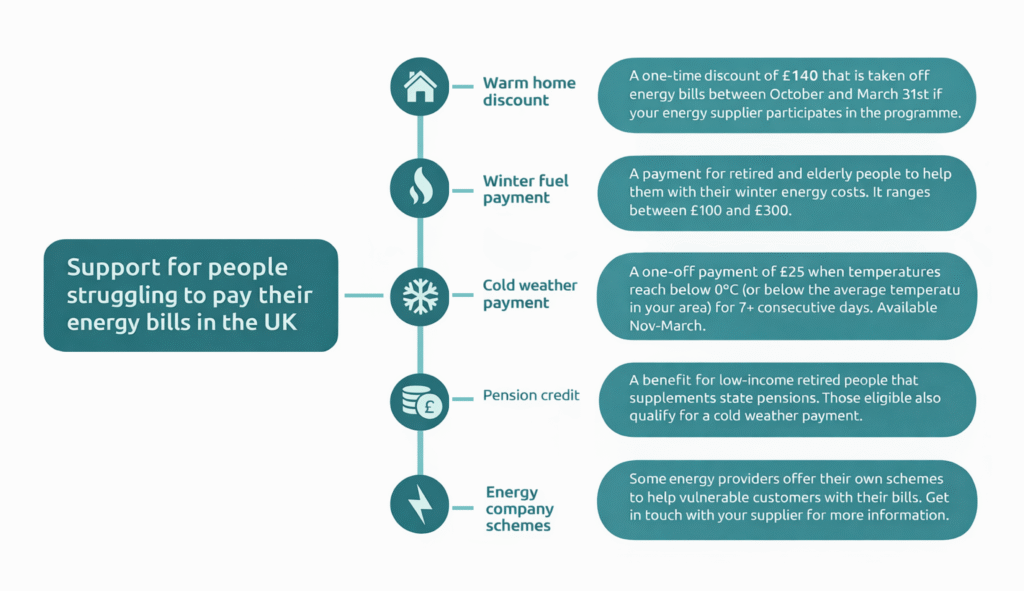
Cold weather payments are only one part of the UK’s winter support system. The DWP also provides other payments that help households manage rising energy costs.
Cold Weather Payments
- £25 for each 7-day period of freezing weather
- Triggered by postcode-based temperature drops
- Paid automatically during periods of severe cold weather
Winter Fuel Payment
- A one-off payment of £100–£300
- Paid to older people, including those receiving the winter fuel allowance for disabled individuals
- Not linked to temperature or cold weather conditions
You receive this payment every winter if you qualify, regardless of how mild or severe the weather is.
Warm Home Discount
- A £150 discount on electricity bills
- Applied directly to your energy account
- Available to eligible low-income households and pensioners
Key Difference
- Cold weather payments respond to real-time freezing conditions
- Winter Fuel Payment provides guaranteed seasonal support
- Warm Home Discount reduces energy bills directly
Many households receive more than one type of support, especially during extreme weather periods or high-cost winters.
Understanding these differences helps you maximise the full range of DWP winter support payments available.
MORE: Bereavement Support Payment (BSP) in the UK: Who Qualifies, How Much You Get, and How to Apply
How Cold Weather Payments Help Caregivers (Examples)
Sarah works as a caregiver supporting an elderly client with limited mobility during a harsh winter. When a December freeze UK forecast turns into a prolonged cold spell, temperatures in her client’s postcode drop below freezing for over a week.
Because her client receives Pension Credit, the DWP automatically triggers a cold weather payment. Within days, the £25 payment arrives in the client’s account.
Sarah uses this support to:
- Keep heating on for longer periods
- Maintain a safe indoor temperature
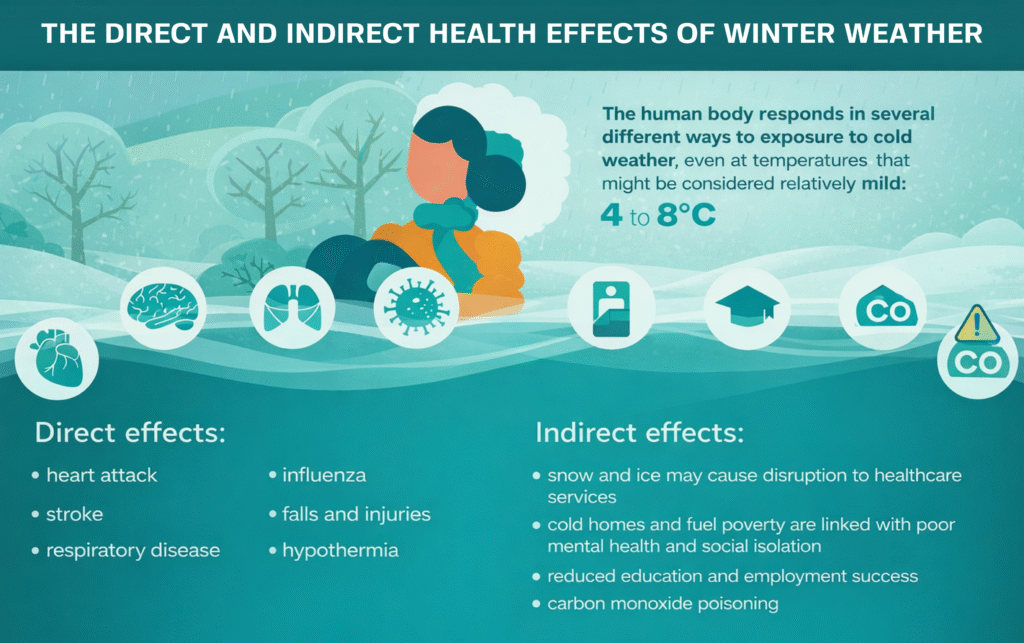
- Reduce the risk of cold-related health issues
For caregivers, cold weather payments provide more than financial relief—they support safe care delivery during extreme cold weather.
In situations like a sub-zero cold snap, vulnerable individuals rely heavily on consistent heating. These payments help caregivers maintain comfort, prevent illness, and reduce pressure during winter months.
In real terms, cold weather payments ensure that both caregivers and those they support can manage rising energy costs during severe cold weather without compromising care.
Conclusion
Cold weather payments do more than provide £25 during freezing conditions; they give vulnerable households the confidence to stay warm, safe, and supported when temperatures drop. For caregivers, this support plays a critical role in maintaining consistent, high-quality care during winter, especially when energy costs rise and health risks increase.
Understanding how cold weather payments work, when they trigger, who qualifies, and how they interact with other forms of support, helps you make better decisions for yourself or those in your care. Whether you are supporting an elderly person, managing a care service, or navigating benefits for your household, being informed ensures you never miss out on essential winter support.
Need Expert Support Navigating Winter Support, Care Compliance, and Funding Opportunities?
Care Sync Experts supports care providers, families, and healthcare organisations across the UK with clear, practical guidance on accessing government support, understanding benefit entitlements, and maintaining compliance in complex care environments.
From helping caregivers understand how cold weather payments and other DWP support schemes work, to guiding organisations on compliance, funding opportunities, and operational best practices, our specialists simplify complex systems into clear, actionable steps.
Whether you need support navigating winter payments, improving care delivery during cold weather, or aligning your organisation with UK care standards, our team delivers tailored guidance built for real-world care settings.
Support those in your care with confidence while ensuring your organisation stays informed, compliant, and prepared throughout the winter season.
Contact Care Sync Experts today to receive expert guidance on winter support schemes, care compliance, and practical strategies for safer, more effective care delivery.
FAQ
Has DWP triggered Cold Weather Payments for thousands of UK households?
Yes. The DWP regularly triggers cold weather payments during prolonged freezing periods across the UK. In recent winters, the DWP issued over 1.4 million household cold weather payments, showing how widely the scheme supports low-income and vulnerable households during severe cold weather.
Who qualifies for winter heating payment in Scotland?
In Scotland, you qualify for the Winter Heating Payment if you receive certain low-income benefits, such as:
– Pension Credit
– Universal Credit (with specific conditions)
– Income Support or ESA
Unlike cold weather payments, Scotland provides this as a flat annual payment, regardless of temperature. This ensures consistent support throughout winter.
Do people on Universal Credit get heating allowance?
Yes, people on Universal Credit can receive winter support, including cold weather payments, if they meet certain conditions.
You usually qualify if:
– You have a health condition or disability, or
– You have a child under 5, or
– Your claim includes a disabled child element
You may also qualify for other support like the Warm Home Discount, depending on your circumstances.
How do I know if I am entitled to the fuel allowance?
You may be entitled to the Winter Fuel Payment (fuel allowance) if you:
– Are above State Pension age
– Live in the UK during the qualifying week
– Meet residency and benefit conditions
This payment is separate from cold weather payments and does not depend on temperature. Most eligible people receive it automatically, but you can check your eligibility through GOV.UK or by contacting the relevant benefit office.`
Leave a Reply