A past dismissal does not automatically stop you from becoming a CQC registered manager in 2026.
CQC does not look for a perfect career history. It looks for honesty, competence, and current fitness to manage regulated activity safely. Many successful registered manager CQC applicants have faced dismissals earlier in their careers and still gained approval.
The real risk does not sit with the word dismissal. It sits with inconsistency. Problems arise when your CQC registered manager application form says one thing, your references say another, and your interview answers tell a different story. That is when CQC questions credibility and trust.
CQC assesses three core areas:
Good character, including honesty and reliability
Competence and experience relevant to the regulated activity
Current fitness to manage, not past perfection
If you disclose accurately, explain clearly, and evidence growth, a dismissal alone rarely blocks registration. Concealment, vague explanations, or conflicting accounts create far greater risk than the dismissal itself.
CQC Registered Manager Requirements: What CQC Actually Assesses
To understand how a dismissal fits into your application, you need to know what the Care Quality Commission actually assesses when reviewing a CQC registered manager.
CQC bases its decision on current fitness, not a flawless past. Inspectors focus on whether you can safely and effectively manage regulated activity today. That assessment sits within Regulation 7 of the Health and Social Care Act 2008 (Regulated Activities) Regulations 2014.
In practice, CQC looks for evidence that you meet these CQC registered manager requirements:
Good character
This covers honesty, trustworthiness, reliability, and professional integrity. CQC expects transparency. It does not require a perfect employment record.
Relevant competence and experience
You must show you have the skills, knowledge, and experience to manage the specific service type, such as domiciliary care, supported living, or residential services.
Understanding of care law and regulation
Inspectors expect you to understand how to meet CQC’s fundamental standards and legal duties in day-to-day management.
Physical and mental fitness for the role
You must demonstrate you can perform the role safely, with reasonable adjustments where appropriate.
Complete and accurate documentation
This includes a full employment history from age 16, explanations for gaps over four weeks, suitable references, and a CQC-countersigned Enhanced DBS check.
These CQC requirements for registered manager roles apply to all registered managers CQC assesses, regardless of career background. A dismissal becomes relevant only if it raises concerns about honesty, safeguarding, or current capability.
Is a Dismissal a Dealbreaker for a Registered Manager CQC Application?
A dismissal does not automatically disqualify you from a registered manager CQC application. What matters is why it happened, how recent it was, and how you address it now.
CQC applies a risk-based judgement, not a tick-box refusal. In practice, dismissals fall into three broad categories.
When a Dismissal Becomes Close to a Hard Stop
A dismissal creates a near-absolute barrier only when it results in legal restrictions on working in regulated activity.
This includes:
Placement on the DBS Adults’ or Children’s Barred List
Court-ordered restrictions preventing work with vulnerable people
If you appear on a barred list, CQC cannot approve you. This position is non-negotiable and sits outside discretion.
High-Scrutiny Scenarios
These situations do not automatically block registration, but CQC will examine them closely:
A recent dismissal, especially within the last 12–24 months
Safeguarding-related allegations, even without barring
Repeated patterns of similar conduct or capability issues
Inconsistent explanations between your form, references, and interview
Dismissal from a previous registered manager role, which CQC can access
In these cases, you must evidence learning, remediation, and stable performance since the incident.
Usually Manageable Scenarios
Many dismissals remain manageable with the right evidence, including:
Capability or performance dismissals without safeguarding concerns
A single conduct issue followed by years of stable employment
Personality conflicts or organisational breakdowns
Dismissals from many years ago, with clear professional development since
CQC looks forward, not backward. If your record shows insight, honesty, and sustained improvement, a dismissal alone rarely blocks approval.
CQC Registered Manager Application Form: How to Complete Employment History Without Triggering Red Flags
CQC Registered Manager Application
The CQC registered manager application form causes more anxiety than any other part of the process, especially the employment history section. This is where many applicants weaken an otherwise strong application.
Here’s the reality: CQC expects full disclosure, not perfection.
When you complete the CQC application form for registered manager, you must provide:
A full employment history from age 16
Explanations for any gaps over four weeks
A clear reason for leaving every role
This information allows the Care Quality Commission to assess honesty and consistency. Vague answers create more risk than honest ones.
What Not to Do
Avoid entries like:
“Personal reasons”
“Mutual agreement” (when dismissal occurred)
Leaving the box blank
These responses raise red flags because:
They suggest avoidance rather than transparency
They often conflict with references
They force inspectors to probe harder at interview
If your referee mentions a dismissal and your form does not, CQC will question credibility immediately.
The Safe Way to Explain a Dismissal
Use factual, neutral wording. State what happened without blame, emotion, or justification. Keep it brief and consistent.
Examples you can adapt:
“Dismissed in 2021 following capability concerns. I have since completed leadership training and held two management roles with successful probation periods.”
“Dismissed in 2019 for conduct reasons. No safeguarding concerns were involved. Evidence of learning and subsequent stable employment available.”
“Dismissed in 2018 following a probation review. The role exceeded my experience at that time. I later gained relevant qualifications and managed similar services successfully.”
Each example does three things:
States the fact
Avoids minimisation or defensiveness
Points toward current fitness
One Rule to Remember
Your form, CV, references, and interview must tell the same story.
Consistency Check: Make Your Form, CV, References, and Interview Match
Consistency wins or loses a CQC registered manager application.
CQC does not assess your form in isolation. Inspectors cross-check your application form, CV, references, and interview answers to see whether they tell the same story. When those sources conflict, concerns about honesty and reliability surface fast.
Before you submit anything, run this consistency check.
Your Pre-Submission Consistency Audit
Confirm that:
Dates match everywhere
Employment start and end dates must align across your CV, the CQC registered manager application form, and references.
Job titles match the role performed
Avoid inflating titles. If your reference lists “Deputy Manager” and your form says “Registered Manager,” CQC will question accuracy.
Reasons for leaving match referee accounts
If your referee may mention dismissal, your form must reflect that fact using the same core explanation.
Your interview narrative matches your paperwork
Anything you write on the form is fair game for interview questions. You must be able to explain it calmly and consistently.
CQC assesses good character partly through honesty and reliability. Inconsistencies suggest risk. They force inspectors to question whether you disclose issues fully and whether you would manage service-user risk transparently.
Consistency, on the other hand, builds trust. When your story aligns across documents and conversations, CQC can focus on current competence rather than credibility concerns.
CQC Registered Manager Interview Questions: How to Answer Dismissal Questions With Confidence
The CQC registered manager interview does not test whether you deserve forgiveness. It tests whether you are fit to manage regulated activity safely today.
Inspectors use the interview to verify what you submitted on your CQC registered manager application form and to explore how you think, reflect, and manage risk. If your history includes a dismissal, expect direct questions. Calm, structured answers matter more than perfect wording.
Common CQC Registered Manager Interview Questions
Prepare for questions such as:
“Can you talk me through what happened at that role?”
“Why did your employment end?”
“What did you learn from that experience?”
“What changed in your practice as a result?”
“How do you now manage performance or conduct issues?”
“How do you ensure safeguarding concerns escalate properly?”
“How does this experience make you a safer manager today?”
These registered manager CQC interview questions aim to test insight, honesty, and leadership maturity.
The Five-Step Answer Structure That Works
Use this structure every time:
State the facts clearly
“In 2020, I was dismissed following a capability review.”
Acknowledge responsibility
“I recognise I lacked sufficient experience in that area at the time.”
Explain what you learned
“That experience highlighted the need for stronger supervision and clearer escalation.”
Evidence what changed
“Since then, I completed management training and passed probation in two senior roles.”
Link learning to service-user safety
“I now identify risk earlier and escalate concerns promptly, which protects people using the service.”
CQC Registered Manager Qualifications: What You Need and What Strengthens Your Application
CQC Interview Questions & Answers
CQC does not approve managers based on titles alone. It approves people who can run a regulated service safely. That means your CQC registered manager qualifications must show leadership ability, regulatory understanding, and relevance to the service you manage.
What Qualifications CQC Expects
CQC does not publish a single mandatory certificate for every role. Instead, inspectors expect you to show that your qualifications match the service type and your responsibilities. This answers the common question: What qualifications do I need to be a Care Manager?
In practice, strong applications show:
A recognised management or leadership qualification relevant to health or social care
Evidence of regulatory knowledge, including safeguarding, governance, and quality assurance
Training aligned to the service type (for example, home care, supported living, or residential care)
A recognised CQC qualification in leadership or health and social care strengthens your case, especially when paired with practical management experience.
Courses That Add Weight (Not Guarantees)
A CQC registered manager course can support your application, but it does not replace experience. Courses work best when they:
Address gaps identified in your career history
Cover leadership, compliance, safeguarding, and risk management
Link directly to how you manage regulated activity day to day
Inspectors look for applied learning, not certificates collected for appearance.
How Qualifications Offset Past Issues
If your history includes a dismissal, targeted qualifications help you show growth. When you link training to learning outcomes and safer practice, you demonstrate current fitness rather than past mistakes.
CQC Registered Manager Salary: What Influences Pay in the UK
Salary often becomes part of the decision to pursue registration, especially given the responsibility that comes with the role. CQC registered manager salary levels in the UK vary widely because CQC does not set pay. Employers do.
Several factors influence Registered Manager salary UK figures in practice.
What Drives Registered Manager Pay
Your salary depends on:
Service type – domiciliary care, residential care, supported living, or specialist services
Region – London and the South East usually pay more than other areas
Size and complexity of the service – larger services with higher risk profiles pay more
CQC rating – services aiming for or holding strong ratings often invest more in leadership
On-call and compliance responsibility – added accountability increases compensation
This explains why CQC manager salary in UK job adverts often show wide ranges rather than fixed figures.
UK Salary Expectations (Realistic Framing)
Most Registered Care Manager salary UK roles reflect the level of responsibility rather than tenure alone. Employers pay more when managers:
Lead multiple services
Manage complex client needs
Oversee safeguarding, medication, and governance frameworks
Carry legal accountability alongside providers
If you manage a home care service, expect CQC registered manager salary offers to align with operational risk, rota management, and out-of-hours responsibility.
CQC Application for Domiciliary Care: What Home Care Managers Must Get Right
CQC Application for Domiciliary Care
If you apply as a CQC registered manager for a home care service, CQC assesses you against domiciliary care risks, not generic management theory. This matters even more if your history includes a dismissal, because inspectors focus on how you control risk in people’s homes.
A CQC application for domiciliary care must show that you can manage services without direct, on-site oversight.
What CQC Examines in Domiciliary Care Applications
CQC looks closely at whether you can:
Recruit safely
Robust pre-employment checks, references, DBS processes, and safer recruitment decisions.
Maintain reliable rotas
Consistent staffing, contingency planning, and continuity of care.
Manage medication safely
Clear MAR processes, competency checks, audits, and escalation pathways.
Handle safeguarding remotely
Staff confidence to raise concerns, timely escalation, and accurate recording.
Oversee records and quality remotely
Supervision, spot checks, audits, and service-user feedback systems.
If your dismissal involved performance or management weaknesses, CQC will expect evidence that you now:
Identify risk earlier
Escalate concerns faster
Supervise staff more effectively
Use examples from recent roles to show how you manage home care safely today. Strong domiciliary leadership reassures inspectors that past issues will not repeat.
Continuing Manager CQC: What Changes When a New Provider Takes Over
If a service changes ownership and you remain in post, CQC may treat you as a continuing manager rather than a brand-new applicant. A Continuing Manager CQC application focuses less on re-proving your entire career and more on whether you remain fit to manage under the new provider.
What CQC Still Requires
Even as a continuing manager, CQC expects:
An accurate employment history (including any past dismissals)
A current Enhanced DBS countersigned by CQC
Evidence that you understand and can meet regulatory requirements under the new provider’s governance
CQC may reuse some information from previous registrations, but it will still assess good character, competence, and current fitness.
What Often Triggers Scrutiny
CQC will look more closely if:
The service previously faced enforcement action
The change of provider follows compliance concerns
Your role or responsibilities have expanded
Your employment history includes unresolved issues
If a dismissal appears in your past, consistency remains critical. Your explanation must still align across the CQC application, references, and any interview discussion.
How to Strengthen a Continuing Manager Application
To reduce delays:
Confirm dates and role titles match previous records
Evidence ongoing professional development
Show how you support compliance under the new provider’s systems
Final Thoughts…
A past dismissal does not define your future as a CQC registered manager. What defines your outcome in 2026 is how you disclose, how consistently you explain, and how clearly you evidence current fitness to manage regulated activity.
The Care Quality Commission assesses people, not perfection. Inspectors look for honesty, reflective practice, and proof that you can lead safely today. Applicants fail when their story changes between the CQC registered manager application form, references, and interview. Applicants succeed when everything aligns and points forward.
If you take one rule from this guide, make it this: tell the truth once, tell it clearly, and support it with evidence. Do that, and a dismissal becomes context, not a barrier.
Need Support Before You Submit?
If you want a second set of eyes before you apply, professional support can reduce risk and delays. At Care Sync Experts, we help aspiring registered managers:
Review applications for consistency and risk
Prepare confidently for CQC registered manager interview questions
Build evidence packs that demonstrate current fitness
Navigate applications for domiciliary care and continuing manager roles
FAQ
What Is the Work of CQC?
The Care Quality Commission regulates health and adult social care services in England. Its job is to protect people who use services and make sure care providers meet legal and quality standards.
CQC does this by: – Registering providers and registered managers – Inspecting services against legal requirements – Rating services to inform the public – Taking enforcement action when care falls below standards
CQC focuses on safety, effectiveness, compassion, and leadership, not paperwork for its own sake. Every action it takes links back to protecting service users from harm.
What Are CQC’s Powers?
CQC has wide legal powers under the Health and Social Care Act 2008. These powers allow it to act quickly when care puts people at risk.
CQC can: – Grant or refuse registration for providers and managers – Carry out announced and unannounced inspections – Issue requirement notices and warning notices – Impose conditions on registration – Prosecute providers or managers for serious breaches – Suspend or cancel registration in extreme cases
For registered managers, this means CQC can hold you personally accountable for how a service operates. That accountability explains why CQC places such weight on honesty, competence, and leadership.
What Are the 5 Questions CQC Asks?
CQC inspects every service using the same five key questions. These questions shape inspections, reports, and ratings.
CQC asks whether a service is: Safe – Do systems protect people from harm and abuse? Effective – Does care achieve good outcomes and follow best practice? Caring – Do staff treat people with dignity, kindness, and respect? Responsive – Does the service meet people’s needs and respond to concerns? Well-led – Does leadership promote a positive culture, learning, and accountability?
As a registered manager, your leadership directly affects all five areas, especially “Well-led,” which often drives overall inspection outcomes.
What Are the CQC Levels?
CQC rates services using four levels. These ratings appear publicly and influence reputation, commissioning, and workforce confidence.
The four CQC levels are: Outstanding – The service performs exceptionally well Good – The service meets required standards consistently Requires Improvement – The service falls short in some areas Inadequate – The service poses risks to people using it
CQC does not rate individual registered managers, but management quality heavily influences the service rating. Strong leadership can lift a service; weak leadership often leads to enforcement.
Care teams have argued about first person versus third person care plans for years. One side believes “I prefer…” language protects dignity and voice. The other worries it confuses staff and risks putting words into someone’s mouth. In 2026, that argument matters far less than many providers think.
CQC no longer focuses on the grammar of a care plan. Inspectors now test something deeper: can you prove the person sits at the centre of their care, even when they need support to express wishes or make decisions? They look for evidence of involvement, honest recording, and plans staff can actually follow.
This guide cuts through opinion and shows what works now. You’ll learn what regulators expect, where teams go wrong, and how to build care plans that stay person centred, accurate, and inspection-proof.
The 2026 Reality: Inspectors Test Evidence, Not Grammar
In 2026, CQC inspections no longer reward how a care plan sounds. Inspectors focus on what the plan proves. They ask whether the person genuinely shaped their care, whether staff can act on the plan safely, and whether records show ongoing review and change.
Under the Care Quality Commission Single Assessment Framework, inspectors use quality statements and “I statements” to understand people’s experiences. These statements describe what good care feels like from the person’s perspective. They are not templates for how you must write your documentation. CQC uses them as an evidence lens, not a grammar rule.
When inspectors open a care plan, they test three things:
Involvement: Who helped create this plan, and how do you know?
Accuracy: Where did each key preference come from, and is it still current?
Usability: Can staff read this and deliver consistent, safe care?
If a plan answers those questions clearly, it meets expectations whether it uses first person, third person, or a mix of both. If it cannot, the wording won’t save it.
This shift explains why many providers now adopt a person centred approach that blends voice with clarity. CQC wants to see care planning that reflects real lives, supports patient centred care, and holds up under scrutiny. The strongest plans put the person at the centre, show honest evidence of how decisions were made, and guide staff without confusion.
Regulation 9 in Plain English: What Your Care Plan Must Prove
Regulation 9 sits at the heart of every inspection conversation about care planning. It does not tell you how to write. It tells you what your care plan must demonstrate in practice.
In simple terms, Regulation 9 expects your care planning to prove four things:
The care fits the person, not the service
The plan must reflect the individual’s needs, preferences, and outcomes. Generic wording signals weak personalisation, even if it sounds polite or “person centred”.
The person was involved, or lawfully represented
The person should take part in planning and review wherever possible. If they cannot, the plan must show how family members, advocates, or others acting lawfully on their behalf contributed.
Preferences influence real decisions
It is not enough to list likes and dislikes. Inspectors look for a link between what matters to the person and how staff actually support them day to day.
The plan evolves as needs change
A care plan must stay live. Reviews, updates, and changes should appear clearly in the record, not buried in daily notes.
This is where many services fall down. A plan may read warmly, but if it does not show involvement, decision making, and review, it fails the regulation. Poor care planning under Regulation 9 often triggers wider concerns around dignity, consent, and safety because staff rely on the plan to guide their actions.
A strong person centred care record makes these links obvious. It shows who contributed, what changed, and how staff adjusted their support. When your care plans do that consistently, grammar becomes irrelevant, and compliance becomes visible.
The Mental Capacity Act: The Rule That Changes How You Write Preferences
Principles of Mental Capacity Act – 2026
The Mental Capacity Act 2005 (MCA) shapes how every care plan should be written when capacity comes into question. In 2026, inspectors expect teams to understand this law in practice, not just quote it in policies.
The MCA sets out five principles that directly affect care planning:
Assume capacity unless you have evidence otherwise
Support decision-making before deciding someone cannot decide
Respect unwise decisions if the person has capacity
Act in best interests when capacity is lacking
Choose the least restrictive option possible
These principles make one thing clear: capacity is decision-specific, not global. A person may decide what they want to wear but not understand complex medication choices. Your care plan must reflect that nuance.
This is where writing style becomes risky.
Writing “I prefer…” works well when the person has clearly expressed that preference. It becomes dangerous when the preference actually came from staff inference, family opinion, or a best interests discussion. Inspectors may ask a simple but critical question: “How do you know this is what the person wants?”
A care plan that cannot answer that question exposes the service to challenge. It may look person centred on the surface, but it fails legal accuracy. In contrast, a plan that clearly separates expressed wishes, observed responses, and best interests decisions stands up to scrutiny.
In 2026, strong person centred care does not mean pretending someone spoke when they could not. It means recording wishes honestly, supporting choice wherever possible, and documenting decisions properly when others must act on the person’s behalf.
First Person Care Plans: When They Work and When They Backfire
First person care plans can work beautifully when teams use them honestly. They can also create real risk when teams treat them as a template instead of a reflection of real voice.
When First Person Care Plans Work Well
First person language works best when the person can express their wishes and actively shape their care. Writing “I feel rushed in the mornings” or “I like my room kept tidy” reminds staff that they support a person, not a task list.
Used properly, first person writing:
Strengthens dignity and identity
Makes involvement visible
Supports co-production during reviews
Helps staff connect emotionally with the person
When teams write a care plan alongside the individual and record their actual words, inspectors see clear evidence of involvement. This approach aligns naturally with a person centred approach because it shows choice, control, and ownership.
Where First Person Care Plans Go Wrong
Problems start when first person language stops reflecting reality.
Some plans rely on stock phrases like “I like to be treated with dignity” or “I enjoy socialising.” These statements tell inspectors nothing about the person. They signal that staff copied a template instead of listening.
First person language also fails when teams guess. Writing “I prefer female carers” without evidence of the person saying this can mislead staff and misrepresent the individual. For people with advanced dementia or long-term non-verbal communication, this can feel like speaking on their behalf without justification.
First person plans can also confuse staff. Instructions written as “I need help with transfers” do not always make it clear who must act, how, or when. In busy environments, that lack of clarity can undermine safe care.
A person-centred care plan example only works when the voice is real. When first person language hides assumptions or replaces evidence, it weakens both care quality and inspection confidence.
Third Person Care Plans: When They Protect Safety and Clarity
Third person care plans play a critical role in safe, consistent care. In 2026, many providers rely on them for the parts of a care plan that demand precision, accountability, and clear staff action.
When Third Person Care Plans Work Well
Third person writing excels where clarity matters most. Statements like “Staff must ensure the walking frame is within reach at all times” remove ambiguity. They tell carers exactly what to do and reduce the risk of missed steps or unsafe assumptions.
Third person language works best for:
Step-by-step support instructions
Risk management and control measures
Clinical observations and assessments
Professional recommendations and escalation pathways
This approach fits naturally with clinical documentation and assessment tools. Writing “The person is at high risk of falls” accurately reflects a professional judgement. It avoids the awkwardness and inaccuracy of turning clinical risk into a first person statement.
For people who cannot reliably express preferences, third person writing also protects honesty. It allows staff to record what they observe and what professionals recommend without pretending the person said something they did not.
Where Third Person Care Plans Go Wrong
Problems arise when third person plans lose the person entirely.
Plans written only as task lists can feel cold and impersonal. Phrases like “Service user requires assistance with personal care” reduce a person to a set of needs. Inspectors often see this as a sign that the plan serves the service, not the individual.
Third person plans also fail when they disconnect risks from actions. Identifying a risk without clear instructions leaves staff unsupported and increases the chance of errors.
Used well, third person language strengthens safety and consistency. Used poorly, it strips away identity and undermines a person centred approach. This tension is exactly why most high-performing services no longer choose one style over the other.
Best Practice in 2026: The Hybrid Care Plan Model Services Can Standardise
First Person vs Third Person Care Plans
In 2026, the strongest services no longer argue about first person versus third person. They use a hybrid care plan model that balances voice, accuracy, and staff clarity. This approach meets regulatory expectations and works in real care settings.
The hybrid model accepts one simple truth: different parts of a care plan serve different purposes. Trying to force one writing style across everything usually creates risk.
Section A: “About Me and What Matters”
This section captures identity, preferences, and personal context. Write it in first person wherever the person’s voice is authentic and evidenced.
Use this space to record:
Life history and background
Daily routines and preferences
Likes, dislikes, and triggers
Important relationships
Cultural, spiritual, and religious needs
Communication preferences
Hobbies and interests
This is where person centered activity care plans naturally sit. The focus stays on who the person is, not just what support they receive.
Section B: “How Staff Support Me”
This section translates preferences into action. Write it in clear third person instructions so staff know exactly what to do.
Use language like:
“Staff must…”
“Staff should…”
“Ensure that…”
Cover areas such as:
Personal care support
Mobility and transfers
Nutrition and hydration
Communication approaches
Daily routines
This is where a care plan becomes usable in practice.
Section C: Risk and Clinical Information
This section must prioritise accuracy and safety. Write in third person and reference professional guidance where relevant.
Include:
Risk assessments and scores
Control measures and monitoring
Escalation procedures
Clinical observations and recommendations
This structure supports safe care and reduces confusion during incidents or inspections.
Section D: Evidence, Capacity, and Review
This section protects your service during inspection. It shows how decisions were made and who was involved.
Record:
Who contributed to the plan
Capacity assessment outcomes
Best interests decisions
Consent documentation
Review dates and changes
Together, these sections create a person centred approach that is consistent, defensible, and easy to audit. Services that standardise this structure across every individual support package build confidence for staff and inspectors.
The Skill That Makes Care Plans Inspection-Proof: Honest Attribution
Honest attribution is the single most important skill in modern care planning. It turns a well-written care plan into one that stands up to inspection, safeguarding reviews, and legal scrutiny.
CQC does not expect providers to guess what someone wants. Inspectors expect services to show where information came from and how decisions were reached. When teams fail to do this, plans may look person centred but collapse under questioning.
Why Attribution Matters
Inspectors often ask simple follow-ups:
“How do you know this preference?”
“When did the person say this?”
“Who was involved in this decision?”
If the care plan cannot answer those questions clearly, it signals weak governance, even if the wording sounds compassionate.
Attribution protects the person, the staff, and the service. It keeps records honest and avoids presenting assumptions as facts.
A Simple Source System You Can Use Everywhere
For every key preference, routine, or restriction, record the source clearly:
Source: person stated
The person directly expressed this preference.
Source: family reported
A family member or close contact shared this information.
Source: staff observation
Staff identified this through consistent observation over time.
Source: best interests decision
The preference or action was agreed through a formal best interests process.
Source: professional guidance
A healthcare professional recommended this approach.
This system works across all parts of the care plan. It supports person centred care without pretending the person spoke when they could not.
What Honest Attribution Looks Like in Practice
Instead of writing:
“I prefer female carers.”
Write:
“What matters to me: I appear calmer when supported by female carers where possible. Source: staff observation over six weeks, confirmed by family. Best interests decision recorded on [date].”
This approach keeps the person at the centre while remaining accurate. It also gives staff confidence and makes inspection conversations straightforward.
In 2026, attribution matters more than grammar. Services that build this habit into every care plan consistently deliver safer, more defensible, and genuinely person-centred care.
Practical Care Plan Examples You Can Adapt
Advanced Care Planning
This section shows how the hybrid model works in real life. Each example keeps the person at the centre while giving staff clear, safe instructions. These formats also hold up well during inspection because they show involvement, attribution, and action.
Example 1: Person-centred Care Plan Example (Personal Care)
Section A: What Matters to Me
I prefer to wash at the sink rather than showering. Showers make me feel cold and anxious. I like to take my time in the mornings and do not like being rushed.
Source: Person stated on 12 March 2026. Reviewed and confirmed on 10 April 2026.
Section B: How Staff Support Me
Staff must offer a sink wash each morning as the first option.
If [Name] declines, offer a shower as an alternative but do not persist if distress increases.
Ensure privacy at all times by closing doors and curtains.
Explain each step before providing support.
Allow [Name] to complete tasks independently where safe.
Section C: Risk and Clinical Information
[Name] has reduced balance when standing for long periods.
Non-slip mat must be used.
Staff to remain within arm’s reach during washing.
Example 2: Medication Care Plan Examples (Including Nursing Context)
This example shows how to combine clarity with safety in a nursing care plan for medication.
Section A: What Matters to Me
I want to understand what my medication is for. I feel anxious if tablets are given without explanation.
Source: Person stated during medication review on 5 February 2026.
Section B: How Staff Support Me
Staff must explain the purpose of each medication before administration.
Medication must be administered as per MAR chart.
PRN medication:
Only administer if pain score is above 4/10
Record reason, dose, and outcome clearly
Staff must check for side effects including dizziness, nausea, or confusion, and report concerns to the senior carer immediately.
Section C: Risk and Clinical Information
[Name] takes medication for hypertension and diabetes.
Risk of hypoglycaemia identified.
Monitoring:
Blood glucose monitoring as per care protocol
Escalate readings outside agreed range to GP the same day
This structure supports safe practice while keeping the person informed and involved.
Example 3: Person-Centered Activity Care Plans
Section A: What Matters to Me
I enjoy music from the 1970s and like listening to it in the afternoon. It helps me relax and improves my mood.
Source: Family reported. Confirmed through staff observation over four weeks.
Section B: How Staff Support Me
Staff should offer music sessions in the afternoon using [Name]’s playlist.
Encourage gentle movement or singing if [Name] appears engaged.
If [Name] shows signs of fatigue or distress, stop the activity and offer a quiet alternative.
Outcome Focus
Activity participation supports emotional wellbeing and reduces agitation.
Record responses in daily notes to guide future support.
Why These Examples Work
Each care plan example:
Separates voice from instruction
Shows where information came from
Links preferences to staff actions
Connects risks to clear controls
This structure supports consistent care, strengthens inspection confidence, and keeps the person genuinely at the centre rather than just sounding centred on paper.
Digital Care Planning in 2026: Use Software to Support Practice, Not Replace It
Digital systems now sit at the centre of modern care planning, but software alone does not make a care plan person centred. In 2026, inspectors look at how teams use systems, not which platform they buy.
Good person centred software supports clarity, accountability, and review. It helps teams record involvement, track changes, and show evidence quickly. Poor use of software, however, often hides weak practice behind neat screens.
What Inspectors Expect to See in Digital Care Plans
Regardless of platform, strong systems allow teams to:
Record who contributed to each section of the plan
Show clear version history and review dates
Separate preferences from instructions and clinical content
Evidence capacity assessments and best interests decisions
Track changes over time, not overwrite history
When inspectors ask to see how a care plan has evolved, your system should make that visible within minutes.
Common Searches and What They Really Mean
Many providers search for tools using terms like log my care, pcs login, person centred software login, or internal systems such as a psc intranet. Others ask about software to software integration so care records link with rostering, medication, or reporting systems.
These searches reflect a practical need: teams want systems that save time and reduce duplication. What matters most is not the brand, but whether the software supports good practice.
A digital system should never force teams into generic templates. It should allow real personalisation, clear attribution, and structured review. If staff cannot explain how the system supports person centred care in practice, inspectors will question its value.
Used well, digital tools strengthen consistency and governance. Used poorly, they mask problems. In 2026, the strongest services use software to support thinking, not replace it.
How Does Person-Centred Care Improve Health Outcomes?
Person-centred care improves health outcomes because it changes how people engage with their support. When a care plan reflects what genuinely matters to someone, care stops feeling imposed and starts feeling collaborative.
In practice, services that use a strong person centred approach see clearer, measurable benefits:
Better adherence to care and medication
People are more likely to accept support and follow routines when plans reflect their preferences. Clear explanations and involvement reduce resistance and missed doses.
Reduced distress and behavioural escalation
When staff understand triggers, routines, and communication preferences, they intervene earlier and more appropriately. This often leads to fewer incidents and less reliance on restrictive responses.
Improved safety and continuity
Care plans that link risks to clear actions help staff respond consistently. This reduces avoidable falls, medication errors, and unplanned escalations.
Stronger trust with families and professionals
Families gain confidence when they see honest, reviewed documentation that reflects real involvement. Professionals can work more effectively when care plans align with wider clinical goals, including elements of an NHS health plan where relevant.
Most importantly, person-centred care supports dignity and autonomy. People feel heard, respected, and involved, even when they need support to make decisions. That sense of control often underpins better physical, emotional, and psychological outcomes.
When teams ask how person-centred care improves health outcomes, the answer is simple: it works because it treats people as active participants in their own lives, not passive recipients of services.
The 1-Minute Compliance Checklist (Use This Before Any Inspection)
Before an inspection, a manager should be able to open any care plan and answer these questions confidently. If the answer is “no” to any of them, the plan needs work.
Person at the centre
Does the plan clearly show what matters to the person, not just what tasks staff complete?
Can staff explain how the plan reflects the person’s routines, preferences, and priorities?
Evidence of involvement
Does the plan record who contributed to it?
Is it clear when the person was involved directly and when others supported decision making?
Honest attribution
Can the team explain where each key preference came from?
Are best interests decisions clearly recorded when capacity is lacking?
Safe and usable
Do identified risks link to clear actions, monitoring, and escalation?
Can a new staff member follow the plan without guessing?
Reviewed and current
Has the plan been reviewed recently?
Do reviews show real changes when needs, risks, or preferences changed?
Care plans that pass this checklist usually perform well under inspection. They demonstrate person centred thinking, legal awareness, and operational clarity without relying on stylistic tricks.
If your service struggles to apply this consistently, the issue is rarely grammar. It is usually systems, training, or governance. Fix those, and your care planning will speak for itself.
Conclusion
By 2026, the debate over first person versus third person care plans has largely missed the point. CQC does not inspect grammar. Inspectors inspect evidence.
The strongest care plans do not ask, “Should we write ‘I’ or ‘they’?” They ask, “Can we prove this plan reflects the person’s life, their wishes, and the decisions made on their behalf?” When a care plan shows clear involvement, honest attribution, and instructions staff can follow, it meets expectations regardless of writing style.
First person language has real power when it captures authentic voice. Third person language protects accuracy, safety, and clarity. A hybrid approach brings those strengths together and removes the risks. It allows teams to honour identity without guessing, and to deliver safe care without losing humanity.
Ultimately, a care plan is not a document for inspection day. It is a working tool that shapes daily support, staff behaviour, and outcomes. When teams focus less on how a plan sounds and more on what it proves, care becomes more consistent, more defensible, and more human.
Get the fundamentals right, and the question of voice stops being a problem. It becomes a tool.
Ready to make your care plans inspection-proof?
Strong care plans do more than sound person centred. They prove involvement, support safe practice, and stand up to scrutiny under the CQC Single Assessment Framework and the Mental Capacity Act. In 2026, inspectors look for evidence, not just language.
Care Sync Experts supports care providers across England, Wales, and Northern Ireland with:
Care plan structure and hybrid model implementation
Person-centred care plan reviews aligned to Regulation 9
Mental Capacity Act and best interests documentation support
Medication and risk care plan development
Staff training on honest attribution and inspection-ready recording
Ongoing compliance, audits, and inspection preparation
Whether you need a full service-wide care planning overhaul or targeted support to strengthen existing documentation, we help you build care plans that are clear, defensible, and genuinely person centred.
Which framework considers the individual needs of patients to provide better quality care?
The most widely recognised framework is the Person-Centred Care framework. In the UK health and social care context, this approach focuses on understanding the individual’s values, preferences, life history, and goals, and then shaping care around those factors rather than around routines or services.
In practice, this means: – Care starts with who the person is, not what tasks need doing – Decisions reflect what matters to the individual – Care adapts as needs, preferences, or circumstances change
This framework underpins how regulators like CQC assess whether care planning is genuinely personalised rather than procedural.
What is person-centred care (McCormack and McCance)?
Brendan McCormack and Tanya McCance developed one of the most influential academic models of person-centred care, widely used in nursing and healthcare education.
Their framework explains person-centred care as a combination of: Practitioner attributes (values, competence, self-awareness) Care environment (culture, systems, leadership) Care processes (engagement, shared decision-making, empathy) Person-centred outcomes (satisfaction, well-being, involvement)
The key takeaway is this: person-centred care is not just about how you write care plans. It depends on staff behaviour, organisational culture, and how care is delivered day to day. This is why strong documentation alone never guarantees good care.
What are the 5 Ps of patient care?
The 5 Ps of patient care are a simple model often used in healthcare to ensure holistic support.
While wording can vary slightly, they are commonly described as: Purpose – Why the care or intervention is needed Pain – Physical or emotional discomfort that must be addressed Position – Comfort, safety, and physical alignment Personal needs – Toileting, hygiene, nutrition, dignity Prevention – Reducing risks such as falls, pressure damage, or infection
This framework helps teams look beyond tasks and check whether care is meeting both clinical and human needs. It is often used alongside care planning rather than replacing it.
Which framework is commonly used for quality improvement in healthcare?
One of the most commonly used frameworks is the Plan–Do–Study–Act (PDSA) cycle.
It supports continuous improvement by encouraging teams to: Plan a change Do it on a small scale Study the results Act on what was learned
In care settings, PDSA cycles often support improvements in areas like: – Care planning quality – Medication safety – Communication practices – Review and audit processes
While PDSA is not a care planning framework, inspectors often expect services to show how they use structured improvement methods to respond to issues identified through audits, incidents, or feedback.
If you want to run a domiciliary care agency in Northern Ireland, you must complete RQIA registration before you deliver any personal care. The Regulation and Quality Improvement Authority regulates all domiciliary care services under health and social care Northern Ireland law, and operating without approval is a criminal offence.
In practice, RQIA registration takes between 8 and 12 weeks when you prepare properly. Poor preparation pushes the timeline to three to six months. The difference almost always comes down to evidence, not effort.
This guide shows you exactly how to register in 2026. You will learn how the RQIA registration online process works, what to prepare before you access the RQIA Portal, how the registration form gets assessed, and how to avoid the mistakes that delay applications for months.
If you plan to work in social care Northern Ireland, this is the roadmap regulators expect you to follow. You have not enough Humanizer words left. Upgrade your Surfer plan.
Do you need RQIA registration for domiciliary care?
You need RQIA registration if your business provides personal care to adults in their own homes in Northern Ireland. This includes support with washing, dressing, toileting, medication prompts, eating, or mobility. If your staff enter someone’s home and deliver hands-on personal care, the law requires registration.
RQIA (r q i a) regulates these services under the Health and Personal Social Services framework for health and social care Northern Ireland. The rules apply whether you operate as a limited company, partnership, or sole trader. Business size does not matter. One client is enough to trigger registration.
You do not need registration if your service only offers:
Domestic cleaning with no personal care
Companionship or sitting services with no physical assistance
Employment matching where carers work directly for individuals
The moment your service crosses into regulated personal care, RQIA registration becomes mandatory.
Many providers delay their application because they misunderstand this boundary. RQIA does not assess your intentions. They assess what your service actually delivers. If your service description includes personal care, you must register before trading.
In social care in Northern Ireland, registration is not optional, and “starting small” does not exempt you from regulation.
RQIA vs CQC: Northern Ireland rules are not the same
If you have researched care business registration online, you have probably seen a lot of guidance about CQC. This is where many applications go wrong. CQC applies to England only. Northern Ireland follows a different legal system and a different regulator.
RQIA regulates health and social care services in Northern Ireland. CQC, often referred to as the Care Home Quality Commission, regulates services in England under CQC regs and the Health and Social Care Act 2008. The rules, terminology, and expectations are not interchangeable.
Here is what you need to understand clearly:
RQIA regulates domiciliary care in Northern Ireland
CQC UK regulates domiciliary care in England
RQIA registration is free for domiciliary care agencies
CQC charges registration and annual fees
RQIA requires NISCC registration for managers
CQC does not use NISCC
Trying to apply cqc uk guidance to an RQIA application causes delays, contradictions, and credibility issues. RQIA reviewers can spot this immediately. Policies written for CQC standards rarely align with Northern Ireland regulations, even when they look similar on the surface.
If you plan to operate in both jurisdictions, you must treat them as two separate regulatory projects. This guide focuses solely on RQIA registration for domiciliary care agencies in Northern Ireland.
RQIA registration online: using the RQIA Portal the right way
You complete RQIA registration online through the RQIA Portal, sometimes referred to as the RQIA web portal or rqia portal. This system handles every stage of your application, from account setup to final submission. If you struggle with the portal, your application stalls before RQIA even reviews your evidence.
Before you can submit anything, you must request access to the RQIA Portal. RQIA verifies your identity and your role in the business, then issues login credentials. This step alone can take several working days, so request access early. Many applicants lose weeks by waiting until their documents are “almost ready” before asking for portal access.
Once RQIA approves access, you receive your RQIA registration login details. Use these credentials to sign in through the rqia login page and start a “Registration of a New Service” application. The portal then guides you through structured sections covering service details, premises, staffing, governance, and declarations.
The portal does not auto-save incomplete thinking. Every answer must align with your uploaded documents. RQIA reviewers read your portal responses side by side with your Statement of Purpose, policies, staffing plan, and training matrix. If your answers conflict with your evidence, RQIA flags the issue and requests clarification.
Treat the rqia portal as an assessment tool, not a formality. Clear, precise answers speed up your review. Vague or inconsistent entries create delays long before inspections or interviews begin.
The RQIA registration form: what assessors actually review
The RQIA registration form is not a box-ticking exercise. RQIA uses it to test whether your service can operate safely from day one. Every answer you enter must prove capability, not intention.
When you complete the form through the RQIA Portal, assessors focus on five core areas:
Service clarity RQIA checks whether your service description matches domiciliary care reality. Vague language raises concerns. You must state exactly what care you provide, who you support, and where you operate.
Governance and accountability Assessors look for a clear governance structure. They want to know who makes decisions, who oversees quality, and how issues escalate. If your Responsible Person and Registered Manager roles overlap, explain how you manage oversight.
Staffing model RQIA examines whether your staffing numbers, roles, and on-call arrangements support your stated service hours. If you claim 24/7 cover, your rotas must prove it.
Training and competence The form must align with your training matrix. RQIA checks whether staff receive safeguarding, medication, infection control, and role-specific training before delivering care.
Consistency across evidence This is where most delays happen. If your Statement of Purpose says one thing and your policies say another, RQIA pauses the process and asks questions.
The biggest mistake applicants make is treating the rqia registration form as separate from their documents. RQIA reads everything together. Clear alignment speeds up approval. Contradictions slow everything down.
Documents you need for RQIA registration (and why they must align)
Your documents carry more weight than any single answer on the RQIA Portal. RQIA assessors use your paperwork to decide whether your service can operate safely, consistently, and within the law. Generic templates fail because they do not reflect how your service actually works.
For RQIA registration, you need a complete, service-specific document pack that aligns with the RQIA standards for domiciliary care.
At a minimum, prepare the following:
Statement of Purpose
This document defines your service. It must explain what care you provide, who you support, where you operate, your staffing structure, and how you meet the Minimum Standards. RQIA treats this as a legal declaration, not marketing content.
Service User Guide
This guide explains what people using your service can expect. It must cover care delivery, complaints, safeguarding, rights, and contact details in clear, accessible language.
Policies and procedures
RQIA expects a full operational policy suite. Focus on safeguarding, medication management, infection prevention, risk assessment, care planning, recruitment, supervision, complaints, incidents, and quality assurance. Every policy must reflect how your service actually runs.
Staffing plan and rota logic
You must show how many staff you employ, what roles they hold, how on-call cover works, and how you maintain continuity of care.
Training matrix
RQIA checks whether training supports safe care. Your matrix should show required training by role, completion dates, refresh cycles, and competence checks.
Financial viability evidence
Provide proof that your business can sustain operations. This may include a business plan, projections, bank confirmation, or funding evidence.
Insurance certificates
Employers’ liability is mandatory. Public liability and professional indemnity strengthen your application.
RQIA does not accept contradictions. If your Statement of Purpose promises complex care, your training, staffing, and risk management must support that claim. Alignment across documents is one of the strongest predictors of fast approval.
Responsible Person and Registered Manager: meeting the fit person test
RQIA Registration for Domiciliary Care Agency
RQIA places heavy scrutiny on the Responsible Person and the Registered Manager because these roles determine how your service operates day to day. If RQIA doubts the competence of either role, your application slows down or fails.
The Responsible Person holds legal accountability for the service. This role often sits with the business owner or a company director. RQIA expects this person to understand the regulations, oversee governance, monitor quality, and intervene when things go wrong. You must provide a full employment history with no unexplained gaps, strong professional references, evidence of relevant experience in health or social care, a medical fitness declaration, and an Enhanced AccessNI check with barred list screening.
The Registered Manager runs daily operations and directly influences care quality. In Northern Ireland, this role requires mandatory registration with NISCC. This is not optional. Employing a manager who should be registered but is not can constitute a criminal offence. RQIA will not progress your application unless NISCC registration is in place or clearly underway.
RQIA also expects the Registered Manager to hold, or be actively working towards, a Level 5 qualification in Health and Social Care Management or an equivalent award. Experience must match the service you plan to deliver. If your service involves medication support, safeguarding complexities, or vulnerable adults, your manager must demonstrate competence in those areas.
RQIA assesses both roles with an inspection mindset. They ask whether you can identify risks, respond to incidents, supervise staff, and improve quality. This is why many registration delays appear later during rqia inspections, not at the form stage.
Fit person interview: questions that decide your timeline
After your paperwork passes initial review, RQIA invites the Responsible Person and Registered Manager to a fit person interview. This interview often determines whether your application moves forward smoothly or stalls for weeks.
RQIA uses the interview to test real-world competence, not theory. Inspectors want to hear how you think, how you act under pressure, and how you apply the RQIA standards in practice.
Expect questions in these areas:
Safeguarding scenarios
How would you recognise abuse? What steps would you take if a carer reported a concern? Who would you notify, and how quickly?
Medication errors
A staff member administers medication incorrectly. What do you do immediately? How do you protect the service user? How do you investigate and prevent recurrence?
Staffing failures
A carer calls in sick and no replacement is available. How do you maintain safe care delivery? Who makes the decision to suspend or adjust care?
Complaints handling
A family member raises a serious complaint about a carer. How do you respond, investigate, and communicate outcomes?
Governance and oversight
How do you monitor quality? What audits do you complete? How do you identify trends and act on them?
Incident reporting
What incidents must you notify to RQIA? How do you document and learn from them?
RQIA does not expect perfection. They expect clear, structured thinking grounded in your own policies. Read the Minimum Standards until you can explain them naturally. Review your procedures and be ready to describe exactly how they work.
Weak interview performance leads to delays, additional evidence requests, or re-interviews. Strong preparation often shortens the overall registration timeline.
RQIA inspections: how assessors judge readiness before approval
The Key to Home Care Agency Growth
Before RQIA grants registration, they may carry out a pre-registration readiness check. This is not a full inspection, but RQIA uses the same mindset they apply during formal rqia inspections. They want proof that your systems work in practice, not just on paper.
RQIA assesses readiness across four core questions:
Is care safe?
Inspectors check safeguarding arrangements, risk assessments, medication systems, infection control measures, and staff training records. They want to see how you prevent harm and respond when something goes wrong.
Is care effective?
RQIA looks for person-centred care planning, clear outcome monitoring, and staff competence. Training must match the care you plan to deliver, and care plans must reflect individual needs.
Is care compassionate?
Inspectors assess how you promote dignity, respect, choice, and communication. They expect clear processes for involving service users and responding to feedback.
Is the service well led?
Governance matters. RQIA checks leadership structure, supervision schedules, audit systems, and how you identify and improve weaknesses.
At this stage, RQIA often reviews evidence that later appears in RQIA inspection reports. If your systems already reflect inspection expectations, approval moves faster. If they see gaps, they pause and ask for more evidence.
Build your service as if inspectors could arrive tomorrow. That mindset shortens the registration process and prepares you for long-term compliance.
RQIA inspection reports: learn from other providers before inspectors arrive
One of the fastest ways to strengthen your application is to study RQIA inspection reports from existing domiciliary care agencies. These reports show you exactly what inspectors praise, what they criticise, and what repeatedly triggers enforcement action.
RQIA publishes inspection reports publicly. Use them as a learning tool, not just a compliance record. Focus on services similar to yours in size, location, and service model.
When reviewing RQIA inspection reports, pay attention to recurring themes:
Medication management failures, especially poor recording and lack of competency checks
Inconsistent care plans that do not reflect service user needs
Weak supervision and audit systems with no evidence of follow-up
Safeguarding gaps, including delayed referrals or unclear reporting lines
Training records that exist on paper but show no assessment of competence
Inspectors often highlight the same issues across multiple services. If you fix these problems before you apply, you remove common barriers to approval.
Do not copy another provider’s systems. Instead, identify the patterns inspectors flag and build controls that prevent them. This approach aligns your service with inspection expectations and reduces the risk of negative findings once you begin operating.
After registration: how to stay compliant and inspection-ready
Getting approved marks the start of regulation, not the end of it. Once RQIA grants registration, your service enters the active inspection cycle for social care in Northern Ireland. How you operate from day one determines the tone of every future inspection.
To stay compliant, you need systems that run consistently, not policies that sit in folders.
Start with staff supervision and support. Schedule regular supervision sessions, record them properly, and follow up on actions. Inspectors expect evidence that managers support staff and address performance issues early.
Maintain training and competence records. Refresh mandatory training on time and assess competence, especially for medication support and safeguarding. Training without assessment does not satisfy RQIA expectations.
Run regular quality audits. Review care plans, medication records, incident logs, complaints, and service user feedback. Document what you find and what you change as a result. Inspectors look for improvement cycles, not perfect outcomes.
Report notifiable events promptly. RQIA expects timely notifications for serious incidents, safeguarding concerns, and events that disrupt service delivery. Late reporting raises red flags.
Keep your registration details accurate. Changes to managers, Responsible Persons, premises, or service scope often require notification or approval. Never assume a change is minor enough to ignore.
Services that embed these routines rarely struggle during inspections. Those that treat compliance as a one-off exercise often face enforcement later.
NHS in Northern Ireland and Trust commissioning: what registration unlocks
Once RQIA approves your service, you can begin pursuing publicly funded work through health and social care Northern Ireland commissioning structures. This is where most domiciliary care volume comes from.
Northern Ireland does not operate under the NHS commissioning model used in England. Instead, care services are commissioned through five Health and Social Care Trusts, which sit within the NHS in Northern Ireland system:
Belfast Health and Social Care Trust
Northern Health and Social Care Trust
South Eastern Health and Social Care Trust
Southern Health and Social Care Trust
Western Health and Social Care Trust
These Trusts commission domiciliary care through competitive tender processes. Registration with RQIA is a non-negotiable prerequisite. Without it, you cannot bid, no matter how experienced or well staffed you are.
Most Trust contracts require evidence of:
Active RQIA registration and compliance history
Staffing capacity and continuity arrangements
Training and supervision systems
Safeguarding and incident management
Quality monitoring and outcomes
Value for money
Trusts publish opportunities through eTendersNI, the central procurement portal for public sector contracts in Northern Ireland. Winning bids demonstrate not just compliance, but operational maturity.
Providers that prepare for commissioning early often secure contracts faster after registration. Those that treat registration as the finish line usually struggle to convert approval into sustainable work.
Common mistakes that delay RQIA registration (and how to avoid them)
Most delays in RQIA registration have nothing to do with bad luck or slow regulators. They happen because applicants submit evidence that does not stand up to scrutiny. After supporting multiple providers through the process, the same issues appear again and again.
The first mistake is a generic Statement of Purpose. Downloaded templates that have not been adapted to your service model fail quickly. RQIA expects specificity. If your document could describe any care agency, it will not describe yours well enough.
The second mistake is policies that do not operate in practice. Applicants often upload a full policy suite but cannot explain how those policies work day to day. RQIA assesses systems, not paperwork.
The third mistake is employment history gaps. Unexplained periods raise immediate questions about fitness. Every gap must have a clear, honest explanation.
The fourth mistake is weak references. Personal references do not meet RQIA expectations. You need professional referees who can comment on competence, conduct, and experience.
The fifth mistake is NISCC not in place for the Registered Manager. This issue alone can freeze an application. If registration is required, it must be active or clearly progressing.
The sixth mistake is inconsistent information across documents. If your staffing plan, policies, and portal answers do not match, RQIA pauses the process and asks for clarification.
The final mistake is rushing submission. Every clarification request adds weeks. Taking extra time to align evidence before submission often saves months overall.
Avoid these errors and your application moves faster, with fewer interruptions.
Final thoughts…
RQIA registration is not a test of ambition. It is a test of readiness.
RQIA does not approve ideas, promises, or future plans. It approves services that can already show safe systems, clear leadership, trained staff, and consistent governance. When your documents align, your answers stay clear, and your service model makes sense, the process moves quickly. When they do not, time stretches from weeks into months.
The agencies that succeed treat registration as the first inspection, not a formality. They build their service as if inspectors could arrive tomorrow. They understand the standards, apply them in practice, and back every claim with evidence.
If you approach RQIA registration that way, you do more than get approved. You launch a service that can grow, win contracts, and withstand inspection pressure from day one.
That is how serious care businesses start strong in Northern Ireland.
Ready to register with RQIA without delays?
Starting a domiciliary care agency in Northern Ireland is a strong opportunity, but RQIA registration rewards preparation, not speed. The difference between approval in eight weeks and a six-month delay usually comes down to how well your evidence aligns with the RQIA standards and how confidently you handle the process.
Care Sync Experts supports providers across health and social care Northern Ireland with:
End-to-end RQIA registration support
Statement of Purpose and Service User Guide drafting
Policy and procedure development aligned to Minimum Standards
Responsible Person and Registered Manager preparation
Fit person interview coaching
Ongoing compliance and inspection readiness
Whether you want full done-for-you support or targeted help with specific areas, we help you build a registration pack that stands up to scrutiny the first time.
In the Republic of Ireland, the equivalent of CQC is Health Information and Quality Authority (HIQA). HIQA regulates, inspects, and monitors: – Nursing homes – Residential services for children and adults Disability services
HIQA sets national standards and publishes inspection reports, similar to how CQC operates in England. However, HIQA does not regulate domiciliary care in the same way RQIA or CQC do. Home care in Ireland currently operates under a different regulatory framework, with statutory licensing still evolving.
Does Ireland have an NHS equivalent?
No. Ireland does not have an NHS-style system. Instead, healthcare in the Republic of Ireland operates through the Health Service Executive (HSE). The HSE delivers public health and social care services, funded through taxation and patient contributions.
Key differences from the NHS: – No single universal free-at-point-of-use system – Public and private care operate in parallel – Eligibility for free care depends on income, age, and medical need.
This structure differs from health and social care Northern Ireland, which sits within the UK’s NHS framework.
Who inspects nursing homes in Ireland?
In the Republic of Ireland, HIQA inspects and regulates all registered nursing homes. HIQA inspections focus on: – Safety and safeguarding – Staffing and governance – Quality of life for residents – Compliance with national standards
HIQA publishes inspection reports publicly, and enforcement action can include conditions, registration refusal, or closure. This inspection role mirrors RQIA’s approach in Northern Ireland, but under Irish legislation and standards.
What is Level 5 equivalent to in Ireland?
A Level 5 qualification in the UK (RQF Level 5) broadly aligns with Level 6 on the Irish National Framework of Qualifications (NFQ).
In practical terms: UK Level 5 (Health and Social Care Management) ≈ Irish NFQ Level 6 (Advanced Certificate / Higher Certificate entry level) Irish NFQ Level 6–7 awards often cover healthcare support, supervision, and entry-level management roles.
However, regulators and employers assess competence and role suitability, not just level equivalence. Always check recognition requirements with the relevant Irish regulator or awarding body.
Sometimes, but the trigger is personal care, not supported living itself. The Care Quality Commission (CQC) does not regulate supported living as a service model. CQC only regulates what you do inside that model.
If your staff deliver personal care, you must register with CQC before you start operating. If you do not provide personal care, CQC registration is not required.
What counts as personal care?
CQC defines personal care as hands-on support with daily living tasks, including:
Washing or bathing
Dressing or undressing
Toileting or continence care
Eating or drinking support
Physical assistance linked to hygiene or mobility
If your staff help with any of these activities, even occasionally, you are delivering the regulated activity of personal care. You need CQC registration before providing these services.
What does not trigger CQC registration?
You do not need CQC registration if your service only provides housing-related or social support, such as:
Tenancy sustainment
Budgeting or bill support
Help accessing education, work, or community activities
Emotional or social support without hands-on care
Many supported living providers fall into this category at first. Problems arise when services quietly drift into personal care without recognising the regulatory consequences.
CQC treats unregistered personal care as a serious offence. Operating without registration can lead to enforcement action, prosecution, and long-term reputational damage.
Just as importantly, CQC does not accept “grey areas.” If inspectors see evidence of personal care, they will assess your service against the standards for regulated activity, regardless of how you describe your model.
Supported living does not require CQC registration by default. Personal care does. If your service crosses that line, registration is mandatory, and getting it wrong can cost you months of delays or force a complete reapplication.
Many providers lose registrations or face reclassification because they misunderstand this distinction. CQC does not judge your service by its name. It looks at how you combine housing and care in practice.
The question CQC asks is simple: Does the person genuinely live in their own home, or does the service package accommodation and care together?
What makes supported living legally different from care homes
In supported living, housing and care stay separate.
The person holds a real tenancy or occupancy agreement
Housing and care sit under separate legal arrangements
The tenant can, in principle, change their care provider without losing their home
Staff respect the home as the person’s private space, not a service-controlled environment
CQC focuses on choice, control, and housing rights. When those elements exist, the model fits supported living or supported accommodation.
In contrast, care homes operate differently:
Accommodation and personal care come as a single package
The provider controls where the person lives and how care is delivered
Residents do not hold genuine tenancy rights
This difference explains why someone searching for care homes near me looks for a regulated residential setting, while supported living operates under a completely different legal framework.
When supported living becomes an assisted care facility
Problems arise when providers blur the line.
CQC may decide your service functions as an assisted care facility or care home if it sees evidence that:
Care is tied to the property
Tenants cannot realistically choose or change their care provider
Staff access the home without proper consent or boundaries
Commissioners “place” people into a bundled housing-and-care arrangement
The service controls daily living decisions rather than supporting independence
When this happens, CQC may conclude that you are providing accommodation together with personal care. That triggers a different regulated activity, with higher expectations, different registration requirements, and stricter inspection standards.
CQC makes this judgement based on evidence, not intent. Even well-meaning providers fail here because their documents, contracts, or daily practice contradict the supported living model they describe.
Why getting this wrong causes serious problems
If CQC determines that your service operates like a care home:
Your CQC Supported Living application may fail
You may need to reapply under the correct regulated activity
Your registration timeline can extend by months
Future inspections will assess you against the wrong framework
In extreme cases, CQC can refuse registration altogether if it believes the model does not protect people’s rights or independence.
Supported living succeeds only when housing and care remain genuinely separate. If accommodation and care merge into a single package, CQC will treat the service as something else entirely, regardless of what you call it.
The Real Tenancy Test: How CQC Decides If Your Model Is Genuine
This is where most CQC Supported Living applications succeed or fail. CQC does not rely on labels like supported living or supported accommodation. It looks for evidence that people genuinely live in their own homes.
To make that judgement, the Care Quality Commission refers to the Real Tenancy Test, a framework developed by the National Development Team for Inclusion (NDTi) and embedded in CQC’s Housing with Care guidance.
CQC uses this test to answer one question: Does the person have real housing rights and real control over their home?
What the Real Tenancy Test actually checks
CQC expects supported living providers to show that housing and care operate as two genuinely separate arrangements, not a bundled service.
Key indicators of a genuine supported living model include:
The person holds a legal tenancy or occupancy agreement with enforceable housing rights
Housing and care sit under separate contracts, not a single package
The care provider and housing provider are separate organisations, or clearly separated functions if part of the same group
The tenant can choose or change their care provider without losing their home
Staff treat the property as the person’s private home, not a service location
The tenant controls access, routines, and decisions about their living space
Commissioners do not “place” people into a fixed housing-and-care bundle
CQC looks for consistency across documents, contracts, and daily practice. If any part of your model contradicts these principles, assessors will question whether your service truly qualifies as supported living.
Common ways providers fail the Real Tenancy Test
Many applications fail not because providers misunderstand the law, but because their evidence tells a different story.
CQC often raises concerns when it sees:
Care contracts that reference the property as a “placement”
Housing agreements that end automatically if care stops
Staff holding keys without tenant consent or clear access protocols
Service rules that override tenant choice “for operational reasons”
Care rotas that dictate daily life rather than support independence
Each of these signals suggests that accommodation and care operate as one service. When that happens, CQC may decide the model no longer fits supported living.
Why the Real Tenancy Test affects your registration outcome
If your service fails the Real Tenancy Test, CQC may conclude that you provide accommodation together with personal care. That triggers a different regulated activity and a completely different registration route.
This decision can lead to:
Rejection of your supported living application
Requirement to reapply under a care home-style registration
Significant delays and added costs
Higher inspection thresholds and tighter regulatory scrutiny
CQC makes this decision early in the process. Once assessors form the view that housing and care are not genuinely separate, reversing that conclusion becomes difficult.
Passing the Real Tenancy Test is not about wording. It depends on how your service works in reality. If tenants hold real housing rights and real control, CQC will treat your model as supported living. If not, CQC will regulate it as something else.
What Changed in CQC Supported Living Registration Since 2025
cqc supported living registration
CQC registration rules for supported living have not stood still. Several changes between 2025 and 2026 have altered how CQC assesses applications, what documents it expects, and how quickly it rejects incomplete submissions.
Understanding these changes helps you avoid costly mistakes.
July 2025 changes: what changed and what did not
In July 2025, the Care Quality Commission introduced a revised registration process aimed mainly at domiciliary care (homecare) providers. Many people assumed those changes applied to supported living. That assumption causes problems.
Here is the reality:
CQC simplified homecare registration requirements
Some documents were removed at application stage for homecare only
CQC tightened rejection rules for incomplete applications
What did not change:
Supported living registration did not receive the same simplifications.
CQC continues to treat supported living as a higher-risk, more complex service model because it sits at the intersection of housing, care, and human rights. As a result, supported living applications still require a broader evidence pack than standard domiciliary care.
February 2026 update: additional supporting documents
In early 2026, CQC expanded the list of supporting documents required for care homes and supported living services.
This update reinforced three key expectations:
Documents must be current, complete, and service-specific
Policies must reflect how your service actually operates
Evidence must align across your Statement of Purpose, business plan, and contracts
CQC now rejects applications more quickly if documents are missing, outdated, contradictory, or clearly copied from generic templates.
This change affects supported living providers more than homecare providers because supported living relies heavily on model clarity. Any inconsistency around housing, care separation, or tenant rights raises immediate concerns.
A critical misconception to avoid
Some providers believe they can submit a “basic” application first and fill in gaps later.
That approach no longer works.
CQC now applies strict initial checks. If your application fails at that stage, CQC rejects it outright. You must correct the issues and resubmit as a new application, losing your place in the queue and adding weeks or months to your timeline.
This is why preparation matters more than speed.
What this means for supported living providers in 2026
If you are registering a supported living service now:
Do not rely on outdated advice meant for homecare providers
Assume CQC will scrutinise housing and care separation closely
Expect rejection if your documents do not align perfectly
Treat registration as a one-shot submission, not a draft
The registration process has become stricter, not simpler, for supported living. Providers who understand the post-2025 and 2026 changes submit stronger applications, avoid rejection, and move through the process faster.
Step-by-Step CQC Supported Living Registration Process
CQC does not approve supported living services by accident. It follows a structured assessment process designed to test whether your organisation can deliver safe, lawful personal care within a genuine supported living model.
Understanding how this process works helps you prepare properly and avoid rejection.
Stage One: Initial checks (the rejection stage)
At this stage, the Care Quality Commission checks whether your application is complete and coherent. CQC does not assess quality here. It checks whether your submission meets the minimum standard to move forward.
CQC will reject your application at this stage if:
Mandatory forms are missing or incomplete
Required supporting documents are not attached
Policies contradict your Statement of Purpose
Your model of care is unclear or inconsistent
Housing and care separation is not evident
A rejection at this point means you must resubmit as a new application. You lose your place in the queue and add weeks or months to your timeline.
This is why supported living providers must treat submission as a final version, not a draft.
Stage Two: Full assessment
If your application passes initial checks, CQC moves to full assessment. This is where CQC tests whether you can actually deliver the regulated activity of personal care safely and lawfully.
CQC will assess:
Your policies and procedures in detail
Your understanding of supported living principles
Your leadership and governance arrangements
Your approach to safeguarding, medicines, and consent
For supported living services, CQC may also arrange a site visit. Inspectors use this to assess premises readiness, privacy, staff access arrangements, and whether the environment supports independence.
The fit person interview
During full assessment, CQC interviews your Registered Manager and Nominated Individual. This interview tests whether the people leading the service meet legal “fit person” requirements.
Expect questions linked to CQC’s five key areas:
Safe: How you manage safeguarding, risk, and medicines
Effective: How you deliver person-centred personal care
Caring: How you protect dignity, privacy, and respect
Responsive: How you adapt care to individual needs
Well-led: How you monitor quality and improve practice
For CQC Supported Living, assessors also focus heavily on:
How you maintain separation between housing and care
How tenants exercise choice and control
How staff respect the home as a private space
How you apply the Mental Capacity Act in daily practice
Weak answers here often lead to delays or refusal.
How long the process takes in practice
CQC aims to process applications within 10 weeks, but supported living registrations often take 10–16 weeks or longer, even for complete applications.
Incomplete or inconsistent submissions extend this timeline significantly. Rejected applications reset the clock entirely.
What happens after registration
Once CQC grants registration:
You receive your registration certificate
You can legally begin delivering personal care
Your service becomes eligible for inspection and future CQC reports
Your performance will later contribute to published CQC ratings
Registration is not the end of scrutiny. It is the starting point.
CQC registration follows a strict two-stage process. Supported living providers succeed when they submit a complete, consistent application and prepare their leadership team to demonstrate real understanding of supported living, not just paperwork compliance.
Documents You Must Submit for CQC Supported Living Registration
CQC expects a complete, consistent evidence pack for supported living registration. Every document must align with your service model and clearly show how you deliver personal care while keeping housing and care separate.
If your documents contradict each other, CQC will reject the application at initial checks.
Core application forms (submit together)
You must submit both provider and manager applications at the same time. CQC will not assess one without the other.
Application for Registration as a Provider of Regulated Activities
Application for Registration as a Manager of Regulated Activities
Download the current versions directly from the Care Quality Commission website before completing them. CQC updates forms regularly, and using outdated versions delays assessment.
Statement of Purpose (legal requirement)
Your Statement of Purpose carries legal weight. CQC uses it as the anchor document for the entire application.
For CQC Supported Living, it must clearly state:
You register for personal care only
You do not provide accommodation with care
How housing and care remain separate
Who you support and how you support them
Where and how the service operates
Who manages the regulated activity
CQC frequently rejects applications where the Statement of Purpose sounds like a care home description or fails to explain separation properly.
Mandatory policies and procedures
CQC expects policies that reflect how your service actually works, not generic templates.
At a minimum, include:
Safeguarding policy and procedures
Medicines management policy
Infection prevention and control policy
Recruitment and safer employment policy
Consent and Mental Capacity Act policy
Equality, diversity, and human rights policy
Complaints policy
Good governance and quality assurance policy
Each policy must match your client group, staffing model, and supported living approach.
Financial viability statement
Unlike simplified homecare registration, supported living providers must still submit a financial viability statement.
Use the CQC template and include:
Confirmation of funding sources
Evidence you can sustain the service as described
Accountant or financial adviser details
CQC checks whether your financial plan supports safe, continuous care delivery.
Business plan
Your business plan should demonstrate real understanding, not ambition.
CQC looks for:
Evidence of local need and demand
Understanding of the people you will support
Staffing structure and shift patterns
Risk management and business continuity
Realistic financial projections
Plans that read like funding pitches often fail this test.
Insurance documentation
You must show evidence of appropriate insurance cover:
Public liability insurance
Employer’s liability insurance (if you employ staff)
Professional indemnity insurance (strongly recommended)
Certificates must show the correct business name and address and remain valid at the time of submission.
Data protection and ICO registration
Even where CQC does not request the certificate at application stage, ICO registration remains mandatory before you process personal data.
CQC may still ask for evidence later in assessment or inspection.
Additional documents CQC often requests later
Prepare these in advance to avoid delays:
Sample care plan
Sample care contract (separate from housing agreement)
Organisational structure chart
Staff training matrix
Mental Capacity Act guidance and tools
Learning Disability form (if applicable)
Why consistency matters more than volume
CQC does not reward long document lists. It looks for alignment.
If your policies describe a service that looks different from your Statement of Purpose, business plan, or contracts, assessors will question whether you understand your own model.
A strong supported living application uses fewer documents, written clearly, that all tell the same story. Consistency across documents is what moves applications forward.
Personal Care, Medicines, and Mental Capacity in Supported Living
This section causes the most confusion and the most enforcement risk. CQC focuses on what staff actually do, not how providers describe their service.
When personal care triggers CQC registration
Personal care remains the legal trigger. If staff provide hands-on assistance with daily living, registration applies.
That includes:
Washing, bathing, or personal hygiene
Dressing or undressing
Toileting or continence support
Physical help with eating or drinking
Direct assistance linked to mobility or hygiene
If your team delivers any of these activities, these services fall within the regulated activity of personal care. You must register before you operate.
Medicines support: the decision rule CQC applies
Medication support creates confusion because not all medicines activity looks the same.
CQC draws a practical line:
Prompting someone to take their own medicine may not, on its own, trigger registration
Administering medicines, managing dosages, handling PRN medication, or dealing with medication errors usually sits alongside personal care
When medicines support forms part of a wider personal care role, CQC treats it as ancillary to personal care. In supported living, that often means registration applies even if medicines are not the primary service.
Providers get into trouble when they describe medicines support as “minor” while policies and care plans show otherwise.
Mental Capacity Act: supported living expectations
Supported living providers must show strong, working knowledge of the Mental Capacity Act 2005. CQC looks for evidence that staff:
Assume capacity unless proven otherwise
Support people to make their own decisions
Assess capacity decision by decision
Record best-interest decisions clearly
Use the least restrictive options at all times
In supported living, deprivation of liberty works differently from care homes. If a person experiences continuous supervision and control and is not free to leave, providers must seek Court of Protection authorisation. DoLS does not apply.
CQC tests whether managers understand this distinction and apply it correctly in practice.
Consent, choice, and daily living
Supported living succeeds when people control their lives. CQC expects providers to show how they:
Obtain and record valid consent
Respect tenancy rights
Balance safety with independence
Reduce restrictions over time
Policies alone do not convince assessors. CQC looks for real examples of how staff support people to make choices, even when those choices involve managed risk.
Where providers go wrong
CQC raises concerns when it sees:
Blanket restrictions “for safety”
Capacity assessments copied across individuals
Medication practices that contradict care plans
Staff uncertainty about when court authorisation applies
When those services drift into risk-averse or institutional practice, CQC questions whether the model still supports independence.
In supported living, personal care, medicines, and mental capacity link together. Providers who understand these links and apply them consistently pass assessment. Those who treat them as paperwork exercises struggle.
Right Support, Right Care, Right Culture: Requirements for Learning Disability and Autism Services
CQC Registration Process
If your CQC Supported Living service supports autistic people or people with a learning disability, CQC applies additional scrutiny. This is not optional. It is a core part of how the Care Quality Commission decides whether to grant registration.
CQC expects providers to design services around the statutory guidance Right Support, Right Care, Right Culture.
When this guidance applies
CQC applies this framework when your service:
Supports people with a learning disability
Supports autistic people
Offers long-term supported living rather than short-term enablement
If your Statement of Purpose includes these groups, CQC will assess your application against this guidance from day one.
What CQC means by Right Support
Right Support focuses on how the service model promotes independence.
CQC expects you to show that:
People live in ordinary homes in the community
Support increases independence rather than replacing it
Daily routines reflect the person’s choices, not staff convenience
The service avoids institutional features or restrictive practices
Large, clustered, or highly controlled settings raise red flags unless you provide strong justification.
What CQC means by Right Care
Right Care focuses on how care is delivered.
CQC looks for evidence that care:
Respects dignity, privacy, and human rights
Responds to individual needs, not labels
Supports people to live ordinary lives
Adapts as people’s needs and goals change
Generic care plans or one-size-fits-all approaches undermine confidence in your model.
What CQC means by Right Culture
Right Culture focuses on leadership and staff behaviour.
CQC expects leaders to create a culture where:
Staff empower people instead of controlling them
Risk management supports choice rather than avoids responsibility
Staff understand autism and learning disability needs
Managers challenge restrictive or institutional thinking
Culture shows through staff decisions, not policy wording.
Pre-application engagement: when CQC expects it
CQC strongly encourages providers planning learning disability or autism services to engage before submitting a full application.
This usually involves:
Completing a pre-registration questionnaire
Discussing your service design with a CQC registration specialist
Receiving feedback on whether your model aligns with the guidance
Early engagement helps providers avoid rejection after investing time and money in a full application.
Service size and design expectations
CQC often refers to best-practice guidance that supports small, community-based services. There is no absolute size limit, but providers must show that:
The environment supports privacy and dignity
Staffing levels remain appropriate
The setting does not feel institutional
CQC has refused registrations where providers failed to show how service design supports person-centred care. It has also approved larger services where providers demonstrated strong evidence of individualised support.
Training expectations and the Oliver McGowan Code
CQC expects providers to train staff appropriately for the people they support.
For learning disability and autism services, this includes meeting the standards set out in the Oliver McGowan Mandatory Training Code of Practice. CQC checks whether:
Staff receive training relevant to their role
Training supports real competence, not box-ticking
Supervision reinforces good practice
Training records must match your staffing model and service aims.
Why this section matters for registration
CQC uses Right Support, Right Care, Right Culture as a registration filter, not just an inspection framework. If your service design conflicts with this guidance, CQC may refuse registration even if your paperwork looks complete.
For learning disability and autism services, CQC does not ask whether you can deliver care. It asks whether your service model supports people to live ordinary, empowered lives. Providers who design around this principle move forward. Those who ignore it get stopped early.
The Fit Person Interview: How CQC Assesses Your Leadership
CQC does not register services. It registers people. The fit person interview decides whether your leadership team is capable of running a supported living service safely, lawfully, and in line with regulatory expectations.
This interview often determines the outcome of the application.
Who CQC interviews and why
The Care Quality Commission interviews:
The Registered Manager
The Nominated Individual (if applicable)
CQC uses the interview to confirm that these individuals:
Are of good character
Can perform the duties of their role
Have the skills, knowledge, and experience to manage personal care in supported living
Strong paperwork cannot compensate for weak leadership responses.
How CQC structures the interview
CQC frames the interview around its five key questions. Assessors expect clear, confident, and practical answers.
Safe
You must explain how you:
Identify and manage safeguarding risks
Respond to incidents and near misses
Handle medicines safely
Protect people from avoidable harm
Expect scenario-based questions, not theory.
Effective
CQC tests whether you:
Deliver person-centred personal care
Apply Mental Capacity Act principles correctly
Assess capacity decision by decision
Review care as needs change
Generic answers raise concerns.
Caring
You need to show how you:
Promote dignity, privacy, and respect
Support people to make real choices
Avoid institutional practices
Balance risk with independence
CQC looks for values in action, not slogans.
Responsive
CQC wants to know how you:
Adapt support to individual needs
Respond to complaints
Learn from feedback
Adjust care quickly when circumstances change
Rigid systems signal poor responsiveness.
Well-led
This is where many providers struggle.
You must explain how you:
Monitor quality and performance
Audit care delivery
Learn from incidents and inspections
Lead staff culture and behaviour
Good governance matters more than policy volume.
Supported living–specific questions to expect
For CQC Supported Living, assessors focus heavily on:
How you maintain separation between housing and care
How tenants control access to their home
How staff respect tenancy rights
How you apply the Real Tenancy Test in daily practice
How you reduce restrictions over time
If leaders cannot explain these clearly, CQC questions whether the model truly supports independence.
What weak interviews have in common
CQC often raises concerns when interviewees:
Rely on policy wording instead of real examples
Confuse supported living with care home practice
Show uncertainty around mental capacity or court authorisation
Cannot explain how governance works in practice
Experience matters here. Leaders familiar with regulatory environments, whether through management roles, inspection experience, or regulatory careers such as CQC careers or care quality commission jobs, tend to perform better because they understand how assessors think.
How to prepare effectively
Strong preparation focuses on real scenarios, not memorised answers.
Before the interview, ensure you can explain:
How your service works on a typical day
How staff make decisions when risks arise
How you evidence learning and improvement
How leadership supports independence, not control
Practice answering questions out loud. If you cannot explain something simply, CQC will assume the system is not embedded.
CQC uses the fit person interview to test leadership credibility. Providers who demonstrate clarity, confidence, and real understanding of supported living principles move forward. Those who rely on paperwork alone often do not.
Anti-Rejection Checklist: How to Avoid Common CQC Registration Failures
Most CQC Supported Living applications do not fail because providers lack good intentions. They fail because documents, decisions, and service design do not line up.
Use this checklist before submission. Treat it as a final gate, not a formality.
Documentation consistency (non-negotiable)
CQC cross-checks every document you submit. Inconsistencies trigger immediate rejection.
Confirm that:
Your Statement of Purpose matches your policies, staffing model, and client group
Your business plan describes the same service as your policies
Housing and care separation appears clearly across all documents
Organisational charts match named roles elsewhere
Every document uses the same legal business name
If one document describes a care-home-style service, CQC will assume that is your true model.
Completeness of submission
CQC now rejects incomplete applications at initial checks.
Before sending anything, confirm that:
All mandatory policies are attached
All required forms are completed in full
All signatures are included
Insurance certificates are current and accurate
Files are readable and clearly named
Everything is submitted together in one package
Sending documents in stages does not help. It delays or resets your application.
Supported living-specific checks
This is where many providers fail.
Confirm that you can clearly evidence:
Genuine separation between housing and care
A real tenancy or occupancy agreement
A care contract separate from housing
Tenant control over access, routines, and decisions
Compliance with the Real Tenancy Test
If you cannot demonstrate this, CQC may treat your service as a care home and reject the application.
Learning disability and autism services
If your service supports autistic people or people with learning disabilities, check that:
Your service design aligns with Right Support, Right Care, Right Culture
You have evidence of commissioner engagement
You completed pre-application discussions where expected
Staff training plans meet current guidance
CQC rejects services that appear institutional, restrictive, or poorly designed for independence.
Regulatory currency
Outdated information causes rejection.
Before submission:
Download the latest forms from the CQC website
Review current guidance and supporting document requirements
Update policies to reflect current legislation
Remove any references to outdated processes or systems
CQC does not correct outdated submissions. It rejects them.
Final self-test before submission
Ask yourself these questions honestly:
Would an assessor understand our service model in five minutes?
Do all documents tell the same story?
Can our leaders explain this model confidently in interview?
Does our service protect tenancy rights and independence?
If the answer to any question is no, stop and fix the issue before submitting.
CQC rejection usually signals misalignment, not malice. Providers who submit a clear, consistent, supported living model move forward. Those who rush or rely on generic documents get stopped early.
CQC Fees, Timelines, and What Happens After You Register
Registering a supported living service involves more than approval paperwork. Providers need to understand costs, realistic timelines, and post-registration expectations to plan properly and avoid disruption.
CQC fees for supported living providers
There is no application fee for CQC registration. However, once registration is granted, providers must pay an annual fee.
For community social care providers, which includes CQC Supported Living, CQC calculates fees using:
A base fee
A per–service user fee
The exact amount depends on how many people you support. Fees are invoiced after registration and then annually. Providers must budget for this from day one, as non-payment creates compliance risks.
How long registration takes in practice
CQC’s official target remains 10 weeks, but supported living registrations often take 10 to 16 weeks or longer.
Timelines depend on:
Completeness of your application
Clarity of your supported living model
Speed of responses to CQC queries
Interview availability for key personnel
Rejected applications restart the clock entirely. This is why preparation saves months.
What happens immediately after registration
Once CQC grants registration:
You receive your registration certificate
You can legally deliver personal care
Your service becomes eligible for inspection
CQC can publish a CQC report after inspection
Registration does not mean reduced scrutiny. It signals that CQC expects you to operate exactly as described.
Inspections, reports, and ratings
CQC will usually inspect supported living services within the first year. Inspectors assess whether your service remains:
Safe
Effective
Caring
Responsive
Well-led
Inspection outcomes feed into published CQC ratings, which commissioners and families rely on heavily.
Strong early practice helps you avoid adverse CQC reports that can affect referrals and funding.
Why inspection readiness matters from day one
CQC inspects against real practice, not application promises.
Inspectors will review:
Care delivery
Record keeping
Staff competence
Tenant rights and privacy
Leadership and governance
Providers who drift from their registered model often struggle at first inspection.
How registration affects commissioning and growth
A strong registration and inspection history helps supported living providers:
Secure local authority referrals
Build credibility within Care United Kingdom and the wider sector
Compete with large providers such as Barchester Care Home groups
Demonstrate compliance when bidding for contracts
Poor inspection outcomes, by contrast, limit growth opportunities.
Registration opens the door, but inspection determines reputation. Providers who plan for compliance beyond registration build stronger, more sustainable supported living services.
Conclusion
CQC registration for supported living does not fail because providers lack good intentions. It fails when the service model, documents, and daily practice tell different stories.
In 2026, CQC expects supported living providers to understand one core principle: housing and care must remain genuinely separate. Personal care triggers regulation. Tenancy rights protect independence. The Real Tenancy Test determines whether your service qualifies as supported living or falls into a different regulatory category altogether.
Providers who succeed do three things well. They design services around real choice and control. They prepare evidence that reflects how the service actually operates. And they lead with clarity, not assumptions, when dealing with regulation.
Registration is not just an approval step. It sets the framework for future inspections, CQC reports, and long-term credibility with commissioners and families. When you get the foundations right, compliance becomes easier, inspections become predictable, and your service earns trust over time.
Supported living works best when it feels like home, not a service setting. Build your model around that truth, and the registration process stops being a barrier and starts becoming confirmation that you are doing it right.
Get Expert Support With Your CQC Supported Living Registration
CQC registration for supported living leaves little room for error. One inconsistency can delay your application for months or push your service into the wrong regulated activity.
Care Sync Experts supports supported living providers across England with end-to-end, regulation-led registration support. We focus on clarity, consistency, and evidence—so your application stands up to CQC scrutiny the first time.
How we help supported living providers
Real Tenancy Test assessment to confirm your model is genuinely tenancy-based
Statement of Purpose written to reflect personal care only and clear housing-care separation
Policy and procedure packs tailored to supported living (not generic templates)
Business plans and financial viability statements aligned with CQC expectations
Right Support, Right Care, Right Culture compliance for learning disability and autism services
Fit person interview preparation for Registered Managers and Nominated Individuals
Post-registration readiness to support strong first inspections and CQC ratings
We also support registrations with Care Inspectorate Wales (CIW) and RQIA in Northern Ireland for providers operating across the UK.
Book a free consultation to discuss your service model and registration route, before you submit and risk rejection.
This guide reflects CQC requirements as of January 2026. Always check current guidance before submitting your application, as requirements can change.
FAQ
What are the 5 CQC standards?
The Care Quality Commission assesses services against five core standards, often called the five key questions. These standards apply across health and social care, including supported living and care homes. The five CQC standards are:
Safe – People receive care that protects them from harm and abuse
Effective – Care achieves good outcomes and follows best practice
Caring – Staff treat people with dignity, compassion, and respect
Responsive – Services meet people’s needs and adapt when those needs change
Well-led – Leadership promotes quality, safety, and continuous improvement
CQC uses these standards during inspections, registration assessments, and when deciding enforcement action.
How does CQC work?
CQC works as an independent regulator of health and social care in England. Its role is to make sure services meet legal and quality standards. In practice, CQC works by:
– Registering providers before they deliver regulated activities – Inspecting services to assess quality and safety – Publishing inspection reports for public transparency – Rating services where applicable – Taking enforcement action when standards are not met
CQC gathers evidence through document reviews, site visits, staff interviews, and feedback from people who use services. It then judges services against its regulatory framework and legal requirements.
What are the benefits of CQC registration?
CQC registration brings both legal protection and strategic benefits.
Key benefits include: – Legal authority to deliver regulated care – Increased trust from commissioners, families, and professionals – Eligibility for local authority and NHS contracts – Clear quality framework for service improvement – Published inspection outcomes that support transparency
Well-run services use CQC standards as a management tool, not just a regulatory obligation. Strong compliance often leads to better inspections, stronger referrals, and long-term sustainability.
What are the 5 main components of a care plan?
A good care plan shows how a service delivers safe, person-centred care. While formats vary, strong care plans usually include five core components:
Personal details and background – Who the person is and what matters to them Assessed needs – Physical, emotional, social, and health needs Care and support actions – What support is provided, how, and by whom Risk management – Identified risks and agreed control measures Review and outcomes – How care is monitored, reviewed, and updated
CQC expects care plans to reflect individual choice, consent, and changing needs, not generic templates.
If you plan to start a care business in England, you must understand what CQC registration actually covers. The Care Quality Commission (CQC) regulates activities, not business names or job titles.
If your service carries on a regulated activity, you must register before you operate. Running a regulated activity without registration is a criminal offence that can lead to unlimited fines and imprisonment.
This guide explains CQC reports, what counts as a regulated activity, what does not, and how to choose the right registration from the start.
What Is CQC Registration (and what CQC actually registers)
CQC registration is not permission to run a “care business.” It is legal approval to carry on specific regulated activities.
This distinction causes more problems than almost anything else in CQC applications.
Many providers ask, “Do I need CQC registration for my business?” That is the wrong question.
The correct question is: “Am I carrying on a regulated activity?”
If the answer is yes, you must register. If the answer is no, you do not need registration, no matter what you call your service.
What the law says
CQC registration is governed by the Health and Social Care Act 2008 (Regulated Activities) Regulations 2014, also known as SI 2014/2936. These regulations define a fixed list of regulated activities that fall within CQC’s legal remit.
CQC does not invent these categories. It enforces what the legislation already defines.
This means three important things:
There is a finite list
There is an official list of regulated activities. If an activity is not on that list, CQC cannot require you to register for it.
Names do not matter
Calling yourself a domiciliary care agency, supported living provider, PA service, or healthcare consultancy does not determine registration. What matters is what your staff actually do day to day.
You may need more than one activity
Many providers must register for multiple regulated activities because their services overlap. Choosing only one when you need two is a common and costly mistake.
Your registered activities determine:
What CQC standards apply to you
What CQC fundamental standards inspectors assess
What appears on your public profile and CQC reports
How CQC inspections are scoped
Whether commissioners, councils, and the NHS view your service as compliant
If your registration does not match your actual service delivery, CQC can treat this as non-compliance, even if the care itself is good.
That is why understanding registration at activity level is essential before you apply, recruit staff, or market services.
The List of Regulated Activities (Quick View)
Under the Health and Social Care Act 2008 (Regulated Activities) Regulations 2014, there are exactly fourteen regulated activities. No more. No less. If your service carries on any of these activities in England, you must register with the Care Quality Commission before you operate.
Below is the official list of regulated activities, explained in plain English.
Personal care
Physical assistance with daily living tasks such as washing, dressing, toileting, eating, oral care, and care of skin, hair, and nails.
Accommodation for persons who require nursing or personal care
Care homes where accommodation and care come as a single package, and residents cannot choose a different care provider.
Accommodation for persons who require treatment for substance misuse
Residential services that provide accommodation alongside treatment for drug or alcohol dependence.
Treatment of disease, disorder or injury (TDDI)
Clinical treatment provided by or under the supervision of healthcare professionals, including ongoing medical care.
Assessment or medical treatment for persons detained under the Mental Health Act 1983
Services providing assessment or treatment for people detained under mental health legislation.
Surgical procedures
Any service that carries out surgical interventions, from minor procedures to major operations.
Diagnostic and screening procedures
Services that perform diagnostic tests or health screening for medical purposes.
Management of supply of blood and blood-derived products
Blood banks, transfusion services, and related activities involving blood products.
Transport services, triage and medical advice provided remotely
Ambulance services, patient transport, and structured clinical advice delivered by phone or digital systems.
Maternity and midwifery services
Services related to pregnancy, childbirth, and postnatal care.
Termination of pregnancies
Abortion services and related medical provision
Services in slimming clinics
Clinics offering regulated weight-loss treatments, particularly where prescription medicines are involved.
Nursing care
Nursing services provided by registered nurses where nursing is not already part of another regulated activity.
Family planning services
Contraception, sexual health, and related family planning services.
A critical rule to remember
Each regulated activity stands on its own. There is no hierarchy. CQC will expect you to register for every regulated activity you carry on, even if they feel closely related.
However, some activities overlap. In certain cases, registering for one activity removes the need to register separately for another. We explain those overlaps next, starting with the three activities that apply to most new care businesses.
The Three Regulated Activities Most New Care Businesses Need
Care Quality Commission’s approach to regulation
If you are starting a domiciliary care agency, supported living service, or care home, you will almost always deal with one or more of the regulated activities below. Getting these right matters because they determine how CQC inspections, CQC ratings, and ongoing compliance work in practice.
Most registration mistakes happen here.
Personal Care (the most common registration)
Personal Care is the regulated activity most new providers register for. It covers hands-on physical assistance with essential daily living tasks when a person cannot do them independently.
Personal Care includes:
Washing or bathing
Dressing
Toileting (including continence support)
Eating or drinking, including physically feeding someone
Oral care (teeth and dentures)
Care of skin, hair, and nails
If your staff physically help someone with any of these tasks, you are providing Personal Care, and you must register.
This activity applies to:
Domiciliary care agencies
Supported living services where staff deliver care into people’s homes
Homecare services providing day-to-day support
Once registered, CQC will assess your service against the CQC fundamental standards, including safe care, dignity, consent, staffing, and governance. These standards form the backbone of every CQC inspection for Personal Care services.
Treatment of Disease, Disorder, or Injury (TDDI)
Treatment of disease, disorder, or injury, often shortened to TDDI, applies when you provide clinical or medical treatment, not general daily living support.
This regulated activity covers:
Clinical assessment and treatment
Managing long-term health conditions
Wound care and complex healthcare tasks
Palliative and end-of-life clinical care
Treatments delivered by or under the supervision of healthcare professionals
TDDI requires clinical oversight. You cannot register for it with care assistants alone. The regulations expect involvement from registered professionals such as doctors, nurses, or allied health professionals.
A key rule many providers miss:
If you deliver personal care as part of clinical treatment, TDDI can cover it
If you deliver standalone personal care for daily living needs, you still need Personal Care registration
Providers offering both clinical services and everyday care often need both registrations.
Accommodation for Persons Who Require Nursing or Personal Care (Care Homes)
This regulated activity applies to care homes, not home-based services.
You fall under this activity if:
You provide accommodation and
You provide personal care or nursing as a single package
Residents cannot choose a different care provider while living there
This model differs from supported living. In supported living, people live in their own homes or tenancies and receive care separately. Those providers register for Personal Care, not accommodation-based activities.
CQC uses this distinction heavily when issuing CQC ratings and publishing CQC reports, so misclassifying your service can create serious compliance problems later.
Quick decision check
Ask yourself:
Do my staff physically help people wash, dress, toilet, or eat? → Personal Care
Do I deliver clinical treatment under healthcare supervision? → TDDI
Do I provide accommodation and care together as one service? → Accommodation with nursing or personal care
If more than one answer applies, you likely need multiple regulated activities on your registration.
Non-Regulated Activity: What You Can Do Without CQC Registration
CQC Inspections; the CQC reports 5 key questions
Not every service delivered to older or vulnerable people requires CQC registration. In fact, many legitimate care-adjacent services fall completely outside CQC’s regulatory scope. Understanding this boundary helps you avoid unnecessary registration, delays, and costs.
A non-regulated activity is any service that does not appear on the official list of regulated activities and does not involve physical personal care or clinical treatment.
If you only provide the services below, you do not need CQC registration.
Services that do not require CQC registration
You can legally offer the following without registering, provided you do not also deliver personal care or clinical treatment:
Cleaning and domestic support
General housework such as vacuuming, laundry, washing dishes, and tidying.
Shopping and errands
Grocery shopping, collecting prescriptions, posting letters, and similar tasks.
Companionship and befriending
Social visits, conversation, sitting services, and emotional support.
Meal preparation
Cooking and preparing food.
Important distinction: preparing food is not regulated; physically feeding someone who cannot feed themselves is Personal Care.
Standard transport services
Taking someone to appointments, social outings, or errands using ordinary vehicles. (Medical transport services are regulated separately.)
Medication support (without personal care)
Prompting, supervising, or administering medication on its own does not require registration. We explain this fully in the next section.
Administrative support
Help with bills, forms, correspondence, phone calls, and paperwork.
Household management and light maintenance
Organising the home, basic gardening, and non-specialist maintenance tasks.
Pet care
Feeding pets, dog walking, and basic animal supervision.
Many providers register unnecessarily because they assume anything involving vulnerable people requires regulation. That is not how the law works.
CQC only regulates activities listed in legislation. If your service does not involve:
physical assistance with washing, dressing, toileting, feeding, oral care, or skin, hair and nail care, and
clinical treatment or healthcare intervention,
then CQC has no legal basis to require registration.
This creates genuine business opportunities for:
companionship services
domestic support services
medication-only support models
community support and wellbeing services
You still need to operate safely and professionally. You should carry appropriate insurance, carry out DBS checks, train staff properly, and follow good practice guidance. But you do not need CQC approval to start.
Is Medication Administration a Regulated Activity? (The Most Common Myth)
This question causes more confusion, bad advice, and unnecessary CQC applications than almost any other topic.
So let’s answer it clearly.
Medication administration is not a standalone regulated activity.
You will not find “medication”, “medicines management”, or “administering drugs” listed anywhere in the list of regulated activities under the Health and Social Care Act 2008 (Regulated Activities) Regulations 2014.
If you only support people with medication, you do not automatically need CQC registration.
Why people get this wrong
CQC publishes extensive guidance on medicines management. Inspectors routinely review medication records, storage, and errors during a CQC inspection. Because of this, many providers assume medication must require registration.
That assumption is wrong.
CQC regulates medication only when it sits alongside another regulated activity, most commonly Personal Care.
Medication on its own (not regulated)
You do not need CQC registration if you only provide medication support and no personal care.
This includes:
Prompting someone to take their medication
Supervising medication intake
Administering medication
Collecting prescriptions
Organising pill boxes or MAR charts
As long as you do not physically assist with washing, dressing, toileting, feeding, oral care, or skin, hair, and nail care, CQC does not require registration.
This position comes directly from CQC’s Personal Care guidance.
Medication as an ancillary activity (regulated)
Medication becomes regulated when it is ancillary to a regulated activity.
In plain English, that means:
If you provide Personal Care, and medication support forms part of that overall care package, CQC will regulate your medication practices under your Personal Care registration.
For example:
A domiciliary care agency helps someone wash, dress, and take their medication
→ Personal Care applies, and medication is regulated as part of it.
A supported living provider delivers hands-on daily care and manages medicines
→ CQC regulates both through Personal Care.
CQC uses the term ancillary to describe activities that sit alongside regulated care. Medication fits into this category.
Two scenarios that make the rule clear
Scenario A: Medication-only service
You visit clients, prompt or administer medication, collect prescriptions, and organise medicines.
You provide no personal care.
→ No CQC registration required.
Scenario B: Medication plus personal care
You help clients wash, dress, or eat and also manage their medication. → Personal Care registration required, and medication falls under CQC regulation.
The activity that triggers registration is personal care, not medication.
A safety note (important)
Even when CQC registration is not required, you still carry professional responsibility.
How Regulated Activities Overlap (and how to avoid registering twice)
CQC Regulation and Inspection
One of the easiest ways to get CQC registration wrong is to assume that each activity always requires a separate registration. That is not always true.
CQC applies clear overlap rules. If you understand them, you can avoid unnecessary applications and avoid operating outside your registration later.
There is no hierarchy, but overlap exists
CQC treats all regulated activities as legally equal. None outranks another. However, some activities absorb others when they are delivered together.
This is where many providers get confused.
The rule is simple: If personal care or nursing care is delivered as part of another regulated activity, you may not need to register for it separately.
When you do not need to register twice
You do not need separate registration for Personal Care when it is delivered as part of:
Accommodation for persons who require nursing or personal care
Accommodation for persons who require treatment for substance misuse
Treatment of disease, disorder, or injury (TDDI)
For example:
A care home provides accommodation and personal care together
→ Register for accommodation with care, not Personal Care separately.
A clinical service provides treatment and assists with washing as part of that treatment
→ TDDI covers the personal care element.
In these cases, CQC inspects the care under the primary regulated activity and applies the relevant CQC standards and CQC fundamental standards through that registration.
When you must register for more than one activity
You must register for multiple regulated activities when care is delivered in different contexts.
A common example:
You operate a care home (accommodation with care)
You also provide domiciliary care to people in their own homes
In this situation:
The care home falls under Accommodation for persons who require nursing or personal care
The domiciliary service involves standalone personal care
→ You must register for both activities.
CQC treats these as separate services, even if the same organisation runs them.
CQC bases its inspection scope, CQC reports, and CQC ratings on your registered activities.
If your registration does not reflect what you actually deliver:
Inspectors may identify you as operating outside registration
Commissioners may question your governance
You may face enforcement action even if care quality is good
Registration is not a paperwork exercise. It defines what CQC can legally assess and regulate.
Partnerships, Sole Traders, and the Personal Assistant (PA) Exemption
Business structure causes huge confusion around CQC registration. Many people assume that being small, working alone, or operating as a partnership changes the rules. It does not.
CQC looks at what you do and who controls the care, not how you label your business.
1. CQC partnership registration (what it actually means)
CQC partnership registration applies when two or more people jointly carry on a regulated activity and share responsibility for how care is delivered.
This is common where:
Two individuals run a care service together
Partners jointly manage staff, clients, and care decisions
Both partners have control over how regulated activities are carried out
In this situation, CQC expects the partnership itself to register. Each partner remains legally responsible for compliance.
What matters is shared control and responsibility, not whether you have a formal partnership agreement on paper.
2. The Personal Assistant exemption (where registration is not required)
The PA exemption is one of the most important exceptions to CQC regulation, but it is also one of the most misunderstood.
A Personal Assistant does not need CQC registration if all of the following apply:
The PA works directly for an individual receiving care (or a related third party, such as a family member)
There is no agency or organisation managing or directing the care
The individual receiving care controls what care is provided, when, and how
The PA works within a personal employment relationship, not as a care service
Under this exemption, a PA can legally provide all aspects of personal care, including washing, dressing, toileting, and feeding, without CQC registration.
This exemption exists because CQC regulates services, not private employment arrangements.
3. Where the PA exemption breaks down
The exemption stops applying when the arrangement starts to look like a care service rather than personal employment.
Registration is likely required if:
You operate through a company rather than being employed by the individual
You introduce or manage other carers
You arrange your own cover for sickness or holidays
You market services to the public and take on multiple clients
An agency directs, schedules, or supervises the care
Calling yourself a PA does not create an exemption. The reality of the working arrangement matters more than the label.
4. Sole traders: the most common myth
Being a sole trader does not exempt you from CQC registration.
If you:
Advertise care services
Take on clients as a business
Provide personal care or clinical treatment
Then you are carrying on a regulated activity, even if you work alone.
The key difference is this:
A PA works for an individual
A sole trader runs a service for clients
Only the first scenario benefits from the exemption.
Understanding this boundary helps you avoid accidental non-compliance and protects you from enforcement action later.
What Happens After Registration: Inspections, Ratings, Reports, Notifications, and Complaints
Once CQC grants your registration, regulation does not stop. In reality, it starts. Your registered activities define how CQC monitors your service, what inspectors assess, and what information becomes public.
This is where many providers feel the real impact of regulation on their business.
1. CQC inspection: how CQC assesses your service
CQC carries out inspections to check whether you meet legal requirements and deliver safe care. Inspectors assess your service against the CQC fundamental standards, using the Single Assessment Framework.
During a CQC inspection, inspectors look at:
How safely and effectively you deliver care
Whether people receive person-centred support
How you manage risk, staffing, and governance
Whether leadership understands and controls the service
The scope of the inspection depends entirely on your registered activities. If your registration is wrong or incomplete, inspectors may find you operating outside registration even if the care itself appears acceptable.
2. CQC ratings: why they matter commercially
After inspection, CQC publishes CQC ratings for most services: Outstanding, Good, Requires Improvement, or Inadequate.
These ratings affect far more than reputation.
Commissioners, local authorities, and the NHS use ratings when:
Awarding contracts
Renewing placements
Assessing governance risk
A poor rating can limit growth. A strong rating can open doors. This is why choosing the right regulated activities from the start directly affects long-term outcomes.
3. CQC reports: what the public sees
CQC publishes detailed CQC reports on its website after inspections. These reports describe:
What inspectors observed
Areas of good practice
Breaches of regulations
Required and recommended improvements
Prospective clients, families, commissioners, and partners regularly read these reports. They often carry more weight than marketing material.
Your report reflects not just care quality, but also whether your service operates within its registered scope.
4. CQC notifications: your legal duty as a provider
Registered providers must submit CQC notifications when certain events occur. These include serious incidents such as deaths, safeguarding concerns, serious injuries, and other notifiable events defined in regulations.
Submitting a CQC notification is not optional. It is a legal requirement.
Failing to notify CQC correctly can:
Trigger enforcement action
Appear in inspection findings
Damage your credibility with inspectors
Strong providers build notification processes into daily operations so nothing gets missed.
5. CQC complaints: how concerns reach inspectors
Members of the public can raise concerns directly with CQC through CQC complaints processes. CQC does not investigate every complaint, but it uses this information to assess risk.
Inspectors may:
Use complaints to prioritise inspections
Review complaint handling during inspections
Compare complaints data with internal records
CQC expects providers to manage complaints properly, learn from them, and show improvement. Poor complaint handling often signals wider governance problems.
Registration determines:
What CQC inspects
What appears in public reports
How complaints and notifications are interpreted
How commissioners assess your service
Understanding this lifecycle helps you treat registration as a business-critical decision, not an administrative task.
Official CQC Resources and Where to Go Next
When you need to verify requirements, submit applications, or check guidance, always rely on official CQC sources. They reflect current law and inspection practice.
Key official resources
Registration & guidance: Start with the registration and scope guidance from the Care Quality Commission to confirm which activities apply to your service.
Provider Portal: Use the cqc portal login to submit applications, manage registrations, and update details.
Notifications guidance: Follow the statutory guidance on cqc notifications so you know exactly what events require reporting and how to submit them correctly.
Inspection outcomes: Read published cqc reports to understand how inspectors apply standards in practice and how ratings are justified.
Contact and careers
General enquiries: If you need to speak to CQC, use the official cqc contact number or cqc telephone number listed on their website.
Working with CQC: If you’re interested in regulatory careers, explore cqc careers, including cqc inspector jobs, to see how inspections work from the inside.
Conclusion
CQC registration stands on one core principle: CQC regulates activities, not labels. The law lists fourteen regulated activities. If your service carries on any of them, you must register before you operate. If it does not, registration is not required.
Understanding this boundary helps you:
Choose the correct activities on your application
Avoid unnecessary registration or costly delays
Stay aligned with inspection scope and expectations
Protect your business from enforcement action
The most common errors come from misunderstanding Personal Care, assuming medication requires registration on its own, or believing that business structure creates exemptions. None of those assumptions hold up under the regulations.
If you want certainty before you apply, or if you need to correct an existing registration, professional support can save time, money, and risk. Getting registration right from day one sets the foundation for strong inspections, credible CQC ratings, and long-term growth.
Need clarity on CQC regulated activities and compliance in 2026?
Many care providers only realise something is wrong after CQC registration delays, inspection findings, or enforcement action has already started. In most cases, the issue is not poor care, but unclear understanding of regulated activities, weak alignment between services and registration, or systems that look compliant on paper but fail under inspection.
Care Sync Experts works with care providers across England, Wales, and Northern Ireland to help them understand how regulators actually interpret and assess services in practice, not just how guidance is written.
Support typically includes:
Clear, practical explanations of which regulated activities apply to your service and why
Independent review of whether your current or planned services sit inside or outside CQC scope
Support preparing for CQC registration, variations, inspections, or enforcement reviews
Guidance on aligning governance, evidence, and real-world practice with inspection expectations
Insight into how CQC outcomes affect tenders, contracts, funding, and long-term growth
If you are unsure whether your service genuinely needs registration, whether your registered activities still reflect what you deliver, or whether your CQC position could limit inspections, contracts, or expansion, a short conversation now can prevent expensive and stressful problems later.
FAQ
What is the main aim of the CQC?
The main aim of the Care Quality Commission (CQC) is to protect people who use health and social care services. CQC does this by: – Making sure care services meet legal minimum standards – Monitoring whether care is safe, effective, caring, responsive, and well-led
Taking action when services put people at risk CQC is not designed to help providers grow or succeed commercially. Its role is to hold providers to account and intervene when care falls below acceptable standards.
Everything else it does, including inspections, ratings, and enforcement, flows from this core purpose.
Is CQC part of NHS England UK?
No. CQC is not part of NHS England. CQC is an independent regulator. It sits outside the NHS and outside care providers. This independence is intentional, so CQC can regulate both NHS services and non-NHS services objectively. In practice: – NHS hospitals and community services are regulated by CQC – Private hospitals, GP practices, care homes, and domiciliary care agencies are also regulated by CQC – NHS England commissions and oversees NHS delivery, but CQC inspects and regulates quality This separation ensures CQC can inspect NHS services without conflicts of interest.
Does CQC regulate local authorities?
CQC does not regulate local authorities in the same way it regulates care providers, but it does still oversee them in specific contexts. Here’s the distinction: CQC does regulate: Care services run by local authorities (for example, council-run care homes or reablement services) CQC does not regulate: Local authorities as commissioners of care Council decision-making, funding allocation, or procurement activity
However, CQC does carry out thematic reviews and assessments of how local authorities discharge their duties under adult social care legislation, particularly around safeguarding and system-wide performance. These are not inspections in the same sense as provider inspections.
What are CQC’s powers?
CQC has statutory enforcement powers set out in law. These powers allow it to act when providers breach regulations or put people at risk. CQC can: – Inspect services (announced or unannounced) – Issue requirement notices and warning notices – Impose conditions on registration – Suspend or cancel registration – Prosecute providers for serious breaches – Issue fixed penalty notices for certain offences
CQC’s most serious power is prosecution. Providing a regulated activity without registration, or breaching fundamental standards that cause harm, can lead to criminal proceedings, unlimited fines, and, in some case,s imprisonment.
CQC does not need to prove intent. If harm occurs or legal requirements are not met, enforcement can follow.
The price of long term care in the UK depends on where you live, the type of care you need, and who pays for it. Most people pay between £3,000 and £6,500 per month, with weekly fees often ranging from £700 to over £1,500.
Residential care usually costs less than nursing or dementia care, and prices rise sharply in London and the South East. You may pay the full cost yourself, receive help from your local council, or qualify for NHS funding in specific circumstances.
Why the price of care homes in the UK varies so much
Care home costs in the UK vary because no two care situations look the same. The biggest factor is location. Care homes in London and the South East charge more because property, staffing, and operating costs run higher than in the North or rural areas.
The type of care also drives the price. Residential care covers daily support such as washing, dressing, and meals. Nursing care costs more because a registered nurse must be available around the clock. Dementia care often pushes fees higher again, as it requires closer supervision, specialist training, and higher staff-to-resident ratios.
Your level of need matters just as much. Someone who needs help a few times a day pays less than someone who needs constant support or clinical care. Care homes assess this before setting a fee.
Finally, provider quality and facilities affect the cost. Homes with higher inspection ratings, private rooms, specialist services, or lower staff turnover usually charge more. These differences explain why the price of care homes in the UK can vary widely, even within the same town.
How much does a care home cost in the UK?
When people ask how much does a care home cost, they usually want clear numbers. While prices vary, national averages give a useful starting point.
How much do care homes cost per week?
Across the UK, care home costs for people who fund their own care typically fall into these ranges:
Residential care: around £700 to £1,300 per week
Nursing care: around £850 to £1,550 per week
Homes in London and the South East often sit at the top end of these ranges, while prices tend to be lower in the North of England, Wales, and some rural areas.
How much does a care home cost per month UK?
To understand the price of long term care UK per month, it helps to convert weekly fees:
£1,000 per week equals roughly £4,300 per month
£1,300 per week equals roughly £5,600 per month
£1,500 per week equals roughly £6,500 per month
This means the price of care homes in the UK for many self-funders sits between £3,000 and £6,500 per month, depending on care type and location.
Cost of old people’s home vs nursing home costs UK
A standard residential or “old people’s home” costs less because staff provide personal care rather than medical treatment. Nursing home costs UK are higher because a registered nurse must be available at all times, and care plans often involve medication management, wound care, or clinical monitoring.
Understanding these differences helps explain why the cost of care homes can rise quickly as care needs increase.
Specialist care almost always increases the price of long term care, because it demands more staff time, higher skill levels, and closer supervision.
Dementia care usually costs more than standard residential care. People living with dementia often need round-the-clock oversight, structured routines, and staff trained to manage confusion, distress, or challenging behaviour. For this reason, dementia units charge higher weekly fees, even when nursing care is not required.
Nursing care pushes costs higher again. Nursing homes must employ registered nurses at all times and provide clinical support alongside personal care. This requirement explains why nursing home costs UK sit above residential care fees, especially for people with complex medical needs.
Many people also ask about convalescent home costs. In the UK, this term often refers to short-term rehabilitation or recovery care following illness, surgery, or hospital discharge. These stays usually cost less than permanent nursing care but more than basic residential care, as they involve time-limited support and closer monitoring.
In all cases, the more intensive and specialist the care, the higher the ongoing care home costs will be.
Who pays the price of long term care depends on your health needs and your financial situation. In the UK, responsibility usually falls into one of three categories.
Paying for care yourself (self-funding)
You pay the full cost of care homes if your savings, investments, and assets sit above the upper capital limit set by your country within the UK. In England and Northern Ireland, this threshold is £23,250 for 2025–26. When your capital stays above this level, you cover the full care home bill, including accommodation and care.
Many people start as self-funders and later receive support if their savings fall below the threshold.
Help from the local authority
If your capital drops below the upper limit, your local council may help with care home costs UK after two assessments:
A needs assessment to confirm that a care home is appropriate.
A financial assessment (means test) to calculate how much you must contribute.
The council then sets a personal budget and pays part or all of the fee. If the care home charges more than the council rate, a relative or friend can choose to pay the difference. This extra payment is known as a top-up fee.
When the NHS pays
In limited situations, the NHS covers the full price of long term care UK. This happens through NHS Continuing Healthcare (CHC), which applies when someone has complex, ongoing health needs. CHC funding does not depend on savings or property, but it does not apply automatically.
If someone lives in a nursing home but does not qualify for CHC, they may still receive NHS-funded nursing care (FNC). In this case, the NHS pays a fixed weekly contribution toward nursing costs, while the individual or council covers the rest.
Understanding who pays helps families plan ahead and avoid unexpected care home fees.
New rules for care home payments
Steps to Prep Long Term Care Costs
Many families ask about new rules for care home payments, especially after years of political debate around reform. The most important point is simple: there is currently no lifetime cap on care home fees in England.
The government previously planned to introduce an £86,000 cap on how much individuals would pay toward their personal care costs. This cap was later delayed and then scrapped, meaning people still face uncapped care home costs if they fund their own care.
What has not changed is the way councils assess contributions. Local authorities still rely on the Care Act framework, which uses a means test to decide how much someone must pay. Savings, income, and sometimes property continue to determine whether you pay the full cost or receive support.
What has changed in practice is pressure on prices. Rising staffing costs, increases to the National Living Wage, and higher employer National Insurance contributions have pushed providers to raise fees. These pressures affect the price of long term care UK private, especially for self-funders.
For people with significant health needs, the price of long term care UK NHS-funded remains protected through NHS Continuing Healthcare. However, eligibility remains strict and based on need, not diagnosis.
Understanding what rules apply today helps families plan realistically rather than relying on reforms that never took effect.
Families often worry about whether relatives must pay care home bills. In most cases, next of kin are not responsible for care home fees.
Care home fees belong to the person receiving care, not their family. A care provider or local authority cannot legally force children, siblings, or other relatives to pay simply because of their relationship.
A relative only becomes financially involved in specific situations. This usually happens when they choose to contribute, such as agreeing to pay a third-party top-up fee. Top-ups allow someone to live in a more expensive care home than the council would normally fund, but they remain voluntary. Councils cannot require next of kin to sign top-up agreements.
In rare cases, confusion arises when relatives manage finances under a power of attorney. Even then, payments come from the person’s money, not the attorney’s personal funds.
Understanding this distinction helps families plan care with confidence and avoids unnecessary pressure or guilt around care home costs.
What care home fees include (and what they often charge extra for)
Long-term care insurance cost
When comparing care home costs, it’s important to understand what the weekly or monthly fee actually covers. Most care homes bundle core services into a single price, but extras can quickly increase the total bill.
Care home fees usually include:
Accommodation and use of shared facilities
All meals and snacks
Personal care, such as washing, dressing, and mobility support
Laundry and basic housekeeping
Heating, lighting, and other utility costs
However, many homes charge extra for non-essential services. These often include hairdressing, chiropody, toiletries, private outings, newspapers, and specialist therapies. Some homes also charge more for premium rooms, such as those with private bathrooms, larger spaces, or garden access.
These additional charges explain why the price of care homes in the UK can rise beyond the headline figure. Always ask for a written breakdown before signing a contract, so you can budget accurately and avoid unexpected increases in your care home fees.
Avoid surprise care home costs: questions to ask before you sign
Before agreeing to a placement, asking the right questions can save you from unexpected increases in the price of long term care. Care homes must be transparent, but families often overlook important details.
Ask the care home:
What exactly does the weekly fee cover, and what costs extra?
How often do you review and increase fees?
Do you charge top-up fees, and who must pay them?
Are there extra charges if care needs increase?
What happens if funding switches from self-funded to council-funded?
Do you charge administration or contract fees?
Is notice required before fees change?
Are specialist services, such as dementia support, included?
Getting clear answers helps you compare providers fairly and plan for future care home costs UK. Always request written confirmation, and take time to review the contract before committing.
Conclusion
The price of long term care in the UK can feel overwhelming, but clear information makes planning possible. Care home costs vary based on location, care type, and personal needs, with monthly fees often reaching several thousand pounds. Understanding how much care homes cost, what fees include, and who pays allows families to make informed decisions rather than rushed ones.
Whether you pay privately, receive help from your local authority, or qualify for NHS funding, early planning reduces stress and limits financial surprises. Always check contracts carefully, ask direct questions, and seek professional advice where needed. Taking these steps puts you in control of care choices and helps you prepare realistically for long-term care costs.
Need clarity on care home costs, funding rules, or long-term care decisions in 2026?
Many families and care providers only realise how complex long-term care funding is after costs rise, funding decisions change, or assumptions about council or NHS support turn out to be wrong. Unclear information around eligibility, assessments, and payment responsibilities often leads to financial pressure, delays, and difficult decisions made too late.
Care Sync Experts supports individuals, families, and care providers across England, Wales, and Northern Ireland to understand how long-term care costs actually work in practice, including self-funding, local authority support, NHS funding, and changing care needs.
Support typically includes:
Clear explanations of care home costs, funding routes, and eligibility thresholds
Guidance on local authority assessments, top-ups, and payment responsibilities
Support understanding NHS Continuing Healthcare and funded nursing care pathways
Practical insight to help families and providers plan confidently and avoid surprise costs
Independent, regulation-aligned advice grounded in current UK health and social care requirements
If you’re unsure how care costs apply to your situation, whether funding support is available, or how future care needs could affect affordability, a short conversation now can help you plan with confidence and avoid costly mistakes later.
This article reflects UK health and social care funding frameworks and sector practice in 2026. Rules and thresholds may change, and outcomes depend on individual circumstances. Always refer to current guidance from the relevant authority.
FAQ
What is the average cost of long-term care in the UK?
The average cost of long-term care in the UK depends on the setting and level of support. Residential care typically costs £700 to £1,300 per week, while nursing care often ranges from £850 to £1,550 per week. This puts the average price of long term care UK per month between £3,000 and £6,500, with higher costs in London and the South East.
How much does 24-hour care at home cost in the UK?
24-hour care at home usually costs between £800 and £1,600 per week, depending on care needs and provider arrangements. This covers continuous support, including overnight care, but does not include household bills such as food, utilities, or rent. For couples, live-in care can work out cheaper than two separate care home placements.
What is the most expensive type of long-term care?
The most expensive type of long-term care is specialist nursing care, particularly when it involves complex medical needs or advanced dementia. This type of care requires registered nurses on duty at all times, higher staff ratios, and specialist equipment. As a result, fees often exceed standard nursing home costs UK averages and sit at the top end of care pricing.
Do the NHS pay for end-of-life care?
Yes, the NHS pays for end-of-life care when care needs are primarily health-related. This often happens through NHS Continuing Healthcare, which can fully fund care at home, in a hospice, or in a care home. Funding depends on clinical need, not income or savings, and applies regardless of a person’s financial situation.
CQC stands for the Care Quality Commission, the independent body that regulates health and adult social care services in England. If you provide regulated care without CQC registration, you break the law.
When people ask what does CQC stand for, or what is CQC in the UK, the answer needs precision. The CQC does not regulate the whole United Kingdom. It regulates England only. Scotland, Wales, and Northern Ireland each use different regulators, which we will clearly explain later in this guide.
The Care Quality Commission exists to protect people who use care services. It does this by registering providers, monitoring services, carrying out inspections, rating performance, and enforcing standards where care falls short. Every NHS service, private care provider, and voluntary organisation delivering regulated care in England must answer to the CQC.
This guide explains, in plain language, what the Care Quality Commission is, what it does, and why it matters, especially if you run, manage, or plan to start a care service in England.
The Care Quality Commission is the independent regulator that oversees health and adult social care services in England. It exists to make sure care providers deliver services that are safe, effective, compassionate, and well-led.
Before the CQC was created, multiple organisations regulated different parts of health and social care. This fragmented system made oversight inconsistent and harder to enforce. The government established the Commission in 2009 to create one clear authority responsible for regulating care across England under the Health and Social Care Act 2008.
Many people still confuse the name and ask whether it is the quality care commission UK or part of the NHS. The answer is simple: the CQC operates independently. It works alongside the NHS but does not run NHS services. Instead, it regulates NHS providers in the same way it regulates private and voluntary care organisations. This independence allows it to inspect services objectively and take enforcement action when standards fall below the law.
If you are asking what is CQC in the UK, the most accurate definition is this: the CQC is the body that decides who can legally provide care in England and whether that care meets national standards. Without its oversight, there would be no consistent way to protect people who rely on care services.
Understanding why the CQC exists matters because everything else, registration, inspections, ratings, enforcement, and public reports, flows directly from this purpose.
What Is the Role of the Care Quality Commission?
When people ask what is the role of the Care Quality Commission, they are really asking how the CQC controls who delivers care in England and how it protects people who rely on those services.
The Care Quality Commission does not provide care. It regulates care. Its role focuses on setting expectations, checking performance, and acting when care providers fall below the law.
At a practical level, the CQC responsibilities fall into six core areas:
1. Registering care providers
The CQC decides who can legally deliver regulated health and adult social care services in England. Any organisation or individual that wants to provide regulated care must apply for registration and prove they can meet legal requirements before they start operating.
2. Monitoring services using data
Once a provider is registered, the CQC continuously monitors it. The Commission uses data from multiple sources, including safeguarding alerts, complaints, staffing information, and partner organisations, to identify potential risks to people using care services.
3. Inspecting care services
The CQC carries out inspections to check whether services meet required standards. Inspectors assess how services operate in practice, not just what policies say on paper. These inspections may be announced or unannounced, depending on the type of service and level of risk.
4. Rating performance
After inspections, the CQC rates services to show how well they perform. These ratings help the public, commissioners, and care professionals understand whether a service delivers safe and high-quality care.
5. Taking enforcement action
If a service fails to meet legal standards, the CQC can take enforcement action. This can include warning notices, restrictions on services, fines, or cancelling registration altogether.
6. Publishing findings for the public
Transparency sits at the centre of the CQC’s role. The Commission publishes inspection reports and ratings so people can make informed decisions about their care and so providers remain accountable for the quality of their services.
In short, the role of the Care Quality Commission is to protect people, improve care quality, and hold providers to account. Every inspection, rating, and enforcement decision serves that purpose.
What Does the CQC Regulate in England?
Role of CQC- What Does CQC Stand For?
The Care Quality Commission regulates regulated health and adult social care services in England only. If a service delivers care that falls under the Health and Social Care Act 2008, the CQC has the legal authority to oversee it.
People often ask what are CQC or refer to CQCs as if they are multiple organisations. In reality, there is one CQC, but it regulates thousands of different care services and providers across England.
Health services regulated by the CQC
The CQC regulates healthcare services for people of all ages, including:
NHS hospitals and NHS trusts
Independent hospitals and clinics
GP practices
Dental practices
Ambulance services
Community health services
Mental health services
This includes both NHS and privately operated healthcare providers.
Adult social care services regulated by the CQC
The CQC also regulates adult social care services, including:
Residential care homes
Nursing homes
Domiciliary care agencies (home care)
Supported living services
Extra care housing
Shared Lives schemes
Any organisation providing personal care or nursing care as a regulated activity must register with the CQC before operating.
Services covered under the Mental Health Act
The CQC has additional responsibilities for services where people’s rights are restricted under the Mental Health Act. This includes monitoring how services apply legal safeguards and protect the rights of people receiving care.
Children and young people’s services
The CQC regulates certain health and care services for children and young people, particularly where medical treatment or regulated care activities take place in registered settings.
What the CQC does not regulate
The CQC does not regulate care services outside England. Care providers in Scotland, Wales, and Northern Ireland must register with different regulators, which we will cover later in this guide.
In simple terms, if a service delivers regulated care in England, the CQC decides whether it can operate, how it performs, and whether it continues to meet the law.
What Are the 5 CQC Standards and How They Are Used
When people ask what are the 5 CQC standards, they are referring to the five key questions the CQC uses to judge whether a care service meets legal and quality expectations. These standards shape inspections, ratings, and enforcement decisions across England.
The CQC applies these standards consistently to every regulated service, from domiciliary care agencies to NHS hospitals.
1. Safe
A service must protect people from harm, abuse, and avoidable risks. This includes safe staffing levels, effective safeguarding, proper medicines management, and clear risk assessments. If a service fails on safety, the CQC treats it as a serious concern.
2. Effective
Care must achieve good outcomes and follow evidence-based practice. Services must assess needs properly, support people to maintain their health, and ensure staff have the right skills and training to deliver care effectively.
3. Caring
Staff must treat people with kindness, dignity, and respect. The CQC looks at how services involve people in decisions about their care and whether they support individual needs, preferences, and rights.
4. Responsive
Services must adapt to people’s needs rather than forcing people to fit the service. This includes timely access to care, handling complaints properly, and adjusting care plans as needs change.
5. Well-led
Strong leadership and governance underpin everything else. The CQC assesses whether leaders create a culture of openness, learning, and accountability, and whether systems exist to monitor quality and manage risk.
The CQC uses these five standards during inspections and ongoing monitoring. Inspectors gather evidence against each area and use it to decide a service’s rating. Providers that perform consistently well across all five areas receive higher ratings, while failures in one or more areas can trigger enforcement action.
Understanding these standards matters because they define what “good care” legally means in England. Every registration decision, inspection outcome, and rating links directly back to these five questions.
How CQC Inspections, Monitoring, and Ratings Work Today
What is KLOE and How it Affects CQC Inspections
The Care Quality Commission no longer relies on inspections alone to judge care quality. It now uses a continuous monitoring approach, supported by data, direct feedback, and targeted inspections. This shift allows the CQC to identify risks earlier and respond faster when care standards drop.
Ongoing monitoring and data use
The CQC collects information from multiple sources to understand how services perform between inspections. This includes:
Safeguarding alerts
Complaints from people using services
Whistleblowing concerns
Workforce data and staffing levels
Information shared by partner organisations
This data-led approach helps the CQC decide when to inspect, what to inspect, and how urgently to act.
How inspections work
CQC inspections focus on what actually happens in practice. Inspectors observe care, speak with staff and service users, review records, and test governance systems. Depending on the service and level of risk, inspections may be announced or unannounced.
Inspectors assess services against the five CQC standards and gather evidence to support their findings. They do not rely on policies alone. They look for proof that systems work consistently and protect people every day.
How the CQC awards ratings
After an inspection, the CQC issues one of four ratings:
Outstanding
Good
Requires Improvement
Inadequate
These ratings reflect how well a service performs across safety, effectiveness, care quality, responsiveness, and leadership. The CQC publishes ratings and reports publicly so people can compare services and make informed choices.
Standards and regulations
The inspection and rating process links directly to the standards and regulations published on www.cqc.org.uk standards and regulations. These regulations define the legal expectations providers must meet and form the basis for enforcement when services fall short.
In short, the CQC combines continuous monitoring with targeted inspections to create a clearer, more accurate picture of care quality across England.
What Happens If a Care Provider Fails a CQC Inspection?
Healthcare Compliance in the UK, CQC Regulations
When a care provider fails a CQC inspection, the Care Quality Commission follows a formal enforcement pathway designed to protect people who use services and force rapid improvement. The process focuses on risk, not punishment, but the consequences can escalate quickly if a provider does not act.
Entering special measures
If inspectors rate a service as Inadequate, the CQC may place it into special measures. This status signals serious concerns about safety, quality, or leadership. The provider must address specific failings within a defined timeframe while the CQC increases its level of oversight.
Special measures are not optional. Providers must cooperate fully and show measurable improvement.
Improvement timelines and follow-up inspections
Once under special measures, providers usually have a limited window to improve. The CQC schedules follow-up inspections to test whether changes work in practice, not just on paper. Services rated Inadequate normally face re-inspection within 12 months, and often sooner when risks remain high.
Escalation and enforcement actions
If improvements do not happen fast enough, the CQC can escalate enforcement. This may include:
Issuing warning notices with strict deadlines
Placing conditions on registration
Restricting certain services or activities
Stopping new admissions
Issuing fixed penalty notices
Prosecuting serious breaches of regulations
Each action aims to reduce risk to people using the service.
Risk of registration cancellation
If a provider continues to fail and care remains unsafe or poorly led, the CQC can cancel registration. Registration cancellation legally prevents the provider from operating. This outcome represents the most serious enforcement step and typically follows repeated failures to improve.
Failing a CQC inspection does not automatically end a care service, but ignoring findings or delaying action significantly increases that risk. Providers that respond quickly, fix root causes, and demonstrate sustainable improvement give themselves the best chance to recover.
CQC Registered Providers Lists and Public Records
The Care Quality Commission maintains public records of every registered care service in England. These records help people choose care services and allow commissioners to assess provider quality and compliance.
CQC registered providers list
The CQC registered providers list shows all organisations and individuals legally allowed to deliver regulated care in England. Each entry includes:
Provider name and locations
Registration status
Regulated activities
Latest inspection ratings
Published inspection reports
Care providers must keep their registration details accurate. Inaccurate or outdated information can raise concerns during monitoring or inspections.
CQC list of care homes
The CQC list of care homes allows the public to compare residential and nursing homes across England. Families, commissioners, and placement teams often rely on this list when making care decisions. Ratings, inspection history, and enforcement actions all appear in one place.
Why these records matter for providers
Public visibility creates accountability. Commissioners frequently check CQC records before awarding contracts or approving placements. A strong rating and a clean inspection history can improve credibility, while enforcement action or poor ratings can limit opportunities.
The CQC updates these records continuously. Providers should monitor their profiles regularly and respond promptly to inspection outcomes to ensure the information accurately reflects their service.
Who Regulates Care in Scotland, Wales, and Northern Ireland?
Care regulation in the UK is devolved, which means the Care Quality Commission does not regulate services outside England. Each nation operates its own independent regulatory bodies with similar responsibilities but different legal frameworks.
Scotland
In Scotland, the Care Inspectorate regulates most social care services. It inspects care homes, care at home services, and other social care providers. Healthcare services such as hospitals and hospices fall under a separate body, Healthcare Improvement Scotland.
Providers operating in Scotland must follow Scottish legislation and quality frameworks, which differ from CQC standards.
Wales
In Wales, regulation splits across two organisations:
Healthcare Inspectorate Wales (HIW) regulates NHS and independent healthcare services.
Care providers in Wales must register with CIW, not the CQC, even if they operate similar services to those in England.
Northern Ireland
In Northern Ireland, the Regulation and Quality Improvement Authority (RQIA) regulates both health and social care services. Its role closely mirrors the CQC’s responsibilities but applies only within Northern Ireland.
Why this distinction matters
Many providers operate across borders or plan to expand into other UK nations. Registration with the CQC does not transfer to Scotland, Wales, or Northern Ireland. Each regulator applies its own standards, inspection methods, and enforcement powers.
Understanding these differences helps care providers stay compliant, avoid registration delays, and plan expansion correctly.
What Does CQC Stand For in the Military? (Common Confusion Explained)
People often search what does CQC stand for military, especially when they see the term used outside health and social care. In a military context, CQC does not mean the Care Quality Commission.
In the military, CQC stands for Close Quarter Combat. The term describes tactical combat situations that take place at very short distances, such as room clearing or urban combat scenarios. It has no connection to healthcare regulation, inspections, or care services.
This confusion happens because the same acronym appears in two completely different fields. In the UK care sector, CQC always refers to the Care Quality Commission. In military or defence contexts, it refers to combat training and tactics.
If you are researching care regulation, inspections, or provider registration in England, the military meaning of CQC does not apply. Understanding this distinction helps avoid misinformation and ensures you rely on the correct guidance.
Why the CQC Matters for Care Providers, Tenders, and Contracts
For care providers in England, the Care Quality Commission does more than regulate services. CQC status directly affects whether a provider can grow, win contracts, and secure funding.
CQC compliance as a legal gateway
Before a provider can deliver regulated care, it must register with the CQC. Without registration, a service cannot legally operate. This requirement alone makes CQC compliance a non-negotiable starting point for any care business.
Impact on tenders and local authority contracts
Local authorities, NHS commissioners, and integrated care systems routinely check CQC records before awarding contracts. A provider’s rating, inspection history, and enforcement record influence procurement decisions.
In practice:
Providers with Good or Outstanding ratings appear lower risk to commissioners.
Providers rated Requires Improvement may face additional scrutiny.
Providers rated Inadequate often struggle to win or retain contracts.
CQC evidence frequently appears in tender questions, including requests for inspection outcomes, quality assurance systems, and improvement plans.
Grant and funding eligibility
Many grants and improvement programmes in adult social care require providers to demonstrate regulatory compliance. Some schemes restrict funding to CQC-registered services or use inspection outcomes as part of eligibility checks. A poor compliance record can limit access to funding, even when a provider delivers essential services.
Reputation and public trust
CQC inspection reports and ratings remain publicly available. Families, placement teams, and partners use this information when choosing services. A strong CQC profile builds confidence and supports long-term sustainability, while repeated enforcement action damages trust.
Why understanding the CQC is essential
Understanding how the Care Quality Commission operates allows providers to prepare properly, respond to inspections effectively, and align governance systems with regulatory expectations. CQC compliance is not a paperwork exercise. It shapes how services operate, how they are perceived, and whether they can expand.
For care providers in England, the CQC sits at the centre of legal compliance, commercial opportunity, and public accountability.
Conclusion
Understanding what does CQC stand for goes far beyond knowing the name of a regulator. The Care Quality Commission shapes who can provide care, how care is delivered, and whether services can continue operating in England.
From registration and inspections to ratings and enforcement, the CQC influences every stage of a care provider’s journey. Its standards define what lawful, safe, and effective care looks like. Its reports shape public trust, commissioner confidence, and commercial opportunity. Its enforcement powers carry real legal and financial consequences.
For care providers, managers, and founders, treating CQC compliance as a one-off task creates risk. Providers that understand how the Care Quality Commission works, why it exists, and how it assesses services place themselves in a stronger position to:
remain legally compliant,
respond confidently to inspections,
protect people who use services, and
grow sustainably through contracts and funding opportunities.
In England’s regulated care sector, the CQC is not optional. It is the authority that defines quality, accountability, and trust. Knowing how it operates allows care providers to move from reactive compliance to informed, confident leadership.
Need clarity on CQC requirements and compliance in 2026?
Many care providers only discover compliance gaps after CQC registration delays, inspection concerns, or enforcement action has already begun. Unclear governance, incomplete evidence, or systems that look good on paper but fail in practice often lead to avoidable risk, stress, and lost opportunities.
Care Sync Experts supports care providers across England, Wales, and Northern Ireland to understand how regulators actually assess services, and how to prepare confidently for registration, inspection, tenders, and ongoing monitoring.
Support typically includes:
Clear explanations of what the CQC and other regulators expect in practice, not just in guidance
Practical support aligning governance, quality systems, and evidence with inspection standards
Help preparing for registration, inspections, special measures, or enforcement reviews
Guidance on using CQC outcomes to support tenders, contracts, and funding applications
Independent, regulation-aligned advice grounded in current UK health and social care requirements
If you’re unsure whether your service would stand up to inspection today, whether your systems reflect real practice, or whether your CQC position could limit growth or funding, a short conversation now can prevent costly problems later.
This article reflects UK health and social care regulatory expectations and sector practice in 2026. Regulatory requirements may change, and outcomes depend on individual service circumstances. Providers should always refer to current guidance from the relevant regulator.
FAQ
Is CQC part of NHS England UK?
No. The Care Quality Commission is not part of NHS England. The CQC operates as an independent regulator. It inspects and rates NHS services, but it does not manage, fund, or run them. This separation allows the CQC to assess NHS providers objectively and take enforcement action when standards fall below the law.
What is CQC registration in the UK?
CQC registration is the legal approval required to deliver regulated health or adult social care services in England. Any organisation or individual providing regulated activities, such as personal care or nursing care, must register with the CQC before starting operations. The process checks whether the provider, managers, and systems can meet legal standards under the Health and Social Care Act 2008.
Who funds the CQC?
The CQC receives funding from two main sources:
– Fees paid by registered providers, which cover registration and ongoing regulation. – Government funding, provided through the Department of Health and Social Care.
This mixed funding model supports the CQC’s independence while ensuring it can regulate services consistently across England.
How much does CQC cost?
CQC costs vary depending on the type, size, and risk profile of the service. Providers usually pay: An application fee when registering Annual fees to remain registered and regulated Fees differ for care homes, domiciliary care agencies, GP practices, and hospitals. Larger or higher-risk services generally pay more due to increased regulatory oversight. The CQC publishes updated fee schedules annually, and providers must budget for these costs as part of operating legally.
Policies and procedures in health and social care are the formal rules and practical instructions that control how a care service operates, delivers care, and meets legal and regulatory requirements. Policies set out what a care organisation must do and why, while procedures explain exactly how staff carry out those requirements in day-to-day practice.
In simple terms, policies and procedures in care turn legal duties and regulatory standards into consistent actions that protect people who receive care, support staff in their roles, and keep the service compliant with regulators such as the CQC, RQIA, and CIW.
What Are Policies?
CQC Registration Policy Pack: What You Must Submit and How to Pass First Time
Policies are clear, written statements that explain how a care organisation makes decisions, sets standards, and meets its legal responsibilities. They define what must happen and why it matters, rather than the step-by-step actions staff take.
In health and social care, policies guide behaviour across the entire service. They set expectations for staff, protect people who receive care, and show regulators that the organisation understands its responsibilities.
If you’re asking what is a policy in health and social care, the simplest answer is this: a policy explains the organisation’s position, values, and rules in areas that affect safety, quality, and compliance.
For example, a safeguarding policy does not describe every action staff must take. Instead, it explains:
Policies give direction. They create consistency. Most importantly, they give inspectors confidence that the service operates with clear leadership and accountability.
When inspectors review care services, they do not look for policies as paperwork alone. They expect policies to match how the service actually works and to reflect current laws, regulations, and best practice.
What Is a Procedure in Health and Social Care?
A procedure in health and social care is a clear, step-by-step set of instructions that tells staff exactly how to carry out a task safely and consistently. While policies explain what must happen and why, procedures explain how it happens in practice.
If you’re asking what is a procedure in health and social care, think of it as the practical instruction manual that staff follow during real situations. Procedures remove uncertainty. They ensure that everyone handles tasks in the same way, regardless of role, shift, or experience level.
For example, a medication policy may state that medicines must be managed safely and in line with legislation. The procedure then explains:
How staff receive and store medication
How they administer it safely
How they record doses
What action to take if an error occurs
This distinction matters to regulators. Inspectors assess whether staff can demonstrate procedures in action, not just talk about policies in theory. If a staff member cannot explain or follow a procedure, inspectors treat that as a risk to safety and compliance.
Strong procedures in health and social care protect people receiving care, support staff decision-making, and reduce errors. They also provide evidence that the service runs in a controlled, predictable, and accountable way.
Why Policies and Procedures Matter in Care Settings
Policies and procedures matter in care settings because they turn legal duties into safe, consistent action. Without them, care services rely on individual judgement, memory, or informal habits—and that is exactly what regulators aim to prevent.
In practice, policies and procedures in care protect three things at the same time: the people receiving care, the staff delivering it, and the organisation running the service.
They protect people who receive care
Clear policies and procedures reduce risk. They make sure staff follow the same safe approach when delivering care, managing medication, responding to safeguarding concerns, or handling emergencies. When everyone works to the same standards, people receive safer, more reliable care.
They protect staff and managers
Procedures give staff confidence. Instead of guessing what to do in difficult situations, staff can follow agreed steps that align with the organisation’s policies. This reduces mistakes, stress, and personal liability. For managers, policies show leadership and provide evidence that staff receive clear guidance and support.
They support registration and inspections
Regulators do not assess care services on intent alone. They assess systems. Policies and procedures show inspectors that the service understands its legal responsibilities and has practical controls in place to meet them. During registration or inspection, inspectors expect to see:
Written policies that reflect current regulations
Procedures that staff can explain and follow
Evidence that policies guide real practice
When policies exist only on paper and procedures do not match day-to-day care, services fail inspections.
They protect the business
Strong policies and procedures reduce complaints, incidents, and enforcement action. They help care, providers demonstrate compliance, defend decisions, and maintain trust with commissioners, families, and regulators. In short, they protect the long-term stability of the service.
Policies and procedures are not optional paperwork. They are the framework that holds a care service together.
Procedures in Health and Social Care: Practical Examples
Importance of Policies and Procedures in Healthcare
Procedures in health and social care show how care actually happens, not how a service hopes it happens. They translate policies into clear actions that staff can follow in real situations. Inspectors focus heavily on procedures because they reveal whether a service controls risk in practice.
When inspectors ask staff questions, they do not want policy language repeated back to them. They want to hear procedures explained clearly and confidently, step by step.
Examples of Procedures in Health and Social Care
Below are common examples of procedures in health and social care that regulators expect most services to have in place. These procedures must reflect the service’s actual day-to-day operations.
Medication administration Explains how staff receive, store, administer, record, and dispose of medication, and what action to take if an error occurs.
Safeguarding reporting Sets out how staff identify concerns, who they report to, how quickly they act, and how the service escalates issues to external authorities.
Incident and accident reporting Describes how staff record incidents, inform managers, support affected individuals, and prevent repeat issues.
Infection prevention and control Details hand hygiene, use of PPE, cleaning routines, waste disposal, and outbreak management.
Complaints handling Explains how the service receives complaints, investigates them, communicates outcomes, and uses feedback to improve care.
Record keeping and confidentiality Shows how staff create, store, access, and protect care records in line with data protection laws.
Each procedure must be specific to the service. Generic or copied procedures that do not match real practice raise red flags during inspections. Inspectors often test procedures by asking staff to describe what they would do in a real scenario. If answers vary or sound uncertain, the procedure fails, even if the document exists.
Strong procedures support safe care, consistent practice, and inspection success.
Care Home Policies and Procedures Explained
Care home policies and procedures control some of the most complex and high-risk areas in health and social care. Unlike domiciliary care, care homes operate as closed environments where staff deliver support around the clock. This increases responsibility, scrutiny, and regulatory expectations.
Inspectors expect care homes to run on structured systems, not informal practice. That means policies must clearly set standards, and procedures must show how staff meet those standards every day.
Care homes must demonstrate control over:
Medication management across multiple residents
Safeguarding within shared living environments
Staffing levels, supervision, and training
Clinical decision-making and escalation
Governance, audits, and quality monitoring
Because of this, care home policies usually cover a wider scope and go deeper than policies used in community or domiciliary settings.
Core Care Home Policies You Must Have
Every care home should have a structured set of policies that reflect how the service operates and the needs of the people it supports. Inspectors look for consistency, relevance, and evidence that staff understand these policies.
Key care home policy areas include:
Safeguarding policies Cover how the service protects adults and children at risk, manages allegations, and works with safeguarding authorities.
Medication policies Set standards for storage, administration, audits, controlled drugs, and error management.
Staffing and recruitment policies Explain safer recruitment checks, induction, supervision, and ongoing training requirements.
Health and safety policies Address fire safety, moving and handling, infection control, and environmental risks.
Governance and quality assurance policies Show how the service monitors performance, audits care, learns from incidents, and drives improvement.
Care planning policies Explain how staff assess needs, develop personalised care plans, and review care regularly.
Inspectors do not expect perfection. They expect clarity, consistency, and evidence. Policies must match how the care home actually runs. Procedures must support staff in real situations, not just satisfy documentation requirements.
When care home policies and procedures align with daily practice, they create safer care, stronger inspections, and better outcomes for residents.
How to Implement Policies and Procedures in Health and Social Care
Care & Support Statutory Guidance 2026
Writing policies is not enough. Care services fail inspections when policies exist on paper but never shape real practice. To work properly, policies and procedures in health and social care must follow a clear implementation system that staff understand and managers actively control.
Below is a practical, inspection-ready approach that works across care homes, domiciliary care, and supported living services.
Step 1: Identify the policies your service actually needs
Start with your service type, not a generic list. A care home, domiciliary care agency, and supported living service all face different risks and regulatory expectations. Identify mandatory policies first, then add service-specific ones based on:
The people you support
The care you provide
The risks present in your service
Inspectors expect relevance, not volume.
Step 2: Assign ownership and accountability
Every policy and procedure needs an owner. That person takes responsibility for:
Keeping the document up to date
Making sure staff follow it
Reviewing it when regulations or practice change
Without ownership, policies drift out of date quickly.
Step 3: Draft or customise policies to match real practice
Whether you use templates, digital tools, or bespoke writing, policies must reflect how your service actually works. Adapt language, processes, and examples so staff recognise their daily routines in the documents. Generic wording creates confusion and inspection risk.
Step 4: Approve, version-control, and organise documents
Inspectors expect clear document control. Each policy should show:
A version number
An approval date
A review date
Who approved it
Disorganised or outdated documents weaken credibility during inspections.
Step 5: Train staff and record evidence
Policies only work when staff understand them. Train staff on relevant policies and procedures during induction and ongoing updates. Record:
Training dates
Attendance
Understanding and competency
Inspectors often ask staff questions to confirm training took place.
Step 6: Monitor compliance in daily practice
Managers must check that procedures guide real behaviour. Use spot checks, audits, supervision, and observations to confirm staff follow procedures consistently. Address gaps early and record corrective actions.
Step 7: Review and update regularly
Laws, guidance, and risks change. Review policies at least annually and immediately after:
Regulatory updates
Serious incidents
Service changes
A live review cycle shows strong governance and leadership.
When care services follow this system, policies stop feeling like paperwork. They become practical tools that support safe care, confident staff, and successful inspections.
Many care services believe they have strong policies in place, yet still struggle during inspections. In most cases, the issue is not the absence of documents; it is how policies and procedures are written, used, or ignored in practice.
Below are the most common mistakes inspectors see, and why they create risk.
Using generic or copy-and-paste policies
Templates save time, but copying them without adapting content creates gaps. If policies do not reflect how your service actually operates, staff will not follow them. Inspectors quickly spot documents that feel generic or disconnected from real practice.
Writing policies that staff never read
Policies only work when staff understand them. Long, complex documents written in technical language often sit unused. When staff cannot explain a procedure in their own words, inspectors treat that as a failure, regardless of how polished the document looks.
Missing training evidence
Even strong policies fail without proof of training. Inspectors expect to see clear evidence that staff received training, understood procedures, and applied them correctly. Verbal assurances are not enough.
Allowing policies to fall out of date
Outdated policies signal weak governance. Changes in legislation, guidance, or service delivery must trigger immediate reviews. Inspectors often check review dates and version control before reading content.
Letting practice drift away from policy
When staff develop informal habits that contradict written procedures, risk increases. Inspectors test this by asking staff what they would do in real scenarios. If answers differ from the policy, the system fails.
Treating policies as inspection paperwork
Policies exist to guide safe care, not just to pass inspections. When services only update policies before inspections, inspectors notice. Strong services use policies daily to support decision-making and accountability.
Avoiding these mistakes strengthens compliance, improves care quality, and reduces inspection stress.
How Do You Spell Policies?
The correct spelling is policies. The word comes from policy, and the plural form changes the “y” to “ies”. While this may seem obvious, it’s a surprisingly common search term, especially for new care providers preparing documentation for registration or inspection.
Getting the spelling right matters more than it seems. Consistent spelling across policies, procedures, training records, and audit documents helps present a professional, well-organised service. Inspectors notice attention to detail, especially when reviewing large sets of documentation.
Key Takeaways for Care Providers
Care services rely on clear systems to deliver safe, consistent, and compliant support. Care policies procedures form the foundation of those systems. When written and implemented properly, they guide staff, protect people who receive care, and give regulators confidence in how a service operates.
Here are the essentials to remember:
Policies explain what a care service must do and why. They set standards, expectations, and accountability across the organisation.
Procedures explain how staff carry out those standards in real situations, step by step.
Policies and procedures in care must reflect real practice, not generic templates or theory.
Procedures in health and social care carry the most inspection weight because they show how risks are managed day to day.
Care home policies and procedures require greater depth and structure due to higher risk and continuous care delivery.
Effective implementation depends on ownership, staff training, evidence, monitoring, and regular review.
When policies guide daily decisions, and procedures shape real behaviour, care services operate more safely, staff feel more confident, and inspections become far less stressful.
If you want policies that do more than sit on a shelf, focus on clarity, relevance, and consistency. That approach supports compliance, improves care quality, and protects your service in the long term.
Need clarity on care policies and procedures in 2026?
Many care providers only realise gaps in their policies when registration, inspection, or enforcement action is already underway. Unclear documentation, outdated procedures, or policies that don’t reflect real practice often lead to avoidable delays, failed inspections, and unnecessary stress.
Care Sync Experts supports care providers across England, Wales, and Northern Ireland to understand, implement, and maintain inspection-ready policies and procedures that align with current regulatory expectations. Support typically includes:
Clear explanations of what regulators actually expect from policies and procedures
Practical guidance on tailoring policies to your service type and risk profile
Support aligning written policies with day-to-day practice
Help preparing evidence for registration, inspection, or audits
Independent, regulation-aligned advice grounded in current UK guidance
If you’re unsure whether your policies meet current requirements, whether staff can follow procedures confidently, or whether your documentation would stand up to inspection, a short conversation now can prevent costly problems later.
This article reflects UK health and social care regulatory expectations and sector practice in 2026. Regulatory requirements may change, and outcomes depend on individual service circumstances. Providers should always refer to current guidance from the relevant regulator.
FAQ
What are care procedures?
Care procedures are written, step-by-step instructions that explain how staff must carry out specific tasks safely and consistently in a care setting. They guide day-to-day actions such as administering medication, reporting safeguarding concerns, recording care, or responding to incidents. In practice, care procedures:
– Remove uncertainty for staff – Reduce risk to people receiving care – Ensure consistent practice across shifts and teams – Provide evidence of control during inspections Inspectors focus heavily on procedures because they show how care actually happens, not just what a service intends to do.
What are the 4 types of policies?
In health and social care, policies usually fall into four practical categories: Governance policiesThese cover leadership, accountability, quality assurance, audits, and decision-making. Operational policiesThese guide day-to-day running of the service, such as staffing, recruitment, supervision, and training. Clinical and care policiesThese set standards for care delivery, including care planning, medication management, infection control, and risk management. Safeguarding and protection policiesThese explain how the service prevents abuse, responds to concerns, and works with safeguarding authorities.
Grouping policies this way helps services stay organised and inspection-ready.
How to write a simple policy and procedure?
To write a simple but effective policy and procedure, focus on clarity, relevance, and real practice. For the policy: -State the purpose clearly – Explain what the organisation expects and why – Define responsibilities – Keep language plain and direct For the procedure: – Break the task into clear steps – Write in active voice – Match the steps to how staff actually work – Include what to do if something goes wrong – Avoid copying generic templates without adapting them. Inspectors expect documents to reflect real service delivery.
How do you write a procedure?
To write a strong procedure: – Identify the task or situation – List each step in the order staff must follow – Use short, clear instructions – Specify who is responsible at each stage – Include escalation steps and recording requirements
A good procedure allows any trained staff member to carry out the task safely and consistently, even under pressure. If staff cannot explain the procedure confidently, it needs improvement.
Are there new rules for care home payments introduced in 2026?
Care home fees in the UK continue to follow the existing means-tested system, with no lifetime cap on care costs and no automatic reduction in care home costs. Families must still plan based on income, savings, and property, as local authorities assess care home payments using the same framework that applied in previous years.
This guide explains what actually applies in 2026, clears up common myths, and shows how care home fees work in practice so families can make informed decisions.
Why So Many Families Expect New Care Home Rules in 2026
How to Get Referrals for Supported Living Without a Property | 2025 Framework Guide
Confusion around care home payments in 2026 did not come from nowhere. For several years, the government discussed major reforms to how care is funded in England. These plans received widespread media coverage and created the expectation that care home costs would become more predictable or capped.
Earlier proposals promised changes such as a lifetime cap on care costs and higher thresholds before people would need to pay for their own care. Many families assumed these reforms would eventually take effect, especially after repeated delays.
However, those proposals never became law. By 2026, the government had abandoned them entirely. Despite that, outdated information continues to circulate online, leading many people to believe the care home fees UK system has changed when it has not.
This mismatch between expectation and reality causes real problems. Families delay planning, underestimate care home costs, or assume protections exist that simply do not apply. Understanding what didn’t change in 2026 matters just as much as what did.
Were New Care Home Payment Rules Introduced in 2026?
No. No new care home payment rules have been introduced in 2026 (As of the time of publishing this content). Despite years of public discussion about reform, the legal framework for paying care home fees in the UK, particularly in England, remains the same.
Local authorities still use a means-tested system to decide who pays for care and how much they contribute. There is no lifetime cap on care costs, and there are no new protections that automatically reduce care home fees in 2026. Families should not assume that care home costs are capped, frozen, or subsidised simply because reforms were previously announced.
This point matters because many people plan care based on headlines rather than law. In practice, councils continue to assess:
A person’s income, such as pensions and benefits
Their capital, including savings and, in some cases, property
Whether they qualify for full, partial, or no local authority support
The absence of new rules also means responsibility has not shifted. Individuals with assets above the upper threshold still self-fund their care, while those below may receive council support. Nothing in 2026 changes how that assessment works.
It’s also important to be precise about geography. The care funding system discussed here applies primarily to England. Wales, Scotland, and Northern Ireland operate under different frameworks, with their own thresholds and rules. Many online articles blur this distinction, which adds to the confusion.
In short, 2026 did not bring reform, it brought continuity. Any decisions about paying for care home fees must still rely on the existing rules, not on plans that never took effect.
How Care Home Fees Work in the UK in 2026
Care home fees in the UK still work on a means-tested basis in 2026. Local authorities do not pay a flat rate, and they do not cover costs automatically. Instead, they assess each person’s financial situation to decide who pays, how much, and for how long.
When paying for care home fees, councils look at two things first: income and capital.
What Local Authorities Assess
During a financial assessment, the council considers:
Income, including state pensions, private pensions, and certain benefits
Capital, such as savings, investments, and, in some cases, property
If a person’s assets sit above the upper capital threshold, they must usually pay their own care home fees in full. If assets fall between the upper and lower thresholds, the council may contribute part of the cost, while the individual pays a means-tested amount. People with assets below the lower threshold receive the highest level of support, although they still contribute from their income.
This process applies whether someone enters a residential care home or a nursing home. It also explains why two people with similar care needs can face very different care home costs.
Why Care Home Fees Vary So Much
Care home fees UK families face differ widely because the system ties costs to personal finances, not just care needs. Location, type of care, and whether someone qualifies for council support all affect the final amount.
In many cases, families only realise how much care home fees can cost once assessments begin. That delay often leads to rushed decisions and unnecessary financial stress.
How Much Can You Keep Before Paying for Care in the UK?
Care Home Payments UK
How much you can keep before paying for care in the UK depends on your total capital, not just your income. In 2026, the financial thresholds used by local authorities in England remain unchanged, and they play a central role in deciding who pays care home fees.
Local councils assess capital using two key limits:
Upper capital limit: If your savings and assets exceed this level, you usually pay the full cost of your care.
Lower capital limit: If your assets fall below this level, the council provides the highest level of financial support, although you still contribute from your income.
If your capital sits between these two limits, the council applies a means-tested contribution. You pay what you can afford from your income, plus a tariff contribution based on your assets. This structure explains why people with similar savings can face very different care home costs depending on where their capital falls.
It’s important to understand that capital does not only mean money in the bank. Councils may also consider investments and, in some cases, the value of property. Misunderstanding what counts can lead families to assume they must self-fund when support may actually be available.
Because these thresholds determine whether care home costs come from personal funds or council support, knowing where you stand financially allows you to plan early and avoid unnecessary surprises.
What Counts as Capital When Paying for Care Home Fees?
When councils assess paying for care home fees, they look closely at a person’s capital, not just their income. Capital includes assets that someone could reasonably use to contribute toward their care home cost.
Assets That Usually Count as Capital
Local authorities typically include:
Savings held in bank or building society accounts
Cash and investments, such as ISAs, stocks, shares, and bonds
Premium Bonds and similar financial products
Property or land, if no qualifying exemption applies
These assets form the basis of how councils decide whether someone must self-fund or qualifies for support with care home fees UK families face in 2026.
Assets That Usually Do Not Count
Not everything a person owns counts as capital. Councils normally disregard:
Personal belongings, including furniture, jewellery, and vehicles
The value of a home, if a spouse, civil partner, or qualifying dependent continues to live there
Certain compensation payments or trust funds, depending on how they are structured
This distinction matters. Many families assume all assets count, which leads to unnecessary panic or rushed decisions.
Misunderstanding capital rules can increase care home costs unnecessarily. Some families believe they must sell assets immediately or that council support is unavailable, even when exemptions apply.
Capital assessments depend on individual circumstances, not assumptions. Before making decisions that affect long-term finances, families should understand exactly what councils include and exclude when calculating care home cost contributions.
Does Your Home Count Toward Care Home Costs?
In some cases, yes, your home can count toward care home costs, but it does not apply in every situation. How property is treated often makes the biggest difference to a family’s financial outcome, which is why misunderstandings here cause so much anxiety.
When someone moves permanently into a care home, the local authority may include the value of their home in the financial assessment. This usually happens if the property is empty and no qualifying person continues to live there. In that situation, the home becomes part of the capital used to calculate care home fees.
However, important exemptions apply, and many families overlook them.
When the Home Is Not Included
The council must disregard the value of a home if it remains occupied by:
A spouse or civil partner
A partner the person lives with
A dependent relative, such as a child under 18
In some cases, a close relative who is elderly or disabled
If any of these conditions apply, the home does not count toward care home costs, even if the person receiving care moves into a residential setting.
Temporary Disregards and Deferred Decisions
Even when a property does count, councils usually apply a temporary disregard period at the start of a care home placement. This gives families time to understand their options instead of making rushed decisions.
Many people assume selling the house is inevitable. In reality, councils often offer deferred payment arrangements, which allow care costs to be paid later from the property value rather than forcing an immediate sale.
Why Property Rules Matter So Much
Property often represents the largest single asset a person owns. Misunderstanding how it affects care home costs can lead families to sell too early or believe support is unavailable when it actually is.
Understanding when a home counts, and when it does not, creates space to plan properly and avoid unnecessary financial pressure.
How to Avoid Selling Your House to Pay for Care
Many families worry that moving into a care home automatically forces them to sell their house. In reality, selling your home is not always necessary, and the system offers lawful ways to manage care home costs without an immediate sale.
Use Property Disregards Where They Apply
If a spouse, partner, or qualifying dependent continues to live in the property, the council must ignore the home’s value during the financial assessment. In these cases, the house does not affect care home fees at all. Families should always confirm whether a mandatory disregard applies before considering any sale.
Ask About Deferred Payment Agreements
When no exemption applies and the property counts as capital, councils often offer a deferred payment agreement. This option allows the person receiving care to delay paying care home fees until the property is sold later, usually after death or when the home is eventually vacated.
With a deferred payment arrangement:
The council pays the care home fees upfront
The cost builds as a loan against the property
Families avoid selling the house under pressure
This approach gives families time and flexibility while ensuring care continues.
Avoid Rushed Decisions That Increase Costs
Some people try to transfer ownership of property or give away assets to avoid paying care home costs. Councils treat this as deliberate deprivation of assets and may still assess fees as if the property were owned.
Trying to bypass the rules often backfires and leads to higher long-term costs. Planning early and using recognised options protects both finances and peace of mind.
The best way to avoid selling a house to pay for care is understanding the rules before care becomes urgent. Early advice allows families to explore exemptions, payment arrangements, and alternatives without panic.
Are Next of Kin Responsible for Care Home Fees?
Financial Case for Live in Care 2026
In most situations, next of kin are not responsible for paying care home fees. Care costs remain the responsibility of the person receiving care, not their children, relatives, or family members.
This misunderstanding causes unnecessary fear. Simply being listed as next of kin does not create a legal duty to pay for care.
When Family Members Are Not Liable
You are not required to pay care home fees if:
You are a son, daughter, or relative with no legal agreement
You manage finances informally or help with paperwork
You act as an advocate or support person
Councils assess the care recipient’s finances only, not the family’s income or assets.
When Someone Might Become Responsible
A next of kin may become responsible for care home fees only if they:
Sign a contract or guarantee agreeing to cover costs
Choose a care home that charges more than the council’s rate and agree to pay a third-party top-up
Legally take on financial responsibility through a binding agreement
These situations involve choice, not obligation. No one should feel pressured to sign payment agreements without understanding the consequences.
Many families confuse emotional responsibility with legal responsibility. While relatives often help organise care, the law keeps financial liability separate unless someone actively agrees to take it on.
Understanding this distinction helps families plan care without unnecessary guilt or fear.
Do Dementia Sufferers Have to Pay Care Home Fees?
Yes, in many cases people with dementia do have to pay care home fees. A diagnosis of dementia on its own does not remove the requirement to contribute toward care home costs. The same financial assessment rules apply as they do for any other condition.
This often surprises families, especially when dementia leads to high and long-term care needs.
Why Dementia Does Not Automatically Remove Fees
Local authorities base care home fees on financial circumstances, not diagnosis. Even when someone lacks mental capacity or requires specialist dementia care, councils still assess income and capital in the same way.
That said, dementia can affect how care is funded, depending on the level and type of care required.
When NHS Funding May Apply
Some people with dementia qualify for NHS Continuing Healthcare, which covers the full cost of care, including accommodation. This funding depends on whether the person’s primary need is health-related rather than social care.
Eligibility does not depend on savings or property. Instead, it relies on a detailed assessment of care needs. Many families miss out because they assume dementia automatically qualifies someone for NHS funding, which is not the case.
The difference between local authority funding and NHS funding can be significant. Families should always request a proper assessment and challenge decisions where appropriate.
Understanding the distinction helps families avoid paying care home fees unnecessarily and ensures the right funding route applies.
How Much Do Care Homes Cost Per Week in the UK?
Care home costs in the UK vary widely, but in 2026 most families can expect to pay several hundred pounds per week, with prices rising significantly for nursing or specialist care.
On average:
Residential care homes often charge £700 to £1,000 per week
Nursing care homes commonly charge £900 to £1,400 per week or more
Specialist dementia care can exceed these ranges, depending on care intensity and location
These figures reflect national averages. Actual care home costs depend heavily on where the home is located, the level of care required, and whether local authority funding applies.
Why Weekly Care Home Costs Differ So Much
Care home fees UK families face are not fixed prices. Providers set fees based on:
Staffing levels and qualifications
Type of care (residential, nursing, dementia)
Property costs and facilities
Regional demand and local wage levels
Homes in London and the South East typically charge more than those in other regions. A basic residential placement may cost far less than a high-dependency nursing bed, even within the same area.
What These Numbers Mean for Planning
Weekly care home cost figures add up quickly over time. Without council support or NHS funding, long-term care can place significant pressure on savings and property.
This is why understanding funding rules, assessments, and alternatives matters before care becomes urgent.
Why Care Home Costs Vary So Widely
New Rules for Care Home Payments in 2026
Care home costs vary widely because no single factor determines pricing. Providers set fees based on a combination of care needs, location, staffing, and facilities, not just the length of stay.
Location Plays a Major Role
Geography strongly influences care home cost. Homes in areas with higher property prices and wages, such as London and the South East, usually charge more. In contrast, care homes in other regions often operate with lower overheads, which can reduce weekly fees.
Level and Type of Care Required
The type of care makes a significant difference. Residential care costs less than nursing care because nursing homes require registered nurses on site. Dementia care often costs more again, as it demands higher staffing ratios, specialist training, and enhanced safety measures.
Staffing and Quality Standards
Staffing represents one of the largest expenses for care homes. Homes that invest in experienced staff, continuous training, and higher staff-to-resident ratios often charge more. These costs reflect the level of care provided, not unnecessary mark-ups.
Facilities and Services
Modern facilities, private rooms, en-suite bathrooms, specialist equipment, and additional services all affect pricing. While these features do not change funding rules, they influence how care home costs compare between providers.
Why Comparing Prices Alone Can Mislead
Two care homes may charge very different fees while meeting the same regulatory standards. Comparing care home cost without considering care quality, staffing, and suitability often leads families to choose poorly.
Examples of Care Home Costs in Practice
Care home costs often make more sense when you see how they play out in real situations. While every provider sets its own fees, examples help show why prices differ and what families usually pay for.
Example 1: Residential Care in a Standard Setting
A care home similar in profile to Fairview Care Home may focus on residential support for older adults who need help with daily living but not constant medical care. In this type of setting, weekly costs often sit at the lower end of the national range.
Fees usually reflect:
Personal care and supervision
Meals and accommodation
Basic activities and social support
For many families, this level of care meets current needs without the higher costs associated with nursing or specialist services.
Example 2: Nursing or Dementia-Focused Care
A home comparable to Woodland Care Home may provide nursing care or specialist dementia support. These homes typically charge more because they operate with:
Registered nurses on site
Higher staffing ratios
Specialist dementia training and secure environments
Even within the same area, this type of care can cost several hundred pounds more per week than standard residential care.
What These Examples Show
These comparisons highlight an important point: care home costs reflect care complexity, not just accommodation. Two homes may appear similar from the outside but charge very different fees because they meet very different needs.
Families often focus on price alone, but choosing the wrong level of care can lead to additional moves, reassessments, and stress later on. Matching care needs to the right setting matters as much as managing cost.
Is Care Home Funding the Same as Home Care Funding?
Care home funding and home care funding follow similar principles, but they work very differently in practice. Understanding the difference helps families compare options realistically instead of assuming costs apply in the same way.
How Funding Assessments Compare
Both types of care usually involve:
A care needs assessment by the local authority
A financial assessment to determine contributions
In both cases, councils look at income and capital. However, how those assets affect costs changes depending on where care takes place.
The Key Difference: How Property Is Treated
The most important difference lies in property.
Care home funding:
When someone moves into a care home permanently, the value of their home may count toward care home fees unless an exemption applies.
Home care funding:
When someone receives care at home, the value of their property does not count at all. Councils exclude it because the person continues living there.
This distinction explains why some people who must self-fund a care home may still qualify for council support when receiving care at home.
Income Is Treated Differently Too
Income rules also differ:
People in care homes usually contribute most of their income toward fees, keeping only a small personal expenses allowance.
People receiving care at home retain more income to cover everyday living costs such as food, utilities, and housing.
Families often assume moving into a care home is the only option when care needs increase. In reality, home care can remain affordable for longer because funding rules are more flexible.
Comparing funding across care settings allows families to weigh cost, independence, and long-term sustainability rather than making decisions under pressure.
What Families Should Do Next When Planning Care in 2026
Planning care in 2026 requires clarity, not assumptions. Because the new rules for care home payments did not materialise, families must base decisions on the system that already exists.
Start by understanding the full picture:
Do not assume care home costs are capped. There is no lifetime cap on care costs in place.
Review finances early. Look at savings, income, and property before care becomes urgent.
Request proper assessments. A care needs assessment and a financial assessment determine support, not diagnosis alone.
Understand property rules. Know when a home counts toward care home fees and when exemptions apply.
Avoid rushed decisions. Selling property or signing payment agreements under pressure often leads to avoidable costs.
Ask about alternatives. Home care or deferred payment arrangements may reduce immediate financial strain.
Seek regulated advice. Complex cases benefit from professional guidance before long-term commitments are made.
Families who plan early have more options. They avoid unnecessary sales, challenge incorrect assumptions, and make choices that fit both care needs and financial reality.
Care funding remains one of the most complex parts of the UK care system. Understanding how it actually works in 2026 gives families the confidence to act, rather than react.
Care Home Payments in 2026: Key Points at a Glance
No new rules for care home payments were introduced in 2026.
Care home fees in the UK continue to follow a means-tested system.
There is no lifetime cap on care costs in place.
Local authorities assess income, savings, and, in some cases, property.
People with assets above the upper threshold usually self-fund their care.
A person’s home may count toward care home costs, unless an exemption applies.
Next of kin are not automatically responsible for paying care home fees.
Dementia does not remove the requirement to pay care home fees, although NHS funding may apply in some cases.
Care home costs vary widely based on location, care type, and care needs.
Need clarity on care home funding decisions in 2026?
Paying for care often becomes urgent before families fully understand the rules. Confusion around care home fees, property assessments, and funding thresholds can lead to rushed choices that increase long-term costs.
Care Sync Experts helps families and care providers across England, Wales, and Northern Ireland understand how care funding works in practice, before financial pressure forces difficult decisions. Support typically includes:
Clear explanations of care home funding rules and assessments
Guidance on property treatment, exemptions, and deferred payment options
Support understanding eligibility for local authority or NHS funding
Practical planning to avoid unnecessary asset loss
Independent, regulation-aligned advice grounded in current UK guidance
If you’re unsure how care home costs will be assessed, whether property will be included, or what options exist before committing to long-term care, a short conversation now can prevent avoidable stress later.
This article reflects UK care funding rules and sector practice as at 2026. Funding decisions depend on individual circumstances and may change. Families should always refer to current guidance from the relevant local authority or regulator.
FAQ
Can the government take your house to pay for care in the UK?
The government does not usually “take” your house outright. If you move permanently into a care home, the local authority may include your home’s value in the financial assessment if no qualifying person still lives there.
If you qualify for a deferred payment agreement, the council can pay fees upfront and recover the money later from your estate, often by placing a legal charge against the property rather than forcing an immediate sale.
What happens when money runs out for care home UK?
If someone self-funds and their savings fall below the upper threshold, they should contact the local authority early and request a financial assessment.
From that point, the council may begin contributing to care costs, but it may not pay the full care home fee, especially if the home charges more than the council’s usual rate. In that situation, the person may need to:
– move to a home within the council’s budget, – or arrange a third-party top-up (someone else pays the difference), if available.
Planning ahead matters because delays can create arrears and reduce options.
How much does a caare home cost per month in the UK?
A monthly estimate depends on the weekly fee. Many care homes charge hundreds to over a thousand pounds per week, so monthly costs commonly land in the low-to-mid thousands.
A simple way to estimate: Weekly fee × 52 ÷ 12 = monthly cost Example: £900/week → £900 × 52 = £46,800/year → ÷ 12 ≈ £3,900/month
This varies by region, care type (residential vs nursing), and whether specialist dementia support is needed.
What is the 7 year rule for care home fees in England?
There is no fixed “7-year rule” that guarantees protection from care fee assessments. People often confuse care fee rules with inheritance tax gifting rules.
In England, councils look at whether someone deliberately reduced assets to avoid care charges (often called deprivation of assets).
If the council decides a person gave away money or property to reduce care costs, it may still treat them as if they still own those assets, regardless of how long ago the transfer happened.
Because this area is fact-specific, families should get proper guidance before making major transfers.
Starting a care home in the UK means registering with the Care Quality Commission (CQC) before you provide any residential care for adults in England.
To open a care home, you must register the provider (and usually a registered manager), define the regulated activities you’ll deliver, prove you can meet quality and safety standards, and prepare for inspection.
Most delays happen because owners secure property or hire staff before they design the service around CQC expectations, so start with compliance, then build everything else around it.
How to start a care home: pick your care model first
How to Set Up a Care Agency – Everything You Need to Know for 2025
Before you apply to CQC or spend money on property, decide what kind of care home you’re actually opening. This single decision shapes your registration route, staffing, costs, and long-term risk.
Residential care homes (most common starting point)
Residential care homes support adults who need help with daily living, washing, dressing, eating, mobility, and medication prompts, but not 24-hour nursing care.
If this is your first time starting a care home, this model usually makes sense because:
Registration is more straightforward
Staffing requirements are lower than nursing homes
Startup and operating costs are easier to control
Demand is strong in most local authority areas
Many first-time owners choose residential care, build a strong compliance record, then expand later.
Nursing homes (higher risk, higher complexity)
Nursing homes provide everything a residential home does plus continuous nursing care. You’ll need registered nurses on duty, more complex clinical governance, and higher insurance cover.
Choose this route only if:
You already have nursing leadership in place, or
You’re converting or acquiring an existing nursing home, or
You’ve secured funding that supports higher staffing and clinical costs
If you underestimate the clinical side, inspectors will spot it quickly.
Specialist care homes (dementia, learning disability, mental health)
Specialist homes focus on a specific need, such as dementia or learning disabilities. These services attract strong demand, but inspectors expect evidence of specialist training, adapted environments, and tailored care models from day one.
Specialism works best when:
You have direct experience with the client group
Your location already has referral pathways
Your staffing plan reflects the higher support needs
Respite care homes (short-stay focus)
Respite care provides short-term placements for people whose usual carers need a break or who are transitioning from hospital. While stays are shorter, standards are not lighter. You still need full compliance, safe staffing, and strong admission controls.
A simple decision rule
If you’re unsure how to start a care home, use this rule:
Start with the least complex care model you can run safely, then scale once you’ve passed inspections and stabilised occupancy.
CQC does not reward ambition. It rewards clarity, safety, and control.
How to open a care home in England: what CQC expects
2026 Guide to Starting Home Care
If you want to open a care home in England, you must register with the Care Quality Commission (CQC) before you provide any regulated care. You cannot trade first and “sort registration later.” Doing so is a criminal offence and will end your application before it starts.
You register the provider, and usually the manager too
CQC does not register buildings. It registers people and organisations.
If the provider is an organisation or partnership, CQC will also expect you to appoint and register a registered manager who takes day-to-day responsibility for the service.
If you apply as an individual and intend to manage the home full time yourself, you may not need a separate manager, but CQC will still assess you against the same standards.
The key question inspectors ask is simple: Who is legally accountable for safe, well-led care every day?
What you submit with your CQC application (plain English)
CQC applications fail when owners treat them like paperwork. In reality, this is where you prove you understand the business you’re starting.
You must clearly set out:
Each location where you will deliver residential care
The regulated activities you intend to carry out
Who your service is for and who it is not for
How you will meet quality and safety standards
A formal declaration of compliance
CQC will also assess:
Your governance structure
Your ability to recruit, train, and supervise staff
Your financial viability
Your understanding of safeguarding, medicines, and risk management
There is no application fee, but once CQC grants registration, you must pay an annual fee to remain registered.
A critical warning (where most people go wrong)
Many first-time owners secure property, buy equipment, or hire staff before they fully understand what CQC expects. That approach increases cost and risk.
A safer rule when starting a care home in the UK is this: Design the service on paper first, prove it meets CQC standards, then commit money.
CQC approves services that show control, clarity, and realistic planning, not enthusiasm alone.
What inspectors actually look for (so you build the right service)
How To Start a Homecare Business
When CQC assesses your application and later inspects your care home, inspectors don’t look for perfection. They look for control. They want clear evidence that you understand your risks and manage them every day.
Staffing: enough people, with the right skills
There is no legal staff-to-resident ratio for care homes. Instead, inspectors judge whether you provide sufficient, competent staff to meet residents’ needs at all times.
In practice, this means you must be able to show:
How many staff you need on each shift
Why that number works for your residents’ needs
How you cover sickness, holidays, and emergencies
How staff receive training, supervision, and support
If you can’t explain your staffing logic clearly, inspectors will assume it isn’t safe.
Safeguarding and risk management
Inspectors expect safeguarding to run through everything you do, not sit in a policy folder.
They will look for:
Clear safeguarding procedures that staff actually understand
Risk assessments tailored to individual residents
Evidence that staff know how to raise concerns and act quickly
Good providers don’t just react to incidents. They anticipate risk and reduce it early.
The same standard applies to care records. Inspectors expect notes that are clear, current, and reflect real care, not copy-and-paste templates.
Leadership and governance
CQC places heavy weight on whether a service is well-led. Inspectors want to see:
Clear responsibility at management level
Regular audits and checks
Evidence that you learn from mistakes
Systems that improve care over time
This applies even to small homes. Size does not reduce accountability.
The inspection mindset you need
If you’re starting up a care home, adopt this mindset early: If you can’t evidence it clearly, you can’t defend it.
Strong services don’t rely on goodwill or hard work alone. They rely on systems that work even on bad days.
Starting a care home UK, a practical setup checklist
Once you understand the care model and CQC expectations, you can move into setup. The order matters. Follow these steps to avoid wasted money, failed applications, and long delays.
1) Confirm demand and referral routes
Start with evidence, not assumptions.
Check local authority commissioning priorities
Identify who will refer residents (councils, hospitals, families)
Define the exact needs you will accept, and those you won’t
Clear admission criteria protect residents and your registration.
2) Secure a suitable property (with safety in mind)
Choose a building that can realistically meet care standards.
Adequate space for mobility aids and equipment
Safe access and evacuation routes
Fire safety suitability from day one
Avoid heavy renovations until your service model and compliance plan are clear.
3) Build your compliance pack before hiring
Create the core documents that prove control:
Safeguarding procedures
Medicines management
Staffing and supervision plans
Risk assessments
Governance and audit processes
Inspectors expect these systems to exist before residents arrive.
4) Appoint or identify your registered manager
CQC places major responsibility on leadership.
Confirm who holds day-to-day accountability
Align their experience with your care model
Prepare their registration alongside the provider application if required
Weak leadership delays or blocks registration.
5) Plan staffing and training realistically
Design rotas around resident needs, not minimum numbers.
Cover nights, weekends, sickness, and leave
Schedule induction and mandatory training
Build supervision and appraisal into normal operations
Staffing failures cause most early enforcement action.
6) Apply to CQC with a complete, coherent application
Submit only when everything aligns:
Service description
Regulated activities
Locations
Governance systems
Financial viability
Rushed or inconsistent applications trigger long follow-ups.
7) Prepare for inspection before it happens
Assume inspectors will arrive.
Run internal checks
Test procedures with staff
Fix gaps early
The strongest providers treat inspection readiness as normal operations, not a one-off event.
Starting a care home, costs, funding, and cashflow reality
Starting a care home in UK
Starting a care home is capital-intensive, and most first-time owners underestimate how long it takes before income stabilises. If you plan costs realistically from the start, you protect the service and your registration.
The main cost areas to plan for
While figures vary by location and size, costs usually fall into these buckets:
Property
Purchasing or leasing a suitable building is often the largest upfront cost. Prices vary widely by region, and not every building can meet care standards without expensive adaptations.
Staffing (your biggest ongoing expense)
Wages typically account for the largest share of monthly outgoings. This includes care staff, management, training time, sickness cover, National Insurance, and pension contributions.
Compliance and governance
Training, audits, record-keeping systems, insurance, and ongoing quality monitoring all carry costs. These aren’t optional extras, they’re core operational expenses.
Equipment and environment
Beds, hoists, mobility aids, specialist seating, bathroom adaptations, and safety equipment add up quickly. Buying the right equipment early reduces injury risk and staffing strain.
Operating costs
Utilities, food, cleaning supplies, maintenance, professional fees, and marketing all need to sit within a realistic monthly budget.
Funding options to consider
Most people starting up a care home combine several funding sources:
Commercial mortgages for the property
Personal or investor capital
Business loans or asset finance for equipment
In some cases, targeted grants linked to specialist care or innovation
Lenders and investors will expect a clear business plan, realistic occupancy assumptions, and evidence that you understand regulatory risk.
The cashflow rule that protects new services
Even well-planned care homes take time to reach stable occupancy. A safe rule is this: Plan enough working capital to run the home for several months with low occupancy.
This buffer gives you room to:
Pass inspections without panic
Recruit and train staff properly
Build referrals without cutting corners
Care homes don’t fail because demand disappears. They fail when cashflow collapses before systems mature.
Business plan for a care home, what actually matters
A care home business plan is not a formality. Regulators, lenders, and partners use it to judge whether you understand the risks of starting a care home and whether your service can survive pressure.
Keep it practical. Avoid generic business language.
Executive summary (short, factual, focused)
State clearly:
What type of care home you’re opening
Where it will operate
Who it will serve
How it will stay safe, compliant, and financially viable
This section should make sense on its own.
Service model and staffing plan
Explain:
Your care model (residential, nursing, specialist, or respite)
Admission criteria and exclusions
Staffing structure by shift
How you recruit, train, and retain staff
Decision-makers want to see that staffing levels match resident needs, not optimistic assumptions.
Compliance and governance plan
Show how you will meet regulatory expectations daily:
Inspectors and lenders look for realism, not ambition.
Risk management
Identify the risks most likely to damage the service:
Staffing shortages
Inspection failure
Low occupancy
Rising costs
Then explain how you reduce and manage them.
A final business-plan rule
If your business plan can’t explain how the care home stays safe on a bad week, it isn’t finished.
How to set up a care agency instead (domiciliary care)
Many people who search for how to start a care home later realise that a residential setting isn’t the right first step. If you want lower startup costs and more flexibility, setting up a care agency (domiciliary care) may be a better option.
This model lets you deliver care in people’s homes rather than running a fixed premises.
How do I start a care agency?
If you’re asking how do I start a care agency, the process still begins with regulation, but the structure is different.
In England, you must register with the Care Quality Commission to provide personal care in people’s homes. As with care homes, you register the provider, and usually a registered manager, before delivering any care.
The key difference is scale:
No residential property to buy
Lower equipment costs
Staffing flexibility based on demand
However, compliance expectations remain just as strict.
How to start a care agency UK: what changes
When learning how to start a care agency UK, focus on these areas early:
Recruitment and retention of carers
Scheduling and travel time management
Lone-worker safety
Accurate care records across multiple locations
Strong supervision and spot-check systems
Domiciliary care agencies often fail because growth outpaces control. Inspectors look closely at how you monitor care delivered off-site.
Domiciliary care agency business plan: what to include
A strong domiciliary care agency business plan differs from a care home plan in a few key ways:
Cashflow depends on care hours delivered, so accuracy matters.
Running a care agency: what breaks first
When running a care agency, problems usually appear in three places:
Missed or late visits due to poor rota planning
Inadequate supervision of carers working alone
Inconsistent care records that don’t reflect real visits
Strong agencies fix these early with:
Digital scheduling
Regular supervision
Clear escalation procedures
Care home vs care agency: a quick decision rule
If you want faster setup and lower risk, a care agency often makes sense first. If you want long-term asset value and can manage higher costs, a care home may suit you better.
Choose the model you can control safely, not the one that sounds more impressive.
Conclusion
Starting a care home in the UK is beyond a business decision, it’s a long-term responsibility. The providers that succeed don’t rush the process or rely on assumptions. They choose the right care model, design their service around regulatory expectations, control risk early, and build systems that hold up under inspection, commissioning scrutiny, and growth.
Whether you’re opening a residential care home or deciding that a domiciliary care agency is the better first step, the same principle applies: compliance comes first, sustainability comes next, and growth follows good governance, not the other way around.
Need expert support to strengthen your care service’s readiness?
Running a care service means operating under constant scrutiny. Even providers delivering good care can struggle with unclear accountability, documentation that doesn’t match day-to-day practice, or expansion that outpaces governance.
Care Sync Experts supports care homes and domiciliary care agencies across England, Wales, and Northern Ireland to build strong foundations before problems escalate. Support typically covers:
If you’re unsure whether your systems would stand up to inspection, commissioning review, or planned expansion, a short conversation now can prevent costly disruption later.
This article reflects UK care regulation and sector practice as at 2026. Requirements may change, and providers should always refer to current guidance from the relevant regulator.
FAQ
Is a care home business profitable in the UK?
A care home can be profitable, but margins depend on occupancy, staffing control, and funding mix. Well-run homes with stable occupancy often achieve single-digit to low-teens net margins, not the high margins people assume.
Profitability improves when the home maintains consistent referrals, controls agency staffing costs, and avoids compliance failures that trigger enforcement or closures. Poor management, not lack of demand, is the main reason care homes struggle financially.
How much does a care home cost in the UK?
The cost of starting a care home in the UK varies widely. Property alone can range from hundreds of thousands to several million pounds, depending on size and location.
Beyond the building, owners must budget for staffing, equipment, compliance systems, insurance, and working capital to cover low occupancy in the early months. Most failures happen when owners underestimate cashflow needs, not the headline purchase price.

How do care agencies get clients in the UK?
Care agencies typically get clients through local authority commissioning, NHS referrals, private self-funding clients, and word-of-mouth. Many councils use frameworks or Dynamic Purchasing Systems (DPS), meaning agencies must apply and meet quality thresholds before receiving referrals.
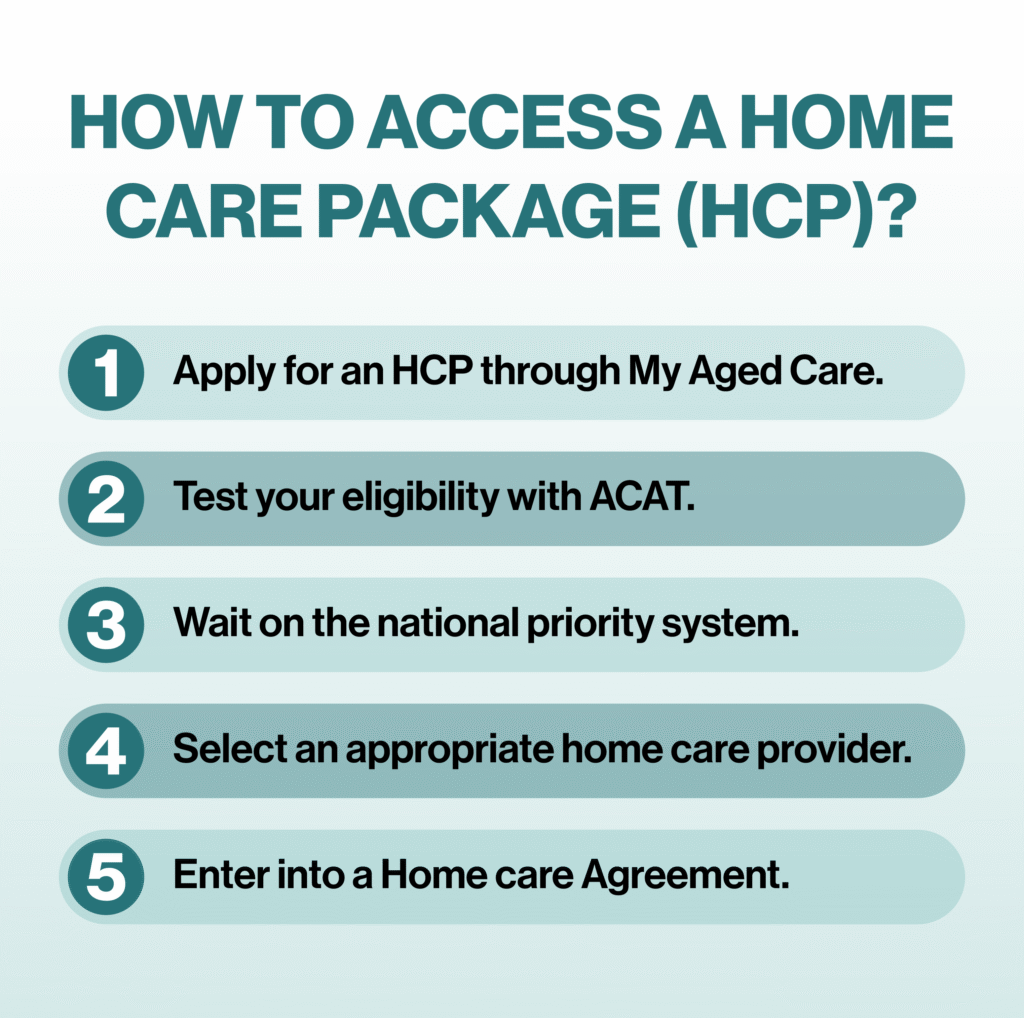
Private clients often come through online visibility, hospital discharge teams, and community networks. Agencies that combine public contracts with private clients tend to be more stable.
How much do care agencies charge per hour in the UK?
Hourly rates for home care agencies in the UK vary by region and funding source. Local authority rates are usually lower, while private client rates are higher to reflect travel time, staffing costs, and compliance overheads.
Rates also depend on the level of care required, time of day, and visit length. Agencies that price too low often struggle to retain staff and maintain quality, which quickly leads to regulatory issues.