Category: Blog

Your blog category

  • What Is Tenants in Common Meaning UK: 2026 Update

    What Is Tenants in Common Meaning UK: 2026 Update

    Tenants in common meaning uk: Tenants in common is a form of UK property co-ownership where two or more people own specific shares of a property, which can be equal or unequal. Unlike joint tenants, each owner controls their share and can leave it to anyone in a Will instead of it automatically passing to the other owner.

    In simple terms, tenants in common gives you control over your portion of a property, making it a practical option for families, caregivers, or individuals planning ahead for inheritance and long-term care needs.

    Get expert support for your next tender, inspection-ready policies, or CQC registration — book a call with Care Sync Experts today and let’s get you compliant and competitive.

    Key Takeaways

    • Tenants in common allows split ownership, often in unequal shares (e.g., 70/30 or 60/40).
    • Each owner can pass their share through a Will, instead of it going automatically to the other owner.
    • This structure supports care planning, especially when protecting family assets or children’s inheritance.
    • It differs from joint tenants, where ownership transfers automatically on death.
    • A Declaration of Trust is usually required to record ownership percentages and responsibilities.
    • It can affect care home fees assessments, as only a person’s share may be considered.

    When structured correctly, tenants in common can help families and caregivers protect property, plan for future care costs, and avoid unintended inheritance outcomes, which is why it’s widely used in the UK beyond simple property ownership.

    Why Tenants in Common Matters for Care Planning

    Barnet Homecare Tender 2026: £36m Framework 3 Lots Explained

    For caregivers and families, property ownership is not just about buying a home; it plays a key role in protecting assets, planning for future care, and securing inheritance for loved ones.

    Tenants in common becomes especially relevant when care needs arise. Many families worry about how property will be treated if an older adult requires residential care or long-term support. With this ownership structure, each person owns a defined share, which can influence how assets are assessed.

    How It Helps in Care Situations

    • Protecting family inheritance: A parent can ensure their share of the property goes to children, rather than automatically transferring to a partner or co-owner.
    • Supporting blended families: This structure works well where there are children from previous relationships who need to be included in estate planning.
    • Planning around care home fees: Under means testing, only an individual’s share may be considered, not the entire property, when assessing eligibility for support.

    Tenants in common can affect care home fees because local authorities may assess only the individual’s share of the property, rather than the full value.

    Why Caregivers Should Pay Attention

    Caregivers often help families make decisions that go beyond immediate care needs. Property ownership can:

    • Impact funding options for care
    • Influence financial stability for dependents
    • Reduce disputes later between family members

    Without proper planning, families can face unexpected outcomes, such as losing control over property inheritance or encountering complications during care assessments.

    In practice, many families choose tenants in common as part of a wider care and estate planning strategy, especially when they want clarity, flexibility, and long-term protection.

    RELATED: What Are Part L Building Regulations? What Care Homes Need to Know in 2026

    What Is Tenants in Common? (UK Definition Explained)

    Tenants in common definition: Tenants in common is a type of property ownership in the UK where each owner holds a specific share of a property, rather than owning it jointly as a whole.

    Each tenant in common owns a defined percentage, which can be equal or unequal depending on financial contributions or agreements. For example, one person may own 60% while another owns 40%.

    A tenancy in common allows each owner to control their share independently, including the right to sell, transfer, or pass it on through a Will.

    Key Features of a Tenancy in Common

    • Separate ownership shares: Each person owns a distinct portion of the property
    • Unequal contributions allowed: Ownership can reflect who paid more towards the deposit or mortgage
    • No automatic inheritance: Shares do not pass to co-owners automatically
    • Full control over your share: You can leave your portion to family, children, or others

    How It Works in Practice

    When two or more people buy a property as tenants in common, they usually:

    • Agree on ownership percentages
    • Record this in a Declaration of Trust
    • Share responsibilities such as mortgage payments and maintenance

    This setup gives flexibility, but it also requires clear documentation and agreement upfront to avoid disputes later.

    For caregivers and families, understanding what is tenants in common helps ensure that property ownership aligns with long-term care planning, inheritance goals, and financial protection.

    Tenants in Common vs Joint Tenants (UK Explained Clearly)

    Joint Tenancy or Tenancy-In-Common
    Joint Tenancy or Tenancy-In-Common

    Choosing between tenants in common vs joint tenants UK depends on how you want to manage ownership, inheritance, and long-term care planning.

    The key difference between joint tenants and tenants in common is how ownership and inheritance work.

    Joint Tenants Meaning (UK)

    Under joint tenants, all owners:

    • Own the entire property together
    • Hold equal shares (100% collectively)
    • Automatically pass ownership to the other owner(s) when one dies (known as the right of survivorship)

    This means you cannot leave your share in a Will.

    Tenants in Common (UK)

    Under tenants in common, each owner:

    • Owns a specific share (equal or unequal)
    • Can leave their share to anyone in a Will
    • Does not automatically transfer ownership on death

    Quick Comparison Table

    FeatureJoint TenantsTenants in Common
    OwnershipEqual (shared whole)Separate shares
    InheritanceAutomatic transfer to co-ownerPassed via Will
    ControlLimited individual controlFull control of your share
    Best forMarried couplesFamilies, investors, caregivers
    Care planningLess flexibleMore flexible

    Which One Is Better for Care Planning?

    From a caregiver and family planning perspective:

    • Joint tenants works best for couples who want the surviving partner to inherit everything automatically.
    • Tenants in common works better when families want to:
      • Protect children’s inheritance
      • Plan for care home fees
      • Reflect unequal financial contributions

    Tenants in common provides more flexibility and control, especially when long-term care, inheritance, or blended family situations are involved.

    Simple Rule of Thumb

    • Choose joint tenants if you want simplicity and automatic inheritance
    • Choose tenants in common if you want control, flexibility, and estate planning options

    Understanding the difference between joint tenants and tenants in common is essential before buying property, especially when care needs and family dynamics play a role.

    READ MORE: What is the SSP rate? 2026 Update for Care Businesses

    Real-Life Care Scenario: Why Families Choose Tenants in Common

    Understanding tenants in common becomes much clearer when you look at real care situations.

    Scenario: Protecting a Parent’s Share for Children

    A widowed parent moves in with a new partner later in life. They buy a home together, but the parent wants to ensure their children still inherit their portion of the property.

    If they choose joint tenants, the entire property would automatically pass to the partner if the parent dies.

    If they choose tenants in common, the parent can:

    • Own a defined share (e.g. 50%)
    • Leave that share to their children in a Will
    • Protect family inheritance while still co-owning the property

    Tenants in common allows families to balance current living arrangements with future inheritance planning.

    Scenario: Planning Around Care Home Fees

    An older adult requires long-term care. The local authority assesses their finances to determine care home fees.

    With tenants in common:

    • Only the individual’s share of the property may be considered
    • The remaining share still belongs to the other owner

    This structure can provide more flexibility during financial assessments, although outcomes depend on local authority rules.

    Scenario: Unequal Contributions Between Family Members

    A caregiver or adult child contributes more toward:

    • The deposit
    • Mortgage payments
    • Property improvements

    With a tenancy in common, ownership can reflect this:

    • Parent: 40%
    • Child: 60%

    This avoids disputes later and ensures fairness.

    Why This Matters for Caregivers

    Caregivers often support families through:

    • Financial decisions
    • Long-term planning
    • Property transitions

    Without the right ownership structure, families may face:

    • Inheritance disputes
    • Loss of control over property
    • Complications during care assessments

    Tenants in common gives families clarity, control, and protection—especially when care needs and complex family dynamics are involved.

    In real life, most families do not think about ownership structures until a crisis happens. Choosing tenants in common early helps prevent difficult decisions later.

    Disadvantages of Tenants in Common (What Families Must Consider)

    Tenants in Common Meaning UK
    Tenants in Common Meaning UK

    While tenants in common offers flexibility, it also comes with risks that caregivers and families should understand before making a decision.

    The main disadvantages of tenants in common relate to complexity, potential disputes, and lack of automatic protection for co-owners.

    1. No Automatic Inheritance

    Unlike joint tenants, ownership does not pass automatically to the surviving owner.

    • The deceased’s share goes to beneficiaries named in a Will
    • If no Will exists, intestacy rules apply

    This can create uncertainty for the surviving partner, especially in care situations.

    2. Risk of Ownership Disputes

    Because each owner holds a separate share, disagreements can arise over:

    • Selling the property
    • Managing the home
    • Financial responsibilities

    These tenants in common problems often occur when expectations are not clearly documented.

    3. Complex Ownership After Death

    When a share passes to beneficiaries:

    • New co-owners may become involved (e.g. children)
    • The surviving owner may need to deal with multiple parties

    This can make decisions harder, especially during emotional or care-related periods.

    4. Selling the Property Can Be Difficult

    One owner cannot always sell the whole property without agreement.

    • A share can sometimes be sold independently
    • But disputes may require legal intervention

    This creates delays and added stress for families.

    5. Requires Proper Legal Documentation

    Without a Declaration of Trust:

    • Ownership shares may become unclear
    • Financial contributions may not be protected

    Many disadvantages of tenants in common come from poor documentation rather than the structure itself.

    6. Not Always Effective for Care Fee Planning

    Some families use tenants in common to manage care home fees, but:

    • Local authorities can challenge arrangements
    • They may view changes as “deliberate deprivation of assets”

    This means outcomes are not guaranteed

    SEE ALSO: DWP Benefit Scrapping 2026: Latest Update

    Balanced View

    Tenants in common provides control and flexibility, but it also demands:

    • Clear planning
    • Strong legal documentation
    • Open communication between owners

    For caregivers, the goal is not just choosing an ownership type—but choosing one that avoids future conflict while supporting care and inheritance planning.

    Understanding these tenants in common problems helps families make informed decisions and avoid complications later.

    Can Tenants in Common Affect Care Home Fees?

    Tenants in Common vs Joint Tenants

    For many families, one of the biggest concerns is how property ownership impacts care home fees. This is where tenants in common often becomes part of the conversation.

    Tenants in common can affect care home fees because local authorities may assess only the individual’s share of the property, rather than the full value.

    How Care Home Fee Assessments Work

    When someone requires residential care, the local authority carries out a means test. This assessment looks at:

    • Savings and income
    • Property ownership
    • Other assets

    If a person owns property outright, its full value may be considered. However, with tenants in common, the situation can differ.

    What Happens With Tenants in Common?

    Because ownership is split:

    • Only the individual’s percentage share may be assessed
    • The co-owner’s share remains separate
    • The property may not need to be sold immediately

    This can provide more flexibility for families, especially where another person continues living in the home.

    Important Limitations to Understand

    While this structure can help, it is not a guaranteed solution.

    Local authorities may:

    • Investigate recent ownership changes
    • Challenge arrangements made to reduce fees
    • Apply “deliberate deprivation of assets” rules

    If authorities believe tenants in common was set up purely to avoid care costs, they may still include the full value in the assessment.

    Why This Matters for Caregivers

    Caregivers often support families navigating:

    • Financial assessments
    • Property decisions
    • Long-term care planning

    Understanding tenants in common care home fees helps caregivers:

    • Set realistic expectations
    • Avoid risky assumptions
    • Guide families toward informed decisions

    Practical Takeaway

    • Tenants in common may reduce financial exposure, but it does not eliminate care costs
    • Proper legal and financial advice is essential before making changes
    • Early planning is more effective than last-minute adjustments

    In practice, families use tenants in common as one part of a broader care planning strategy, not a standalone solution.

    MORE: Scotland PIP ADP Update 2026: What Care Businesses and Claimants Must Know

    Joint Tenants or Tenants in Common: Which Should You Choose?

    What Is Tenancy In Common

    Choosing between joint tenants or tenants in common depends on your goals around ownership, inheritance, and care planning.

    The right choice depends on whether you prioritise simplicity or long-term control.

    Choose Joint Tenants If You Want Simplicity

    Joint tenants works best when:

    • You are a couple with shared finances
    • You want the property to pass automatically to your partner
    • You prefer a straightforward ownership structure

    With joint tenants, the surviving owner inherits the property without legal complications.

    Choose Tenants in Common If You Want Control

    Tenancy in common vs joint tenants becomes clearer when control matters.

    Choose tenants in common if:

    • You want to leave your share to children or other beneficiaries
    • You are part of a blended family
    • You contributed unequal amounts to the property
    • You want flexibility in estate and care planning

    This option gives you full control over your share

    Caregiver Perspective: What Works Best?

    From a care planning standpoint:

    • Joint tenants can create challenges if inheritance needs to be split across family members
    • Tenants in common allows families to protect assets and plan for future care needs

    Many families choose tenants in common when they want to balance care planning with inheritance protection.

    Simple Decision Guide

    • Go with joint tenants for ease and automatic inheritance
    • Go with tenants in common for flexibility, protection, and long-term planning

    There is no one-size-fits-all answer. The best option depends on:

    • Family structure
    • Financial contributions
    • Future care needs

    Understanding the tenancy in common versus joint tenancy decision helps families avoid costly mistakes and plan with confidence.

    READ: What is the Work Capability Assessment? 2026 Update for Care Businesses

    What Martin Lewis Says About Tenants in Common

    When people search for “Martin Lewis tenants in common”, they usually want a simple answer: Is this a smart financial move?

    While Martin Lewis does not give one-size-fits-all advice, his guidance on property and inheritance consistently focuses on protecting assets, planning ahead, and avoiding unintended outcomes.

    Martin Lewis generally supports using tenants in common where it helps protect inheritance and provides better financial control.

    Key Takeaways from His Approach

    • Plan for the future, not just the present
      Property ownership should reflect long-term goals, including inheritance and care planning.
    • Use a Will alongside tenants in common
      Without a valid Will, your share may not go where you intend.
    • Get proper legal advice
      Property ownership decisions can have lasting financial and legal consequences.

    Why This Matters for Families and Caregivers

    From a caregiver perspective, this aligns with real-world needs:

    • Families want to protect children’s inheritance
    • Individuals want control over their share of property
    • Care planning often requires clear financial structures

    This is where tenants in common becomes a practical tool, not just a legal concept.

    A Balanced View

    Martin Lewis often emphasises:

    • Avoid making decisions based purely on tax or fee avoidance
    • Focus on legitimate planning, not loopholes
    • Ensure all arrangements are transparent and properly documented

    Tenants in common works best when it forms part of a clear, well-documented financial and care planning strategy.

    In short, the principle behind Martin Lewis tenants in common advice is simple: Use it for control and protection, but only with proper planning and legal clarity.

    Common Problems to Avoid with Tenants in Common

    While tenants in common offers flexibility, many families run into issues because they overlook key details during setup.

    Most tenants in common problems come from poor planning, not the ownership structure itself.

    1. No Declaration of Trust

    A Declaration of Trust clearly defines:

    • Ownership percentages
    • Financial contributions
    • What happens if the property is sold

    Without it:

    • Disputes become more likely
    • Contributions may not be protected

    This is one of the most common tenants in common problems

    2. Unequal Payments Without Documentation

    In many cases, a joint mortgage paid by one person or uneven contributions create tension later.

    • One person may pay more toward the deposit or mortgage
    • Without written agreement, ownership may still appear equal

    This can lead to disputes when selling the property or dividing assets.

    3. Lack of a Will

    With tenants in common, your share does not pass automatically.

    • If no Will exists, intestacy rules apply
    • The share may go to unintended beneficiaries

    This creates avoidable complications for families and caregivers.

    4. Poor Communication Between Owners

    Disagreements can arise over:

    • Selling the property
    • Maintenance costs
    • Financial responsibilities

    Without clear agreements, small issues can escalate quickly.

    5. Misunderstanding Care Fee Implications

    Some families assume tenants in common will automatically reduce care home fees.

    • This is not guaranteed
    • Local authorities may challenge arrangements

    Relying on assumptions can lead to financial surprises.

    6. Adding Unintended Co-Owners After Death

    When a share passes to beneficiaries:

    • New owners may become involved (e.g. children)
    • Decision-making becomes more complex

    This can make selling or managing the property more difficult.

    ALSO: UK State Pension Age Increase 2026: What Care Businesses Need to Know

    Practical Advice

    To avoid these issues:

    • Always create a Declaration of Trust
    • Document all financial contributions clearly
    • Ensure each owner has a valid Will
    • Communicate expectations early
    • Seek legal advice where necessary

    Tenants in common works best when families treat it as a structured agreement, not just a property arrangement.

    By addressing these risks early, families and caregivers can use tenants in common effectively, without facing unnecessary complications later.

    Final Summary

    Tenants in common offers a flexible way to own property in the UK, especially for families and caregivers planning for the future.

    Tenants in common allows each owner to hold a defined share of a property and pass it on through a Will, rather than automatically transferring ownership like joint tenants.

    What This Means in Practice

    • You can protect inheritance for children or beneficiaries
    • You can reflect unequal financial contributions
    • You gain more control over your share of the property
    • You can align property ownership with care planning goals

    When It Works Best

    Tenants in common is particularly useful when:

    • Families want to plan for care home fees and long-term support
    • There are blended families or dependents to consider
    • Owners want clarity over who gets what and when

    Key Consideration

    While it offers flexibility, tenants in common also requires:

    • Clear documentation (Declaration of Trust)
    • A valid Will
    • Open communication between owners

    Choosing between joint tenants or tenants in common is not just a legal decision, it is a financial and care planning decision.

    When used correctly, tenants in common helps families protect assets, reduce uncertainty, and plan with confidence for the future.

    For caregivers and families alike, understanding tenants in common meaning ensures that property ownership supports both present needs and future care decisions.

    Care Sync Experts helps caregiver businesses and families structure property ownership correctly, protect inheritance, and navigate complex care planning decisions with confidence.

    Speak to our team today and ensure your property and care strategy supports the people who matter most.

    FAQ

    Does marriage override tenants in common in the UK?

    No, marriage does not override a tenancy in common arrangement. Even if you are married, each spouse still owns their defined share of the property. That share will pass according to their Will, not automatically to the surviving spouse. This is why many married couples choose tenants in common when they want to protect children’s inheritance.

    Can I change from tenants in common to joint tenants?

    Yes, you can switch from tenants in common to joint tenants, but all owners must agree. This process is known as “merging the titles” and usually involves updating the property records with HM Land Registry. It’s advisable to seek legal advice before making this change, as it affects inheritance rights.

    What are the risks of joint tenancy?

    The main risk of joint tenants is the lack of control over inheritance. When one owner dies, their share automatically passes to the surviving owner, regardless of what is written in a Will. This can create problems in blended families or where children from previous relationships need to be considered.

    Can a surviving tenant in common sell the property in the UK?

    A surviving tenant in common cannot usually sell the entire property alone. They can only deal with their own share unless all co-owners or beneficiaries agree. If disagreements arise, the matter may require legal resolution, which can delay the sale process.

  • What is the SSP rate? 2026 Update for Care Businesses

    What is the SSP rate? 2026 Update for Care Businesses

    The SSP rate (Statutory Sick Pay) in the UK is £123.25 per week as of 6 April 2026, or 80% of an employee’s average weekly earnings (whichever is lower). Employers must pay SSP for up to 28 weeks, starting from the first qualifying day of sickness absence.

    In simple terms, if you’re asking “how much is statutory sick pay?” or “how much is SSP?”, the legal minimum most employers must pay eligible staff is £123.25 per week, processed through normal payroll with tax and National Insurance deductions.

    Get expert support for your next tender, inspection-ready policies, or CQC registration — book a call with Care Sync Experts today and let’s get you compliant and competitive.

    Key Takeaways

    • The SSP rate in 2026 is £123.25 per week (or 80% of earnings if lower)
    • Employers pay SSP for up to 28 weeks
    • SSP now starts from the first qualifying day (no waiting days)
    • There is no minimum earnings threshold after April 2026
    • SSP forms part of the UK’s minimum sick pay entitlement
    • Employers can offer more through private sick pay or enhanced schemes

    Why SSP Is Important for Caregiver Businesses

    CQC Interview Preparation: 5 Days, Night Sessions, She Passed

    SSP directly affects how you run and sustain a caregiver business. If you manage a domiciliary care agency or care home, staff absence is not just an HR issue, it impacts service delivery, compliance, and profitability.

    Care work depends heavily on consistent staffing. When a caregiver calls in sick, you must:

    • find cover quickly
    • maintain safe staffing ratios
    • continue delivering care without disruption

    That creates immediate pressure on your team and your margins.

    Staffing Pressure and Cost Impact

    From April 2026, SSP starts from the first day of sickness absence, which means costs begin immediately. For caregiver businesses with:

    • part-time workers
    • zero-hour contracts
    • high staff turnover

    SSP payments will occur more frequently than before. This makes long-term sick pay planning essential, especially if multiple staff members are off at the same time.

    Compliance Risk for Care Providers

    Care businesses operate in a regulated environment. If you fail to meet sick pay entitlement rules, you risk:

    • payroll errors
    • HMRC penalties
    • reputational damage

    You must apply SSP correctly and consistently across your workforce.

    Real Impact on Care Delivery

    Unlike many industries, you cannot “pause” operations. If a caregiver is absent:

    • clients still need support
    • visits must continue
    • regulators expect continuity of care

    This makes SSP more than just a payroll obligation; it becomes part of your operational strategy.

    In short, understanding SSP is not optional for care providers. It directly affects staff stability, compliance, and business performance.

    RELATED: Earned Income Disallowance: Benefits & Allowances (2026 Guide)

    SSP Rate UK: How Much Is Statutory Sick Pay in 2026?

    The SSP rate UK for the 2026/27 tax year is £123.25 per week, or 80% of an employee’s average weekly earnings, whichever is lower.

    If you’re asking “how much is SSP?” or “how much is statutory sick pay?”, this is the legal minimum you must pay eligible employees when they are off sick.

    What Employers Must Know

    • Weekly SSP rate: £123.25
    • Alternative calculation: 80% of average weekly earnings (if lower than £123.25)
    • Maximum duration: 28 weeks per period of sickness
    • Payment method: Through payroll, with tax and National Insurance deducted

    You must pay SSP in the same way you pay wages, on your employee’s normal payday.

    What This Means for Caregiver Businesses

    For care providers, the SSP rate sets the baseline cost of staff absence. Even if a caregiver works limited hours, you must still calculate SSP correctly based on their average earnings and qualifying days.

    Most employees will receive the full £123.25 per week, but lower-paid or part-time staff may receive less if 80% of their earnings falls below the standard SSP rate.

    This makes it critical to understand not just the headline number, but how SSP applies across different types of care staff in your workforce.

    READ MORE: Scotland PIP ADP Update 2026: What Care Businesses and Claimants Must Know

    How Much Is SSP Per Day? (With Example)

    Calculating SSP Rate 2026
    Calculating SSP Rate 2026

    SSP is not paid as a flat daily amount. You must calculate the daily rate based on how many qualifying days an employee usually works each week.

    If you’re asking “how much is SSP per day?” or “how much is statutory sick pay per day?”, the answer depends on the employee’s work pattern.

    How Daily SSP Is Calculated

    You calculate the daily rate using this formula:

    Daily SSP = Weekly SSP rate ÷ Number of qualifying days

    • Weekly SSP rate (2026): £123.25
    • Qualifying days: the days the employee normally works

    Example (Caregiver Working 5 Days a Week)

    • Weekly SSP: £123.25
    • Qualifying days: 5

    £123.25 ÷ 5 = £24.65 per day

    So, you would pay £24.65 for each sick day the employee qualifies for.

    Why This Matters for Care Providers

    Caregiver schedules vary widely:

    • some staff work 2–3 days per week
    • others work full-time shifts
    • some work rotating or weekend patterns

    This means SSP daily rates will differ across your workforce.

    You must calculate SSP individually for each employee based on:

    • their contract
    • their working pattern
    • their qualifying days

    Getting this wrong can lead to underpayment, disputes, or compliance issues.

    Always base your calculation on the employee’s actual working schedule, not a standard 5-day assumption.

    SSP Calculator UK: How to Calculate Sick Pay

    You don’t need complex software to calculate SSP correctly. You can follow a simple process or use an SSP calculator UK tool to speed things up.

    If you’re managing multiple caregivers, using a statutory sick pay calculator or sick pay calculator helps reduce errors and saves time.

    Simple Step-by-Step Method

    Use this method for every employee:

    1. Confirm eligibility
      Check that the employee qualifies for SSP (employed, reported sickness, at least one full working day off).
    2. Work out average weekly earnings
      Calculate earnings over the relevant period (usually 8 weeks).
    3. Apply the SSP rate
      Use:
      • £123.25 per week, or
      • 80% of average weekly earnings (whichever is lower)
    4. Identify qualifying days
      Count how many days the employee normally works each week.
    5. Calculate daily rate
      Divide the weekly amount by qualifying days.
    6. Pay through payroll
      Process SSP like wages, including tax and National Insurance.

    When to Use an SSP Calculator

    An SSP calculator becomes useful when:

    • staff work irregular shifts
    • earnings vary week to week
    • you manage a large care team

    Many employers search for:

    • SSP calculator UK
    • ssp rate uk calculator
    • statutory sick pay calculator

    These tools help you avoid manual errors, especially in busy care environments.

    Practical Tip for Caregiver Businesses

    Do not rely on assumptions. Always calculate SSP based on:

    • actual earnings
    • real working patterns

    Even small mistakes, especially across multiple staff, can lead to payroll inaccuracies and compliance risks.

    If you run a care agency, standardising your calculation process (or using a calculator tool) will save time and protect your business.

    SEE ALSO: What is the Work Capability Assessment? 2026 Update for Care Businesses

    SSP Entitlement UK: Who Qualifies After April 2026 Changes

    SSP Eligibility Scenarios

    SSP entitlement UK rules expanded in April 2026, which means more care workers now qualify for statutory sick pay.

    If you manage a caregiver workforce, you must understand exactly who qualifies to apply the correct sick pay entitlement.

    Who Qualifies for SSP in 2026

    An employee qualifies for SSP if they:

    • Have an employment contract
    • Have started work under that contract
    • Are off sick for at least one full working day
    • Follow your sickness reporting process (or notify within 7 days)

    SSP now applies regardless of income level, following the removal of the Lower Earnings Limit.

    What Changed in April 2026

    Two major changes affect caregiver businesses:

    • No minimum earnings threshold
      Even low-paid or part-time care staff now qualify
    • No waiting days
      SSP starts from the first qualifying day of sickness

    This means more employees will receive SSP, more often

    What This Means for Care Providers

    In care settings, many staff:

    • work part-time
    • work flexible shifts
    • earn variable income

    Before 2026, some of these workers did not qualify. Now, most will qualify

    This increases:

    • your payroll exposure
    • the importance of accurate absence tracking

    Important Clarification

    Not every absence automatically qualifies.

    You must still confirm:

    • the employee was scheduled to work that day
    • they were fully absent (not partially worked)

    SSP entitlement depends on actual working patterns, not assumptions.

    Practical Tip

    Create a clear internal checklist for SSP eligibility.
    This helps your HR or admin team apply rules consistently across all caregivers.

    In a care business, consistency protects you from disputes, errors, and compliance issues.

    Who Does NOT Qualify for SSP

    Not every worker qualifies for Statutory Sick Pay. As a caregiver business, you must identify non-eligible cases early to avoid overpaying or making incorrect payroll decisions.

    Employees Who Do Not Qualify

    An employee does not qualify for SSP if they:

    • Have already received the maximum 28 weeks of SSP
    • Are receiving Statutory Maternity Pay or Maternity Allowance
    • Are off sick due to a pregnancy-related illness in the 4 weeks before the due date
    • Were in custody or on strike on the first day of sickness
    • Work outside the UK and are not liable for UK National Insurance
    • Recently received Employment and Support Allowance (ESA) within certain conditions

    These rules still apply even after the 2026 changes.

    What About Self-Employed Workers?

    Self-employed individuals do not qualify for SSP.

    If you’re wondering about:

    • self employed sick pay
    • sick pay for self employed

    The answer is simple: SSP only applies to employees, not self-employed contractors.

    Self-employed caregivers must rely on:

    • personal savings
    • insurance
    • government benefits (e.g., Universal Credit or ESA, if eligible)

    Common Mistake Care Providers Make

    Some care businesses incorrectly assume all staff qualify, especially when using:

    • agency workers
    • freelance caregivers
    • zero-hour arrangements

    Always confirm employment status before applying SSP.

    Practical Tip for Care Businesses

    Before paying SSP, check:

    • employment status
    • SSP already paid (28-week limit)
    • reason for absence

    A quick check upfront prevents overpayment, payroll errors, and compliance issues later.

    MORE: What is a Discretionary Housing Payment? 2026 Update for Care Business

    SSP1 Form Explained: When You Must Give It to Employees

    Statutory Sick Pay (SSP) Details

    The SSP1 form is a legal document you must provide when an employee cannot receive SSP or when their SSP is about to end.

    As a caregiver business, issuing this form at the right time is critical. It allows your employee to apply for alternative financial support.

    When You Must Issue an SSP1 Form

    You must give an employee an SSP1 form if:

    • They do not qualify for SSP
    • Their SSP is about to end before they return to work
    • Their SSP has ended unexpectedly while still sick

    Deadlines You Must Follow

    • If SSP ends unexpectedly → within 7 days
    • If SSP is expected to end → by week 23 of absence
    • If employee never qualified → within 7 days of first sick day

    Missing these deadlines can lead to compliance issues and employee complaints

    Why the SSP1 Form Matters

    The SSP1 form allows employees to apply for:

    • Employment and Support Allowance (ESA)
    • Universal Credit

    Without it, they may face delays in receiving financial support.

    What This Means for Care Providers

    In caregiving businesses:

    • long-term sickness is common
    • staff may reach the 28-week SSP limit

    You must track absence carefully so you can issue the SSP1 form on time.

    Practical Tip

    Set a reminder system for:

    • week 20–23 of long-term sickness cases

    This ensures your admin team:

    • prepares the SSP1 form early
    • avoids last-minute errors

    Good tracking protects both your business and your employees.

    Fit Notes and Sick Notes: What Employers Can Ask For

    As a caregiver business, you must handle sickness evidence correctly. You cannot demand medical proof too early, and you must follow clear rules around fit notes (often called sick notes).

    What Happens in the First 7 Days

    For the first 7 calendar days of sickness:

    • The employee can self-certify their illness
    • You cannot require a fit note
    • You should record the absence internally

    Many people refer to this loosely as a “sick note” (ss note), but no formal medical note is required at this stage.

    After 7 Days: Fit Notes Required

    If the employee is off sick for more than 7 days:

    • You can request a fit note
    • It must come from an approved healthcare professional:
      • GP or hospital doctor
      • Registered nurse
      • Pharmacist
      • Physiotherapist
      • Occupational therapist

    Fit notes can be:

    • digital
    • printed

    Types of Fit Notes

    A fit note will usually state:

    • “Not fit for work”
    • or
    • “May be fit for work” (with adjustments)

    If it suggests adjustments (e.g. reduced hours or lighter duties), you should:

    • discuss options with the employee
    • consider a phased return to work

    What This Means for Care Providers

    In care settings:

    • frequent short-term absences are common
    • long-term absences require proper documentation

    You must balance:

    • compliance
    • operational needs

    You cannot withhold SSP just because a fit note arrives late, unless there is no valid reason for the delay.

    Practical Tip

    Create a simple policy:

    • Day 1–7 → self-certification
    • Day 8+ → fit note required

    This keeps your process consistent across all caregivers and reduces disputes.

    READ: What is the Health and Safety at Work Act 1974?

    SSP vs NHS Sick Pay vs Private Sick Pay

    Applying for Statutory Sick Pay in the UK
    Applying for Statutory Sick Pay in the UK

    Not all sick pay works the same. As a caregiver business, you must understand the difference between SSP, NHS sick pay, and private sick pay so you can set the right expectations for your staff.

    What Is SSP?

    Statutory Sick Pay (SSP) is the legal minimum you must pay eligible employees:

    • £123.25 per week (2026 rate)
    • Paid for up to 28 weeks
    • Funded entirely by the employer

    This applies to most private care providers.

    What Is NHS Sick Pay?

    NHS sick pay is a contractual scheme, not a legal minimum.

    It typically offers:

    • Full pay for a set period
    • Then half pay
    • Based on length of service

    NHS staff receive significantly more support than SSP alone.

    This creates a gap in expectations, especially when caregivers move from NHS roles into private care.

    What Is Private Sick Pay?

    Private sick pay (also called contractual or occupational sick pay) is:

    • Set by the employer
    • Defined in the employment contract
    • Paid on top of, or instead of, SSP

    Examples include:

    • Full pay for 2–4 weeks
    • Then SSP only
    • Or tiered systems (full → half → SSP)

    You can offer more than SSP—but never less.

    Why This Matters for Caregiver Businesses

    Many caregivers compare benefits across employers.

    If you only offer SSP:

    • staff may feel under-supported
    • retention may suffer

    If you offer private sick pay:

    • you improve staff loyalty
    • reduce presenteeism (working while sick)
    • strengthen your employer brand

    Practical Tip

    Review your sick pay structure regularly.

    Even a small top-up above SSP can:

    • improve retention
    • reduce burnout
    • make your business more competitive

    In a staffing-sensitive sector like care, this can make a real difference.

    SEE MORE: What is an SR1 Form? 2026 Guide for UK Care Providers

    Why Is SSP So Low?

    Many care providers and caregivers ask the same question: why is SSP so low compared to real living costs?

    The answer is simple, SSP is designed as a minimum legal safety net, not a full income replacement.

    SSP Is a Baseline, Not Full Pay

    The government sets SSP at a fixed rate to:

    • ensure employers provide basic financial support
    • keep costs predictable for businesses
    • avoid placing full wage liability on employers

    At £123.25 per week, SSP does not aim to cover normal living expenses.

    Impact on Care Workers

    For many caregivers:

    • pay is already modest
    • shifts vary
    • overtime is common

    When sickness occurs, income can drop sharply.

    This creates:

    • financial stress
    • pressure to return to work early
    • higher risk of presenteeism (working while unwell)

    Impact on Caregiver Businesses

    Low SSP can also affect your business:

    • Staff may return too early → quality of care risk
    • Morale may drop → retention issues
    • Absence patterns may become inconsistent

    SSP levels indirectly influence staff behaviour and service delivery

    Why Employers Often Top It Up

    Many care providers introduce private sick pay to:

    • support staff financially
    • reduce early returns to work
    • improve retention

    Even a small enhancement can:

    • stabilise your workforce
    • improve care continuity

    Practical Perspective

    SSP works as a legal minimum, not a competitive benefit.

    If you rely on SSP alone, you meet the law, but you may fall behind as an employer.

    Caregiver businesses that understand this tend to:

    • plan for absence costs
    • design better sick pay policies
    • build stronger, more reliable teams

    Practical Tips for Care Providers

    Managing SSP effectively is not just about compliance, it’s about protecting your operations, your staff, and your margins.

    1. Standardise Your SSP Process

    Create a simple, repeatable system:

    • Track sickness from day one
    • Confirm eligibility before payment
    • Use a consistent SSP calculator UK method for all staff

    This reduces errors, especially in large caregiver teams.

    2. Plan for Long-Term Sick Pay

    Care businesses often face extended absences.

    • Monitor staff approaching 28 weeks of SSP
    • Prepare to issue the SSP1 form early
    • Plan cover for long-term cases

    Proactive planning avoids disruption to client care.

    3. Use Accurate Records

    Keep clear records of:

    • sickness dates
    • qualifying days
    • SSP payments

    HMRC may request this if disputes arise.

    4. Review Your Sick Pay Policy

    Relying only on SSP may not be enough.

    Consider:

    • adding private sick pay
    • offering short-term top-ups

    Even small enhancements can improve retention and reduce absenteeism.

    5. Train Your Admin or HR Team

    Make sure your team understands:

    • SSP entitlement rules
    • calculation methods
    • when to request fit notes

    This ensures consistent application across all caregivers.

    6. Think Operationally, Not Just Legally

    In care, absence affects real people.

    When a caregiver is off sick:

    • clients still need support
    • schedules must adjust quickly

    Build a system that balances:

    • compliance
    • cost control
    • continuity of care

    Final Tip

    Do not treat SSP as just a payroll task. Treat it as part of your workforce strategy, because in a caregiver business, staffing stability directly affects care quality.

    Here are stronger, higher-converting CTA options tailored to your article (SSP + caregiver business angle). 

    These are designed to feel less generic, more authoritative, and action-driven

    Take control of sick pay, compliance, and staffing with confidence.

    Care Sync Experts helps caregiver businesses simplify SSP calculations, stay compliant with 2026 regulations, and build stronger workforce systems that reduce risk and improve care delivery.

    Speak to our team today and get your sick pay strategy right from day one.

    FAQ

    What is SSP in UK payroll?

    SSP (Statutory Sick Pay) is the legal minimum sick pay employers must provide to eligible employees who are off work due to illness.
    In UK payroll:
    SSP is processed through PAYE, just like wages
    Employers are responsible for paying it (not HMRC)
    It is subject to tax and National Insurance deductions
    For caregiver businesses, SSP becomes part of your regular payroll obligations, not a separate benefit system.

    What is an example of SSP?

    Here’s a simple example for a care worker:
    Weekly SSP rate: £123.25
    Employee works: 5 days per week
    Daily SSP rate: £24.65
    If the employee is off sick for 3 qualifying days, you pay:
    £24.65 × 3 = £73.95 SSP
    This amount is:
    paid through payroll
    taxed like normal earnings

    How to calculate absence rate in the UK?

    Caregiver businesses often track absence rates to manage staffing.
    Use this simple formula: Absence Rate (%) = (Total days absent ÷ Total available working days) × 100
    Example:
    10 employees
    Each works 5 days per week → 50 total working days
    5 days lost to sickness
    (5 ÷ 50) × 100 = 10% absence rate
    Tracking this helps you:
    identify trends
    plan staffing
    control long-term sick pay costs

    How many sick days per year is acceptable in the UK?

    There is no fixed legal limit on how many sick days are “acceptable” in the UK.
    However, many employers use internal benchmarks:
    Short-term absence: 3–5 days per year (typical range)
    Trigger points: Often set around 3–4 separate absences
    For care providers:
    even a few sick days can disrupt service delivery
    consistency matters more than averages
    The best approach is to:
    set clear absence policies
    monitor patterns
    support staff early to prevent long-term issues

  • DWP Benefit Scrapping 2026: Latest Update

    DWP Benefit Scrapping 2026: Latest Update

    The Department for Work and Pensions (DWP) is scrapping Employment and Support Allowance (ESA) as part of a wider DWP benefit scrapping programme. Claimants must move to Universal Credit (UC) to continue receiving financial support, as the government phases out legacy benefits. This transition is not automatic; people must apply for Universal Credit or risk losing their payments.

    The DWP has extended deadlines in some cases to support vulnerable claimants, but the responsibility still falls on individuals and caregivers to act in time. Care providers should identify clients receiving ESA and guide them through the transition early to avoid disruptions in income.

    While this reform focuses on ESA, it also signals broader welfare changes. Many families are now asking whether other policies, such as the two child benefit cap, will also change under ongoing government reviews.

    Get expert support for your next tender, inspection-ready policies, or CQC registration — book a call with Care Sync Experts today and let’s get you compliant and competitive.

    Key Takeaways

    • The DWP is phasing out ESA as part of a wider DWP benefit scrapping programme
    • Universal Credit will replace legacy benefits, but the switch is not automatic
    • Claimants must apply on time or risk losing their payments completely
    • Caregivers and care providers must actively support vulnerable clients through the transition
    • Deadlines have been extended in some cases, but delays still carry financial risks
    • Wider welfare reforms, including the two child benefit cap, remain under review and may affect families on Universal Credit

    What DWP Benefit Scrapping Means for Care Providers and Families

    Stockport Homecare Tender 2026: £100m FPS, 5 Lots Explained

    The current wave of DWP benefit scrapping is not just a policy change; it directly affects how caregivers support vulnerable people every day.

    If you run a care agency or support clients on ESA, you now carry a bigger responsibility. You must identify which clients still receive legacy benefits and help them transition to Universal Credit before deadlines pass. Many clients, especially elderly or disabled individuals, do not fully understand the process or may assume payments will continue automatically.

    For families, the impact can be immediate. A missed application can stop income entirely. That creates stress, increases dependency on care providers, and can even affect a person’s ability to afford basic needs like housing, food, and medication.

    Care providers must also prepare for increased workload. You may need to:

    • Explain benefit changes in simple terms
    • Help clients gather documents
    • Support online applications
    • Follow up on claims and deadlines

    This shift also connects to wider welfare concerns. Families already dealing with limits like the 2 child cap UK rules may face additional financial pressure as benefits change. When combined with ongoing uncertainty around policies like the two child benefit cap, the risk of financial instability grows.

    In short, DWP benefit scrapping turns caregivers into frontline support for both care and financial guidance. Acting early protects your clients and reduces crisis situations later.

    RELATED: Scotland PIP ADP Update 2026: What Care Businesses and Claimants Must Know

    Why ESA and Other Legacy Benefits Are Being Scrapped

    The DWP is scrapping ESA and other legacy benefits to replace them with a single system: Universal Credit. This move forms a key part of the wider DWP benefit scrapping programme aimed at simplifying welfare and encouraging people to move closer to work where possible.

    Universal Credit combines several older benefits, including ESA, Income Support, and income-based Jobseeker’s Allowance, into one monthly payment. The government argues that this system better reflects today’s labour market and provides clearer pathways into employment.

    Universal Credit is designed to replace multiple legacy benefits with a single payment that adjusts based on income, employment status, and personal circumstances.

    From a policy standpoint, the goal is efficiency. Instead of managing several separate benefits, the DWP wants one streamlined system that is easier to administer and monitor. However, for many claimants and caregivers, the transition creates confusion and risk, especially because the process requires action.

    This change also raises broader questions about the future of welfare limits. Many families now ask whether policies like the two-child benefit cap will change alongside these reforms. While discussions continue, particularly around whether the two-child benefit cap will be lifted or adjusted under future budgets, no universal change has been confirmed yet.

    For now, the priority remains clear: ESA is ending, and Universal Credit is replacing it. Care providers must treat this as an active transition, not a passive update.

    What You Must Do Before ESA Is Scrapped

    Checklist Before ESA transitions

    If you or someone you support still receives ESA, you must act now. The DWP will not move you automatically. You must apply for Universal Credit before your deadline to keep receiving financial support.

    The move to Universal Credit is not automatic. Claimants must apply or risk losing their payments completely.

    Follow these steps to stay protected:

    • Check eligibility immediately
      Confirm whether you receive income-related ESA or another legacy benefit being replaced
    • Watch for official DWP letters
      The DWP sends a migration notice with a deadline to apply
    • Apply for Universal Credit early
      Do not wait until the last minute—processing delays can affect payments
    • Prepare required information
      Gather ID, bank details, housing costs, and medical evidence if needed
    • Seek support if needed
      Care providers, local councils, and support organisations can guide you through the process

    For caregivers, this step is critical. Many vulnerable clients may ignore letters, misunderstand instructions, or struggle with online applications. You should actively monitor their situation and assist with submissions to prevent missed deadlines.

    This transition also connects to wider concerns about benefit limits. Families moving to Universal Credit often ask whether policies like the two child benefit cap will change or whether the benefit cap is being lifted on Universal Credit. While these questions remain under review, they do not affect the immediate requirement to apply.

    Act early, stay organised, and ensure every affected claimant completes their application before the deadline.

    READ MORE: What is the Work Capability Assessment? 2026 Update for Care Businesses

    What Happens If You Don’t Move to Universal Credit

    If a claimant does not switch in time, the DWP will stop their ESA payments. The system does not transfer benefits automatically, and missing the deadline can leave people without income.

    If you do not apply for Universal Credit before your deadline, your ESA payments will end and you may not receive backdated support.

    This situation creates serious risks, especially for vulnerable individuals. Without a successful application:

    • Monthly income stops completely
    • Housing payments may be affected
    • Bills and essential costs become harder to manage
    • Reapplying later can cause delays and financial gaps

    For caregivers, this is where proactive support matters most. You must not assume clients will act on their own. Many people miss deadlines because they:

    • Ignore DWP letters
    • Do not understand the process
    • Struggle with digital applications

    From a wider perspective, these risks add to existing financial pressure on families already affected by limits like the 2 child cap UK rules. Questions such as “is the benefit cap being lifted for everyone?” or whether support will increase do not change the immediate reality, missing the migration deadline leads to lost payments.

    Acting early prevents crisis. Waiting increases the chance of financial hardship.

    Will the Two-Child Benefit Cap Be Scrapped in 2026? Latest Updates

    dwp benefit changes
    dwp benefit changes

    The current wave of DWP benefit scrapping has pushed more families to ask a bigger question:
    Will the two-child benefit cap be scrapped in 2026?

    Right now, the policy remains in place. The two child benefit cap limits financial support to the first two children in most households claiming benefits like Universal Credit. Families with more than two children do not receive additional payments for extra children under this rule.

    The two-child benefit cap restricts Universal Credit and tax credit payments to a maximum of two children in most cases.

    Recent discussions, especially around the autumn budget 2025 2 child cap and political debates involving figures like Rachel Reeves child benefit cap proposals—have increased expectations that the policy could change. Some reports suggest a possible UK two-child limit abolition, but no confirmed timeline exists.

    Here’s what we know so far:

    • The policy is still active across the UK
    • No official confirmation of a full removal yet
    • Ongoing debate continues within government and policy circles
    • Any change would likely come through a future budget announcement

    Many families also search for:

    • “when will the 2 child benefit cap be scrapped”
    • “when does the 2 child cap end”
    • “two-child benefit cap scrapped”

    At this stage, these remain unanswered. No confirmed date has been announced.

    For caregivers, this matters because families transitioning to Universal Credit may expect increased support that does not yet exist. Managing expectations is critical. You should clearly explain that while discussions continue, the policy still applies today.

    In short, while the two-child benefit cap will be lifted remains a possibility in future reforms, caregivers and claimants must plan based on current rules, not speculation.

    SEE ALSO: What is a Discretionary Housing Payment? 2026 Update for Care Business

    2 Child Benefit Cap Lifted: How Much Will Families Get?

    dwp benefit scrapping
    dwp benefit scrapping

    Many families moving to Universal Credit ask the same question: “If the 2 child benefit cap is lifted, how much will I get?”

    Right now, there is no confirmed change. The two-child benefit cap still limits payments to the first two children in most households. That means families do not receive additional Universal Credit amounts for a third or subsequent child under current rules.

    If the two-child benefit cap is lifted, eligible families would receive additional Universal Credit payments for each extra child, increasing their total monthly income.

    To understand the impact, here’s what would change if the policy were removed:

    • Families with more than two children would qualify for extra child elements under Universal Credit
    • Monthly payments would increase based on the number of additional children
    • Financial pressure on larger families would reduce significantly

    For example, when people search:

    • “2 child benefit cap lifted how much will I get”
    • “2 child benefit cap lifted how much will I get universal credit”

    They are trying to estimate how much extra support they could receive. While exact figures depend on individual circumstances, each additional child element in Universal Credit is worth thousands of pounds per year. Removing the cap would therefore create a meaningful increase in household income.

    However, it’s important to stay grounded in current policy. There is no automatic payment or confirmed rollout yet. Questions like “will the 2 child benefit cap be automatically paid” or “will the 2 child benefit cap be backdated” remain speculative.

    For caregivers and support workers, this is where clear communication matters. Many clients may expect immediate financial relief due to ongoing debates or media headlines. You must explain that:

    • The cap is still in place today
    • No confirmed payment increase has been announced
    • Any future change would likely require a formal policy update

    Until then, families should plan based on existing Universal Credit rules, not future expectations.

    MORE: What Is an Enhanced DBS CRB Check? 2026 Update for Care Homes

    Care Provider Checklist: How to Support Clients Through Benefit Changes

    Why legacy benefits are being replaced

    Care providers play a critical role during this period of DWP benefit scrapping. You are often the first point of support when clients feel confused, overwhelmed, or at risk of losing income.

    Use this checklist to stay proactive and protect your clients:

    1. Identify At-Risk Clients

    Review your records and flag anyone receiving ESA or other legacy benefits. Prioritise clients with disabilities, limited digital skills, or no family support.

    1. Communicate Early and Clearly

    Explain the changes in simple terms. Tell clients:

    • ESA is ending
    • They must apply for Universal Credit
    • Missing deadlines can stop payments

    Avoid assumptions, many clients do not understand official letters.

    1. Support the Application Process

    Help clients:

    • Create Universal Credit accounts
    • Upload required documents
    • Complete identity checks

    Where possible, sit with them during the application to avoid errors.

    1. Track Deadlines and Follow Up

    Set reminders for each client’s migration deadline. Check progress regularly and confirm that applications have been submitted successfully.

    1. Manage Expectations Around Policy Changes

    Clients may ask about:

    • “when will the two child benefit cap be lifted”
    • “two-child benefit cap removed”
    • “is child benefit going up”

    Be clear: these changes are not confirmed yet. Focus clients on what they must do now, not what might happen later.

    1. Monitor Financial Stability

    Watch for early signs of financial stress:

    • Missed rent
    • Reduced food spending
    • Anxiety about bills

    Step in early and connect clients with additional support if needed.

    1. Stay Updated on Policy Changes

    Welfare rules continue to evolve. Follow updates on:

    • Universal Credit changes
    • Potential reforms like the 2 child cap
    • Budget announcements affecting benefits

    By following this checklist, you move from reactive support to proactive care. You protect your clients from sudden income loss, and strengthen your role as a trusted guide during uncertain policy changes.

    Conclusion

    The current wave of DWP benefit scrapping is already changing how caregivers support clients across the UK. ESA is ending, Universal Credit is replacing it, and the transition requires action, not assumptions.

    For care providers, this is more than a policy update. It directly affects your clients’ financial stability, well-being, and trust in your service. Acting early, guiding clearly, and staying informed will prevent avoidable crises.

    At the same time, wider reforms, like ongoing debates around the two-child benefit cap, continue to shape expectations. But until confirmed, the priority remains simple: help every affected client complete their transition on time.

    Support your clients through benefit changes, without delays or mistakes.

    Care Sync Experts helps you manage applications, compliance, and updates with confidence.

    FAQ

    Can DWP check your bank account?

    The DWP does not routinely monitor your bank account, but it can request access to financial information if it suspects fraud or needs to verify a claim. In some cases, they may work with banks or use data-sharing powers to confirm income and savings.

    Can the DWP just stop my benefits?

    Yes, the DWP can stop your benefits if you fail to meet eligibility rules, miss a required action (like moving to Universal Credit), or do not respond to official requests. Payments can also stop if your circumstances change and you do not report it.

    What triggers a DWP bank check?

    A bank check may be triggered by:
    Suspected fraud or incorrect claims
    – Unreported income or savings
    – Data mismatches between government systems
    – Random compliance reviews

    Keeping your information accurate and up to date reduces the risk of checks.

    Will I lose my PIP if I inherit money?

    No, inheriting money does not automatically stop Personal Independence Payment (PIP). PIP is not means-tested, so it does not depend on your savings or income. However, if your condition improves or your circumstances change, the DWP may review your claim.

  • Scotland PIP ADP Update 2026: What Care Businesses and Claimants Must Know

    Scotland PIP ADP Update 2026: What Care Businesses and Claimants Must Know

    The Scotland PIP ADP update confirms that Social Security Scotland has completed the transfer of existing Personal Independence Payment (PIP) cases to Adult Disability Payment (ADP) by late 2025.

    If you live in Scotland and still receive PIP, you should have already received a transfer letter. If not, you must contact Social Security Scotland immediately.

    From November 2025, new applicants can no longer apply for PIP in Scotland. All new claims must go through Adult Disability Payment Scotland, which now fully replaces PIP for working-age adults. You cannot receive both benefits at the same time.

    This Adult Disability Payment update also maintains the same eligibility criteria and payment rates as PIP, ensuring continuity for claimants during the transition. However, the system now follows a more person-centred approach, with fewer face-to-face assessments and simplified reporting requirements.

    For care providers, this pip adp 2025/2026 transition means one thing: every eligible client in Scotland should now be on ADP or in the process of applying for it.

    Get expert support for your next tender, inspection-ready policies, or CQC registration — book a call with Care Sync Experts today and let’s get you compliant and competitive.

    Key Updates Care Providers Should Know

    • Social Security Scotland has completed all transfers from PIP to Adult Disability Payment Scotland, so most clients should now be on ADP.
    • New applicants must apply directly for ADP through mygov scotland. PIP is no longer available for new claims in Scotland.
    • ADP rates remain aligned with PIP, so clients receive the same level of financial support after transfer.
    • ADP uses a more person-centred system, reducing the need for face-to-face assessments and making the process less stressful for vulnerable individuals.
    • Care providers must actively support clients with ADP change of circumstances, ensuring updates are reported correctly when required.
    • Clients cannot receive both PIP and ADP at the same time, so any overlap or confusion must be resolved quickly.

    For care teams, these updates are not just administrative; they directly affect how you support clients, manage care plans, and ensure individuals continue receiving the correct Scottish disability payment without disruption.

    What This Means for Care Providers and Support Workers

    Somerset Homecare DPS 2026: £450m Contract 13 Zones Explained

    The Scotland PIP ADP update places care providers at the centre of the transition. You are no longer just delivering care; you are helping clients navigate the Scottish disability payment system correctly.

    Care providers must now:

    • Identify clients still on PIP in Scotland and guide them to contact Social Security Scotland if they missed the transfer
    • Support new clients applying for Adult Disability Payment Scotland instead of PIP
    • Help clients gather supporting evidence for applications (care plans, observations, reports)
    • Monitor and assist with ADP change of circumstances to prevent payment disruptions

    This shift also changes how you approach care planning. ADP focuses more on how a condition affects daily living rather than rigid assessments. That means your documentation, daily notes, incident reports, and care observations now plays a bigger role in supporting claims.

    For example, if a client struggles with mobility or daily tasks, your recorded observations can directly support their eligibility during an ADP review. This makes accurate, consistent documentation essential.

    Care providers who understand this transition gain a clear advantage. You reduce delays, prevent benefit interruptions, and build stronger trust with clients and families. In today’s system, strong care delivery and benefit support now go hand in hand.

    RELATED: UK Pensioners PIP Backdated Payments 2025: What You Need to Know in 2026

    Who Needs to Act After the PIP to ADP Transfer?

    Not every client needs to take action, but care providers must quickly identify those who do. The Scotland PIP ADP update affects different groups in different ways.

    1. Clients Still Receiving PIP in Scotland

    If a client still receives pip scotland payments and has not received a transfer letter, they must act immediately. They should contact Social Security Scotland to confirm their status and avoid any disruption in payments.

    Care provider role:

    • Flag these clients during reviews
    • Help them contact the social security scotland number
    • Document any delays or risks

    2. New Applicants

    Anyone making a new claim must apply for Adult Disability Payment Scotland—not PIP.

    This includes:

    • Adults with long-term physical or mental conditions
    • Individuals previously asking “who qualifies for PIP in Scotland”—the same criteria now applies to ADP
    • Young people moving from child disability payment scotland to adult support

    Care provider role:

    • Guide clients through the correct application route
    • Ensure they use mygov scotland or approved channels
    • Help prepare supporting evidence early

    3. Existing ADP Claimants

    Clients already on ADP do not need to reapply, but they must stay compliant.

    They must:

    • Report relevant updates using ADP change of circumstances
    • Respond to reviews or requests for information

    Care provider role:

    • Monitor client conditions
    • Assist with Adult Disability Payment change of circumstances online submissions
    • Prevent underpayments or overpayments

    4. Clients Transitioning Between Benefits

    Some clients may still be confused about overlapping benefits like:

    • disability living allowance scotland
    • Child Disability Payment
    • ADP

    Important: Clients cannot receive multiple overlapping disability benefits at the same time.

    Every client falls into one of these categories. Your job is to:

    • Identify their status
    • Take the correct action early
    • Prevent delays, errors, or missed payments

    This is where care providers move from support roles to essential system navigators.

    How to Apply for Adult Disability Payment in Scotland

    scotland pip adp update
    Scotland PIP ADP Update

    Care providers should guide clients through a simple but structured application process. Since the Scotland PIP ADP update, all new claims must go through Adult Disability Payment Scotland.

    Apply Online (Fastest Method)

    Clients can apply through mygov scotland, which provides the official application portal.

    Steps:

    1. Create an account via Adult Disability Payment Scotland login
    2. Complete Part 1 (basic details)
    3. Complete Part 2 (how the condition affects daily life)
    4. Upload supporting evidence

    This method allows clients to save progress and return later.

    Apply by Phone or Request a Paper Form

    Some clients may struggle with digital access. In these cases, they can apply by phone.

    Contact:

    • Adult Disability Payment phone number: 0800 182 2222
    • This is also the social security scotland number for general enquiries

    They can request:

    • A paper application form
    • Face-to-face support through local delivery services

    What Care Providers Must Do During Application

    Care providers play a critical role in strengthening applications.

    You should:

    • Help clients describe how their condition affects daily living and mobility
    • Provide supporting evidence (care notes, reports, risk assessments)
    • Ensure consistency between care records and application responses

    Supporting Information (Where Most Claims Succeed or Fail)

    Strong applications rely on evidence.

    Useful documents include:

    • Care plans and daily logs
    • Medical reports or prescriptions
    • Statements from caregivers or family

    If clients lack documentation, encourage them to submit the form anyway. Social Security Scotland can help gather evidence.

    Key Tip for Care Providers

    Do not treat this as a one-time task.

    Applications often require:

    • Follow-ups
    • Clarifications
    • Additional evidence

    Care providers who stay involved throughout the process significantly improve approval outcomes for clients applying for Adult Disability Payment Scotland.

    READ MORE: What is the Work Capability Assessment? 2026 Update for Care Businesses

    How Much is Adult Disability Payment in 2026?

    Understanding payment amounts helps care providers set clear expectations and support financial planning. The Adult Disability Payment Scotland system keeps the same structure and rates as PIP, even after the Scotland PIP ADP update.

    Weekly ADP Rates (2026)

    Daily Living Component

    • Standard rate: £76.70
    • Enhanced rate: £114.60

    Mobility Component

    • Standard rate: £30.30
    • Enhanced rate: £80.00

    A client may receive:

    • One component only, or
    • Both components, depending on their needs

    These ADP rates reflect the latest pip adp dla payment scotland increase aligned with the dwp benefit payment increase april adjustments.

    How Payments Work

    • Payments are made every 4 weeks (in arrears)
    • The benefit is not means-tested
    • Income, savings, or employment do not affect eligibility

    What Determines How Much a Client Gets?

    Social Security Scotland uses a points-based system to assess:

    • Daily living needs (e.g. washing, eating, communication)
    • Mobility needs (e.g. moving around, planning journeys)

    Tools like the ADP Scotland points calculator can help estimate eligibility, but care providers should rely on real-life observations and documented support needs.

    Care Provider Insight

    Payment levels depend heavily on how well a client’s needs are described and evidenced.

    Strong documentation can:

    • Increase the likelihood of enhanced rates
    • Prevent under-assessment
    • Support successful reviews

    If a client asks “how much is adult disability payment?”, the answer depends on how their condition affects daily life, not their income.

    Care providers who understand this system can help clients receive the correct Scottish disability payment without delays or disputes.

    Key Differences Between PIP and Adult Disability Payment Scotland

    PIP Payment Dates 2026
    PIP Payment Dates 2026

    The Scotland PIP ADP update did not change payment amounts, but it changed how the system works. Care providers must understand these differences to support clients effectively.

    1. Fewer Face-to-Face Assessments

    ADP does not rely heavily on in-person assessments.

    Social Security Scotland makes most decisions using existing information and supporting evidence.

    Impact:

    • Less stress for clients
    • Greater reliance on care records and written evidence

    2. More Person-Centred Approach

    ADP focuses on how a condition affects daily life, not just strict assessment criteria.

    Unlike some dwp pip payments reforms, ADP:

    • prioritises individual circumstances
    • reduces rigid evaluation processes

    3. Reduced Reporting Requirements

    Clients do not need to report every minor change.

    For example:

    • Short hospital stays may not require reporting
    • Some lifestyle changes do not affect payments

    This differs from PIP, where reporting requirements are stricter.

    4. Same Rates, Different Delivery

    ADP keeps the same payment structure as PIP.

    There is no freeze pip disability benefits difference in Scotland:

    • Daily living and mobility rates remain aligned
    • The change is administrative, not financial

    5. Managed by Scotland, Not DWP

    ADP is delivered by Social Security Scotland, not the DWP.

    This means:

    • Different communication channels
    • Different support systems
    • Localised decision-making

    What This Means for Care Providers

    These changes shift responsibility toward evidence and documentation.

    You must:

    • Record client needs clearly
    • Provide consistent care notes
    • Support applications with real-life examples

    ADP simplifies the process for clients, but increases the importance of accurate care documentation.

    Care providers who understand these differences can help clients transition smoothly from pip scotland to Adult Disability Payment Scotland without unnecessary delays or reassessments.

    SEE ALSO: What is a Discretionary Housing Payment? 2026 Update for Care Business

    ADP Change of Circumstances: What You Must Report

    The Scotland PIP ADP update introduced a more flexible reporting system, but clients still need to report important changes. Care providers must guide clients to avoid overpayments, underpayments, or penalties.

    What Clients Must Report

    Clients should report changes that affect how their condition impacts daily life or mobility.

    Key examples:

    • Their condition gets worse or improves
    • The level of care or support they need changes
    • They move out of Scotland
    • They enter long-term hospital or residential care

    These updates can be submitted through Adult Disability Payment change of circumstances online via mygov scotland or by contacting Social Security Scotland.

    What Clients Do NOT Always Need to Report

    ADP reduces unnecessary reporting compared to PIP.

    In many cases, clients do not need to report:

    • Starting or leaving a job
    • Changes in income or savings
    • Minor short-term changes in routine

    This reflects the more supportive approach of Adult Disability Payment Scotland.

    How to Report Changes

    Clients can update their details using:

    • Online services through Adult Disability Payment Scotland login
    • Phone via the social security scotland number
    • Paper forms if needed

    Care providers should encourage clients to report changes early to avoid complications.

    Role of Care Providers

    Care providers act as the first line of support.

    You should:

    • Monitor changes in client condition or care needs
    • Help complete ADP change of circumstances submissions
    • Ensure care records match reported information

    Accurate documentation is critical. If care notes show increased support needs but the benefit remains unchanged, clients may miss out on higher adp rates.

    Common Mistake to Avoid

    Many clients delay reporting because they are unsure.

    This can lead to:

    • Incorrect payments
    • Backdated adjustments
    • Stress during reviews

    ADP simplifies reporting, but it does not remove responsibility.

    Care providers who actively manage Adult Disability Payment change of circumstances online processes protect clients from errors and ensure they continue receiving the correct Scottish disability payment.

    MORE: Earned Income Disallowance: Benefits & Allowances (2026 Guide)

    Tools and Support Available for ADP Applications

    Personal Independent Payment (PIP) Statistics

    Care providers do not need to navigate the Adult Disability Payment Scotland system alone. Several tools and support services can improve application success and reduce errors.

    ADP Scotland Points Calculator

    The ADP Scotland points calculator helps estimate whether a client may qualify and at what rate.

    It assesses:

    • Daily living needs
    • Mobility limitations

    While helpful, do not rely on it alone. Real-life care evidence and documentation carry more weight during decision-making.

    Online Services and Login Access

    Clients can manage their applications through:

    • Adult Disability Payment Scotland login on mygov scotland
    • Online forms for applications and updates
    • Adult Disability Payment change of circumstances online submissions

    Care providers should guide clients through these systems, especially those with limited digital skills.

    Phone and Direct Support

    For clients who need assistance, phone support remains essential.

    Key contacts:

    • Adult disability payment phone number: 0800 182 2222
    • This is also the social security scotland number

    Clients can:

    • Request paper forms
    • Ask for updates
    • Get help completing applications

    Additional Support Services

    Clients may also access:

    • Local delivery teams from Social Security Scotland
    • Advocacy services (for vulnerable individuals)
    • Advice organisations for complex cases

    Support for Related Benefits

    Some clients may also receive or transition from:

    • child disability payment or child disability payment scotland
    • disability living allowance scotland

    Care providers must understand how these benefits connect to ADP to avoid overlap issues.

    Care Provider Advantage

    Using the right tools improves outcomes.

    You can:

    • Identify eligibility early
    • Strengthen applications with evidence
    • Reduce delays and rejections

    Tools and support systems make the ADP process easier, but only when used correctly.

    Care providers who actively use platforms like mygov scotland and guide clients through available support services will achieve faster approvals and more accurate Scottish disability payment outcomes.

    READ: NVQ Level 3 Health and Social Care: Requirements, Jobs, Salary, How to Get It in 2026

    Should Care Providers Help Clients Switch to ADP?

    Yes—care providers should actively support clients through the transition and ongoing management of Adult Disability Payment Scotland. The Scotland PIP ADP update has removed much of the complexity for claimants, but it has increased the importance of accurate guidance and documentation.

    When Care Providers Should Step In

    Care providers should take a proactive role when:

    • A client still receives pip scotland and has not completed the transfer
    • A client struggles to understand the application process
    • A client has complex care needs that require detailed evidence
    • A review or ADP change of circumstances is required

    Why Your Support Matters

    Most clients do not fully understand:

    • How eligibility works
    • What evidence is required
    • When to report changes

    Without support, this can lead to:

    • Underpayments
    • Delays in approval
    • Rejected claims

    Care providers bridge this gap by translating care needs into clear, evidence-based information.

    The Business Advantage for Care Providers

    Supporting clients with ADP is not just helpful; it strengthens your service offering.

    Benefits include:

    • Improved client outcomes
    • Stronger trust with families
    • Better care documentation standards
    • Reduced complaints related to financial support

    When Professional Help May Be Needed

    In complex cases, consider involving:

    • Advocacy services
    • Benefit advisors
    • Specialist consultants

    This is especially useful when:

    • A claim has been denied
    • Evidence is insufficient
    • The client’s situation is unclear

    Care providers who ignore the ADP process risk leaving clients unsupported.

    Care providers who engage with it become essential partners in ensuring clients receive the correct Scottish disability payment, on time and without complications.

    Need Help Navigating ADP Changes?

    The Scotland PIP ADP update has simplified the system, but many clients still struggle to understand what to do next. This is where care providers can make a real difference.

    Care Sync Experts supports care providers with:

    • Guidance on Adult Disability Payment Scotland processes
    • Compliance-ready documentation aligned with ADP requirements
    • Support for applications and ADP change of circumstances
    • Best practices to improve approval rates and reduce delays

    If your team wants to:

    • Reduce application errors
    • Improve client outcomes
    • Stay compliant with evolving Scottish disability payment systems

    Then it’s time to treat benefits support as part of your core care delivery, not an afterthought.

    Final Takeaway

    The move from PIP to ADP is complete. The responsibility now shifts to care providers to ensure every client:

    • Applies correctly
    • Reports changes accurately
    • Receives the correct adp rates without interruption

    Care providers who master this process will not only support clients better but also position themselves as trusted, forward-thinking service providers in Scotland’s evolving care system.

    Care Sync Experts helps care providers handle Adult Disability Payment Scotland applications, evidence, and change updates, so your clients get the right support without delays.

    Strengthen your care delivery and support clients with confidence.

    Get Started Today

    FAQ

    How long for an ADP decision in Scotland?

    Social Security Scotland usually makes a decision on Adult Disability Payment (ADP) within 4 months.

    In more complex cases, it can take up to 6 months. If the applicant is terminally ill, decisions are fast-tracked and typically made within a few working days.

    What changes are coming to PIP in 2026?

    In 2026, discussions around DWP PIP payment reforms focus on tightening assessments and increasing face-to-face evaluations in some cases.

    However, these changes mainly affect England and Wales. In Scotland, PIP has already been replaced by ADP, which follows a more supportive and person-centred approach.

    Will everyone on PIP be reassessed?

    Not everyone will be reassessed immediately.
    In Scotland, most people have already moved from PIP to ADP without needing a full reassessment. Social Security Scotland typically reviews claims only when:
    – A scheduled review is due
    – A change of circumstances is reported

    Will PIP know if I go abroad?

    Yes. The DWP can check travel records, and going abroad can affect PIP payments.
    Key rule:
    – You must report if you plan to leave the UK for more than 4 weeks
    – Payments may stop depending on the length and reason for travel

    For ADP in Scotland, short temporary absences are allowed, but longer stays must still be reported to avoid payment issues.

  • What is the Work Capability Assessment? 2026 Update for Care Businesses

    What is the Work Capability Assessment? 2026 Update for Care Businesses

    The work capability assessment is a UK government evaluation used by the Department for Work and Pensions (DWP) to determine how a health condition or disability affects a person’s ability to work when claiming Universal Credit or Employment and Support Allowance (ESA).

    It uses a capabilities based assessment and a structured points system to measure what a claimant can and cannot do in daily life.

    The assessment reviews both physical and mental functions, such as mobility, communication, and decision-making, and assigns work capability assessment points based on specific limitations. These points determine whether a person is:

    • fit for work
    • has limited work capability (LCW)
    • or has limited capability for work and work-related activity (LCWRA)

    Each outcome directly affects the level of support, work expectations, and potential payments a claimant receives.

    For caregivers and care providers, understanding the work capability assessment is essential. It shapes how clients access financial support, influences care planning, and determines whether individuals need to actively look for work or can focus fully on managing their health.

    Get expert support for your next tender, inspection-ready policies, or CQC registration — book a call with Care Sync Experts today and let’s get you compliant and competitive.

    Key Takeaways

    • The work capability assessment decides how a health condition affects a person’s ability to work and what support they receive.
    • Claimants must complete a UC50 form (also called UC50) to explain how their condition impacts daily activities.
    • The DWP uses a points-based system to assess physical and mental capabilities.
    • Outcomes include fit for work, limited capability for work (LCW), or limited capability for work and work-related activity (LCWRA).
    • Limited capability for work payments, and LCWRA payment amounts depend on the final decision.
    • Providing strong medical evidence alongside the UC50 form increases the chances of a fair and accurate assessment.

    Why the Work Capability Assessment Matters for Caregivers

    Barnet Homecare Tender 2026: £36m Framework, 3 Lots Explained

    The work capability assessment directly affects how caregivers support clients in real-life situations. It determines whether a client must look for work, prepare for work, or focus fully on their health, so it shapes both care planning and daily support.

    Care providers often help clients complete the UC50 form, gather medical evidence, and explain how their condition limits their ability to function. A well-prepared submission can influence the outcome of a DWP Universal Credit payments review, which ultimately decides the level of financial support a client receives.

    The difference between limited capability for work and limited capability for work and work-related activity also changes how caregivers approach support:

    • Clients with LCW may still need help preparing for work-related activities
    • Clients with LCWRA often require more intensive, ongoing care with no work expectations

    For care businesses, understanding this process helps you:

    • Plan accurate care packages
    • Support clients through assessments confidently
    • Reduce stress for vulnerable individuals during the process

    When caregivers understand how the system works, they can advocate better, document needs clearly, and help clients secure the right level of support without unnecessary delays.

    RELATED: What is a Discretionary Housing Payment? 2026 Update for Care Business

    How the Work Capability Assessment Works

    Work Capability Assessment
    Work Capability Assessment

    The work capability assessment follows a clear step-by-step process. Caregivers who understand each stage can better support clients and improve the chances of a fair outcome.

    1. Complete the UC50 Form

    The process starts when the claimant fills out the UC50 form (also known as uc50). This form asks detailed questions about how a health condition affects daily activities like walking, concentrating, or interacting with others. Caregivers often play a key role here by helping clients explain their limitations clearly and consistently.

    2. Submit Medical Evidence

    The claimant must provide supporting evidence such as GP letters, specialist reports, medication lists, or care plans. Strong evidence helps the DWP understand the real impact of the condition beyond the form.

    3. Assessment by a Healthcare Professional

    If the DWP needs more information, they arrange an assessment through the universal testing service. This can happen:

    • over the phone
    • by video
    • or face-to-face

    The assessor reviews the UC50 and asks questions about daily life, focusing on what the claimant can do reliably and repeatedly.

    4. Points-Based Evaluation

    The assessor applies the work capability assessment points system. Each activity has descriptors with scores based on difficulty. The DWP uses these points to measure the claimant’s limited work capability.

    5. Final Decision by the DWP

    A DWP decision-maker reviews the report and assigns an outcome:

    • fit for work
    • limited capability for work (LCW)
    • limited capability for work and work-related activity (LCWRA)

    This decision determines both work expectations and financial support.

    For caregivers, guiding clients through each step, especially the UC50 form and evidence stage, can significantly improve accuracy and reduce the risk of incorrect decisions.

    READ MORE: Earned Income Disallowance: Benefits & Allowances (2026 Guide)

    How Work Capability Assessment Points Decide Your Outcome

    9 Steps to Conduct Capability Assessment

    The work capability assessment points system determines whether a claimant has limited work capability and what level of support they receive. The DWP uses this system to measure how a condition affects a person’s ability to perform everyday tasks reliably and safely.

    Each activity, such as walking, standing, communicating, or concentrating, has a set of descriptors. Every descriptor carries a score based on the level of difficulty. The more severe the limitation, the higher the points awarded.

    How the scoring works:

    • Each activity is assessed separately
    • The highest scoring descriptor for each activity is selected
    • Points from all relevant activities are added together

    Key threshold:

    • 15 points or more → qualifies as limited capability for work (LCW)
    • Less than 15 points → usually considered fit for work (unless exceptional circumstances apply)

    To qualify for limited capability for work and work-related activity (LCWRA), a claimant must meet specific descriptors that show they cannot safely engage in any work-related activity. In some cases, meeting just one severe descriptor is enough.

    For caregivers, this system highlights an important reality: It is not about the diagnosis, it is about how the condition affects daily function.

    That is why detailed explanations in the UC50 form and strong medical evidence are critical. When caregivers clearly document how a client struggles with tasks repeatedly, safely, and within a reasonable time, they help ensure the points awarded reflect the client’s true level of need.

    Work Capability Assessment Outcomes Explained

    The work capability assessment leads to one of three outcomes. Each outcome determines what a claimant must do and how much financial support they receive.

    Fit for Work

    A claimant is considered fit for work if they do not score enough work capability assessment points and do not meet any exceptional criteria.

    • The claimant must actively look for work
    • No additional health-related payments are included
    • Standard Universal Credit applies

    Caregivers should focus on helping clients manage work expectations while still supporting their health needs.

    Limited Capability for Work (LCW)

    A claimant has limited capability for work if they score at least 15 points but can still prepare for work in the future.

    • The claimant does not need to look for work immediately
    • They may need to attend training or work-related activities
    • Limited capability for work payments may apply depending on circumstances

    Caregivers often support clients with gradual preparation, such as attending appointments or building confidence for future work.

    Limited Capability for Work-Related Activity (LCWRA)

    A claimant qualifies for limited capability for work and work-related activity when their condition severely limits their ability to work or prepare for work.

    • No requirement to look for work or attend work-related activities
    • Eligible for an additional LCWRA payment on top of standard Universal Credit
    • Often linked to more serious or long-term conditions

    This outcome usually requires more intensive caregiving support, as clients may depend fully on care services and financial assistance.

    SEE ALSO: NVQ Level 3 Health and Social Care: Requirements, Jobs, Salary, How to Get It in 2026

    How Much Is LCWRA and When Do You Get Paid?

    Process of Leadership Capability Assessment

    The amount a claimant receives after a work capability assessment depends on whether they qualify for limited capability for work and work-related activity (LCWRA) and when their claim is approved.

    How much is LCWRA?

    The LCWRA payment is an additional amount added to standard Universal Credit. As of recent updates:

    • LCWRA is paid monthly alongside Universal Credit
    • The amount can exceed £400 per month depending on eligibility and policy updates

    When asking “how much is LCWRA”, the exact figure may change yearly, so claimants should always check the latest DWP rates.

    When is the LCWRA first payment made?

    The LCWRA first payment does not start immediately after the decision.

    • There is usually a 3-month waiting period (called the “relevant period”)
    • Payments start after this period ends
    • The timing depends on when medical evidence (like a fit note) was first submitted

    Caregivers should track timelines closely to ensure clients receive payments as early as possible.

    When is Universal Credit paid?

    Universal Credit, including any LCWRA amount, is paid monthly:

    • Payments typically arrive on the same date each month
    • If you’re wondering “what time does Universal Credit get paid into bank”, most payments arrive early morning on the due date

    For caregivers, understanding payment timelines helps with:

    • budgeting for clients
    • planning care services
    • reducing anxiety around delayed payments

    Clear communication about LCWRA payments ensures clients know what to expect and when support will arrive.

    Conditions That Automatically Qualify You for LCWRA

    What is LCW & LCWRA
    What is LCW & LCWRA

    Some claimants do not need to rely on the full points system in the work capability assessment. Certain severe conditions can automatically place them in the limited capability for work and work-related activity (LCWRA) group.

    These cases fall under what the DWP calls the severe conditions criteria for Universal Credit.

    Conditions that automatically qualify you for LCWRA

    A claimant may qualify automatically if they:

    • Have a severe, lifelong condition that will not improve
    • Face a substantial risk to their health or others if required to work
    • Are undergoing end-of-life care
    • Have conditions that prevent them from performing basic daily activities safely

    These are often referred to as conditions that automatically qualify you for LCWRA, although each case still requires medical evidence.

    What the DWP looks for

    To meet the severe conditions criteria, the DWP expects:

    • A confirmed diagnosis from a qualified healthcare professional
    • Evidence that the condition severely limits function long-term
    • Proof that the condition is unlikely to improve

    In some cases, claimants may not need repeated reassessments if their condition is permanent.

    Why this matters for caregivers

    Caregivers play a critical role in:

    • Identifying when a client may qualify automatically
    • Providing detailed care records as supporting evidence
    • Ensuring the client avoids unnecessary reassessments

    When caregivers understand these criteria, they can help clients access LCWRA payment faster and reduce stress during the assessment process.

    MORE: What is 24 Hour Live In Care? 2026 Update for Care Businesses

    Universal Credit LCWRA Changes and How WCA Links to PIP

    The Work Capability Assessment (UC)

    Recent updates to the benefits system mean caregivers must understand how the work capability assessment connects with other assessments like Personal Independence Payment (PIP).

    Universal Credit LCWRA changes

    The government has introduced and proposed several universal credit LCWRA changes, including:

    • Adjustments to LCWRA payment rates
    • Introduction of different payment tiers for some claimants
    • Long-term plans to replace the work capability assessment (expected around 2028)

    These changes aim to shift more focus toward disability-based assessments like PIP.

    How LCWRA and PIP are linked

    Although they serve different purposes, LCWRA and PIP often overlap:

    • Work Capability Assessment (WCA) → focuses on ability to work
    • PIP assessment → focuses on daily living and mobility needs

    A claimant can receive both, but one does not automatically guarantee the other.

    PIP assessment updates and timelines

    Recent PIP assessment updates affect how quickly decisions are made and how evidence is reviewed.

    • Many claimants ask: “how long after PIP assessment for a decision 2025?”
    • In most cases, decisions take 2 to 8 weeks, depending on complexity and evidence

    What this means for caregivers

    Caregivers should:

    • Understand both systems to guide clients correctly
    • Ensure evidence supports both work limitations and daily living needs
    • Track assessment timelines to avoid delays in payments

    As policy continues to evolve, staying informed about both WCA and PIP ensures caregivers can provide accurate, up-to-date support and help clients access the full range of benefits available.

    ALSO SEE: UK Pensioners PIP Backdated Payments 2025: What You Need to Know in 2026

    What to Do If You Need Help With Your Assessment

    The work capability assessment process can feel overwhelming, especially for vulnerable clients. Caregivers play a key role in making sure claimants get the support they need at every stage.

    Get advice early

    Claimants should seek guidance as soon as they receive the UC50 form. Organisations like Citizens Advice can help explain questions, review answers, and identify missing evidence.

    • Citizens Advice helpline: 0800 260 0700

    Early support can prevent mistakes that lead to incorrect decisions or delays.

    Gather strong evidence

    Caregivers should help clients collect:

    • GP or specialist letters
    • Medication records
    • Care plans and daily support logs

    Clear evidence strengthens the case for limited work capability or limited capability for work and work-related activity.

    Prepare for the assessment

    Before the assessment:

    • Review the UC50 answers
    • Practice explaining daily difficulties clearly
    • Focus on what the client cannot do reliably or repeatedly

    Caregivers can attend the assessment (with permission) to provide reassurance and support.

    Challenge incorrect decisions

    If the outcome does not reflect the client’s condition:

    • Request a mandatory reconsideration
    • Provide additional evidence
    • Clearly state which descriptors apply

    Many decisions change when claimants challenge them with better evidence.

    Why caregiver support matters

    Caregivers help clients:

    • avoid common mistakes
    • reduce stress during assessments
    • improve the chances of receiving the correct level of support

    With the right guidance, clients can navigate the system more confidently and secure the benefits they are entitled to.

    Need Help Supporting Clients Through the Work Capability Assessment?

    At Care Sync Experts, we don’t just explain the work capability assessment — we help care providers navigate it confidently to secure the right outcomes for their clients.

    Whether you need support with:

    • Helping clients complete the UC50 form accurately and confidently
    • Gathering strong medical evidence to support limited work capability or LCWRA claims
    • Preparing clients for assessments and improving their chances of a fair decision
    • Understanding limited capability for work payments and LCWRA payment timelines
    • Managing reassessments and DWP Universal Credit payments reviews
    • Supporting vulnerable clients who may meet severe conditions criteria for Universal Credit

    We’re here to guide you.

    Don’t let assessment errors, delays, or misunderstandings reduce your clients’ access to the financial support they deserve.

    Let our experts help you strengthen your care delivery, improve outcomes, and support clients with confidence.

    Get Started Today

    Speak with Care Sync Experts and take the next step toward delivering compliant, high-quality, and client-focused care services across the UK.

    FAQ

    How long does it take to get a decision after a Work Capability Assessment?

    Most claimants receive a decision within 2 to 8 weeks after the assessment. The exact timing depends on how quickly the healthcare professional submits their report and how long the DWP takes to review the case. Delays can happen if additional evidence is required.

    How to win a Work Capability Assessment appeal?

    To successfully challenge a decision, claimants must:
    – Request a mandatory reconsideration first
    – Clearly identify which descriptors apply to their condition
    – Provide new or stronger medical evidence (GP letters, specialist reports, care notes)
    – Explain how their condition affects daily activities reliably and repeatedly

    Strong, specific evidence usually makes the biggest difference in overturning decisions.

    What questions are asked in a Work Capability Assessment?

    The assessor focuses on how the claimant functions day-to-day. Common questions include:
    – Can you walk or move around safely?
    – Can you lift or carry objects?
    – How do you manage daily tasks like washing or dressing?
    – Can you concentrate, remember tasks, or make decisions?
    – How does your condition affect you on both good and bad days?

    These questions help determine which descriptors, and therefore work capability assessment points, apply.

    Who decides if you have limited capability for work?

    A DWP decision-maker makes the final decision, not the healthcare professional who conducts the assessment.
    The healthcare professional completes a report based on the assessment, and the DWP reviews:
    – the UC50 form
    – medical evidence
    – the assessment report

    The decision-maker then determines whether the claimant is fit for work, has limited capability for work, or qualifies for limited capability for work and work-related activity (LCWRA).

  • What is a Discretionary Housing Payment? 2026 Update for Care Business

    What is a Discretionary Housing Payment? 2026 Update for Care Business

    A discretionary housing payment (DHP) is a temporary financial support provided by local councils in the UK to help people cover rent or housing costs when Housing Benefit or the housing element of Universal Credit is not enough.

    Councils award a DHP based on individual circumstances, which means it is not guaranteed and depends on available funding and level of need.

    For care providers, a discretionary housing payment often plays a critical role in keeping vulnerable clients housed. When clients fall into rent arrears or face eviction, a DHP can stabilise their living situation and allow care services to continue without disruption.

    Get expert support for your next tender, inspection-ready policies, or CQC registration — book a call with Care Sync Experts today and let’s get you compliant and competitive.

    Key Takeaways

    • A discretionary housing payment is not a guaranteed benefit; councils award it based on discretion and available funds.
    • A DHP payment helps cover rent shortfalls, emergency housing costs, and temporary financial gaps.
    • You must already receive Housing Benefit or Universal Credit (housing element) to qualify.
    • Local councils prioritise applicants with the highest financial need and risk of homelessness.
    • Discretionary housing payments can support vulnerable individuals, including elderly and disabled care clients.
    • Care providers can use DHPs to help prevent eviction and maintain continuity of care for their clients.

    Why Discretionary Housing Payments Matter for Care Providers

    CQC Interview Questions 2026: 10 Red Flags That Get You Rejected

    Care providers often support clients who struggle to keep up with rent due to low income, illness, or sudden life changes. When housing becomes unstable, care delivery also suffers. A discretionary housing payment for rent arrears can prevent eviction and help clients remain in a safe, familiar environment.

    For example, a domiciliary care client who falls behind on rent may face eviction within weeks. If that client loses their home, care providers must reorganise services, delay support, or lose contact entirely. A DHP can quickly close the rent gap and stabilise the situation.

    Care providers also play a key role in identifying when clients need help. Many vulnerable individuals do not know they can apply for a discretionary housing payment or feel overwhelmed by the process. By stepping in early, care teams can help clients access support, cover urgent costs, and even secure help with moving costs when relocation becomes necessary.

    In practice, DHPs help care providers:

    • Prevent disruption to ongoing care plans
    • Reduce emergency interventions caused by housing crises
    • Support safer hospital discharges where housing is at risk
    • Protect vulnerable clients from homelessness

    When housing remains stable, care outcomes improve. That is why understanding and using discretionary housing payments is essential for any care provider supporting at-risk individuals.

    RELATED: Earned Income Disallowance: Benefits & Allowances (2026 Guide)

    Who Can Apply for a Discretionary Housing Payment?

    You can apply for a discretionary housing payment if you already receive financial support for housing and still cannot cover your rent or housing costs. Councils only consider applications from people who meet this core requirement.

    You can apply for a discretionary housing payment if you receive Housing Benefit or the housing element of Universal Credit and need extra help with housing costs.

    Eligibility Criteria

    To submit a discretionary housing payment application, you must:

    • Receive Housing Benefit, or
    • Receive the housing element of Universal Credit, and
    • Show that your current benefits do not fully cover your housing costs

    There are no strict age limits, but you must have a legal responsibility to pay rent.

    From a Caregiver Perspective

    Care providers should actively identify clients who meet these criteria, especially those:

    • Struggling with ongoing rent payments
    • Facing eviction or housing instability
    • Living with disabilities or long-term health conditions
    • Transitioning from hospital or supported care

    Helping a client complete a DHP application early can prevent escalation into homelessness and reduce pressure on care services.

    Councils assess each case individually, so strong evidence and clear explanations significantly improve approval chances.

    What Can a Discretionary Housing Payment Cover?

    How targeted Discretionary Housing Payments reduced temporary accommodations

    A discretionary housing payment supports short-term housing needs when standard benefits do not fully cover costs. Councils decide what to fund based on urgency, financial hardship, and risk of homelessness.

    Common Costs Covered

    A DHP payment can help with:

    • Rent shortfalls – when Housing Benefit or Universal Credit does not cover full rent
    • Discretionary housing payment for rent arrears – to reduce or clear overdue rent
    • Tenancy deposits – to secure a new home
    • Rent in advance – required before moving into a property
    • Help with moving costs – including relocation expenses when a move becomes necessary

    From a Caregiver Perspective

    Care providers should prioritise DHP support for clients who:

    • Risk eviction due to unpaid rent
    • Need to move to safer or more suitable housing
    • Cannot afford upfront housing costs
    • Require stable accommodation to continue receiving care

    For example, if a vulnerable client must relocate closer to family or medical support, a discretionary housing payment can cover deposits and moving expenses. This prevents delays in care and reduces disruption to their wellbeing.

    A DHP does not provide long-term income support. It acts as a temporary safety net to stabilise housing while the individual improves their financial situation or transitions to more sustainable arrangements.

    READ MORE: NVQ Level 3 Health and Social Care: Requirements, Jobs, Salary, How to Get It in 2026

    What a Discretionary Housing Payment Cannot Cover

    A discretionary housing payment only supports specific housing-related costs. Councils will reject applications that include expenses outside this scope, even if the applicant faces financial hardship.

    Costs a DHP Cannot Cover

    A DHP payment cannot be used for:

    • Council tax or Council Tax Support shortfalls
    • Utility bills such as water, gas, or electricity
    • Food or general living expenses
    • Service charges not eligible under Housing Benefit (e.g., heating, meals)
    • Rent increases caused by existing arrears
    • Benefit reductions due to sanctions

    From a Caregiver Perspective

    Care providers should guide clients to focus their discretionary housing payment application on eligible housing costs only. Including non-eligible expenses can weaken the application and delay approval.

    If a client struggles with broader financial issues, care teams should explore alternative support options alongside DHP, such as local welfare schemes or community grants. Keeping the application focused increases the chances of securing urgent housing support quickly.

    How to Apply for a Discretionary Housing Payment (Step-by-Step)

    Applying for a discretionary housing payment involves working directly with your local council. Each council manages its own process, so requirements may vary slightly.

    To apply for a discretionary housing payment, you must contact your local council and complete a DHP application with details of your income, expenses, and housing situation.

    Step-by-Step Process

    1. Contact your local council

    Find your council’s website or call their discretionary housing payment contact number. Most councils provide an online form.

    1. Complete the application form

    Fill out the discretionary housing payment application (or DHP application) with accurate details about:

    • Income and benefits
    • Monthly expenses
    • Rent and housing situation
    1. Provide supporting evidence

    Submit documents such as:

    • Bank statements
    • Rent statements or arrears notices
    • Medical evidence (if health affects your housing needs)
    1. Explain your situation clearly

    Describe why you need support, what caused the shortfall, and how a DHP will help stabilise your housing.

    1. Wait for the council’s decision

    The council will assess your application and decide:

    • Whether to award a DHP
    • How much you will receive
    • How long payments will last

    From a Caregiver Perspective

    Care providers should support clients through the DHP application process, especially those who:

    • Struggle with paperwork
    • Have limited digital access
    • Need help explaining their circumstances

    A well-prepared application significantly increases approval chances and ensures faster access to support.

    SEE ALSO: What is 24 Hour Live In Care? 2026 Update for Care Businesses

    What Happens If a DHP Application Is Refused?

    Discretionary Housing Payment
    Discretionary Housing Payment

    Councils make decisions on a discretionary housing payment based on limited budgets and individual circumstances. If they refuse a DHP application, it does not mean the case is closed.

    A discretionary housing payment is not a legal entitlement, so there is no formal right of appeal to a tribunal.

    What You Can Do Next

    If your discretionary housing payment application is refused, you should:

    • Request a review from the council
    • Provide new or additional evidence (e.g., updated rent arrears, medical reports)
    • Clearly explain any changes in your financial or housing situation

    A different officer usually reviews the case, which can lead to a different outcome if you strengthen your application.

    From a Caregiver Perspective

    Care providers play a crucial role when a client’s application gets rejected. Instead of stopping at the first decision, care teams should:

    • Help gather stronger supporting evidence
    • Highlight risks such as eviction, health deterioration, or safeguarding concerns
    • Reframe the application to show urgency and impact

    For example, if a vulnerable client faces eviction, a caregiver can document how losing housing will disrupt care and increase risk. This added context often influences council decisions during a review.

    Rejections often happen due to incomplete information, not because the client does not qualify. A stronger resubmission can significantly improve approval chances.

    Regional Differences You Must Know (UK Breakdown)

    Discretionary housing support varies across the UK. While the core idea remains the same, each region applies its own structure, funding model, and terminology.

    England

    In England, councils still issue discretionary housing payments, but many areas now operate under a broader Crisis and Resilience Fund. This shift allows councils to combine housing support with wider financial assistance.

    Care providers should check local council updates, as some areas may no longer label support strictly as a DHP but still offer similar help.

    Scotland

    In Scotland, discretionary housing payment Scotland schemes actively support tenants affected by the bedroom tax.

    • Social housing tenants may receive full support for bedroom tax shortfalls
    • Some cases do not require a detailed financial assessment
    • Applicants must still complete a formal application

    This makes Scotland one of the most supportive regions for DHP-related housing stability.

    Northern Ireland

    In Northern Ireland, support works differently through discretionary support NI rather than standard DHP structures.

    Key points:

    • Managed under discretionary support Northern Ireland schemes
    • Offers crisis payments and northern ireland one off benefits
    • Includes emergency financial help beyond housing

    Applicants may need to contact a discretionary support number NI to apply or get guidance.

    This system focuses more on urgent need rather than ongoing rent shortfalls.

    Wales

    Wales continues to offer DHP support alongside other funding schemes such as the discretionary assistance fund for Wales.

    • Supports housing costs and emergency needs
    • Works alongside local council decisions
    • Often used for both shortfalls and crisis support

    From a Caregiver Perspective

    Care providers must understand regional differences to guide clients effectively. A strategy that works in England may not apply in Northern Ireland or Scotland.

    By identifying the correct scheme, whether it’s discretionary housing payments, discretionary support, or a regional fund, care teams can help clients access the right support faster and avoid delays in care delivery.

    MORE: UK Pensioners PIP Backdated Payments 2025: What You Need to Know in 2026

    Should Care Providers Help Clients Apply for a Discretionary Housing Payment?

    Discretionary Housing Payment- Helping Clients Apply
    Discretionary Housing Payment- Helping Clients Apply

    Care providers should actively help clients apply for a discretionary housing payment when housing instability affects care delivery. Stable housing directly supports consistent care, safety, and better health outcomes.

    Care providers play a critical role in identifying when a client needs a DHP and ensuring the application reflects the client’s real level of risk.

    When Care Providers Should Step In

    Care teams should support a discretionary housing payment application when a client:

    • Faces eviction due to rent arrears
    • Struggles to cover rent despite receiving benefits
    • Needs to relocate for health, safety, or care access
    • Requires help with moving costs after hospital discharge
    • Lives with disabilities or conditions that limit financial independence

    Why This Matters

    When housing becomes unstable:

    • Care plans break down
    • Emergency interventions increase
    • Clients face higher safeguarding risks

    A DHP payment can prevent these issues by covering urgent housing gaps and allowing care services to continue without disruption.

    Practical Role of Care Providers

    Care providers can:

    • Help complete the DHP application accurately
    • Gather supporting evidence (medical records, care plans, risk notes)
    • Clearly explain how housing instability affects care delivery
    • Follow up with councils if delays occur

    Strategic Advantage for Care Organisations

    Supporting clients with discretionary housing payments also benefits care organisations:

    • Reduces missed visits caused by relocation or eviction
    • Improves continuity of care
    • Strengthens trust with clients and families
    • Demonstrates proactive safeguarding and compliance

    Care providers who take this approach do not just deliver care, they protect the conditions that make care possible.

    ALSO: What Time Is Sundowning? 2026 Update for Care Workers

    How to Increase Approval Chances for a Discretionary Housing Payment

    Councils do not approve every discretionary housing payment application. They prioritise applicants who clearly demonstrate financial hardship and risk. A strong application can significantly improve your chances of receiving a DHP payment.

    Councils award discretionary housing payments based on evidence, urgency, and risk, not just eligibility.

    What Councils Look For

    To approve a discretionary housing payment application, councils assess:

    • Level of financial hardship
    • Risk of eviction or homelessness
    • Vulnerability (health conditions, disability, age)
    • Efforts to manage finances or reduce costs
    • Why current housing is necessary

    How to Strengthen a DHP Application

    Follow these practical steps to improve approval chances:

    • Provide a full financial breakdown

    Show income, expenses, debts, and shortfalls clearly

    • Include medical or care evidence

    Explain why moving would negatively impact health or care

    • Explain the cause of hardship

    For example: job loss, illness, benefit changes, or rent increases

    • Focus on urgency

    Highlight eviction notices, rent arrears, or safeguarding risks

    • Be specific and honest

    Avoid vague statements, clearly show why support is needed

    From a Caregiver Perspective

    Care providers can significantly improve outcomes by strengthening applications for vulnerable clients.

    Care teams should:

    • Attach care plans or risk assessments
    • Explain how housing instability affects care delivery
    • Highlight safeguarding concerns if housing is lost
    • Support clients in submitting complete and accurate information

    For example, if a client requires daily care and faces eviction, a caregiver can show how losing that housing will disrupt essential services. This type of evidence often makes the difference between rejection and approval.

    Common Reasons Applications Get Rejected

    Understanding mistakes helps avoid them:

    • Incomplete or missing information
    • Weak explanation of hardship
    • Including costs a DHP cannot cover
    • Lack of supporting evidence
    • No clear risk of homelessness

    A well-prepared DHP application addresses all of these upfront and positions the applicant as a priority case.

    Strong, evidence-backed applications stand out. When you clearly show need, urgency, and impact, councils are far more likely to approve a discretionary housing payment.

    Final Thought…

    Housing stability sits at the heart of effective care delivery. When a client struggles to pay rent or faces eviction, the impact goes far beyond finances, it disrupts routines, increases health risks, and puts pressure on already stretched care services.

    A discretionary housing payment may seem like a small, temporary solution, but in practice, it can make the difference between stability and crisis.

    For care providers, understanding how to identify, support, and strengthen DHP applications is no longer optional, it is a key part of safeguarding and delivering high-quality care. The ability to step in early, guide clients through the process, and secure the right support ensures that care plans remain consistent and outcomes remain positive.

    In a system where funding decisions rely on discretion, preparation and clarity matter. The more effectively you present a client’s situation, the greater the chances of securing support.

    Care does not stop at clinical or personal support, it extends to creating the conditions that allow individuals to live safely and with dignity. When you use tools like discretionary housing payments strategically, you do more than solve a housing issue, you protect lives, stability, and long-term care success.

    Need Help Supporting Clients with Housing Stability and DHP Applications?

    At Care Sync Experts, we don’t just explain discretionary housing payments, we help care providers use them effectively to protect vulnerable clients and maintain continuity of care.

    Whether you need support with:

    • Helping clients apply for discretionary housing payment successfully
    • Reducing eviction risks and managing rent arrears cases
    • Navigating local council processes and DHP applications
    • Understanding regional schemes like discretionary support Northern Ireland or Scotland-specific rules
    • Strengthening safeguarding by securing stable housing for clients

    We’re here to guide you.

    Don’t let housing instability disrupt your care delivery or put your clients at risk.

    Let our experts help you build a more stable, compliant, and client-focused care operation.

    Get Started Today

    Speak with Care Sync Experts and take the next step toward delivering safer, more resilient care services across the UK.

    FAQ

    How much do you get for a discretionary fund?

    There is no fixed amount for a discretionary housing payment. Each council decides how much to award based on your financial situation, rent shortfall, and level of need.

    Some people receive small top-ups to cover a rent gap, while others may receive larger, short-term payments to clear rent arrears or prevent eviction. The amount and duration vary depending on available funding and urgency.

    Can I get a grant to help me move house in the UK?

    Yes, you may receive help with moving costs through a discretionary housing payment or other local support schemes. Councils can use DHP funding to cover:
    – Rent in advance
    – Tenancy deposits
    – Removal costs
    In some areas, additional schemes like local welfare assistance or relocation support may also be available. Care providers should explore all options when a client needs to move urgently.

    What are examples of discretionary payments?

    Discretionary payments are not guaranteed and depend on individual circumstances. Common examples include:
    – Discretionary housing payments (DHPs) for rent shortfalls
    – Emergency grants from local councils
    – Crisis support schemes such as discretionary support Northern Ireland
    – Local welfare or hardship funds
    These payments aim to support individuals facing financial difficulty, especially where standard benefits fall short.

    What not to say when applying for a grant?

    When completing a discretionary housing payment application, avoid vague or incomplete explanations.
    Do not:
    – Provide unclear or inconsistent financial details
    – Downplay your financial hardship
    – Include irrelevant expenses that DHP cannot cover
    – Submit incomplete evidence

    Instead, clearly explain your situation, show urgency (e.g., risk of eviction), and provide strong supporting documents. A focused and honest application significantly improves your chances of approval.

  • Earned Income Disallowance: Benefits & Allowances (2026 Guide)

    Earned Income Disallowance: Benefits & Allowances (2026 Guide)

    Earned income disallowance is not an official UK GOV.UK term, but people use it to describe income that is ignored (or “disregarded”) when calculating benefits like Council Tax Reduction or Universal Credit.

    In practice, earned income disallowance UK gov uk guidance refers to how certain earnings are treated, either counted, partially ignored, or taxed, depending on eligibility rules. For caregiver businesses, this directly affects how care workers’ wages interact with benefits and overall income stability.

    Get expert support for your next tender, inspection-ready policies, or CQC registration — book a call with Care Sync Experts today and let’s get you compliant and competitive.

    Key Takeaways

    • Earned income disallowance usually refers to earnings that are ignored in UK benefit calculations, not an official GOV.UK term
    • It affects Council Tax Reduction (CTR) and Universal Credit, especially for low-income care workers
    • Earned income disallowance UK eligibility depends on household type, disability status, and benefit rules
    • Related support includes reduced earnings allowance, which covers workers who suffer a loss of earnings due to work-related injury
    • Long-term cases may transition into Retirement Allowance UK, a continued support benefit after State Pension age
    • Understanding income treatment helps care providers improve staff retention, compliance, and funding outcomes

    What Does “Earned Income Disallowance” Mean in the UK?

    Dates-Only Reference in Care: How to Stay CQC Compliant Under Schedule 3

    Earned income disallowance is not a formal term used on GOV.UK, but it commonly describes income that is ignored (disregarded) when calculating means-tested benefits.

    In UK guidance, this concept appears as earnings disregards rather than “disallowance.” These rules determine how much of a person’s wages the system counts when assessing benefit entitlement.

    Earned income disallowance in the UK usually describes income that is excluded when calculating means-tested benefits such as Council Tax Reduction or Universal Credit.

    From a practical standpoint, there are two ways the system treats income:

    • Disregarded income (not counted): A portion of earnings gets ignored to support low-income workers
    • Counted income (fully assessed): The remaining earnings reduce benefit entitlement

    This distinction creates confusion, especially for care workers and small care providers who search terms like earned income disallowance UK gov uk expecting a single rule. In reality, the treatment of income depends on the specific benefit, local council policies, and personal circumstances.

    For caregiver businesses, understanding this concept is essential. Many care workers rely on a mix of wages and benefits, so how earnings are assessed can directly influence take-home income, shift availability, and job retention.

    RELATED: NVQ Level 3 Health and Social Care: Requirements, Jobs, Salary, How to Get It in 2026

    How Earned Income Is Treated in Benefits

    The way the system applies earned income disallowance depends on the specific benefit. For care workers, this often comes down to how much of their wages the system ignores before reducing their benefits.

    Council Tax Reduction (CTR)

    Local councils apply earnings disregards when calculating CTR. These rules define how much income they ignore each week:

    • Single person: usually £5 per week
    • Couple: usually £10 per week
    • Disabled person or carer: around £20 per week
    • Lone parent: around £25 per week

    This means a portion of earnings does not affect entitlement, improving affordability for low-income households.

    Earned income disallowance UK eligibility for CTR depends on household type, disability status, and local council rules.

    Universal Credit (UC) and Surplus Earnings

    Universal Credit works differently. It does not use fixed “disallowance” amounts in the same way as CTR. Instead, it applies:

    • Work allowances (for some claimants)
    • Taper rates (reducing benefits as income increases)
    • Surplus earnings rules

    Surplus earnings universal credit rules carry forward excess income from one assessment period to another. This can reduce future payments if a care worker earns more in a given month (for example, due to extra shifts).

    Many care workers:

    • Work variable shifts
    • Earn weekly or hourly wages
    • Rely on benefits alongside income

    Because of this, even small changes in earnings can:

    • Reduce benefit payments
    • Affect eligibility
    • Create income instability

    For caregiver businesses, understanding how earnings are assessed helps protect staff income, improve retention, and ensure compliance with benefit-related regulations.

    Care providers who understand these rules can better structure shifts, support employees, and avoid unintended financial pressure on their workforce.

    READ MORE: What is 24 Hour Live In Care? 2026 Update for Care Businesses

    Reduced Earnings Allowance and Loss of Earnings in Care Work

    Earned Income Disallowance: Benefits & Allowances

    Reduced Earnings Allowance (REA) supports workers who suffer a loss of earnings because of a work-related injury or disease. Although it applies only to cases before October 1990, many care providers still encounter it when supporting long-term staff.

    Reduced earnings allowance provides financial support when a worker cannot return to their previous earning level due to a work-related condition.

    When Does Reduced Earnings Allowance Apply?

    A worker may qualify if:

    • A workplace injury or illness reduces their ability to earn
    • They cannot return to their original role
    • They cannot find alternative work at the same pay level

    This creates a direct link between loss earnings and benefit support.

    Caregiver-Specific Scenario

    Care work is physically demanding. Staff often face:

    • Back injuries from lifting patients
    • Long-term fatigue or burnout
    • Occupational conditions like hearing loss

    In these cases, a worker may experience a loss of earning capacity, especially if they move from full-time care roles to lighter duties or part-time work.

    Why Care Providers Should Pay Attention

    Even though REA applies to older cases, the principle still matters today:

    • It highlights how loss of earnings allowance supports injured workers
    • It connects to modern claims like Gov UK industrial deafness claim
    • It reinforces the importance of workplace safety and compliance

    Care businesses that understand these systems can:

    • Support affected staff properly
    • Reduce legal and financial risks
    • Maintain a responsible employer reputation

    Understanding reduced earnings allowance and loss of earnings helps care providers manage workforce risks and long-term staff wellbeing effectively.

    Retirement Allowance UK and Long-Term Impact on Care Workers

    Retirement Allowance UK replaces Reduced Earnings Allowance (REA) once a claimant reaches State Pension age and is no longer in regular employment.

    Retirement Allowance is a continuation of Reduced Earnings Allowance, paid to individuals whose earning capacity remains reduced after reaching pension age.

    How the Transition Works

    A care worker who previously received reduced earnings allowance may move to Retirement Allowance benefit if:

    • They reach State Pension age
    • They stop regular employment
    • Their loss of earning capacity continues

    Payments continue, but the structure shifts to reflect retirement status rather than active employment.

    The care workforce includes many older workers who:

    • Continue working beyond traditional retirement age
    • Experience long-term physical strain
    • Face gradual reductions in earning capacity

    For these workers, benefits like Retirement Allowance UK provide financial support when they can no longer maintain previous income levels.

    Business Impact for Care Providers

    Caregiver businesses should understand how long-term income support works because it affects:

    • Workforce planning for aging staff
    • Occupational health policies
    • Staff transition into retirement

    Care providers who understand Retirement Allowance benefit can better support experienced staff while maintaining a stable and compliant workforce.

    Supporting workers through this transition also strengthens retention, trust, and overall staff wellbeing, key factors in a sector already facing workforce shortages.

    Other Related UK Benefits Care Providers Should Know

    Care providers should not focus only on earned income disallowance. Several related benefits affect staff income, eligibility, and long-term wellbeing.

    Industrial Injuries and Workplace Claims

    Care work exposes staff to physical strain and occupational risks. Some workers may qualify for compensation through schemes such as:

    • Industrial Injuries Disablement Benefit (IIDB)
    • Specific claims like Gov UK industrial deafness claim

    For example, long-term exposure to noisy environments or repeated strain can lead to hearing loss or musculoskeletal conditions.
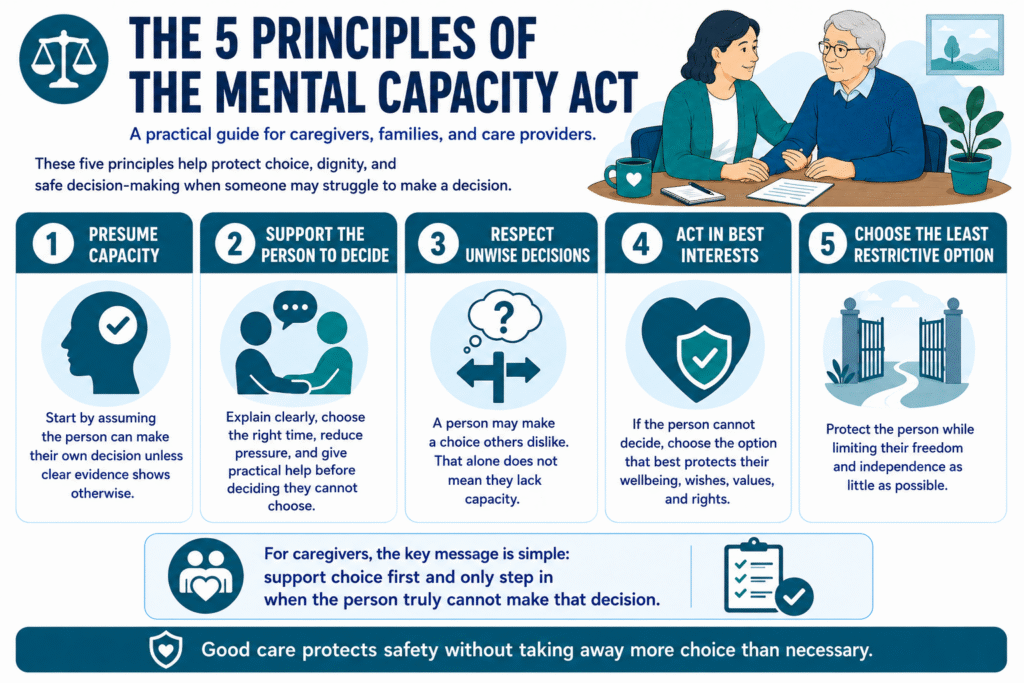
    Industrial injury benefits support workers whose health conditions result directly from their job.

    Invalidity Benefit UK (Legacy Context)

    Invalidity Benefit UK no longer accepts new claims, but some long-term recipients still receive support.

    This benefit:

    • Applied to people unable to work due to illness or disability
    • Has largely been replaced by Employment and Support Allowance (ESA)

    Care providers may still encounter staff or clients affected by these legacy systems.

    Understanding these benefits helps care providers:

    • Support staff facing health-related income loss
    • Navigate compliance with workplace safety expectations
    • Reduce risks linked to injury-related claims

    It also strengthens your position when dealing with inspections, contracts, and workforce policies.

    Care businesses that understand related benefits can better protect staff, improve retention, and meet regulatory expectations.

    These benefits connect closely with loss of earnings, workplace safety, and long-term staff wellbeing, key factors in running a sustainable care service.

    SEE ALSO: Temporary Occupation Permit in the UK (2026): What Care Businesses Must Know

    Common Confusion: Tax vs Benefits (“Disallowed Income” Explained)

    What are Allowable and Disallowable Expenses

    Many people confuse earned income disallowance with tax rules. In reality, the UK treats income differently depending on whether you are dealing with benefits or taxation.

    In benefits, some income is disregarded to support low-income workers, while in tax, income above the Personal Allowance is not disregarded and becomes taxable.

    Income Tax: Personal Allowance

    For the 2026/27 tax year:

    • You can earn up to £12,570 tax-free
    • Any income above this amount becomes taxable

    This is sometimes misunderstood as “disallowed income,” but it simply means the income is no longer exempt from tax.

    Benefits: Income Disregards

    In contrast, benefits like CTR or Universal Credit:

    • Ignore part of your income (earnings disregards)
    • Reduce support gradually as earnings increase

    This creates the idea of earned income disallowance, even though the system uses different terminology.

    Where Confusion Happens

    Search terms like:

    • disallowed earned income credit
    • earned income credit disallowance
    • earned income credit after disallowance

    Often come from misunderstanding or mixing UK and non-UK systems (e.g., US tax credits).

    Why Care Providers Must Understand This

    Care workers often:

    • Earn variable income
    • Combine wages with benefits
    • Cross thresholds that affect both tax and benefits

    If providers misunderstand these systems, they may:

    • Give incorrect guidance to staff
    • Misinterpret earnings impact
    • Affect staff financial stability

    Clear understanding of tax vs benefit rules helps care businesses support staff accurately and avoid costly mistakes.

    By separating taxable income from disregarded income, care providers can better manage payroll expectations and support their workforce effectively.

    Earned Income Disallowance in the Care Business

    Understanding earned income disallowance is not just a technical detail; it directly affects how care businesses operate, retain staff, and meet compliance standards.

    1. Staff Retention and Financial Stability

    Many care workers rely on a mix of wages and benefits. If earnings reduce benefits unexpectedly:

    • Staff may refuse extra shifts
    • Take-home income may drop despite working more
    • Financial stress can increase turnover

    Care providers who understand how earnings affect benefits can structure shifts in a way that supports staff income stability.

    2. Smarter Workforce Planning

    Care businesses often deal with:

    • Variable shift patterns
    • Overtime and weekend pay
    • Part-time and flexible roles

    Without understanding rules like surplus earnings universal credit, providers may unintentionally:

    • Push staff above benefit thresholds
    • Create inconsistent monthly income

    This can lead to reduced motivation and unreliable staffing.

    3. Compliance and Contract Readiness

    Government contracts and funding bodies expect care providers to:

    • Demonstrate workforce stability
    • Maintain fair employment practices
    • Show awareness of staff wellbeing

    Understanding income rules strengthens your position when applying for contracts and inspections.

    Care providers who manage income-related risks effectively position themselves better for tenders and regulatory approval.

    4. Reduced Legal and Operational Risk

    Misunderstanding income and benefits can lead to:

    • Incorrect payroll assumptions
    • Staff disputes over pay and benefits
    • Increased administrative burden

    A clear understanding of loss of earnings, benefit eligibility, and income treatment reduces these risks.

    5. Stronger Employer Reputation

    Care businesses that support staff financially and professionally:

    • Build trust
    • Improve retention
    • Attract better talent

    In a sector facing workforce shortages, understanding income rules gives care providers a real competitive advantage.

    Mastering how earnings interact with benefits allows caregiver businesses to operate more efficiently, support their workforce better, and stay compliant in a highly regulated environment.

    MORE: What is the Health and Safety at Work Act 1974?

    Should Care Providers Get Expert Help?

    Allowable & Disallowable Expenses
    Allowable & Disallowable Expenses

    Care providers often face complex rules around earned income disallowance, benefits, and compliance. While you can manage some of this in-house, many situations require expert support.

    When Should You Seek Help?

    You should consider expert guidance if:

    • Staff frequently rely on Universal Credit or Council Tax Reduction
    • You manage a large or growing workforce
    • You apply for government contracts or funding
    • You handle cases involving loss of earnings or workplace injury
    • You need clarity on earned income disallowance UK eligibility

    These scenarios involve rules that change often and vary by situation.

    Who Can Help?

    Care providers typically work with:

    • Compliance consultants (CQC, RQIA, CIW guidance)
    • Payroll and benefits specialists
    • Bid writers and tender consultants
    • HR advisors with experience in the care sector

    These experts help you interpret complex systems and avoid costly mistakes.

    Benefits of Getting Expert Support

    Working with the right professionals can help you:

    • Protect staff income and improve retention
    • Stay compliant with benefit and employment rules
    • Strengthen your position in tenders and inspections
    • Reduce risks linked to incorrect advice or payroll issues

    Care businesses that use expert support navigate income rules more effectively and operate with greater confidence.

    A Practical Approach

    You do not need to outsource everything. Many successful care providers:

    • Build basic internal knowledge
    • Use experts for complex cases
    • Stay updated with UK GOV.UK guidance and policy changes

    Understanding income rules gives you control. Expert support helps you apply that knowledge correctly, especially in a sector where small mistakes can lead to serious financial or compliance issues.

    Need Help Navigating Care Compliance, Benefits, and Growth?

    At Care Sync Experts, we don’t just explain complex topics like earned income disallowance, we help care businesses apply them in real-world operations.

    Whether you need support with:

    • Understanding how staff earnings affect benefits and retention
    • Preparing for CQC compliance and inspections
    • Writing and winning government tenders
    • Accessing grants and funding opportunities
    • Managing workforce challenges like loss of earnings and benefit eligibility

    We’re here to guide you.

    Don’t let confusion around income rules, benefits, and compliance slow down your growth.

    Let our experts help you build a compliant, stable, and high-performing care business.

    Get Started Today

    Speak with Care Sync Experts and take the next step toward running a smarter, more successful care organisation in the UK.

    FAQ

    What is classed as unearned income in the UK?

    Unearned income refers to money you receive without actively working for it. In the UK, this includes:
    – Rental income from property
    – Interest from savings
    – Dividends from shares
    – Pension income
    – Certain benefits (depending on type)

    Unearned income differs from wages or salaries because it does not come from employment or self-employment.

    What qualifies as earned income?

    Earned income includes money you receive in exchange for work or services. In the UK, this typically covers:
    – Wages and salaries
    – Overtime and bonuses
    – Self-employment income
    – Statutory payments like maternity or sick pay

    Earned income directly affects benefit calculations, including how much support someone can receive.

    What’s the difference between earned and unearned income?

    The key difference lies in how the income is generated:
    Earned income: Comes from work (e.g. wages, self-employment)
    Unearned income: Comes from investments or passive sources (e.g. rent, dividends)

    This distinction matters because:
    – Benefits often assess earned income differently
    – Tax rules may apply different thresholds and rates

    Understanding this difference helps individuals and care providers manage income, benefits, and tax obligations more effectively.

    What income is not taxable in the UK?

    Some types of income are tax-free or exempt under UK rules. Common examples include:
    – Income within the Personal Allowance (£12,570)
    – Personal Independence Payment (PIP)
    – Child Benefit (unless high-income charge applies)
    – Certain compensation payments (e.g. injury-related)
    – Some savings interest (within allowances)
    – Not all income is taxed, but eligibility depends on thresholds and individual circumstances.

    These distinctions help care providers and workers better understand how income affects tax, benefits, and financial planning in the UK.

  • NVQ Level 3 Health and Social Care: Requirements, Jobs, Salary, How to Get It in 2026

    NVQ Level 3 Health and Social Care: Requirements, Jobs, Salary, How to Get It in 2026

    The NVQ Level 3 Health and Social Care (also known as RQF Level 3) is a UK-recognised, work-based qualification designed for care assistants and support workers who want to progress into senior roles. It develops practical skills in care planning, safeguarding, communication, and leadership within real care settings.

    This qualification is equivalent to two A-Levels and focuses on demonstrating competence on the job rather than classroom exams. Employers across the UK widely accept the NVQ Level 3 Health and Social Care UK qualification for roles in care homes, hospitals, supported living, and domiciliary care services.

    In simple terms, if you’re already working in care and want to step up into more responsibility, NVQ Level 3 proves you can deliver safe, high-quality care at a supervisory level.

    Get expert support for your next tender, inspection-ready policies, or CQC registration — book a call with Care Sync Experts today and let’s get you compliant and competitive.

    Key Takeaways

    • NVQ Level 3 Health and Social Care is a work-based qualification at RQF Level 3, equivalent to two A-Levels.
    • It is designed for care assistants and support workers who want to move into senior roles.
    • You must work in a care setting to complete the qualification, as assessment happens on the job.
    • It leads to roles such as Senior Care Assistant, Healthcare Assistant (HCA), or Support Worker.
    • Employers across the UK value it highly, especially in care homes, hospitals, and supported living services.
    • It typically takes 6–12 months to complete, depending on your pace and experience.

    Who is NVQ Level 3 Health and Social Care for?

    CQC Interview Questions 2026: How to Pass First Time

    The NVQ Level 3 Health and Social Care is ideal for people who already work in care and want to take on more responsibility. If you currently support clients with daily living, this qualification helps you move into a more senior, decision-making role.

    This course suits:

    • Care assistants and support workers ready to become senior staff
    • Healthcare assistants (HCAs) working in hospitals or community care
    • Domiciliary (home care) workers handling more complex care plans
    • Personal assistants (PAs) supporting individuals with specific needs

    It also works well for those exploring NVQ Level 3 Health and Social Care for international students, especially candidates aiming to work in the UK care sector. Many employers prefer candidates with health and social care level 3 qualifications because they demonstrate real, hands-on competence.

    If you already hold NVQ Level 2 health and social care (or level 2 health and social care experience), this is the natural next step. You move from following instructions to leading care delivery, supporting junior staff, and contributing to care planning.

    In short, if you want to grow from a care worker into a trusted, senior caregiver, this qualification fits your path perfectly.

    RELATED: What is 24 Hour Live In Care? 2026 Update for Care Businesses

    Jobs You Can Get with NVQ Level 3 Health and Social Care

    The NVQ Level 3 Health and Social Care opens the door to more advanced roles where you take on greater responsibility and support other staff. Employers across the UK actively look for candidates with level 3 health and social care because it proves you can deliver care independently and handle complex situations.

    With this qualification, you can apply for roles such as:

    • Senior Care Assistant – lead shifts, supervise junior staff, and support care planning
    • Healthcare Assistant (HCA) – work in hospitals, clinics, or community healthcare settings
    • Support Worker (Senior Level) – support individuals with complex needs in supported living or residential care
    • Personal Assistant (PA) – provide one-to-one care with increased responsibility

    Many of these roles appear on the UK shortage occupation list, which makes the health and social care level 3 qualification especially valuable for those seeking job stability or visa opportunities.

    From a caregiver’s perspective, this qualification does more than improve your CV; it positions you as someone employers can trust with medication support, safeguarding decisions, and supervising care delivery.

    In simple terms, NVQ Level 3 helps you move from “supporting care” to leading care.

    What is NVQ Level 3 Equivalent To?

    What is NVQ level 3 Equivalent to Jobs and Progression

    The NVQ Level 3 Health and Social Care is equivalent to two A-Levels in the UK education system. It sits at RQF Level 3, which means it represents an advanced level of knowledge and practical skill within a specific profession.

    When people ask “what is NVQ Level 3 equivalent to?”, the simple answer is:

    NVQ Level 3 is equivalent to A-Level standard and demonstrates the ability to work independently and take responsibility in a professional care setting.

    Unlike traditional qualifications such as the BTEC Level 3 Diploma in Health and Social Care, NVQs focus entirely on practical, work-based competence. You don’t sit exams—instead, you prove your skills through real tasks in your workplace.

    Here’s how it compares:

    • NVQ Level 2 (or nvq 2) → Entry-level (similar to GCSE level)
    • NVQ Level 3 → Advanced level (equivalent to A-Levels)
    • BTEC Level 3 Diploma → Classroom-based alternative at the same level

    This means if you already have NVQ Level 2 health and social care or health and social care level 2, progressing to level 3 health and social care shows clear career growth, from basic care support to handling responsibility, supervising tasks, and contributing to care planning.

    For employers, the value is simple: NVQ Level 3 proves you can perform at a senior level in real care environments, not just in theory.

    READ MORE: UK Pensioners PIP Backdated Payments 2025: What You Need to Know in 2026

    How to Get NVQ Level 3 Health and Social Care in the UK

    You don’t get the NVQ Level 3 Health and Social Care through classroom exams—you earn it by proving your skills in a real care environment. If you want to progress in the NVQ Level 3 Health and Social Care UK pathway, follow these steps:

    1. Get a Job in a Care Setting

    Start by working as a care assistant, support worker, or healthcare assistant. Employers usually sponsor or support staff to complete health and social care level 3 while working.

    2. Enrol with an Approved Training Provider

    Choose a recognised college or training provider that offers the NVQ Level 3 health and social care qualification. Many employers partner with providers to train their staff.

    3. Complete Workplace Assessments

    An assessor will observe your work, ask questions, and review how you handle real care tasks such as safeguarding, communication, and care planning.

    4. Build a Portfolio of Evidence

    You will collect evidence from your daily work, this may include:

    • Care plans
    • Incident reports
    • Witness testimonies from supervisors
    • Reflective accounts

    5. Achieve Competence in All Units

    You must demonstrate competence in all required units to complete the qualification. Once approved, you receive your RQF Level 3 certificate.

    Important: You Must Be Working to Qualify

    Unlike traditional courses, you cannot complete NVQ Level 3 without practical experience. The qualification assesses what you do at work, not what you memorise.

    Pro Tip (Caregiver Perspective)

    If you want to get NVQ Level 3 health and social care faster, choose an employer that:

    • Offers training support
    • Provides varied care tasks
    • Has experienced supervisors

    This approach helps you gain evidence quickly and complete your qualification efficiently.

    SEE ALSO: Temporary Occupation Permit in the UK (2026): What Care Businesses Must Know

    Can You Study NVQ Level 3 Health and Social Care Online?

    Yes, you can study parts of the NVQ Level 3 Health and Social Care online, but you cannot complete the qualification fully online.

    Here’s the reality many providers don’t explain clearly: NVQ Level 3 is a work-based qualification, so you must complete practical assessments in a real care setting.

    What “Online” Really Means

    Many providers advertise NVQ Level 3 health and social care online or even NVQ Level 3 health and social care online free, but this usually includes:

    • Online learning materials
    • Virtual support from tutors
    • Digital portfolio submission

    However, you will still need:

    • A care job or placement
    • An assessor to observe your work
    • Real-life evidence of your skills

    Can You Get NVQ Level 3 for Free?

    In some cases, yes.

    You may qualify for NVQ Level 3 courses free if:

    • Your employer funds your training
    • You access government-funded programmes
    • You qualify for apprenticeship schemes

    Caregiver Insight (Important)

    If you already work in care, choosing an online NVQ Level 3 health and social care option can give you flexibility. You can study theory at your own pace while completing assessments during your normal shifts.

    But if you are not working in care yet, focus on getting a job first—because you cannot complete NVQ Level 3 without workplace experience.

    NVQ Level 3 Requirements and Work Placement Explained

    NVQ Level 3 Health and Social Care
    NVQ Level 3 Health and Social Care

    To complete the NVQ Level 3 Health and Social Care, you must meet specific requirements that focus on real, hands-on experience, not classroom learning.

    Core Requirement: You Must Be Working in Care

    The most important requirement is simple: You must work (or be placed) in a care setting to complete NVQ Level 3.

    This is because the qualification assesses your ability to perform tasks in real-life situations, not just your knowledge. Whether you work in a care home, hospital, or supported living service, your daily duties form the basis of your assessment.

    What You Need to Start

    Most training providers expect:

    • A role in health or social care (paid or voluntary)
    • Basic experience, often from level 2 health and social care or similar
    • A supervisor or manager who can support your assessment

    If you already hold NVQ Level 2 health and social care, progressing to RQF Level 3 becomes much easier because you already understand the basics of care delivery.

    How Work Placement and Assessment Work

    Your assessor will evaluate your competence through:

    • Direct observations of your work
    • Professional discussions about your decisions and actions
    • Workplace evidence, such as care plans and reports
    • Witness testimonies from supervisors

    You will build a portfolio that proves you can handle responsibilities such as safeguarding, communication, and person-centred care.

    What You’ll Be Assessed On

    At level 3, the focus shifts from basic care to responsibility. You must show that you can:

    • Support and guide other staff
    • Contribute to care planning
    • Handle safeguarding concerns confidently
    • Communicate effectively with clients, families, and professionals

    Caregiver Insight

    If you want to complete NVQ Level 3 successfully, choose a workplace that gives you exposure to different care situations. The more responsibilities you take on, the easier it becomes to gather evidence and complete your qualification faster.

    NVQ Level 3 (RQF Level 3) is not about passing exams, it’s about proving you can deliver safe, high-quality care in real settings.

    MORE: What Is a Care Needs Assessment? (England Guide for Families and Caregivers)

    NVQ Level 2 vs NVQ Level 3: What’s the Difference?

    What are QCF, NVQ, and RQF Qualifications
    What are QCF, NVQ, and RQF Qualifications

    Understanding the difference between NVQ Level 2 and NVQ Level 3 Health and Social Care helps you choose the right path for your career.

    NVQ Level 2 focuses on basic care skills, while NVQ Level 3 prepares you for senior roles and greater responsibility.

    NVQ Level 2 (Entry-Level Care)

    The NVQ Level 2 health and social care (or level 2 health and social care) is designed for beginners or those new to the care sector.

    At this level, you:

    • Work under supervision
    • Follow care plans created by others
    • Provide basic support such as personal care, feeding, and mobility

    Roles at this stage include:

    • Care Assistant
    • Support Worker
    • Healthcare Assistant (junior level)

    This level builds your foundation in care.

    NVQ Level 3 (Advanced / Senior Care)

    The NVQ Level 3 health and social care (also called health and social level 3) takes your skills to the next level.

    At this level, you:

    • Work more independently
    • Support and guide junior staff
    • Contribute to care planning and decision-making
    • Handle more complex care needs

    Typical roles include:

    • Senior Care Assistant
    • Senior Support Worker
    • Experienced Healthcare Assistant

    Key Differences at a Glance

    • Responsibility:

    NVQ Level 2 = follow instructions
    NVQ Level 3 = lead and make decisions

    • Experience Required:

    NVQ Level 2 = little or no experience
    NVQ Level 3 = prior care experience needed

    • Career Progression:

    NVQ Level 2 = entry into care
    NVQ Level 3 = promotion into senior roles

    Caregiver Insight

    If you already work in care and feel ready to take on more responsibility, moving from nvq level 2 to level 3 health and social care is the natural next step. Employers often expect NVQ Level 3 for supervisory roles, so upgrading your qualification directly improves your career prospects.

    Start with NVQ Level 2 if you’re new to care. Move to NVQ Level 3 when you’re ready to lead, support others, and grow into senior positions.

    READ: What Are Part L Building Regulations? What Care Homes Need to Know in 2026

    Is NVQ Level 3 Health and Social Care Worth It?

    NVQ (QCF) Level 3

    Yes, NVQ Level 3 Health and Social Care is worth it if you want to grow your career, earn more, and take on senior responsibilities in the care sector.

    NVQ Level 3 moves you from basic care roles into trusted, higher-responsibility positions that employers actively look for.

    1. Better Job Opportunities

    With health and social care level 3, you qualify for roles such as:

    • Senior Care Assistant
    • Senior Support Worker
    • Healthcare Assistant (advanced level)

    Many UK employers prefer candidates with level 3 health and social care, especially for roles that involve supervision or complex care.

    2. Higher Earning Potential

    Senior roles usually pay more than entry-level positions. Once you complete NVQ Level 3, you position yourself for:

    • Higher hourly rates
    • More stable contracts
    • Leadership opportunities

    3. Strong Demand in the UK

    Care roles remain in high demand across the UK. In many cases, senior care roles appear on the shortage occupation list, which makes NVQ Level 3 especially valuable for long-term job security.

    4. Career Progression

    This qualification opens the door to:

    • Level 4 or Level 5 diplomas (management level)
    • Specialist roles (e.g., dementia care, mental health support)
    • Nursing pathways (with further study)

    5. Valuable for International Candidates

    For those exploring NVQ Level 3 Health and Social Care for international students, this qualification strengthens your chances of:

    • Securing UK care jobs
    • Meeting employer expectations
    • Progressing within sponsored roles

    Caregiver Insight

    From a real-world perspective, employers don’t just look at experience, they look for proof. NVQ Level 3 shows that you can handle responsibility, support others, and deliver safe, high-quality care consistently.

    When It Might Not Be Right (Honest Take)

    NVQ Level 3 may not suit you if:

    • You are completely new to care (start with NVQ Level 2)
    • You are not currently working in a care setting
    • You are not ready to take on additional responsibility

    If you want to move forward in care, not stay in the same role, NVQ Level 3 is one of the smartest investments you can make in your career.

    SEE MORE: What Is an Enhanced DBS CRB Check? 2026 Update for Care Homes

    Where to Find NVQ Level 3 Health and Social Care Courses Near You

    Finding the right provider for NVQ Level 3 Health and Social Care can make a big difference in how quickly and successfully you complete the qualification.

    Start with Your Employer (Best Option)

    Many care providers in the UK offer in-house training or partner with colleges. If you already work in care, ask your employer first.

    Benefits:

    • Employer-funded training (sometimes free)
    • Easier access to assessors
    • Faster completion due to daily work exposure

    Search for Local Providers

    If you’re not sponsored by an employer, search for: “NVQ Level 3 health and social care near me”

    Look for:

    • Accredited colleges
    • Private training providers
    • Apprenticeship programmes

    Make sure the provider delivers RQF Level 3 qualifications recognised across the UK.

    Consider Online + Workplace Options

    Some providers offer blended learning:

    • Online theory (flexible study)
    • Workplace assessment (mandatory)

    This option works well if you want flexibility while completing your NVQ Level 3 health and social care UK qualification.

    Check for Free or Funded Courses

    You may qualify for:

    • NVQ Level 3 courses free through employer sponsorship
    • Government-funded training schemes
    • Apprenticeships

    Always confirm eligibility before applying.

    What to Look for in a Good Provider

    Choose a provider that offers:

    • Qualified assessors with care experience
    • Strong support throughout your portfolio
    • Clear timelines and expectations
    • Good reviews from other learners

    Caregiver Insight

    Don’t just choose the cheapest course, choose one that supports your growth. A good provider will help you understand your responsibilities, not just tick boxes.

    The best way to complete NVQ Level 3 is to combine:

    • A supportive employer
    • A recognised training provider
    • Real, hands-on care experience

    That combination sets you up for success in both the qualification and your career.

    Conclusion

    The NVQ Level 3 Health and Social Care (RQF Level 3) is more than just a qualification, it’s a career upgrade for caregivers who want to move forward in the UK care sector. It equips you with the practical skills, confidence, and responsibility needed to step into senior roles and deliver high-quality care.

    If you already work in care, this qualification gives you a clear path to progression. If you plan to build a long-term career in the UK, it strengthens your employability and positions you for better opportunities.

    From understanding what NVQ Level 3 is equivalent to, to learning how to get NVQ Level 3 health and social care, the key takeaway is simple: This qualification proves you can perform, lead, and grow in real care environments.

    Take it seriously, choose the right provider, and use it as a stepping stone to higher roles, better pay, and long-term stability in the care industry.

    Need Help Starting or Advancing Your Care Career?

    At Care Sync Experts, we don’t just help care businesses, we also support caregivers looking to build a successful career in the UK health and social care sector.

    Whether you need guidance on:

    • How to get NVQ Level 3 Health and Social Care
    • Choosing the right training provider
    • Understanding UK care job requirements
    • Preparing for senior care roles

    We’re here to help.

    Don’t waste time on the wrong courses or unclear pathways.

    Let our experts guide you toward the right qualification and career opportunities.

    Get Started Today

    Speak with Care Sync Experts and take the next step toward becoming a qualified, in-demand caregiver in the UK.

    FAQ

    How long is a Level 3 Diploma in Health and Social Care?

    Most Level 3 health and social care qualifications take between 6 to 12 months to complete. The exact duration depends on:
    – Your current experience in care
    – How quickly you complete your portfolio
    – The support you receive from your employer and assessor

    Since this is a work-based qualification, learners who actively take on responsibilities often finish faster.

    Can an NVQ Level 3 get me into university?

    Yes, NVQ Level 3 (RQF Level 3) can support university entry, especially for health-related courses such as nursing, social work, or healthcare management.
    However, universities may require:
    – Additional qualifications (e.g. GCSEs in English and Maths)
    – Relevant work experience
    – A strong personal statement

    Some applicants combine NVQ Level 3 with other qualifications to strengthen their application.

    Is NVQ Level 3 difficult?

    NVQ Level 3 health and social care is not about passing exams; it focuses on proving your skills in real work situations.
    You may find it challenging if:
    – You lack practical experience
    – You struggle with documentation and evidence collection

    But if you already work in care and stay consistent, most learners complete it successfully. The key is to stay organised and actively participate in your daily care duties.

    What is an HCA salary in the UK?

    Healthcare Assistants (HCAs) in the UK typically earn:
    – £20,000 – £24,000 per year (entry to mid-level)
    – Up to £26,000+ with experience or senior responsibilities

    With NVQ Level 3 health and social care, you position yourself for higher-paying roles, including senior HCA or team leader positions.

  • What is 24 Hour Live In Care? 2026 Update for Care Businesses

    What is 24 Hour Live In Care? 2026 Update for Care Businesses

    24 hour live in care provides continuous, one-to-one support in a person’s home, ensuring someone is always available to deliver care, supervision, and reassurance. Unlike standard live-in care, which typically involves one carer who rests overnight, 24 hour care uses two carers working in shifts to provide active support both day and night.

    Families often choose 24 hour care at home for elderly individuals who need frequent assistance, including overnight monitoring, mobility support, or help with complex health conditions.

    This type of care allows people to remain safely in familiar surroundings while receiving consistent personal care, companionship, and medical support tailored to their needs.

    Get expert support for your next tender, inspection-ready policies, or CQC registration — book a call with Care Sync Experts today and let’s get you compliant and competitive.

    Key Facts About 24 Hour Live-In Care

    • 24-hour live-in care cost typically ranges from £1,350 to £2,250+ per week, depending on care needs, location, and provider.
    • It provides continuous 24 hour care at home, often using two carers rotating shifts to ensure full coverage.
    • It supports individuals with complex or high-dependency needs, including dementia, mobility issues, and post-hospital recovery.
    • The price of long term care at home can be comparable to or higher than residential care, but it offers greater independence and one-to-one support.
    • Some individuals may qualify for local authority funding for care in your own home, or NHS Continuing Healthcare, which can reduce overall costs.
    • It remains a preferred alternative to care homes for families who want personalised care in a familiar environment.

    RELATED: UK State Pension Age Increase 2026: What Care Businesses Need to Know

    24 Hour Live-In Care vs Standard Live-In Care: What’s the Difference?

    How New Care Providers Can Win NHS And Council Care Tenders With No References UK

    Many families assume all live-in care provides the same level of support, but there is a clear difference between standard live-in care and full 24 hour live in care.

    Standard Live-In Care

    • Involves one carer living in the home
    • Carer works 8–10 hours per day
    • Carer gets sleep breaks at night
    • Suitable for individuals who need support during the day with minimal night-time needs

    24 Hour Live-In Care

    • Involves two carers working in shifts
    • Provides active, waking support day and night
    • No reliance on sleep breaks, someone is always alert
    • Designed for individuals who need continuous supervision or frequent overnight care

    Key Difference (Simple Explanation)

    Standard live-in care offers support with rest periods, while 24 hour home care delivers constant, uninterrupted care coverage.

    Families typically choose 24 hour care when safety becomes a concern at night, for example, if a loved one wanders, requires repositioning, or needs frequent assistance. In these cases, standard live-in care may no longer provide enough support, making 24 hour live in care the safer and more appropriate option.

    What Does a 24 Hour Live-In Carer Do Daily?

    A 24 hour live-in carer delivers continuous, hands-on support throughout the day and night, ensuring the individual remains safe, comfortable, and well cared for at all times. From a caregiver’s standpoint, the role requires consistency, attentiveness, and the ability to respond quickly to changing needs.

    Daily Responsibilities

    • Personal care: Assist with bathing, dressing, toileting, and grooming while maintaining dignity and comfort
    • Medication support: Administer or prompt medication and monitor health conditions
    • Mobility assistance: Help with walking, transfers, repositioning, and fall prevention
    • Meal preparation: Plan and prepare meals based on dietary needs and preferences
    • Companionship: Provide emotional support, conversation, and engagement in daily activities
    • Household tasks: Light cleaning, laundry, and maintaining a safe living environment

    Overnight Responsibilities

    • Monitor the individual’s condition during the night
    • Assist with toileting or continence care
    • Reposition to prevent pressure sores
    • Respond immediately to emergencies or distress

    From a Caregiver Perspective

    Providing 24 hour home care is not just about completing tasks, it requires building trust, understanding routines, and staying alert at all times. Because this level of care often involves two carers working in rotation, each carer must communicate clearly and maintain consistency to ensure seamless support.

    24 hour live in care demands active, continuous involvement, unlike standard live-in care where carers can rest overnight.

    READ MORE: UK Pensioners PIP Backdated Payments 2025: What You Need to Know in 2026

    Who Needs 24 Hour Care at Home?

    What is 24 Hour Live In Care
    What is 24 Hour Live In Care

    Not everyone requires full 24 hour live in care. This level of support becomes necessary when a person’s needs go beyond daytime assistance and require continuous supervision, including during the night.

    People Who Typically Need 24 Hour Care at Home

    • Individuals with advanced dementia
      They may wander at night, become disoriented, or need frequent reassurance and supervision.
    • People recovering from stroke or major surgery
      They often require ongoing mobility support, repositioning, and close monitoring.
    • Those living with Parkinson’s or neurological conditions
      Symptoms can fluctuate throughout the day and night, requiring consistent care.
    • Elderly individuals with high fall risk
      Continuous support helps prevent injuries and ensures immediate assistance if needed.
    • People with complex medical needs
      Including those who require frequent medication, continence care, or overnight interventions.

    When 24 Hour Live-In Care May NOT Be Necessary

    • If support is only needed during the day
    • If the individual sleeps through the night without assistance
    • If occasional visits (domiciliary care) can meet their needs

    24 hour care at home for elderly individuals is most appropriate when safety, supervision, and immediate response are required at all times, especially overnight.

    Quick Decision Guide

    • Needs help only during the day → Standard live-in care or domiciliary care
    • Needs occasional night support → Live-in care with waking nights (sometimes)
    • Needs constant monitoring and overnight care → 24 hour live in care

    How Much Does 24 Hour Live-In Care Cost in the UK?

    The 24-hour live-in care cost in the UK typically ranges from £1,350 to over £2,250 per week, depending on the level of care required, location, and provider. Higher costs usually reflect complex medical needs, waking night support, or specialist care.

    What Affects the Cost?

    • Level of care required: Complex conditions (e.g. dementia, stroke recovery) increase costs
    • Number of carers: True 24 hour care often requires two carers rotating shifts
    • Location: Care in London and the South East tends to cost more
    • Specialist support: Nursing-level care or clinical needs raise pricing

    The live in carer cost increases significantly when continuous waking support is required, compared to standard live-in care.

    Cost Comparison: Home Care vs Care Homes

    Type of CareAverage Weekly Cost
    24 hour live in care£1,350 – £2,250+
    Residential care home£800 – £1,500
    Nursing home care£1,000 – £2,000+
    • Cost of care homes may appear lower, but they provide shared care rather than one-to-one support
    • Nursing home costs UK can approach or exceed live-in care for complex needs
    • Care home charges England vary widely depending on location and services

    Is It Worth the Cost?

    While the price of long term care at home can be high, many families choose it for:

    • One-to-one personalised care
    • Staying in familiar surroundings
    • Greater independence and comfort

    Additional Cost Considerations

    • Food and accommodation for the carer
    • Travel and agency fees
    • Equipment or home adaptations

    Can You Reduce the Cost?

    Some individuals may qualify for:

    • Local authority funding for care in your own home
    • NHS Continuing Healthcare (for complex medical needs)

    These options can significantly reduce the overall home care services cost if eligibility criteria are met.

    SEE ALSO: Temporary Occupation Permit in the UK (2026): What Care Businesses Must Know

    Is 24 Hour Live-In Care Better Than a Care Home?

    Choosing between 24 hour live in care and a residential care home depends on the individual’s needs, lifestyle preferences, and budget. Both options provide support, but they deliver very different experiences.

    Key Differences

    Factor24 Hour Live-In CareCare Home
    EnvironmentStay in your own homeMove into a shared facility
    Care TypeOne-to-one personalised careStaff support multiple residents
    RoutineFully flexibleStructured schedule
    IndependenceHighLimited
    Cost£1,350 – £2,250+ per week£800 – £2,000+ per week

    Why Families Choose 24 Hour Care at Home

    • Familiar environment: Individuals remain in their own home, surrounded by memories and comfort
    • Personalised care: Carers tailor support to one person rather than dividing attention
    • Stronger emotional wellbeing: Reduced stress compared to moving into a facility
    • Family involvement: Loved ones can stay closely involved in daily care

    When a Care Home May Be More Suitable

    • If the individual prefers a social environment with other residents
    • If care needs require specialised medical equipment available on-site
    • If the cost of old people’s home is more affordable than home-based care

    Cost Perspective

    • Cost of care homes may seem lower upfront, but they provide shared attention
    • Care home charges England vary widely based on location and services
    • 24-hour care homes near me searches often reveal limited availability in some areas

    Simple Decision Insight

    • Choose 24 hour home care if you want personalised, one-to-one support in a familiar setting.
    • Choose a care home if you prefer a structured environment with shared care and social interaction.

    From a caregiver business perspective, many families lean toward 24 hour live in care because it offers control, flexibility, and dignity, especially for individuals with complex or evolving needs.

    Common Problems With Live-In Carers (And How to Avoid Them)

    Costs of live-in care in the UK

    While 24 hour live in care offers many benefits, families and providers must address common challenges to ensure safe and effective care delivery. From a caregiver business standpoint, identifying and managing these risks early improves both client outcomes and staff performance.

    Common Problems With Live-In Carers

    • Carer burnout
      Continuous care without proper rotation or rest leads to fatigue and reduced care quality
    • Poor carer-client matching
      Personality clashes or mismatched expectations can affect trust and cooperation
    • Lack of supervision
      Without proper oversight, care standards may drop over time
    • Inconsistent care delivery
      Poor handovers between carers can lead to gaps in support
    • Limited boundaries in private arrangements
      With private live-in carers, families may struggle to manage schedules, expectations, or accountability

    How to Avoid These Problems

    • Use structured shift systems
      True 24 hour care should involve at least two carers rotating shifts to maintain quality
    • Work with regulated providers
      The best live-in care agencies UK follow strict standards, provide training, and monitor performance
    • Ensure proper onboarding and matching
      Match carers based on skills, experience, and personality fit
    • Maintain clear communication
      Daily logs, care plans, and handover notes ensure continuity
    • Schedule regular reviews
      Monitor care quality and adjust plans as needs change

    Agency vs Private Carers

    • Private live-in carers may offer lower costs but often lack structure, training, and oversight
    • Agencies provide:
      • vetted carers
      • backup support
      • compliance with CQC standards

    Key Insight

    Most problems with live-in carers arise from poor structure, lack of supervision, or unrealistic expectations, not from the care model itself.

    From a caregiver business perspective, strong systems, proper staffing, and continuous monitoring turn 24 hour live in care into a reliable and high-quality solution for families.

    MORE: What are Cold Weather Payments? Eligibility & How to Claim (2026)

    Can You Get Funding for 24 Hour Care at Home?

    Many families worry about the cost of 24 hour live in care, but financial support may be available depending on your circumstances. Understanding funding options can significantly reduce the overall burden of long-term care.

    Local Authority Funding for Care in Your Own Home

    Local councils can provide local authority funding for care in your own home if you meet certain criteria.

    To qualify:

    • You must complete a care needs assessment
    • Your financial situation will be reviewed (means-tested)
    • The council will determine how much support you need

    If eligible, the council may:

    • Contribute toward your care costs
    • Arrange care services directly
    • Offer a personal budget so you can choose your provider

    NHS Continuing Healthcare (CHC)

    For individuals with complex medical needs, the NHS may fully fund care through Continuing Healthcare.

    This applies if:

    • Your primary need is health-related rather than social care
    • You require ongoing medical supervision

    NHS Continuing Healthcare can cover the full cost of 24 hour home care, including carers, equipment, and support services.

    Other Financial Support Options

    • Attendance Allowance: For individuals over State Pension age needing help with personal care
    • Personal savings or insurance: Many families combine private funding with support schemes
    • Home care coverage plans: Some providers offer structured payment options

    Important Cost Insight

    • Funding for home care is not automatic, you must apply and meet eligibility criteria
    • Even with support, you may still contribute toward home care services cost depending on your financial assessment

    How to Choose the Best Live-In Care Agency in the UK

    Key benefits of 24-hour care at home
    Key benefits of 24-hour care at home

    Choosing the right provider determines the quality, safety, and consistency of 24 hour live in care. From a caregiver business perspective, families should focus on reliability, regulation, and long-term support, not just price.

    What to Look For in a Care Provider

    • CQC Registration
      Ensure the agency is registered with the Care Quality Commission (CQC) in England. This confirms the provider meets required safety and quality standards.
    • Experienced and Trained Carers
      The best providers invest in training, especially for complex conditions like dementia or post-stroke care.
    • Structured Care Plans
      A strong agency creates personalised care plans and updates them regularly as needs change.
    • 24/7 Monitoring and Support
      Reliable agencies offer ongoing supervision, emergency support, and regular quality checks.
    • Carer Matching Process
      The best live-in care agencies UK carefully match carers based on skills, experience, and personality fit.

    Agency vs Private Live-In Carers

    • Private live-in carers
      • Lower upfront cost
      • Less oversight
      • No guaranteed backup if the carer is unavailable
    • Agency-provided carers
      • Fully vetted and trained
      • Ongoing supervision and compliance
      • Backup carers available when needed

    While private live-in carers may seem cost-effective, agencies provide structure, accountability, and consistency, especially important for 24 hour care.

    Questions to Ask Before Choosing a Provider

    • Are you fully CQC registered and inspected?
    • How do you handle emergencies or carer absence?
    • What experience do your carers have with similar conditions?
    • How do you ensure continuity between carers in 24 hour care?

    Key Insight

    The right provider does more than deliver care, they manage risk, ensure consistency, and support both the client and their family.

    For families investing in 24 hour home care, choosing a regulated, experienced agency often leads to better outcomes, fewer disruptions, and higher overall care quality.

    READ: What Is the Care Certificate? 2026 Update

    Live-In Care Jobs in the UK: What Caregivers Should Know

    The demand for 24 hour live in care continues to grow across the UK, creating strong opportunities for caregivers seeking stable and meaningful work. From a caregiver business perspective, understanding the realities of these roles helps both agencies and carers maintain high-quality care delivery.

    What Live-In Care Jobs Involve

    • Living in the client’s home for a set period (often 1–2 weeks on rotation)
    • Providing personal care, companionship, and daily support
    • Assisting with mobility, meals, and medication
    • Working closely with another carer in 24 hour care setups
    • Maintaining clear communication and care records

    Types of Live-In Care Jobs

    • Agency roles:
      Structured schedules, training, and ongoing support
    • Private live in care jobs non agency UK:
      Direct arrangements with families, often with more flexibility but less oversight

    Pay and Working Conditions

    • Weekly pay varies depending on experience and complexity of care
    • Many roles include accommodation and meals
    • Work involves long hours and requires emotional resilience

    Live-in care jobs UK often appeal to caregivers who value continuity, relationship-building, and meaningful impact in clients’ lives.

    Challenges Caregivers Should Expect

    • Physical and emotional demands of continuous care
    • Managing boundaries while living in someone else’s home
    • Night-time responsibilities in 24 hour home care setups
    • Adapting to different client needs and routines

    Why Agencies Matter for Caregivers

    Working with established providers offers:

    • Training and professional development
    • Compliance with care standards
    • Backup support and structured shifts
    • Safer working conditions

    Key Insight

    Providing 24 hour live in care requires more than basic caregiving skills; it demands consistency, communication, and the ability to deliver high-quality care under pressure.

    For caregiver businesses, investing in training, fair scheduling, and proper support systems ensures both carers and clients benefit from a sustainable and effective care model.

    Need Help Setting Up or Managing 24 Hour Live-In Care?

    Get expert support for care planning, CQC-compliant systems, and high-quality caregiver matching. Book a call with Care Sync Experts today, and let’s help you deliver safe, consistent, and fully supported care at home.

    FAQ

    How much is a live-in carer paid in the UK?

    Live-in carers in the UK typically earn between £600 and £1,200 per week, depending on experience, responsibilities, and whether they work through an agency or privately. Carers providing 24 hour live in care or supporting complex needs often earn at the higher end due to the intensity of the role.

    How much does an overnight carer cost in the UK?

    An overnight carer usually costs between £120 and £250 per night, depending on whether the care is:
    – Sleeping night care (carer can rest but remains on call)
    – Waking night care (carer stays awake and provides active support)

    Waking night care costs more because it requires continuous attention, similar to 24 hour home care setups.

    Who pays for a live-in carer in the UK?

    Payment for a live-in carer depends on the individual’s financial and care situation. Funding can come from:
    – Private funds (self-funded care)
    – Local authority funding after a means-tested assessment
    – NHS Continuing Healthcare (CHC) for individuals with complex medical needs

    In many cases, families combine private funds with local authority funding for care in your own home to cover the full cost.

    How much should I pay a private carer in the UK?

    Private carers in the UK typically charge between £15 and £30 per hour, depending on experience and level of care required. For full-time arrangements, weekly rates for private live-in carers can range from £700 to £1,400+, but costs may increase for complex or 24 hour care needs.

    Choosing private care may reduce costs, but it also requires managing schedules, compliance, and backup support independently.

  • UK Pensioners PIP Backdated Payments 2025: What You Need to Know in 2026

    UK Pensioners PIP Backdated Payments 2025: What You Need to Know in 2026

    UK pensioners PIP backdated payments 2025 apply when a Personal Independence Payment backdated award is approved, covering the period between the claim start date (or qualifying period) and the final decision. Most claimants receive arrears automatically, often as a lump sum that can exceed £5,000 depending on the delay and the rate awarded.

    In practice, personal independence payment backdated amounts depend on eligibility, the 3-month qualifying rule, and how long the decision takes. Caregivers and families should understand that these payments are not bonuses; they are owed support for care needs that already existed before approval.

    Get expert support for your next tender, inspection-ready policies, or CQC registration — book a call with Care Sync Experts today and let’s get you compliant and competitive.

    Key Takeaways

    • PIP payments are automatically backdated once a claim is approved, covering the period from the claim date or after the 3-month qualifying rule.
    • PIP backdated payments how long: most claimants wait around 12–20 weeks for a decision, which directly increases the lump sum owed.
    • PIP backdated payments how much: arrears can exceed £5,000, depending on the award rate and delay length.
    • You must be under State Pension age at first claim, but existing claims can continue beyond that age.
    • Back payments usually arrive within 3–14 days after the decision letter, often before regular monthly payments begin.
    • Caregivers should track claim timelines closely, because delays directly affect care funding and service planning.

    What Are PIP Backdated Payments? (Caregiver Perspective)

    Care Tenders UK 2026: How to Find & Win Local Authority Contracts

    PIP payments backdated refer to money the DWP owes a claimant for the period they were already eligible but had not yet received a decision. A personal independence payment backdated award ensures individuals receive full financial support for care and mobility needs that existed before approval.

    From a caregiver standpoint, this delay creates real pressure.

    Care providers often step in before funding arrives, supporting clients who already need help with daily living or mobility. During this gap:

    • Families may cover care costs out-of-pocket
    • Providers may deliver limited or unpaid support
    • Care plans may be delayed or reduced

    Backdated payments correct this gap.

    When the DWP approves a claim, it calculates the total owed from:

    • the initial claim date, or
    • the point the 3-month qualifying condition is met

    For caregivers, this lump sum often:

    • stabilizes ongoing care arrangements
    • clears outstanding care costs
    • allows upgrades in care quality (more hours, better support)

    In simple terms, personal independence payment backdated amounts are not extra money; they restore missed care funding that should have been in place earlier.

    RELATED: Temporary Occupation Permit in the UK (2026): What Care Businesses Must Know

    Who Qualifies in 2025?

    To receive UK pensioners pip backdated payments 2025 England, a claimant must meet strict eligibility rules set by the DWP. The most important rule is simple: You must have been under State Pension age when you first applied for PIP.

    Caregivers should pay close attention to this because it directly affects whether a client can receive pip payments backdated at all.

    Key Eligibility Rules

    • Age requirement: New claims must start before reaching State Pension age
    • Existing claims: If a claimant already receives PIP, payments can continue after pension age
    • Care needs: The claimant must show daily living or mobility needs for at least 3 months
    • Ongoing condition: The condition must be expected to last at least 9 more months

    What About Reviews and Ongoing Awards?

    PIP does not stop automatically at pension age. The DWP assigns a pip award length 2025 based on the claimant’s condition, which can range from:

    • short-term awards (1–2 years)
    • longer-term or ongoing awards (5+ years or “light touch review”)

    During reviews:

    • Payments may increase → leading to backdated payments after review
    • Payments may stay the same
    • In some cases, payments may stop if criteria are no longer met

    Care providers should monitor review dates closely, because pip reassessment changes can affect both ongoing income and any future arrears.

    Important Exception (Often Missed)

    Some pensioners may still qualify for backdated payments through:

    • DWP administrative reviews
    • past decision errors
    • reassessment outcomes

    These cases often fall under pip backdated payments after review, and they can result in significant lump sums.

    Eligibility for UK pensioners pip backdated payments 2025 depends on when the claim started, not the claimant’s current age. Caregivers who understand this rule can prevent clients from missing out on thousands in owed support.

    READ MORE: UK State Pension Age Increase 2026: What Care Businesses Need to Know

    When Are PIP Payments Backdated? (Dates & Timing)

    Personal Independence Payment statistics

    UK pensioners PIP backdated payments 2025 dates depend on when the claim started and when the claimant met the qualifying conditions.
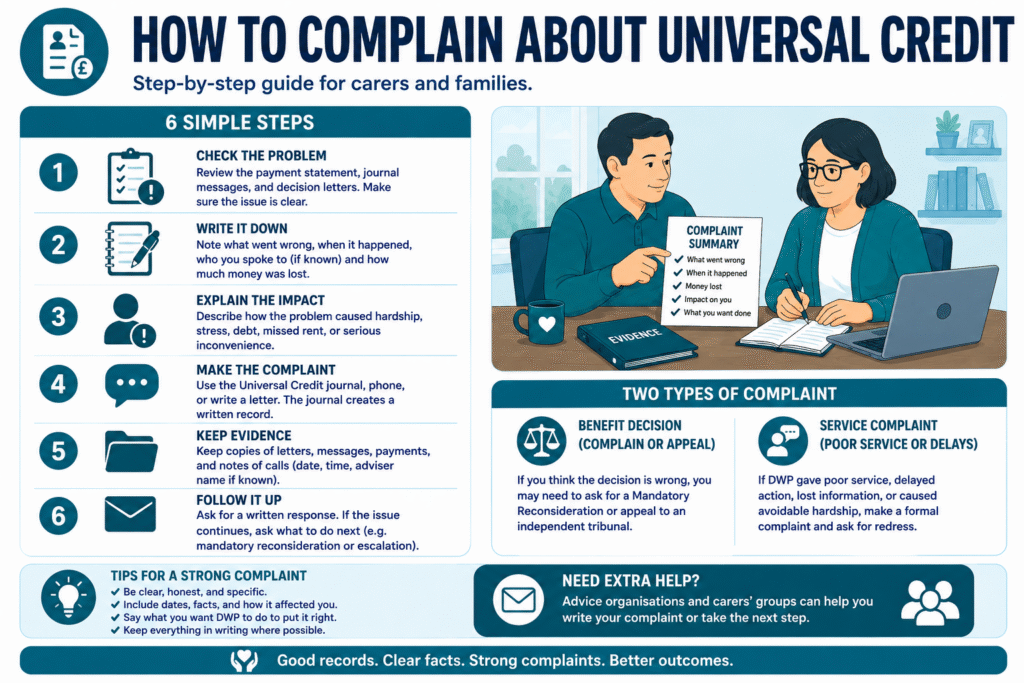
    The DWP usually backdates payments to the claim start date or the point the 3-month qualifying period is satisfied, whichever comes later.

    How the Timeline Works

    Caregivers should understand this sequence clearly:

    1. Initial claim date – when the claimant first contacts the DWP
    2. 3-month qualifying period – care needs must already exist for 13 weeks
    3. Assessment and decision phase – where delays often occur
    4. Decision date – triggers the lump sum payment

    This gap between steps 1 and 4 is what creates pip payments backdated amounts.

    PIP Backdated Payments – How Long Does It Take?

    PIP backdated payments how long depends on processing times.

    • Average wait time in 2025–2026: 12–20 weeks
    • Complex cases or reviews may take longer
    • The longer the wait, the larger the back payment

    Care providers should expect delays and plan care support accordingly.

    How Long to Wait for PIP Award Letter?

    Many families ask:

    How long to wait for PIP award letter?

    • Most claimants receive a decision letter within 2–4 weeks after assessment
    • Backdated payments usually arrive 3–14 days after the letter
    • In some cases, money arrives before the letter

    Real-World Impact (Caregiver Insight)

    From a care perspective, delays are not just administrative, they affect lives.

    During the waiting period:

    • Care may be reduced due to lack of funds
    • Families carry financial stress
    • Providers delay full care plans

    When the payment finally arrives, it often restores months of delayed care funding in one lump sum.

    The longer the decision takes, the more pip payments backdated a claimant receives, but caregivers must manage the care gap until that payment arrives.

    SEE ALSO: What Time Is Sundowning? 2026 Update for Care Workers

    How Much Can Pensioners Receive? (Rates & Examples)

    PIP backdated payments how much a claimant receives depends on the PIP rate, the award level, and how long the decision took.

    The DWP calculates backdated payments by multiplying the weekly rate by the number of weeks owed.

    2025/26 PIP Rates (Key Figures)

    • Enhanced Daily Living: £110.40 per week
    • Standard Daily Living: £73.90 per week
    • Enhanced Mobility: £77.05 per week
    • Standard Mobility: £29.20 per week

    These figures answer the common question: how much is pip per week.

    How Much Is PIP Per Month?

    PIP is paid every 4 weeks.

    • Enhanced Daily Living ≈ £441.60 per month
    • Enhanced Mobility ≈ £308.20 per month

    Combined awards can exceed £700+ per month, depending on eligibility.

    Example: Backdated Payment Calculation

    If a claimant waits 16 weeks for a decision and receives:

    • Enhanced Daily Living (£110.40)

    Backdated amount:

    • £110.40 × 16 = £1,766.40

    If both components are awarded:

    • (£110.40 + £77.05) × 16 = £2,998.40

    This is why pip payments backdated can quickly reach several thousand pounds.

    Using a PIP Back Pay Calculator

    Caregivers and families can estimate arrears using a:

    • pip back pay calculator
    • pip back pay calculator gov UK tools

    These help:

    • forecast expected lump sums
    • verify DWP calculations
    • identify underpayments

    Caregiver Insight

    From a care provider’s perspective, this lump sum often:

    • clears unpaid care costs
    • funds additional care hours
    • stabilizes long-term care planning

    In many cases, personal independence payment backdated amounts represent months of delayed support finally being delivered at once.

    PIP backdated payments how much depends on the weekly rate and delay length, but even average cases can result in £1,500–£5,000+ in owed support.

    Special Cases: Reviews, Errors & Large Back Payments

    PIP assessment guide

    Not all pip payments backdated come from new claims. Some of the largest arrears come from reviews, reassessments, or DWP errors.

    When the DWP increases or corrects an award, it often backdates the difference to the date the change should have applied.

    PIP Backdated Payments After Review

    PIP backdated payments after review happen when:

    • A claimant reports a change in condition
    • The DWP conducts a scheduled review
    • A reassessment increases the award

    In these cases, the DWP pays the difference between:

    • the old rate
    • the new rate

    from the effective change date, not the decision date.

    PIP Reassessment Changes (What Caregivers Should Watch)

    PIP reassessment changes can lead to:

    • Increased payments → backdated arrears
    • No change → no arrears
    • Reduced or stopped payments

    Care providers should:

    • track reassessment timelines
    • document worsening conditions early
    • support clients in submitting strong evidence

    Strong medical evidence often determines whether arrears are granted.

    When PIP Payments Were Stopped (Then Reinstated)

    Some claimants experience:

    • PIP claimants payments stopped DWP
    • followed by appeal or reconsideration

    If the claimant wins:

    • payments restart
    • full arrears are backdated to the stop date

    These cases can result in very large lump sums.

    Administrative Errors & Special Reviews

    In rare but important cases, the DWP reviews past decisions due to:

    • legal changes
    • policy errors
    • incorrect assessments

    These can lead to:

    • backdated payments over several years
    • five-figure arrears in some cases

    Caregiver Insight

    From a caregiver perspective, these cases are critical.

    Delayed or incorrect decisions can:

    • interrupt care delivery
    • reduce support levels
    • create financial instability

    When corrected, pip payments backdated restore not just income, but missed care capacity.

    The largest pip backdated payments after review often come from reassessments and errors, not new claims. Caregivers who monitor reviews closely can help clients recover significant unpaid support.

    MORE: Will a Bladder Infection Cause Nausea UTI? A Caregiver’s Guide (2026)

    Caregiver Insight: Why Backdated Payments Matter

    uk pensioners pip backdated payments 2025
    uk pensioners pip backdated payments 2025

    For caregivers, personal independence payment backdated amounts are not just financial, they directly affect care delivery.

    Backdated payments restore funding for care that already took place but was not properly supported at the time.

    The Real Impact on Care

    When PIP decisions are delayed:

    • Families often fund care privately
    • Care providers reduce hours or delay services
    • Vulnerable clients receive less consistent support

    This creates a gap between need and funding.

    How Backdated Payments Change Care Outcomes

    Once pip payments backdated are released, they often:

    • cover unpaid or reduced care services
    • allow immediate increase in care hours
    • improve access to mobility or specialist support

    Care providers can then:

    • stabilize care plans
    • assign consistent staff
    • improve quality of care delivery

    Why Caregivers Should Track Claims Closely

    From a caregiver business perspective:

    • Delays = underfunded care
    • Faster approvals = better service delivery

    Care teams should:

    • track claim timelines
    • help families gather medical evidence
    • follow up when delays exceed expected timelines

    Even small delays can mean thousands in unpaid support.

    Linking to Broader Financial Planning

    Backdated payments also connect to:

    • long-term care budgeting
    • use of tools like a UK State Pension calculator
    • coordination with other benefits

    This ensures care remains sustainable beyond the initial lump sum.

    For caregivers, personal independence payment backdated support is not optional funding, it is essential to delivering consistent, high-quality care when it matters most.

    READ: What is an SR1 Form? 2026 Guide for UK Care Providers

    What To Do If You Are Owed Backdated PIP Payments

    If you believe you are missing personal independence payment backdated money, act quickly. The DWP calculates arrears automatically, but errors and omissions still happen.

    You have the right to challenge incorrect backdating if the start date or amount looks wrong.

    Step 1: Check Your Award Letter Carefully

    Look for:

    • “From date” – this determines when payments start
    • Award level (daily living/mobility)
    • Total amount paid

    If the date does not match your claim or qualifying period, you may be underpaid.

    Step 2: Contact the DWP Immediately

    Call the PIP enquiry line and ask for:

    • a breakdown of your calculation
    • clarification on your start date

    This step often resolves simple errors without escalation.

    Step 3: Request Mandatory Reconsideration

    If the issue remains:

    • request a Mandatory Reconsideration (MR)
    • do this within 1 month of the decision

    Explain clearly:

    • why the backdating date is incorrect
    • provide supporting evidence (GP records, care notes)

    Step 4: Support Your Case with Evidence

    Strong evidence increases success:

    • medical records
    • care provider notes
    • timelines showing when needs began

    This is critical for correcting pip payments backdated amounts.

    Step 5: Track Related Benefits (If Applicable)

    Some claimants may also need to:

    • notify HMRC (if receiving tax credits)
    • review related entitlements

    In rare cases, this may connect to:

    • dwp universal credit compensation
    • overlapping benefit adjustments

    Caregiver Role in This Process

    Care providers play a key role by:

    • documenting care needs early
    • helping families understand timelines
    • supporting evidence collection

    This increases the chance of recovering full personal independence payment backdated amounts.

    If something looks wrong, challenge it. Many claimants recover additional thousands simply by reviewing their award and taking action within the deadline.

    2026 Updates & Policy Changes (What to Expect)

    Understanding PIP Applicant Experiences
    Understanding PIP Applicant Experiences

    Recent updates and upcoming reforms continue to shape how pip payments backdated and ongoing awards work. Caregivers and families should stay informed because small policy shifts can affect both eligibility and payment timelines.

    The DWP is actively reviewing the PIP system, with changes focused on assessments, backlog reduction, and payment accuracy.

    DWP PIP Reforms 2026

    DWP PIP reforms 2026 aim to:

    • reduce assessment backlogs
    • improve review processes
    • increase digital tracking of claims

    Faster decisions may reduce how much arrears build up, but improve access to support earlier.

    PIP Benefit Changes 2026

    PIP benefit changes 2026 may include:

    • updated assessment criteria
    • more frequent reassessments for some claimants
    • clearer guidance for long-term conditions

    Caregivers should expect:

    • more structured review timelines
    • increased documentation requirements

    Changes to Benefits Announced Today (Ongoing Trends)

    Across the wider system, changes to benefits announced today often affect:

    • payment rates (inflation adjustments)
    • processing timelines
    • integration with other support systems

    These changes influence how personal independence payment backdated amounts are calculated over time.

    Other Payments & Support to Watch

    Some claimants may also receive:

    • one off payments before new year pension (cost-of-living support)
    • adjustments linked to wider benefit updates

    These are separate from PIP but can affect overall financial planning.

    Caregiver Insight

    From a care provider perspective:

    • Faster decisions = better care continuity
    • Policy changes = need for closer monitoring

    Care teams should:

    • stay updated on DWP announcements
    • prepare clients for reassessments
    • adjust care planning based on benefit changes

    Conclusion

    Backdated PIP payments are more than a lump sum; they reflect missed care funding finally being delivered. For pensioners, families, and care providers, understanding how pip payments backdated work can mean the difference between delayed support and stable, consistent care.

    The rules may seem complex, but one thing is clear: If the need existed, the support should follow.

    Need Help Navigating PIP, Care Funding, or Compliance?

    Care Sync Experts helps care providers and families across the UK understand benefits like personal independence payment backdated awards, while staying compliant and financially prepared.

    From claim guidance to care planning and funding strategies, we turn complex systems into clear, actionable steps.

    Get in touch today and ensure no care support goes unclaimed.

    FAQ

    How far back can PIP be backdated?

    PIP is usually backdated to the claim start date or the point the 3-month qualifying period is met, whichever comes later. In most cases, this means a few months of arrears. However, in special situations such as DWP errors or review cases, payments can be backdated much further.

    How do I know if PIP owes me money?

    You can tell if you are owed money by checking your award letter. Look for the “from date” and compare it to when your care needs started or when you first applied. If the dates do not match, or if no lump sum was paid after approval, you may be owed pip payments backdated.

    Does everyone get PIP backpay?

    No, not everyone receives backpay. You only get pip payments backdated if:
    – your claim is approved, or
    – your award is increased after a review

    If your claim is refused or remains unchanged, no arrears are paid.

    Can I work and still receive PIP?

    Yes, you can work and still receive PIP. The benefit is based on how your condition affects your daily living and mobility, not your employment status. Many claimants continue working while receiving PIP, as long as they meet the eligibility criteria.