Tag: regulations

  • Supported Accommodation Regulations: 2026 Practical Ofsted Compliance Guide

    Supported Accommodation Regulations: 2026 Practical Ofsted Compliance Guide

    Supported accommodation regulations set clear expectations for providers supporting looked-after children and care leavers aged 16 and 17 in England. If your organisation provides this type of accommodation, you must register with Ofsted, meet the required quality standards and show that your service helps young people live more safely and independently.

    The Ofsted supported accommodation regulations do more than require providers to complete paperwork. They expect leaders, managers and care teams to create homes where young people feel safe, listened to and prepared for adult life. Your staff should understand each young person’s needs, respond quickly to concerns and keep clear records that show how support improves outcomes.

    This guide explains the key supported accommodation regulations that providers need to understand in 2026, including registration, quality standards, serious incident reporting, six-month reviews and inspection preparation. It focuses on the Ofsted framework for 16- and 17-year-old looked-after children and care leavers, rather than the separate wider reforms affecting adult supported housing.

    Get expert support for your next tender, inspection-ready policies, or CQC registration — book a call with Care Sync Experts today and let’s get you compliant and competitive.

    Who Do the Ofsted Supported Accommodation Regulations Apply To?

    CQC Inspection 2026: What Domiciliary Care Providers Must Know

    The Ofsted supported accommodation regulations apply to providers that accommodate looked-after children and care leavers aged 16 and 17 in England. These services should help young people develop independence while giving them the practical support, safety and stability they still need.

    Providers must register with Ofsted before operating a supported accommodation service. At registration, they must state which type of accommodation they plan to provide. The four recognised models are:

    • Single occupancy accommodation: a home or flat used by one young person.
    • Ring-fenced shared accommodation: shared housing only for looked-after children and care leavers.
    • Non-ring-fenced shared accommodation: shared housing where young people may live alongside other adults.
    • Supported lodgings or private residences: accommodation in a private home, with support for the young person.

    A provider should never treat supported accommodation as a lower-cost substitute for a children’s home. Supported accommodation works best for young people who can begin building independence with the right relationships, structure and support around them. Where a young person needs consistent care, close supervision or a more intensive therapeutic response, the placing authority may need to consider a different type of placement.

    The Guide to the Supported Accommodation Regulations 2023 makes this distinction important. Providers must show that each placement is suitable for the young person, not simply that a room is available. This differs from the Children’s Home Regulations, which govern homes that provide care as well as accommodation.

    RELATED: Mock CQC Inspection: A Practical 2026 Checklist for Care Providers

    The Four Quality Standards: What Care Teams Need to Deliver Every Day
    Preparing for an Ofsted inspection
    Preparing for an Ofsted inspection

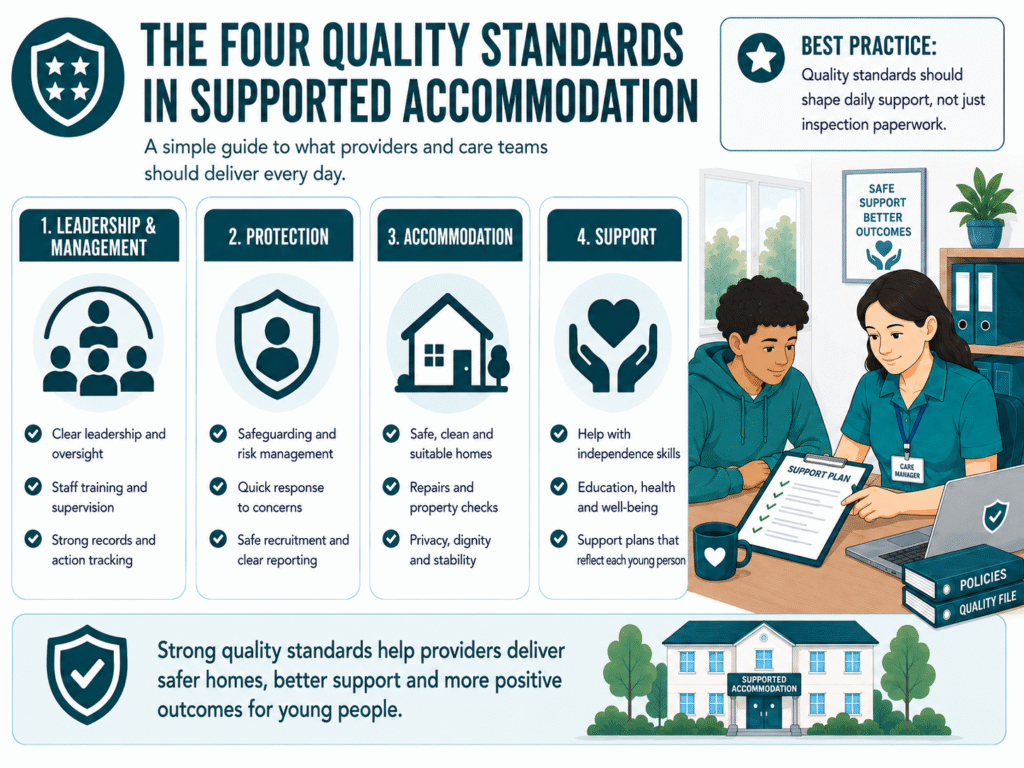
    The supported accommodation regulations set four quality standards that shape how providers lead services, protect young people and support them towards independence. Caregivers should see these standards as part of daily practice, not as documents that only matter during an Ofsted visit.

    1. Leadership and management

    Leaders must run a safe, well-organised service with the right staff, clear policies and effective oversight. They should support workers through training, supervision and regular communication.

    For caregivers, this means knowing who to speak to when concerns arise, recording information accurately and following through on agreed actions. Strong managers also make sure staff understand each young person’s goals, risks and support plan.

    2. Protection

    The protection standard focuses on safeguarding. Providers must help young people feel safe, manage risks well and respond quickly when concerns arise.

    Staff should recognise signs of exploitation, abuse, missing episodes, self-neglect, unsafe relationships or declining mental health. They should report concerns promptly, follow safeguarding procedures and work closely with social workers, placing authorities and other professionals.

    3. Accommodation

    Young people need more than a vacant room. Providers should offer safe, clean, secure and homely accommodation that supports privacy, dignity and independence.

    Care teams should report repairs, hazards or damage quickly. They should also help young people understand how to look after their living space, manage household routines and raise concerns about where they live.

    4. Support

    The support standard focuses on helping young people prepare for adult life. This may include budgeting, cooking, education, employment, health appointments, tenancy skills, relationships and emotional well-being.

    The Ofsted supported accommodation inspection framework looks beyond policies. Inspectors want to see how support affects young people’s experiences and progress. A provider can show this through clear support plans, young people’s feedback, staff records and evidence that the service responds when something is not working.

    Good supported accommodation gives young people practical help, trusted relationships and a genuine voice in the support they receive.

    READ MORE: CQC Statement of Purpose: 2026 Practical Guide for Care Businesses

    Registration, Leadership and Accountability: Who Is Responsible?

    Every supported accommodation provider needs clear leadership from the start. Ofsted expects providers to show who holds responsibility for the service, how they oversee quality and how they respond when concerns arise.

    The nominated individual represents the organisation at senior level. They should have enough authority to make decisions, challenge poor practice and make sure the provider meets the supported accommodation regulations. They also act as a key point of contact with Ofsted.

    The registered service manager leads the day-to-day operation of the service. They should make sure staff understand policies, complete accurate records, respond to safeguarding concerns and keep young people’s plans up to date. They also need to track incidents, complaints, staff performance and placement outcomes.

    Caregivers support this structure through their daily work. They should:

    • record concerns clearly and promptly;
    • follow support and safeguarding plans;
    • raise risks before they escalate;
    • contribute to handovers, reviews and supervision;
    • listen to young people and act on what they say.

    A strong provider does not wait for an Ofsted inspection to find gaps. Leaders should review practice regularly, ask staff and young people what is working, and take action when a service falls below the expected standard.

    Regulation 27 Notifications: When Providers Must Tell Ofsted

    Regulation 27 requires providers to notify Ofsted about serious events that could affect a young person’s safety, welfare or placement stability. Staff should not treat these notifications as routine paperwork. They give leaders, placing authorities and Ofsted a clear picture of serious risks and how the service responded.

    A provider should have a simple process that helps staff act quickly:

    1. Make sure the young person is safe.
    2. Contact emergency services or safeguarding professionals where needed.
    3. Inform the registered service manager or on-call leader.
    4. Record what happened, what action staff took and who they contacted.
    5. Submit the required notification to Ofsted within the expected timeframe.
    6. Review the incident afterwards and improve practice where needed.

    Examples may include serious safeguarding concerns, major incidents at the property, serious injuries, missing episodes or events that significantly affect a young person’s welfare. The exact reporting duty depends on the nature of the incident, so staff should always follow the provider’s policy and seek management guidance immediately.

    A strong reg 27 supported accommodation notification process does more than show that the provider reported an event. It should also show that staff protected the young person, involved the right agencies and learned from what happened. That is what makes regulation 27 Ofsted supported accommodation reporting meaningful during inspection.

    SEE ALSO: What is Regulated Activity? 2026 DBS Update, Examples

    Regulation 32 Reviews: Turn Six-Month Reviews Into Better Care
    Supported Accommodation Regulations
    Supported Accommodation Regulations

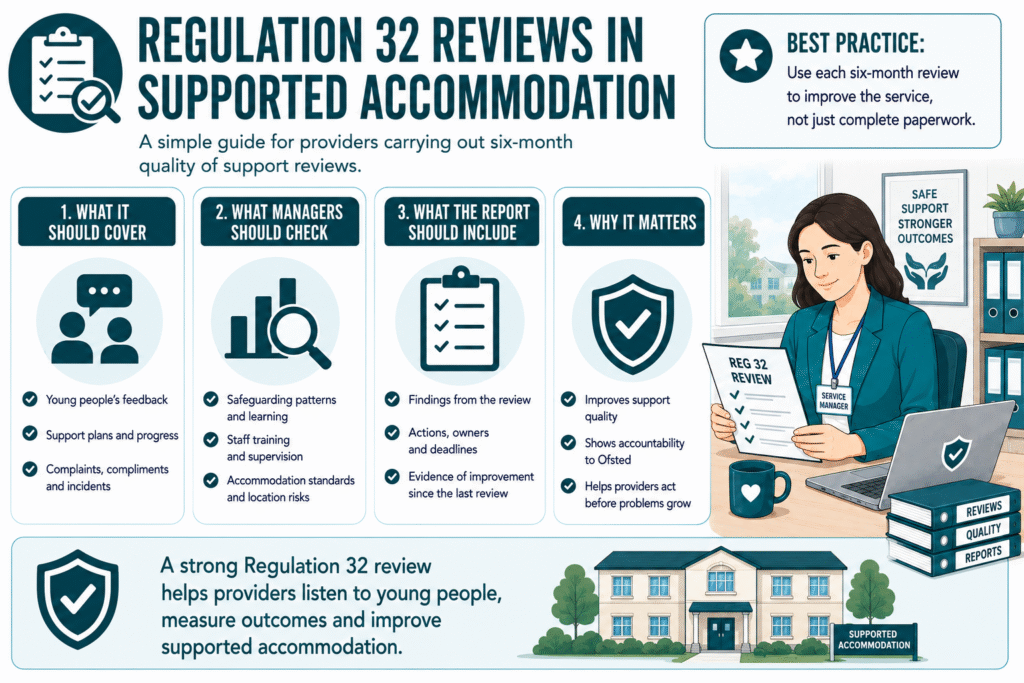
    Regulation 32 requires the registered person to complete a quality of support review at least every six months. This review should help providers understand whether young people receive the right support, feel safe where they live and make progress towards independence.

    A strong review should not become a box-ticking exercise. It should look at what young people actually experience across the service.

    Your review should consider:

    • feedback from young people;
    • support plans, goals and progress;
    • complaints, concerns and compliments;
    • safeguarding incidents and what staff learned from them;
    • missing-from-home episodes or placement breakdowns;
    • staff training, supervision and practice;
    • accommodation standards, repairs and location risks;
    • whether actions from the previous review improved the service.

    After the review, the registered person must produce a written report that explains the findings and sets out the actions they plan to take. Providers should send this report to Ofsted and the accommodating authority for each young person within 28 days of completing it.

    A good reg 32 supported accommodation template should make it easy to track each action. Include the issue identified, the action required, the person responsible, the deadline and evidence that the action was completed.

    The best providers use Regulation 32 reviews to improve care before problems grow. They listen to young people, spot patterns early and show inspectors that they turn feedback and incidents into meaningful change.

    Preparing for an Ofsted Inspection: Evidence That Shows Real Impact

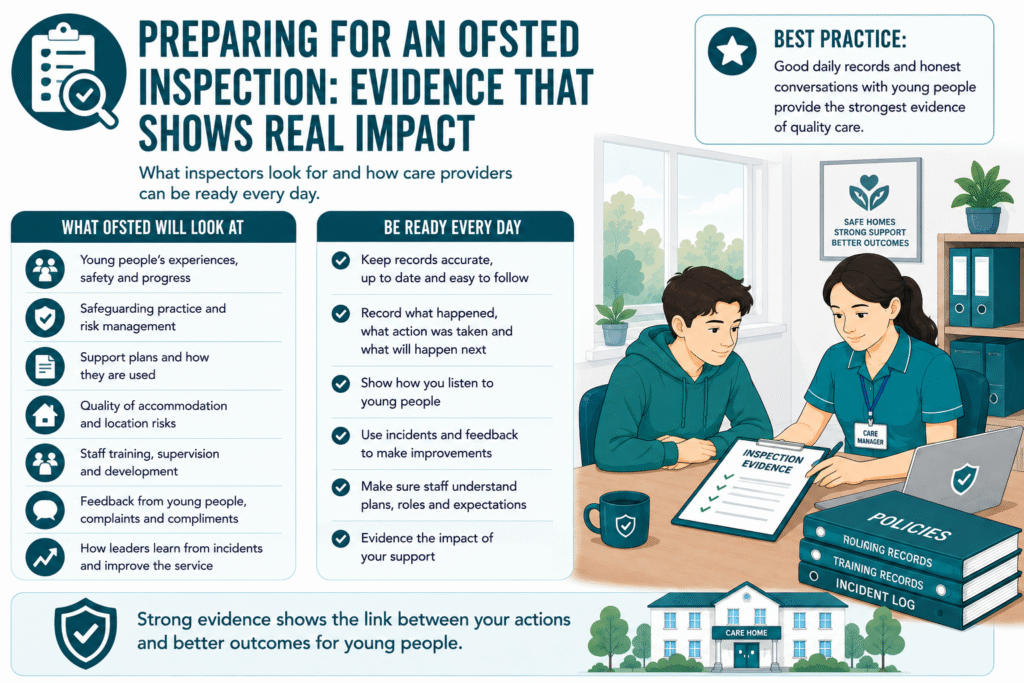
    An Ofsted inspection should not feel like a scramble to gather policies and tidy files. Inspectors want to understand what life is like for young people in your service and whether your support helps them stay safe, feel heard and move towards independence.

    Your team should keep clear, up-to-date evidence that shows how the service works in practice. This may include:

    • referral and placement-matching decisions;
    • individual support plans and risk assessments;
    • safeguarding records and follow-up actions;
    • staff training, supervision and induction records;
    • young people’s views, complaints and compliments;
    • incident records and evidence of learning;
    • property checks, repairs and location risk assessments;
    • Regulation 32 reviews and action plans;
    • progress records showing education, employment, health, budgeting or tenancy outcomes.

    The Ofsted supported accommodation inspection framework looks beyond whether documents exist. Inspectors will want to see that staff understand each young person’s needs, use plans properly and respond when risks or circumstances change.

    Caregivers play a central role in this. Good daily notes, honest handovers and respectful conversations with young people often provide the strongest evidence of quality. A record should not simply say that staff completed a task. It should show what happened, how the young person responded and what the team will do next.

    The strongest services can show a clear link between their records, their actions and better outcomes for young people.

    MORE: NHS Capacity Tracker: What Care Providers Need to Know in 2026

    Property and Housing Duties: Keep Homes Safe, Suitable and Ready for Young People
    The four quality standards in care

    Ofsted expects providers to offer accommodation that is safe, well maintained and suitable for each young person’s needs. A service cannot deliver good support if the property feels unsafe, neglected or poorly managed.

    Care teams should report hazards quickly, follow up repairs and make sure young people know how to raise concerns about their home. Managers should also keep clear records of property checks, maintenance issues, fire safety actions and any risks linked to the local area.

    Some wider housing rules may also apply, depending on who owns or manages the property, the tenancy arrangement and the role of the local authority. For example, the Housing Act 2004 may be relevant where housing hazards need assessment, while Building Regulations Part B and related building control approved documents may affect fire safety requirements during construction, conversion or major alteration work.

    Providers should not assume that one rule covers every setting. They need to check the legal duties that apply to each property and work closely with landlords, housing partners, local authorities and fire-safety professionals where needed.

    For caregivers, the priority remains simple: help young people live in homes that are clean, secure, welcoming and safe enough to support their independence.

    Wider Supported Housing Changes: What Providers Should Watch Next

    The Ofsted rules for supported accommodation for looked-after children and care leavers aged 16 and 17 already apply. However, providers should also watch the wider changes linked to the Supported Housing (Regulatory Oversight) Act 2023.

    These reforms cover supported housing more broadly and include plans for national supported housing standards, local supported housing strategies and a future licensing system. The exact requirements and timetable continue to develop, so providers should avoid relying on outdated summaries or assuming that one framework applies to every service.

    For care businesses, the practical message is simple: keep your Ofsted service strong now, while preparing for closer scrutiny across the wider supported housing sector. Build reliable governance, maintain safe properties, keep clear evidence of support and work openly with local authorities.

    Providers that already run safe, well-led, young-person-centred services will be in a stronger position as the wider regulatory picture develops.

    Conclusion

    The best supported accommodation providers do not treat compliance as something they prepare for when Ofsted announces an inspection. They build it into everyday care.

    That means managers lead well, caregivers understand each young person’s needs, homes stay safe and suitable, and teams act quickly when concerns arise. It also means providers use incidents, feedback and Regulation 32 reviews to improve the service before small issues become serious problems.

    When your records show clear action, your staff work consistently and young people feel listened to, compliance becomes easier to evidence. More importantly, your service becomes a safer and more stable place for young people to build confidence and independence.

    Care Sync Experts can support providers with Ofsted registration readiness, Regulation 32 review systems, safeguarding processes, mock inspections, policies and quality improvement planning.

    FAQ

    How long can you live in supported accommodation?

    There is no single legal time limit for living in supported accommodation. The length of stay should depend on the young person’s needs, placement plan, progress towards independence and the arrangements made by the placing local authority.

    For looked-after 16- and 17-year-olds, providers should regularly review whether the accommodation remains suitable. A placement should continue only while it helps the young person stay safe, build independence and work towards their agreed outcomes.

    If their needs increase or the placement no longer suits them, the provider and placing authority should review whether a different setting would be more appropriate.

    What are the 7 golden rules of safeguarding?

    The “seven golden rules” usually refer to information sharing in safeguarding, rather than a complete safeguarding framework. In practice, staff should:
    – Remember that safeguarding comes first.
    – Share information when it is necessary to protect a child or young person.
    – Ask for consent where appropriate, but do not let consent delay action when someone may be at risk.
    – Share only relevant information.
    – Share information securely with the right people.
    – Check that the information is accurate and explain any uncertainty.
    – Record what you shared, why you shared it and who received it.

    For supported accommodation providers, these principles should sit alongside clear safeguarding procedures, staff training, escalation routes and prompt action on concerns.

    What happens after 56 days homeless?

    In England, the local authority’s homelessness relief duty normally lasts for 56 days after someone becomes homeless. During that period, the council should take reasonable steps to help the person secure suitable accommodation.

    After 56 days, the council should decide whether another housing duty applies. This may include the main housing duty where the person is eligible, homeless, in priority need and not intentionally homeless. The outcome depends on the person’s circumstances, immigration status, household needs and the steps already taken to resolve their homelessness.

    For 16- and 17-year-olds, children’s services and housing services should work together. They should assess the young person’s needs and should not treat supported accommodation as an automatic solution without considering whether it is suitable.

    What is Regulation 75H of the Housing Benefit Regulations 2006?

    Regulation 75H defines “specified accommodation” for Housing Benefit purposes. It identifies the types of supported housing that may fall outside the usual Housing Benefit rent rules because residents receive care, support or supervision.

    The four categories are:
    – exempt accommodation;
    – managed properties;
    – refuges; and
    – local authority hostels.

    This regulation matters to supported-housing providers because it can affect how residents receive help with housing costs.

    However, Regulation 75H does not replace Ofsted registration duties or the Supported Accommodation (England) Regulations 2023 for services accommodating looked-after children and care leavers aged 16 and 17.
  • What Are Part L Building Regulations? What Care Homes Need to Know in 2026

    What Are Part L Building Regulations? What Care Homes Need to Know in 2026

    Part L building regulations are UK rules that set minimum energy efficiency standards for buildings, including how they are designed, heated, insulated, and ventilated. In England, these requirements are explained in Approved Document L, which applies to both new buildings and existing properties undergoing renovation or extension.

    For care businesses, Part L UK matters whenever you build, convert, extend, or upgrade a property. Whether you are opening a new care home, converting a house into supported living, or improving an office space, you must meet Part L compliance standards before the building can be approved for use.

    The latest updates, often referred to as Part L building regulations 2022, came into effect on 15 June 2022 under the Part L building regulations 2021 framework (with later amendments). These changes introduced stricter requirements to reduce energy use and carbon emissions, as part of the UK’s wider push toward net zero.

    In simple terms, building regs Part L ensure that:

    • Buildings lose less heat through walls, roofs, and windows
    • Heating systems run efficiently and use less energy
    • Ventilation systems maintain air quality without wasting heat
    • Developers and contractors provide clear evidence that work meets required standards

    For care providers, this is not just a technical requirement. It directly affects:

    • resident comfort and safety
    • energy costs and long-term operating expenses
    • whether a building can legally open or continue operating

    Understanding Part L building regulations early helps care businesses avoid delays, reduce costs, and make smarter decisions when planning or upgrading their services.

    Get expert support for your next tender, inspection-ready policies, or CQC registration — book a call with Care Sync Experts today and let’s get you compliant and competitive.

    Why care businesses should pay attention to Part L

    CQC Registration: Can You Use Your Home Address? The Truth 2026

    Care businesses cannot treat Part L building regulations as a “builder’s problem.” These rules directly affect how you open, run, and scale your service.

    Energy efficiency is not just about compliance; it shapes your daily operations.

    1. It directly impacts your running costs

    Care homes and supported living services operate 24/7. Heating, hot water, and ventilation run constantly.

    Poor Part L compliance means:

    • higher energy bills
    • inefficient heating systems
    • long-term financial pressure

    Meeting building regs Part L standards helps you reduce energy waste and protect your margins.

    2. It affects resident comfort and care quality

    Warm, well-ventilated environments are essential in care settings.

    Strong insulation and proper Part L building Regulations ventilation improve:

    • indoor temperature stability
    • air quality for vulnerable residents
    • infection control and overall wellbeing

    If you get this wrong, you don’t just fail compliance, you compromise care standards.

    3. It determines whether your project can open on time

    If your building fails Part L UK requirements, building control can delay or block approval.

    This can lead to:

    • delayed service launch
    • lost revenue
    • costly redesigns or rework

    Many care providers only discover issues late, when fixes become expensive and disruptive.

    4. It influences funding, inspections, and reputation

    Energy-efficient buildings increasingly align with:

    • investor expectations
    • local authority commissioning standards
    • sustainability requirements

    A care provider that meets Part L building regulations 2022 standards positions itself as:

    • modern
    • compliant
    • future-ready

    5. It affects every type of care setup

    Whether you run:

    • a care home
    • supported living accommodation
    • domiciliary care offices

    Part L building regulations still apply when you:

    • refurbish
    • extend
    • convert buildings
    • upgrade heating or insulation

    Part L is not just a construction rule; it is a business decision.

    Care providers who understand it early:

    • avoid delays
    • control costs
    • deliver better environments for residents

    Those who ignore it often pay for it later, financially and operationally.

    RELATED: What Is the Care Certificate? 2026 Update

    What does Part L actually cover?

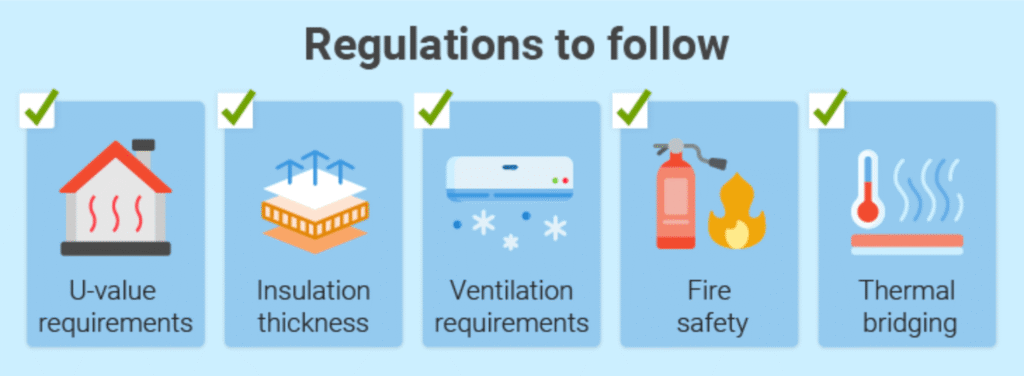
    Part L Building Regulations to Follow
    Part L Building Regulations to Follow

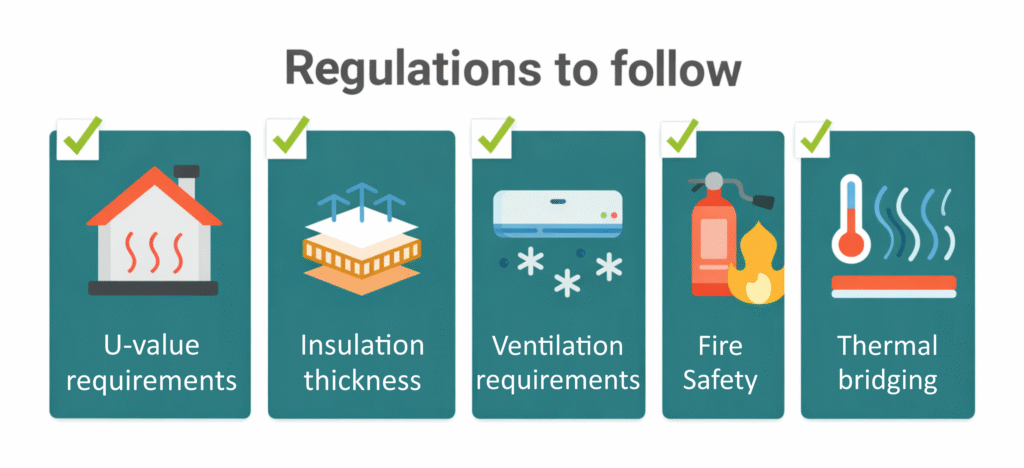
    Part L building regulations focus on how a building uses energy and how much heat it loses. In England, Approved Document L explains how to meet these requirements in practice.

    For care businesses, this section answers a simple question: What exactly do we need to get right before a building is approved?

    1. Two main categories: dwellings vs non-dwellings

    Part L UK splits buildings into two groups:

    • Dwellings (Part L1A / L1B)

    Homes where people live independently (e.g. some supported living setups)

    • Non-dwellings (Part L2A / L2B)

    Commercial or institutional spaces (e.g. care homes, offices, clinics)

    Most care homes fall under Part L building regulations non dwellings, while supported living can fall under either category depending on layout and level of independence.

    Getting this classification wrong can lead to incorrect design, failed approval, and delays.

    2. Fabric performance (how well the building retains heat)

    Building regs Part L require strong insulation across:

    • walls
    • roofs
    • floors
    • windows and doors

    This is measured using U-values (how much heat escapes).

    For care providers, this means:

    • better temperature control for residents
    • reduced heating demand
    • lower long-term costs

    3. Heating and hot water systems

    Part L building regulations push for more efficient, low-carbon systems.

    This includes:

    • modern boilers or heat pumps
    • lower flow temperatures
    • smarter controls

    For care environments, heating must balance:

    • energy efficiency
    • consistent warmth for vulnerable residents

    4. Ventilation and air quality

    Part L building Regulations ventilation works alongside other rules to ensure buildings stay healthy as they become more airtight.

    This includes:

    • mechanical or natural ventilation systems
    • controlled airflow
    • reduced heat loss while maintaining fresh air

    This is critical in care settings, where air quality directly affects health outcomes.

    5. Energy modelling and calculations

    To prove compliance, developers must use:

    • SAP (for dwellings)
    • SBEM (for non-dwellings)

    These models calculate:

    • energy use
    • carbon emissions
    • overall efficiency

    Care businesses don’t need to run these models, but you must ensure your project team does.

    6. Evidence and documentation

    One of the biggest changes under Part L building regulations 2022 is stricter proof requirements.

    You must provide:

    • design-stage calculations
    • as-built performance reports
    • photographic evidence of construction details

    Without this, you cannot demonstrate Part L compliance, even if the building is physically correct.

    Approved Document L is not just guidance, it defines what your building must achieve to pass.

    For care providers, it covers:

    • how your building is built
    • how it performs
    • how you prove it meets the rules

    Understanding this early helps you avoid costly mistakes and ensures your project meets Part L building regulations from day one.

    READ MORE: What are Cold Weather Payments? Eligibility & How to Claim (2026)

    Which care projects does Part L affect most?

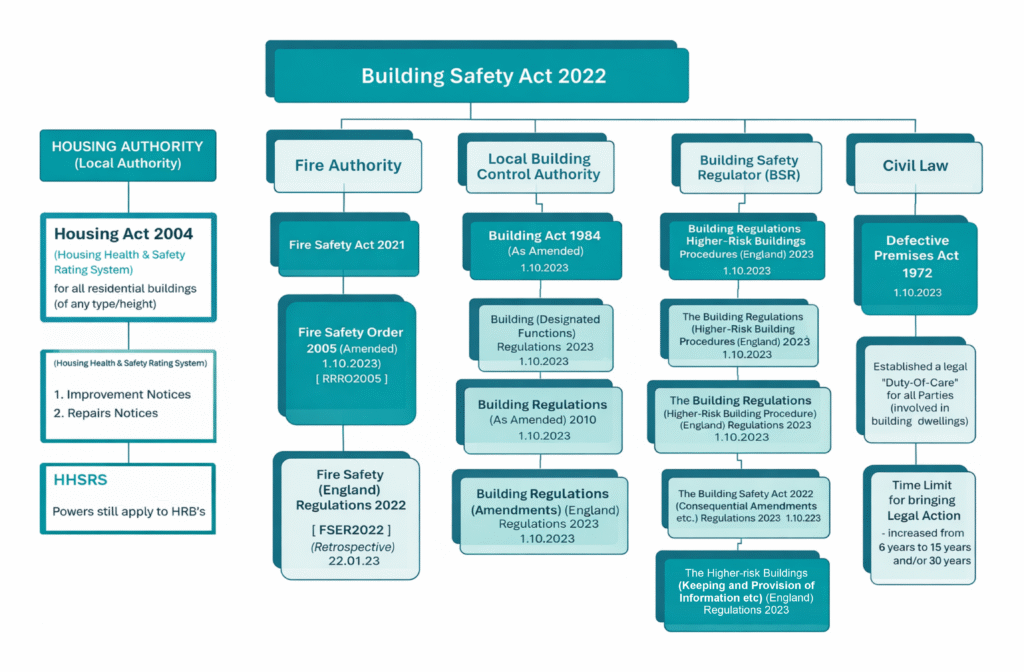
    Building Safety Act 2022

    Many care providers assume Part L building regulations only apply to large construction projects. In reality, they affect almost every type of property change in the care sector.

    If you run or plan to expand a care business, you will likely trigger Part L compliance at some point.

    1. Opening a new care home

    New-build care homes fall fully under building regs Part L, usually within the Part L building regulations non dwellings category.

    You must meet strict requirements for:

    • insulation and airtightness
    • heating system efficiency
    • ventilation design
    • full energy modelling and evidence

    These projects must align with Part L building regulations 2022, which introduced tighter carbon reduction targets.

    2. Converting buildings into supported living

    Conversions are common in the care sector, but they come with risk.

    If you convert:

    • a house into supported living
    • a commercial building into a care facility

    You must meet Part L building regulations 2021 standards for existing buildings.

    This often means:

    • upgrading insulation
    • improving heating systems
    • meeting minimum energy performance levels

    Many providers underestimate how much upgrade work is required.

    3. Extending an existing care home

    Adding new rooms, wings, or facilities triggers Part L UK requirements.

    You must ensure:

    • the new extension meets current energy standards
    • the connection between old and new parts does not create heat loss issues

    Even small extensions can require significant upgrades to meet compliance.

    4. Refurbishing or upgrading existing buildings

    Even if you are not building new, Part L building regulations still apply when you:

    • replace windows or doors
    • upgrade insulation
    • install a new heating system
    • carry out major renovation work

    These fall under Part L1B or L2B, depending on the building type.

    Many care providers trigger compliance without realising it.

    5. Setting up or upgrading a domiciliary care office

    Office spaces may seem simple, but they still fall under building regs Part L.

    If you:

    • move into a new office
    • refit an existing one
    • upgrade heating or ventilation

    You may need to meet energy efficiency standards and provide compliance evidence.

    6. Special cases and older buildings

    Some care providers operate in older or unique properties, such as a grade 2 listed building.

    In these cases:

    • full compliance may not always be possible
    • adjustments or alternative approaches may apply

    However, you should never assume exemption without expert advice under Part L building Regulations exemptions.

    SEE ALSO: Does Cold Weather Make You Sick? The Complete 2026 Guide

    Part L Requirements Care Providers Should Understand Before Starting Work

    Before you start any project, you need a clear understanding of what Part L building regulations actually require in practice. This is where many care businesses make costly mistakes, by relying entirely on contractors without understanding the basics.

    1. Insulation and building fabric

    Building regs Part L place strong emphasis on how well your building retains heat.

    You must ensure:

    • walls, roofs, and floors meet minimum insulation standards
    • windows and doors limit heat loss
    • gaps and air leakage are controlled

    Better insulation means:

    • more stable indoor temperatures
    • improved comfort for residents
    • lower energy bills over time

    2. Heating and hot water systems

    Part L building regulations 2022 push for more efficient and lower-carbon systems.

    Your project must include:

    • energy-efficient boilers or heat pumps
    • properly sized systems for the building
    • modern controls to manage temperature effectively

    In care settings, you must balance efficiency with reliability, residents cannot tolerate inconsistent heating.

    3. Ventilation and air quality

    As buildings become more airtight, ventilation becomes critical.

    Part L building Regulations ventilation ensures:

    • fresh air circulation
    • removal of moisture and pollutants
    • reduced risk of overheating

    This often includes:

    • mechanical ventilation systems
    • heat recovery systems in some cases

    Poor ventilation can lead to:

    • damp and mould
    • poor air quality
    • increased health risks for residents

    4. Energy modelling and performance targets

    To prove Part L compliance, your project team must complete energy calculations.

    These include:

    • SAP for dwellings
    • SBEM for non-dwellings

    These models assess:

    • carbon emissions
    • energy consumption
    • overall building performance

    You don’t need to run these models yourself, but you must ensure they are completed correctly.

    5. Evidence and documentation (often overlooked)

    One of the biggest shifts in Part L UK is the requirement to prove compliance, not just claim it.

    You must provide:

    • design-stage energy reports
    • as-built performance reports
    • photographic evidence of key construction stages

    Photos must clearly show:

    • insulation installation
    • junction details where heat loss can occur
    • key building elements before they are covered

    Without proper evidence, your building may fail approval, even if the work is correct.

    6. Responsibility and coordination

    Many care providers assume the builder handles everything.

    In reality:

    • contractors build
    • consultants calculate
    • building control verifies
    • you remain responsible as the client

    You must ensure:

    • the right professionals are involved early
    • compliance is considered from design stage
    • documentation is properly managed

    MORE: Children’s DLA Rates: Who Qualifies, and What to Claim in 2026

    How Part L Links with Other Rules Care Businesses May Hear About

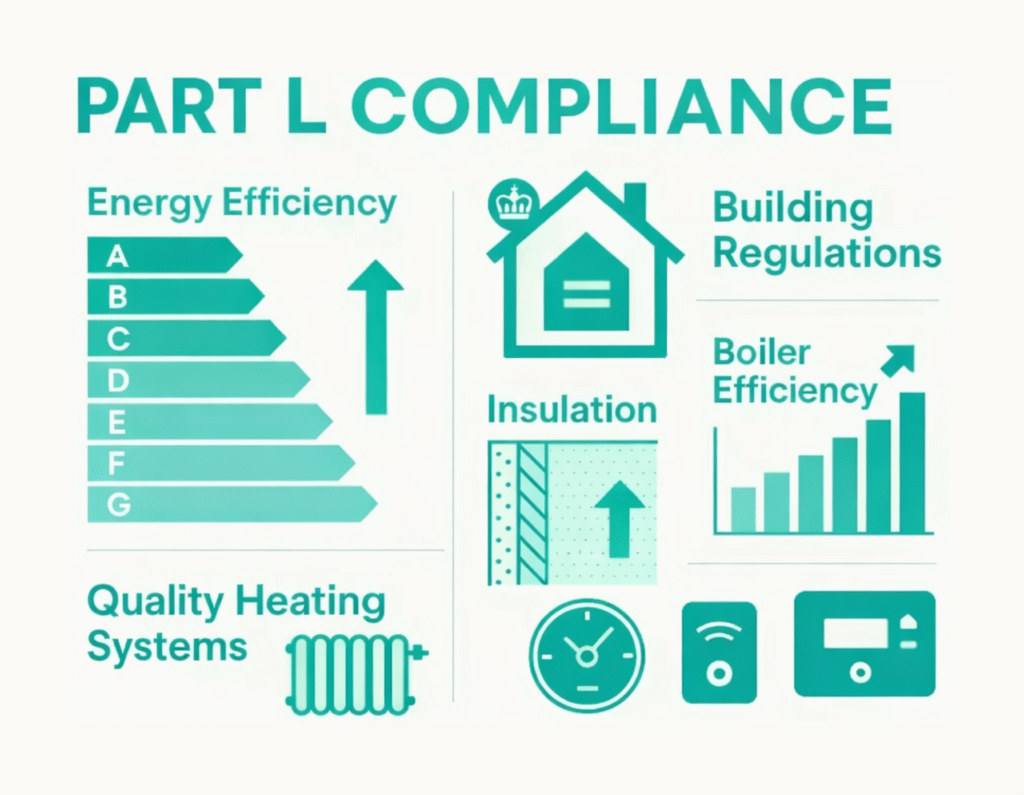
    Part L Building Regulations Compliance
    Part L Building Regulations Compliance

    When you plan a care project, you will hear multiple regulations, not just Part L building regulations. This can feel overwhelming, especially if you are not from a construction background.

    The key is to understand what each rule covers and how they connect.

    1. Part L vs the Building Safety Act

    Part L focuses on energy efficiency. The Building Safety Act and building safety act 2022 focus on safety, accountability, and documentation.

    For care providers, this means:

    • Part L ensures your building performs efficiently
    • The Building Safety Act ensures your building is safe and properly documented

    Both require strong record-keeping and evidence, especially for larger or higher-risk buildings.

    2. Part L vs Part M (accessibility)

    You will often hear about part m building regulations or approved document m during care projects.

    • Part L = energy efficiency
    • Part M = accessibility and usability

    In care settings, building regs part m is critical because it covers:

    • wheelchair access
    • bathroom layouts
    • safe movement within the building

    You must meet both standards at the same time; one does not replace the other.

    3. Part L vs fire safety rules (Part B)

    Fire safety falls under:

    • approved doc b
    • building regs part b

    These rules focus on:

    • fire detection systems
    • escape routes
    • compartmentation

    While Part L UK focuses on insulation and airtightness, you must ensure these do not conflict with fire safety design.

    4. Other related regulations you may encounter

    Depending on your project, you may also hear about:

    • approved document k (safety around stairs, ramps, and movement)
    • general building regulations covering structure and ventilation

    These do not replace Part L building regulations, but they run alongside them.

    5. Why this matters for care providers

    Care projects rarely deal with one regulation in isolation.

    If you:

    • build a new care home
    • convert a property
    • extend an existing facility

    You will need to meet multiple standards at once.

    The biggest risk is:

    • focusing on energy efficiency
    • while overlooking access, safety, or usability

    Part L building regulations form just one part of a wider compliance framework.

    For care providers:

    • Part L = energy performance
    • Part M = accessibility
    • Part B = fire safety
    • Building Safety Act = accountability and safety systems

    Understanding how they work together helps you:

    • avoid design conflicts
    • prevent costly redesigns
    • ensure your building meets all approval requirements the first time

    SEE: Equality Act Protected Characteristics: 2026 Importance for Care Work

    Are there any exemptions or special cases under Part L?

    Changing Part L Thermal Standards
    Changing Part L Thermal Standards

    Many care providers ask whether Part L building regulations always apply in full. The answer is: not always, but exemptions are limited and highly controlled.

    You should never assume you qualify for Part L building Regulations exemptions without proper advice.

    1. Existing and older buildings

    When you upgrade an existing property, Part L allows some flexibility.

    For example:

    • you may not need to upgrade every element to new-build standards
    • improvements must be “reasonable and practical”

    However, you still need to:

    • improve energy performance where possible
    • avoid making the building worse

    Even partial refurbishment can still trigger Part L compliance requirements.

    2. Listed and heritage buildings

    Care providers sometimes operate in older or historic properties, such as a grade 2 listed building.

    In these cases:

    • strict upgrades (like replacing windows or external insulation) may not be allowed
    • heritage protection can limit what changes you can make

    However:

    • you must still improve energy efficiency where it does not damage the building’s character

    This often requires:

    • specialist advice
    • tailored solutions

    3. Technical and practical limitations

    Some buildings cannot meet full modern standards due to:

    • structural limitations
    • space constraints
    • compatibility with existing systems

    In these situations:

    • alternative measures may be accepted
    • compliance focuses on “reasonable improvement” rather than perfection

    4. What does NOT count as an exemption

    Care providers often misunderstand this.

    You are not exempt just because:

    • the building is old
    • the project is small
    • you are only making minor changes
    • you are leasing the property

    If your work affects energy performance, building regs Part L will likely apply.

    5. Why exemptions still require documentation

    Even when flexibility applies, you must:

    • justify your approach
    • document decisions
    • show why full compliance was not possible

    Building control will still expect:

    • clear reasoning
    • supporting evidence

    Part L building regulations rarely offer full exemptions.

    In most cases:

    • you must comply fully
    • or improve performance as far as reasonably possible

    Care providers who assume they are exempt often face:

    • delays
    • redesign costs
    • compliance issues during approval

    The safest approach is simple:

    Always check early, plan properly, and treat Part L compliance as part of your core project strategy.

    LEARN MORE: How to Choose Home Care Agencies in the UK (2026)

    Common mistakes care businesses make with Part L

    Part L Building Regulations to Follow

    Many care providers run into problems with Part L building regulations, not because the rules are unclear, but because they get involved too late or rely on the wrong assumptions.

    Avoiding these mistakes can save you time, money, and project delays.

    1. Treating Part L as the builder’s responsibility

    Many providers assume the contractor will “handle compliance.”

    In reality:

    • you own the project
    • you remain responsible for Part L compliance
    • poor coordination can still lead to failure

    You need visibility from design to completion.

    2. Signing a lease or buying a property without checking requirements

    This is one of the most expensive mistakes.

    Care providers often:

    • secure a building first
    • check building regs Part L later

    This can lead to:

    • unexpected upgrade costs
    • delays in opening
    • redesign of heating, insulation, or ventilation systems

    Always assess Part L building regulations before committing to a property.

    3. Assuming only new builds are affected

    Many providers think Part L UK only applies to new construction.

    In reality, it also applies when you:

    • refurbish
    • extend
    • replace key building elements

    Even simple upgrades can trigger compliance requirements.

    4. Ignoring ventilation when improving insulation

    Improving insulation without considering Part L building Regulations ventilation creates serious problems.

    This can lead to:

    • poor air quality
    • damp and mould
    • overheating

    Energy efficiency must always balance with ventilation.

    5. Underestimating documentation and evidence

    Some providers focus on the physical build but forget about proof.

    Under Part L building regulations 2022, you must provide:

    • energy calculations
    • as-built reports
    • photographic evidence

    Without this, your project may fail, even if everything is installed correctly.

    6. Leaving compliance too late in the project

    If you only think about Part L during construction, you are already at risk.

    Late changes can mean:

    • redesigning systems
    • replacing materials
    • increased costs

    The best projects consider compliance at the design stage.

    7. Not involving the right professionals early

    Successful projects require:

    • energy assessors
    • consultants
    • experienced contractors

    If you delay bringing them in:

    • mistakes go unnoticed
    • compliance gaps increase

    Bottom line

    Most Part L building regulations issues come down to timing and awareness.

    Care providers who:

    • plan early
    • ask the right questions
    • stay involved

    Avoid delays, reduce costs, and achieve smooth approvals.

    Those who don’t often face:

    • rework
    • compliance failures
    • delayed service launches

    Final takeaway for care providers

    Part L building regulations are not just a technical requirement, they directly shape how your care business operates, grows, and delivers safe environments.

    If you plan to:

    • open a new service
    • convert a property
    • extend or refurbish a building

    You must consider Part L compliance from the very beginning.

    Care providers who approach Part L UK correctly:

    • control energy costs
    • create comfortable, healthy environments for residents
    • avoid delays during approval
    • protect their investment

    Those who ignore it often face:

    • unexpected upgrade costs
    • failed inspections
    • delayed openings

    The simple rule to follow

    Treat building regs Part L as a business priority, not just a construction detail.

    If you:

    • check requirements early
    • work with the right professionals
    • plan for both performance and evidence

    You will meet compliance smoothly and avoid costly mistakes.

    One final perspective

    Energy efficiency is no longer optional. It sits at the centre of modern care delivery.

    Understanding Part L building regulations helps you:

    • build smarter
    • operate more efficiently
    • deliver better care environments

    And in a sector where comfort, safety, and sustainability matter every day…

    That is a competitive advantage.

    Need Expert Support Navigating Building Compliance and Care Facility Requirements?

    Care Sync Experts supports care providers, care home operators, and healthcare organisations across the UK with clear, practical guidance on regulatory compliance, property requirements, and operational readiness.

    From helping you understand Part L building regulations, energy efficiency standards, and building compliance requirements, to guiding you through property conversions, refurbishments, and service setup, our specialists turn complex regulations into simple, actionable steps.

    Whether you are opening a new care home, converting a property into supported living, upgrading your facilities, or ensuring full Part L compliance alongside CQC expectations, our team delivers tailored support designed for real-world care environments.

    Plan smarter, avoid costly mistakes, and ensure your care premises meet all regulatory standards from day one.

    Contact Care Sync Experts today to get expert support on building compliance, care facility setup, and navigating UK care regulations with confidence.

    FAQ

    Is Part L law in the UK?

    Yes. Part L building regulations form part of the Building Regulations in England and are legally enforceable. While Approved Document L provides guidance on how to meet the requirements, the underlying regulation itself is law.

    If a care provider or developer fails to meet Part L compliance, building control can:
    – refuse approval
    – require corrective work
    – issue fines or enforcement action
    In simple terms: you must comply with Part L to legally complete and use a building.

    What are carbon emission targets in Part L?

    Part L building regulations 2022 introduced stricter carbon reduction targets as part of the UK’s journey toward net zero.

    For new buildings:
    – new homes must reduce carbon emissions by around 30% compared to previous standards
    – future standards aim for 75–80% reductions by 2025

    For care providers, this means:
    – more efficient heating systems
    – better insulation
    – lower overall energy use

    These targets directly influence design, costs, and long-term energy performance.

    What is the 10 year rule for listed buildings?

    The “10-year rule” is often misunderstood. It does not automatically exempt buildings from regulation, including Part L building regulations.

    In planning terms, it generally refers to situations where:
    – unauthorised work may become lawful after 10 years if no enforcement action is taken

    However, for buildings such as a grade 2 listed building:
    – separate listed building consent rules still apply
    – energy upgrades must balance compliance with heritage protection

    Care providers should always seek professional advice; never assume older or listed buildings are exempt from compliance requirements.

    What are the 7 stages of construction?

    Understanding the construction process helps care providers manage Part L compliance effectively.
    The typical stages are:
    – Planning and feasibility
    – Design and approvals
    – Procurement and contractor selection
    – Site preparation
    – Construction
    – Inspection and compliance checks
    – Completion and handover

    Part L building regulations apply across multiple stages, especially:
    – design (energy modelling and specifications)
    – construction (installation quality)
    – completion (evidence and certification)

    Getting involved early in these stages helps care businesses avoid delays and ensure smooth approval.