
The Living Wage UK 2026 is £13.45 per hour across the UK and £14.80 per hour in London. The Living Wage Foundation sets these rates based on real living costs, making them higher than the legal National Living Wage of £12.71 per hour for workers aged 21 and over.
Unlike the mandatory minimum wage UK system, the living wage UK remains voluntary. However, many care providers choose to pay the living wage UK per hour because it improves staff retention, strengthens care quality, and increases their chances of winning contracts in a competitive sector.

Key Takeaways for Care Providers
- The living wage UK for 2026 is £13.45 per hour, rising to £14.80 under the London Living Wage 2026 due to higher living costs.
- The National Living Wage (£12.71 per hour) remains the legal minimum under the minimum wage UK framework.
- Paying above the minimum wage 2026 helps care providers attract and retain skilled staff in a competitive labour market.
- Many commissioners and regulators view Living Wage employers more favourably when awarding contracts.
- The gap between the living wage UK and the National Living Wage translates into thousands of pounds annually, especially when considering London Living Wage yearly earnings.
- Rising pressures like the UK minimum wage increase 2026 and ongoing cost-of-living challenges continue to influence wage decisions in the care sector.
What Is the Living Wage UK (and Why Care Providers Pay It)
The living wage UK is a voluntary pay rate based on the real cost of living, not just the legal minimum. The Living Wage Foundation calculates this rate each year to reflect essential expenses like housing, food, transport, and childcare. For Living Wage UK 2026, that means £13.45 per hour nationally and a higher rate for London.
Unlike the minimum wage UK, which the government enforces, the living wage UK per hour gives employers a benchmark for fair pay. It applies to all workers over 18, including part-time, temporary, and contracted staff, something especially relevant in the care sector where flexible staffing is common.
Care providers choose to pay the living wage UK for practical reasons, not just ethical ones:
- They attract better carers in a sector facing chronic staff shortages
- They reduce turnover, saving recruitment and training costs
- They improve care quality, since stable teams deliver more consistent support
- They strengthen their reputation, especially during inspections and contract bids
Rising pressures like the cost of living payment 2025 discussions and ongoing economic strain have made fair pay more visible than ever. Care workers feel these pressures directly, and providers who respond by paying above the National Living Wage position themselves as more competitive employers.
In short, while the living wage UK remains voluntary, many care businesses now treat it as a strategic investment rather than an optional expense.
RELATED: What is the SSP rate? 2026 Update for Care Businesses
What Is the National Living Wage (Legal Minimum in 2026)
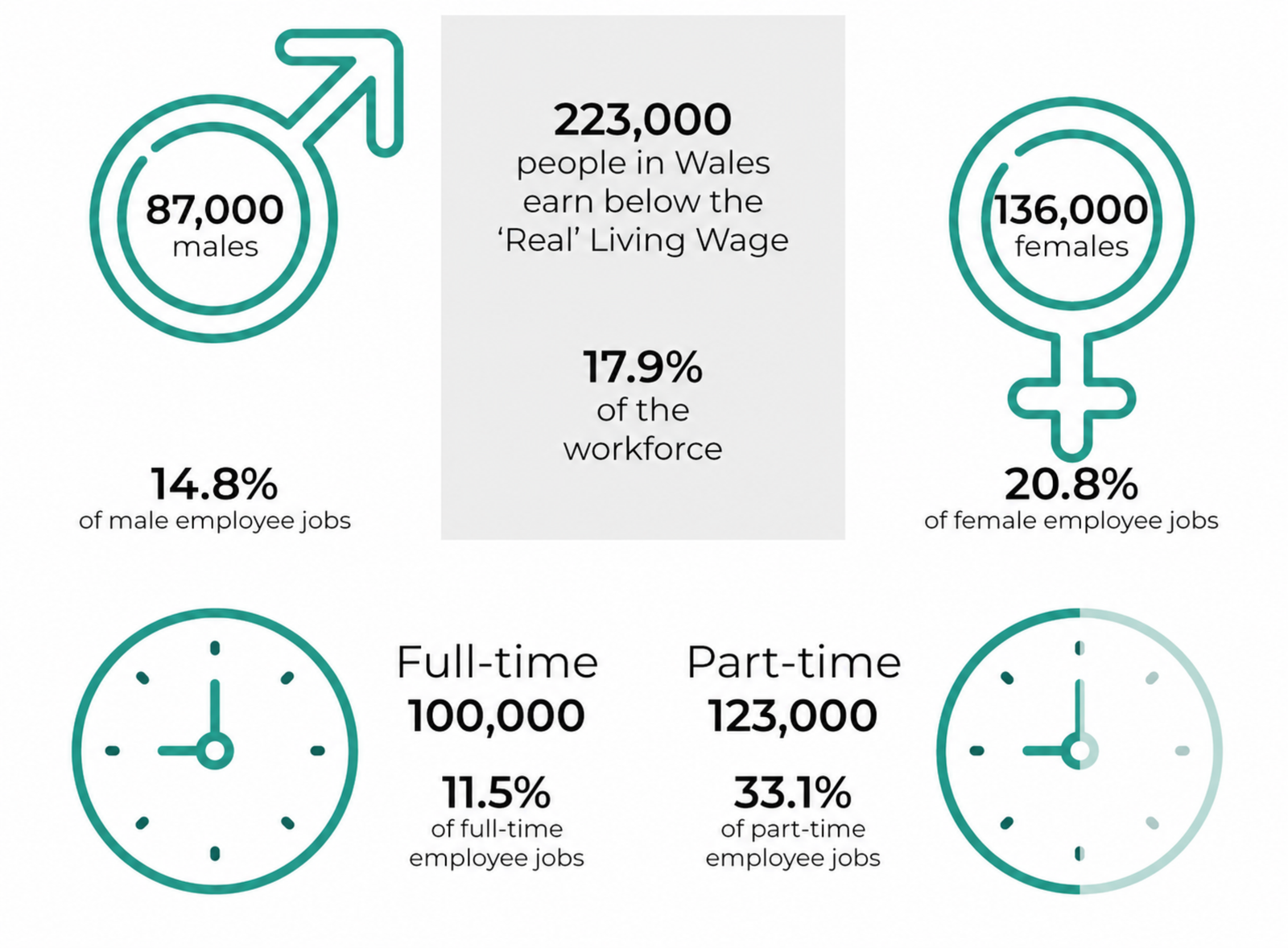
The National Living Wage is the legal minimum hourly pay that employers must provide to workers aged 21 and over in the UK. As of April 2026, the rate stands at £12.71 per hour, forming part of the wider minimum wage UK system.
The government sets this rate annually, usually following recommendations from the Low Pay Commission. The goal is to balance fair pay with economic sustainability, which means it often sits below the living wage UK, which reflects actual living costs.
For care providers, the minimum wage 2026 represents the baseline for compliance:
- You must pay at least this rate to eligible staff
- You must also follow rules for younger workers and apprentices
- You risk penalties if you fail to meet the legal requirement
The minimum wage uk framework also includes:
- Lower rates for workers aged 18–20
- Specific pay rates for apprentices during training periods
- Regional considerations like minimum wage Scotland, though rates remain UK-wide
Recent changes, including the minimum wage April 2025 increase and the broader UK minimum wage increase 2026, show a clear upward trend. While these increases help workers, they also raise cost pressures for care businesses already operating on tight margins.
For many providers, the key decision is not whether to meet the National Living Wage, rhat’s mandatory, but whether to go beyond it and adopt the living wage UK per hour to stay competitive in recruitment and service quality.
Living Wage UK vs National Living Wage (Care Sector Impact)
Care providers often compare the living wage UK with the National Living Wage when deciding how to pay staff. The difference goes beyond hourly rates, it affects recruitment, retention, and contract success.
Key Differences
| Factor | Living Wage UK 2026 | National Living Wage 2026 |
| Hourly Rate | £13.45 (UK) / £14.80 (London Living Wage 2026) | £12.71 |
| Mandatory? | Voluntary | Legal requirement |
| Who Sets It | Living Wage Foundation | UK Government |
| Applies To | All workers 18+ | Workers aged 21+ |
| Basis | Real cost of living | Economic policy & median earnings |
What This Means for Care Providers
The gap between the two rates may look small hourly, but it adds up quickly:
- A full-time care worker on the living wage UK per hour earns significantly more per year than one on the minimum wage 2026
- In London, the difference becomes even larger when factoring in London Living Wage yearly earnings
- Higher pay helps providers attract experienced carers and reduce turnover
From a business perspective:
- Providers paying only the minimum wage UK may struggle to recruit in competitive areas
- Providers paying the living wage UK often perform better in contract evaluations and staff retention metrics
In a sector where care quality depends heavily on workforce stability, the decision between the National Living Wage and the living wage UK directly impacts both service delivery and long-term growth.
READ MORE: What Is Tenants in Common Meaning UK: 2026 Update
Should Care Providers Pay the Living Wage UK?
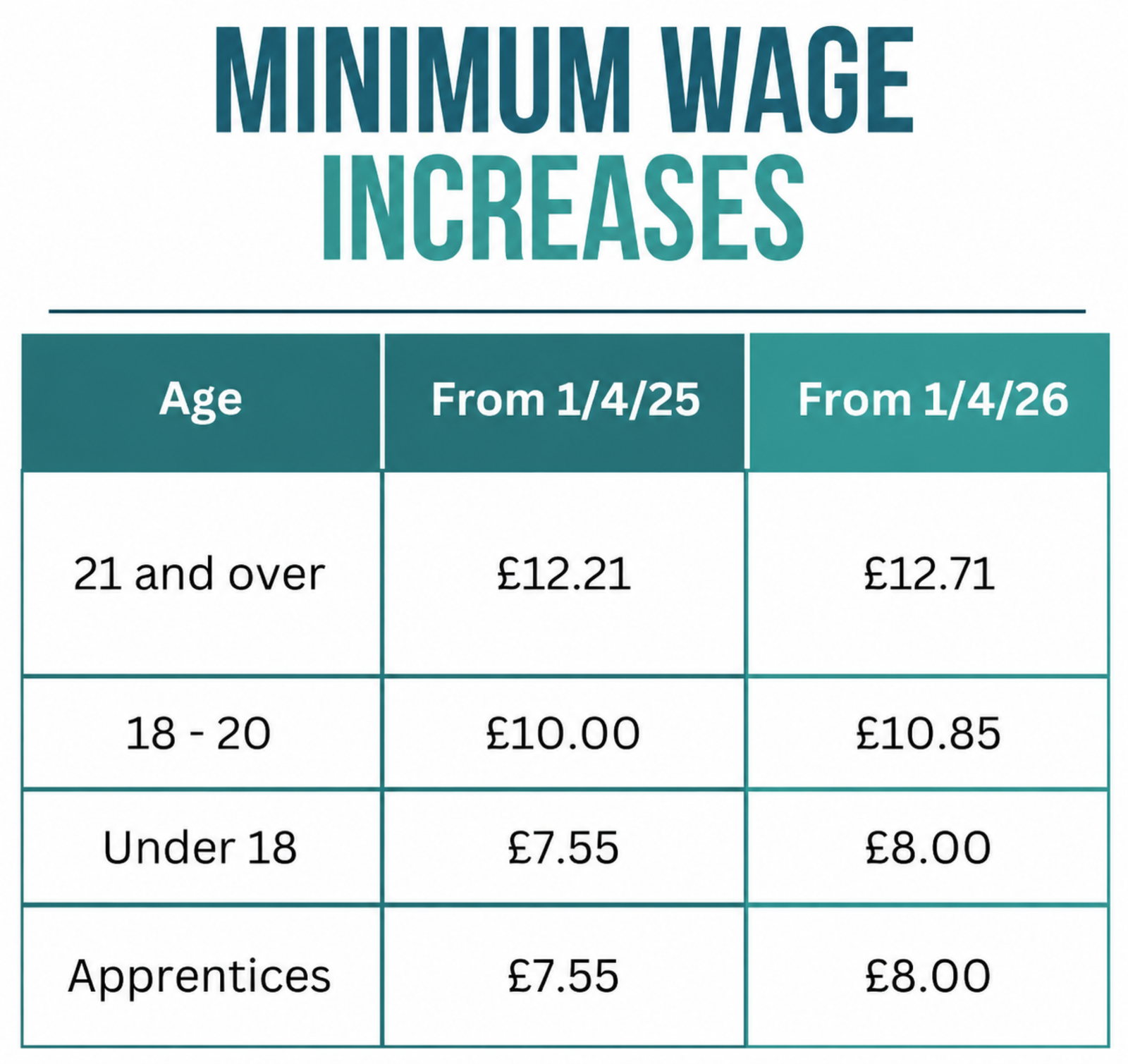
Care providers must pay at least the National Living Wage, but many now choose to go further and adopt the living wage UK. This decision goes beyond compliance, it directly affects staffing, care quality, and business growth.
Why Many Care Providers Pay the Living Wage UK
- They attract better carers
Higher pay draws more qualified and experienced staff, especially in a sector facing ongoing shortages. - They retain staff longer
Paying the living wage UK per hour reduces turnover, which lowers recruitment and training costs. - They improve care quality
Stable teams deliver more consistent and person-centred care. - They strengthen contract opportunities
Local authorities and commissioners often favour providers who demonstrate fair pay practices.
The Trade-Off: Higher Costs
Adopting the Living Wage UK 2026 increases payroll costs, especially after the UK minimum wage increase 2026. Providers must plan carefully to ensure contracts and pricing cover these higher wages.
When It Makes Strategic Sense
Paying the living wage UK works best when:
- You operate in a competitive hiring market
- You want to scale and win more government contracts
- You aim to build a strong reputation with regulators and families
Bottom Line
The minimum wage UK ensures legal compliance, but the living wage UK creates a competitive advantage. For many care providers, it’s no longer just about paying staff, it’s about building a sustainable, high-quality service.
Real Cost Impact (What the Living Wage UK Means for Your Budget)
Switching from the National Living Wage to the living wage UK affects your payroll immediately, but the real impact shows over a full year.
Example: Annual Cost per Care Worker
- National Living Wage (2026): £12.71/hour
- Living Wage UK 2026: £13.45/hour
- Difference: £0.74/hour
For a full-time carer (40 hours/week):
- Extra weekly cost: £29.60
- Extra yearly cost: ~£1,540 per employee
In London, the gap is larger with the London Living Wage 2026 (£14.80):
- Difference vs £12.71: £2.09/hour
- Extra yearly cost: ~£4,300 per employee (based on full-time hours)
How to Estimate Your Costs
Use an hourly rate calculator or a basic living wage UK calculator approach:
- Multiply hourly difference by weekly hours
- Multiply by number of staff
- Factor in employer costs (NI, pensions)
What Care Providers Should Consider
- Contract pricing: Ensure council/NHS rates cover higher wages
- Staff mix: Full-time vs part-time impacts total cost
- Location: London providers face higher wage pressure
The living wage UK per hour raises costs, but it can pay back through lower turnover, fewer agency shifts, and stronger contract performance. For many providers, the decision isn’t just about expense, it’s about long-term stability.
SEE ALSO: DWP Benefit Scrapping 2026: Latest Update
London Living Wage 2026 vs Rest of the UK
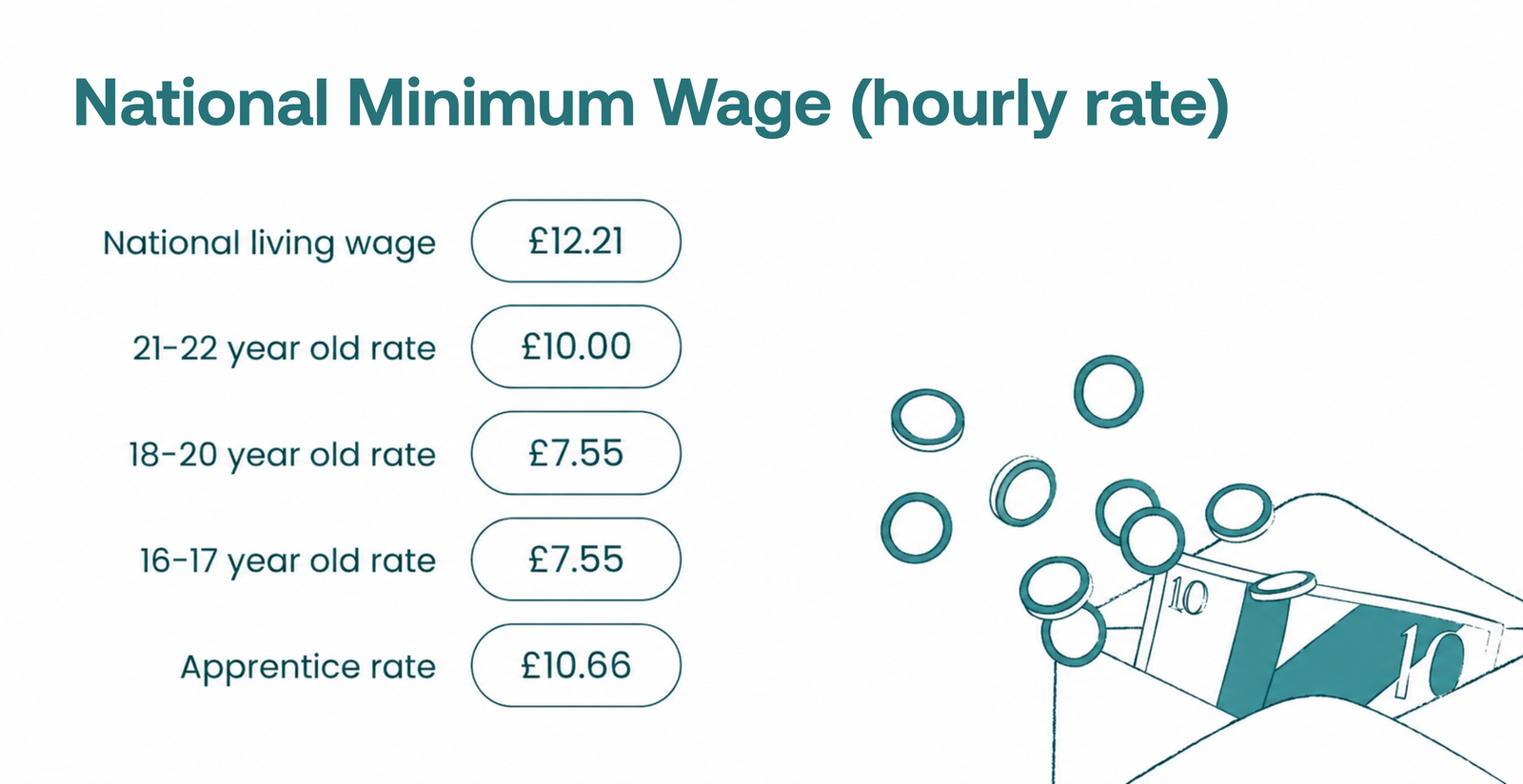
The London Living Wage 2026 is set at £14.80 per hour, compared to £13.45 per hour for the rest of the UK under the living wage UK. The Living Wage Foundation sets a higher rate for London to reflect significantly higher living costs.
Why London Rates Are Higher
Care providers in London face increased expenses across the board:
- Higher rent and housing costs
- More expensive transport
- Greater childcare costs
These pressures directly affect care workers, making the living wage UK per hour less sustainable in London without adjustment.
What This Means for Care Providers
- Providers in London must budget for higher wages to stay competitive
- Staff expect pay aligned with the London Living Wage 2026, especially in urban areas
- Recruitment becomes harder if wages stay close to the minimum wage UK
Annual Impact (London Living Wage Yearly)
The higher hourly rate leads to a significant yearly difference:
- A full-time worker on the London Living Wage yearly earns thousands more than one on the National Living Wage
- This gap increases pressure on care providers but also improves staff retention
For London-based care businesses, paying the living wage UK at the standard rate may not be enough. Adopting the London Living Wage 2026 often becomes necessary to attract and retain staff in a high-cost environment.
MORE: New Rules for Care Home Payments in 2026
What About Minimum Wage, Apprentices & Other Pay Rates?
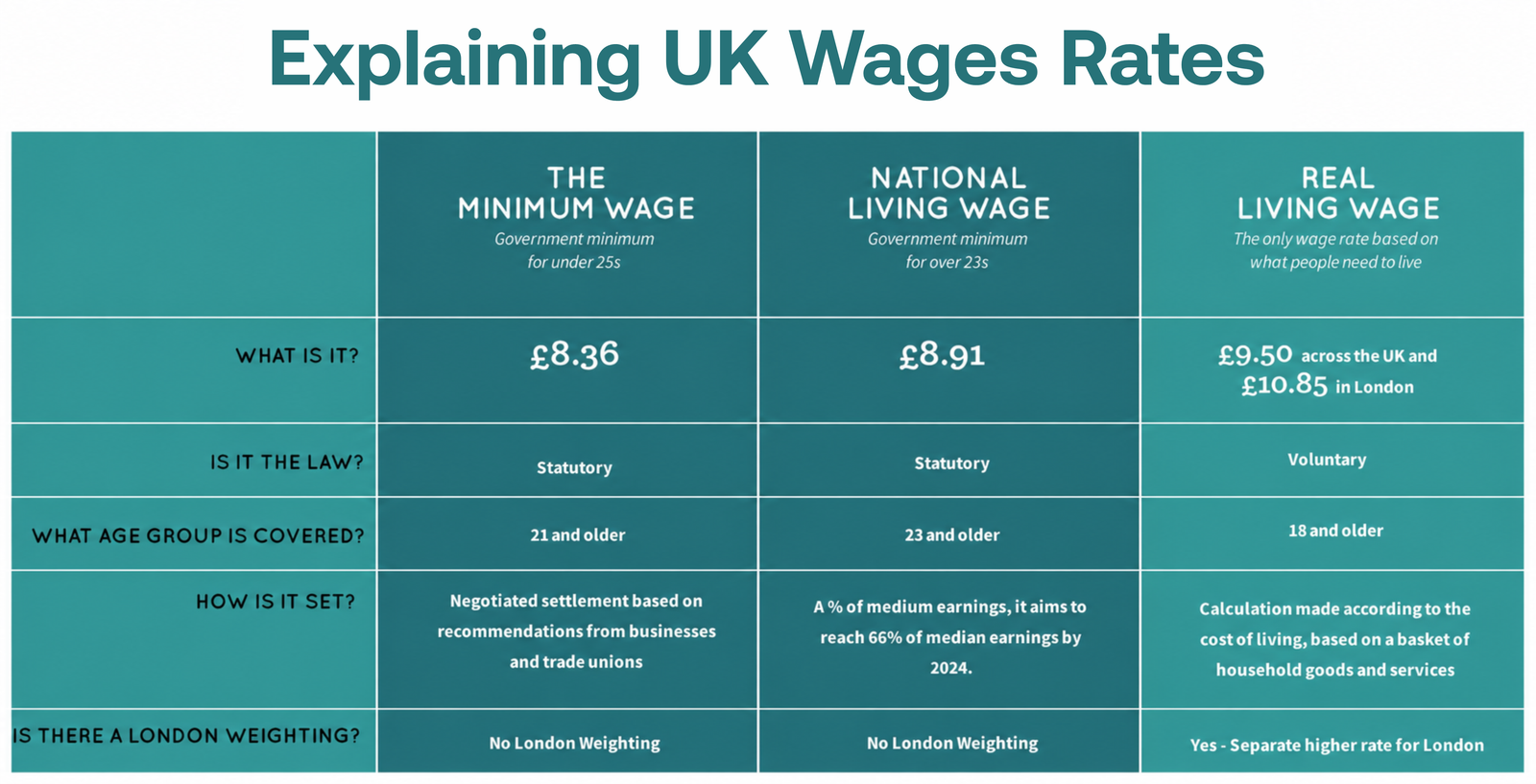
Care providers must understand the full minimum wage UK structure, not just the National Living Wage, to stay compliant and manage payroll effectively.
Minimum Wage 2026 (By Age Group)
As of April 2026:
- 21 and over: £12.71 (National Living Wage)
- 18 to 20: £10.85
- Under 18: £8.00
- Apprentices: £8.00
These rates apply across the UK, including minimum wage Scotland, as part of the national framework.
Apprenticeship Wage and Pay Rules
Care providers often hire apprentices to build their workforce. You must follow specific rules:
- Pay the apprenticeship wage (£8.00) if:
- The worker is under 19, or
- They are 19+ and in the first year of apprenticeship
- After the first year (if aged 19+), you must pay the minimum wage for their age group
Why This Matters in Care
- Apprentices help reduce staffing shortages
- Lower pay rates for apprentices can reduce short-term costs
- However, experienced carers often expect pay closer to the living wage UK per hour
Practical Tip
Use an hourly rate calculator to plan mixed workforce costs:
- Combine apprentice wages + senior staff wages
- Compare against contract income
- Factor in the UK minimum wage increase 2026 and future rises
The minimum wage UK ensures compliance, but relying heavily on lower wage bands may affect care quality and staff retention. Most successful providers balance apprenticeships with competitive pay aligned to the living wage UK.
Final Thoughts…
The living wage UK is no longer just a “nice-to-have” for care providers—it’s becoming a strategic decision that affects growth, staffing, and long-term sustainability.
You must meet the legal baseline under the National Living Wage and the wider minimum wage UK framework. However, many providers now go further by adopting the Living Wage UK 2026 to stay competitive in a demanding labour market.
Here’s the reality:
- Paying only the minimum wage 2026 keeps you compliant, but may limit recruitment and retention
- Paying the living wage UK per hour helps you attract and keep skilled carers
- In cities like London, the London Living Wage 2026 often becomes essential, not optional
Rising costs, including the UK minimum wage increase 2026, continue to put pressure on care businesses. At the same time, expectations from staff, regulators, and commissioners keep increasing. Providers who adapt early position themselves ahead of the curve.
The choice is not just about wages, it’s about the kind of care business you want to run.
- Compliance-focused providers meet the minimum
- Growth-focused providers invest in people
For most successful care businesses in 2026, the living wage UK sits at the centre of that strategy.
Care Sync Experts helps care providers build sustainable workforce strategies, stay compliant with UK wage regulations, and position their businesses to win more contracts through smarter pay decisions.
Speak to our team today and ensure your pay structure supports your staff, strengthens your service, and drives long-term growth.
FAQ
Is UK Living Wage the same as minimum wage?
No. The living wage UK is voluntary and based on the real cost of living, while the National Living Wage is the legal minimum employers must pay. The living wage UK is usually higher.
Is 12.60 an hour good in the UK?
£12.60 per hour is close to the National Living Wage (2026), so it meets legal standards for workers aged 21+. However, it falls slightly below the living wage UK per hour (£13.45), meaning it may not fully cover rising living costs in many areas.
What salary is 13.50 an hour?
£13.50 per hour equals approximately:
– £540 per week (based on 40 hours)
– Approximately £28,000 per year (before tax)
This aligns closely with the Living Wage UK 2026, making it a competitive wage in many sectors, including care.
Is it illegal to pay less than London’s Living Wage?
No, it is not illegal. The London Living Wage 2026 (£14.80) is voluntary. Employers only break the law if they pay below the National Living Wage or other applicable minimum wage UK rates.
Leave a Reply