Starting a care home in the UK means registering with the Care Quality Commission (CQC) before you provide any residential care for adults in England.
To open a care home, you must register the provider (and usually a registered manager), define the regulated activities you’ll deliver, prove you can meet quality and safety standards, and prepare for inspection.
Most delays happen because owners secure property or hire staff before they design the service around CQC expectations, so start with compliance, then build everything else around it.
How to start a care home: pick your care model first
How to Set Up a Care Agency – Everything You Need to Know for 2025
Before you apply to CQC or spend money on property, decide what kind of care home you’re actually opening. This single decision shapes your registration route, staffing, costs, and long-term risk.
Residential care homes (most common starting point)
Residential care homes support adults who need help with daily living, washing, dressing, eating, mobility, and medication prompts, but not 24-hour nursing care.
If this is your first time starting a care home, this model usually makes sense because:
Registration is more straightforward
Staffing requirements are lower than nursing homes
Startup and operating costs are easier to control
Demand is strong in most local authority areas
Many first-time owners choose residential care, build a strong compliance record, then expand later.
Nursing homes (higher risk, higher complexity)
Nursing homes provide everything a residential home does plus continuous nursing care. You’ll need registered nurses on duty, more complex clinical governance, and higher insurance cover.
Choose this route only if:
You already have nursing leadership in place, or
You’re converting or acquiring an existing nursing home, or
You’ve secured funding that supports higher staffing and clinical costs
If you underestimate the clinical side, inspectors will spot it quickly.
Specialist care homes (dementia, learning disability, mental health)
Specialist homes focus on a specific need, such as dementia or learning disabilities. These services attract strong demand, but inspectors expect evidence of specialist training, adapted environments, and tailored care models from day one.

Specialism works best when:
You have direct experience with the client group
Your location already has referral pathways
Your staffing plan reflects the higher support needs
Respite care homes (short-stay focus)
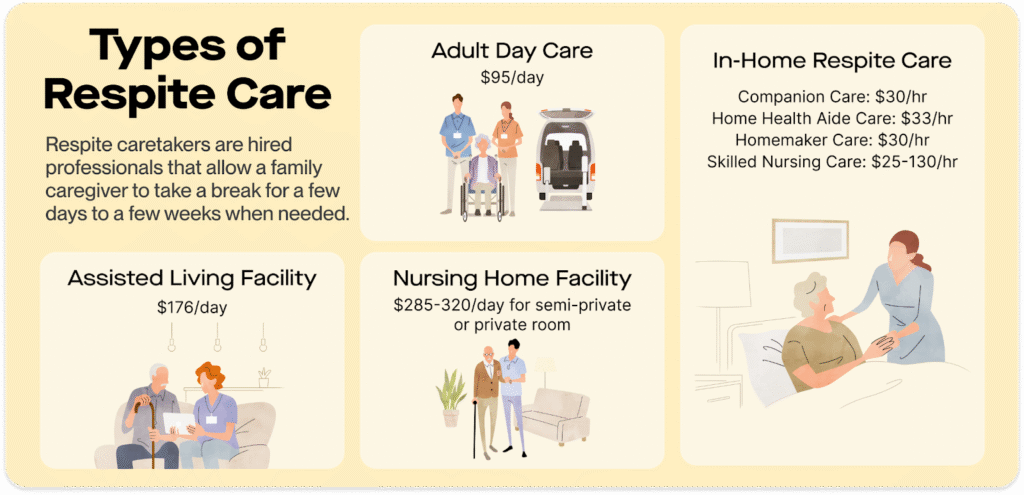
Respite care provides short-term placements for people whose usual carers need a break or who are transitioning from hospital. While stays are shorter, standards are not lighter. You still need full compliance, safe staffing, and strong admission controls.
A simple decision rule
If you’re unsure how to start a care home, use this rule:
Start with the least complex care model you can run safely, then scale once you’ve passed inspections and stabilised occupancy.
CQC does not reward ambition. It rewards clarity, safety, and control.
How to open a care home in England: what CQC expects
2026 Guide to Starting Home Care
If you want to open a care home in England, you must register with the Care Quality Commission (CQC) before you provide any regulated care. You cannot trade first and “sort registration later.” Doing so is a criminal offence and will end your application before it starts.
You register the provider, and usually the manager too
CQC does not register buildings. It registers people and organisations.
If the provider is an organisation or partnership, CQC will also expect you to appoint and register a registered manager who takes day-to-day responsibility for the service.
If you apply as an individual and intend to manage the home full time yourself, you may not need a separate manager, but CQC will still assess you against the same standards.
The key question inspectors ask is simple: Who is legally accountable for safe, well-led care every day?
What you submit with your CQC application (plain English)
CQC applications fail when owners treat them like paperwork. In reality, this is where you prove you understand the business you’re starting.
You must clearly set out:
Each location where you will deliver residential care
The regulated activities you intend to carry out
Who your service is for and who it is not for
How you will meet quality and safety standards
A formal declaration of compliance
CQC will also assess:
Your governance structure
Your ability to recruit, train, and supervise staff
Your financial viability
Your understanding of safeguarding, medicines, and risk management
There is no application fee, but once CQC grants registration, you must pay an annual fee to remain registered.
A critical warning (where most people go wrong)
Many first-time owners secure property, buy equipment, or hire staff before they fully understand what CQC expects. That approach increases cost and risk.
A safer rule when starting a care home in the UK is this: Design the service on paper first, prove it meets CQC standards, then commit money.
CQC approves services that show control, clarity, and realistic planning, not enthusiasm alone.
What inspectors actually look for (so you build the right service)
How To Start a Homecare Business
When CQC assesses your application and later inspects your care home, inspectors don’t look for perfection. They look for control. They want clear evidence that you understand your risks and manage them every day.
Staffing: enough people, with the right skills
There is no legal staff-to-resident ratio for care homes. Instead, inspectors judge whether you provide sufficient, competent staff to meet residents’ needs at all times.
In practice, this means you must be able to show:
How many staff you need on each shift
Why that number works for your residents’ needs
How you cover sickness, holidays, and emergencies
How staff receive training, supervision, and support
If you can’t explain your staffing logic clearly, inspectors will assume it isn’t safe.
Safeguarding and risk management
Inspectors expect safeguarding to run through everything you do, not sit in a policy folder.
They will look for:
Clear safeguarding procedures that staff actually understand
Risk assessments tailored to individual residents
Evidence that staff know how to raise concerns and act quickly
Good providers don’t just react to incidents. They anticipate risk and reduce it early.
The same standard applies to care records. Inspectors expect notes that are clear, current, and reflect real care, not copy-and-paste templates.
Leadership and governance
CQC places heavy weight on whether a service is well-led. Inspectors want to see:
Clear responsibility at management level
Regular audits and checks
Evidence that you learn from mistakes
Systems that improve care over time
This applies even to small homes. Size does not reduce accountability.
The inspection mindset you need
If you’re starting up a care home, adopt this mindset early: If you can’t evidence it clearly, you can’t defend it.
Strong services don’t rely on goodwill or hard work alone. They rely on systems that work even on bad days.
Starting a care home UK, a practical setup checklist
Once you understand the care model and CQC expectations, you can move into setup. The order matters. Follow these steps to avoid wasted money, failed applications, and long delays.
1) Confirm demand and referral routes
Start with evidence, not assumptions.
Check local authority commissioning priorities
Identify who will refer residents (councils, hospitals, families)
Define the exact needs you will accept, and those you won’t
Clear admission criteria protect residents and your registration.
2) Secure a suitable property (with safety in mind)
Choose a building that can realistically meet care standards.
Adequate space for mobility aids and equipment
Safe access and evacuation routes
Fire safety suitability from day one
Avoid heavy renovations until your service model and compliance plan are clear.
3) Build your compliance pack before hiring
Create the core documents that prove control:
Safeguarding procedures
Medicines management
Staffing and supervision plans
Risk assessments
Governance and audit processes
Inspectors expect these systems to exist before residents arrive.
4) Appoint or identify your registered manager
CQC places major responsibility on leadership.
Confirm who holds day-to-day accountability
Align their experience with your care model
Prepare their registration alongside the provider application if required
Weak leadership delays or blocks registration.
5) Plan staffing and training realistically
Design rotas around resident needs, not minimum numbers.
Cover nights, weekends, sickness, and leave
Schedule induction and mandatory training
Build supervision and appraisal into normal operations
Staffing failures cause most early enforcement action.
6) Apply to CQC with a complete, coherent application
Submit only when everything aligns:
Service description
Regulated activities
Locations
Governance systems
Financial viability
Rushed or inconsistent applications trigger long follow-ups.
7) Prepare for inspection before it happens
Assume inspectors will arrive.
Run internal checks
Test procedures with staff
Fix gaps early
The strongest providers treat inspection readiness as normal operations, not a one-off event.
Starting a care home, costs, funding, and cashflow reality
Starting a care home in UK
Starting a care home is capital-intensive, and most first-time owners underestimate how long it takes before income stabilises. If you plan costs realistically from the start, you protect the service and your registration.
The main cost areas to plan for
While figures vary by location and size, costs usually fall into these buckets:
Property
Purchasing or leasing a suitable building is often the largest upfront cost. Prices vary widely by region, and not every building can meet care standards without expensive adaptations.
Staffing (your biggest ongoing expense)
Wages typically account for the largest share of monthly outgoings. This includes care staff, management, training time, sickness cover, National Insurance, and pension contributions.
Compliance and governance
Training, audits, record-keeping systems, insurance, and ongoing quality monitoring all carry costs. These aren’t optional extras, they’re core operational expenses.
Equipment and environment
Beds, hoists, mobility aids, specialist seating, bathroom adaptations, and safety equipment add up quickly. Buying the right equipment early reduces injury risk and staffing strain.
Operating costs
Utilities, food, cleaning supplies, maintenance, professional fees, and marketing all need to sit within a realistic monthly budget.
Funding options to consider
Most people starting up a care home combine several funding sources:
Commercial mortgages for the property
Personal or investor capital
Business loans or asset finance for equipment
In some cases, targeted grants linked to specialist care or innovation
Lenders and investors will expect a clear business plan, realistic occupancy assumptions, and evidence that you understand regulatory risk.
The cashflow rule that protects new services
Even well-planned care homes take time to reach stable occupancy. A safe rule is this: Plan enough working capital to run the home for several months with low occupancy.
This buffer gives you room to:
Pass inspections without panic
Recruit and train staff properly
Build referrals without cutting corners
Care homes don’t fail because demand disappears. They fail when cashflow collapses before systems mature.
Business plan for a care home, what actually matters
A care home business plan is not a formality. Regulators, lenders, and partners use it to judge whether you understand the risks of starting a care home and whether your service can survive pressure.
Keep it practical. Avoid generic business language.
Executive summary (short, factual, focused)
State clearly:
What type of care home you’re opening
Where it will operate
Who it will serve
How it will stay safe, compliant, and financially viable
This section should make sense on its own.
Service model and staffing plan
Explain:
Your care model (residential, nursing, specialist, or respite)
Admission criteria and exclusions
Staffing structure by shift
How you recruit, train, and retain staff
Decision-makers want to see that staffing levels match resident needs, not optimistic assumptions.
Compliance and governance plan
Show how you will meet regulatory expectations daily:
Inspectors and lenders look for realism, not ambition.
Risk management
Identify the risks most likely to damage the service:
Staffing shortages
Inspection failure
Low occupancy
Rising costs
Then explain how you reduce and manage them.
A final business-plan rule
If your business plan can’t explain how the care home stays safe on a bad week, it isn’t finished.
How to set up a care agency instead (domiciliary care)
Many people who search for how to start a care home later realise that a residential setting isn’t the right first step. If you want lower startup costs and more flexibility, setting up a care agency (domiciliary care) may be a better option.
This model lets you deliver care in people’s homes rather than running a fixed premises.
How do I start a care agency?
If you’re asking how do I start a care agency, the process still begins with regulation, but the structure is different.
In England, you must register with the Care Quality Commission to provide personal care in people’s homes. As with care homes, you register the provider, and usually a registered manager, before delivering any care.
The key difference is scale:
No residential property to buy
Lower equipment costs
Staffing flexibility based on demand
However, compliance expectations remain just as strict.
How to start a care agency UK: what changes
When learning how to start a care agency UK, focus on these areas early:
Recruitment and retention of carers
Scheduling and travel time management
Lone-worker safety
Accurate care records across multiple locations
Strong supervision and spot-check systems
Domiciliary care agencies often fail because growth outpaces control. Inspectors look closely at how you monitor care delivered off-site.
Domiciliary care agency business plan: what to include
A strong domiciliary care agency business plan differs from a care home plan in a few key ways:
Cashflow depends on care hours delivered, so accuracy matters.
Running a care agency: what breaks first
When running a care agency, problems usually appear in three places:
Missed or late visits due to poor rota planning
Inadequate supervision of carers working alone
Inconsistent care records that don’t reflect real visits
Strong agencies fix these early with:
Digital scheduling
Regular supervision
Clear escalation procedures
Care home vs care agency: a quick decision rule
If you want faster setup and lower risk, a care agency often makes sense first. If you want long-term asset value and can manage higher costs, a care home may suit you better.
Choose the model you can control safely, not the one that sounds more impressive.
Conclusion
Starting a care home in the UK is beyond a business decision, it’s a long-term responsibility. The providers that succeed don’t rush the process or rely on assumptions. They choose the right care model, design their service around regulatory expectations, control risk early, and build systems that hold up under inspection, commissioning scrutiny, and growth.
Whether you’re opening a residential care home or deciding that a domiciliary care agency is the better first step, the same principle applies: compliance comes first, sustainability comes next, and growth follows good governance, not the other way around.
Need expert support to strengthen your care service’s readiness?
Running a care service means operating under constant scrutiny. Even providers delivering good care can struggle with unclear accountability, documentation that doesn’t match day-to-day practice, or expansion that outpaces governance.
Care Sync Experts supports care homes and domiciliary care agencies across England, Wales, and Northern Ireland to build strong foundations before problems escalate. Support typically covers:
If you’re unsure whether your systems would stand up to inspection, commissioning review, or planned expansion, a short conversation now can prevent costly disruption later.
This article reflects UK care regulation and sector practice as at 2026. Requirements may change, and providers should always refer to current guidance from the relevant regulator.
FAQ
Is a care home business profitable in the UK?
A care home can be profitable, but margins depend on occupancy, staffing control, and funding mix. Well-run homes with stable occupancy often achieve single-digit to low-teens net margins, not the high margins people assume.
Profitability improves when the home maintains consistent referrals, controls agency staffing costs, and avoids compliance failures that trigger enforcement or closures. Poor management, not lack of demand, is the main reason care homes struggle financially.
How much does a care home cost in the UK?
The cost of starting a care home in the UK varies widely. Property alone can range from hundreds of thousands to several million pounds, depending on size and location.
Beyond the building, owners must budget for staffing, equipment, compliance systems, insurance, and working capital to cover low occupancy in the early months. Most failures happen when owners underestimate cashflow needs, not the headline purchase price.
How do care agencies get clients in the UK?
Care agencies typically get clients through local authority commissioning, NHS referrals, private self-funding clients, and word-of-mouth. Many councils use frameworks or Dynamic Purchasing Systems (DPS), meaning agencies must apply and meet quality thresholds before receiving referrals.
Private clients often come through online visibility, hospital discharge teams, and community networks. Agencies that combine public contracts with private clients tend to be more stable.
How much do care agencies charge per hour in the UK?
Hourly rates for home care agencies in the UK vary by region and funding source. Local authority rates are usually lower, while private client rates are higher to reflect travel time, staffing costs, and compliance overheads.
Rates also depend on the level of care required, time of day, and visit length. Agencies that price too low often struggle to retain staff and maintain quality, which quickly leads to regulatory issues.
You usually don’t plan to search for care agencies near me. Something happens. A fall. A hospital discharge. A slow decline you can no longer manage alone. Suddenly, you must make a decision that feels urgent, emotional, and high-stakes.
You open Google. You see star ratings. Photos. Promises of “compassionate care.” But before you trust anyone to step into your parent’s home, you need to answer one critical question:
Is this care agency legitimate, regulated, and safe?
This guide shows you what to check, quickly and confidently, before hiring a domiciliary care agency in the UK. It cuts through marketing language and focuses on facts that protect families, staff, and organisations alike.
Start Here: Confirm the Agency Operates Legally
How to Set Up a Care Agency – Everything You Need to Know for 2025
Before reviews, prices, or availability, verify that the agency has the legal right to provide care. In the UK, home care agencies must register with a regulator before delivering regulated services. If they are not registered, you should not proceed.
Inspection history, especially safety, leadership, staffing, and safeguarding
Enforcement action, if any (not an automatic no, but it demands careful questions)
Matching details across regulator records, invoices, and contracts
If the agency does not appear on the register, or details don’t match, stop and walk away. No review score overrides legal compliance.
Rule to remember: No regulator record = no care.
Why Google Business Profile Is Often the First Trust Test for Care Agencies
For many families searching for care, your Google Business Profile is the first real impression they form of your organisation.
Before they visit your website, they:
scan your star rating,
read recent reviews,
look at photos,
and decide, often in seconds, whether you appear safe, credible, and professional.
In a sector where decisions are emotional and time-sensitive, that first impression carries real weight.
For care agencies, this matters because Google increasingly treats your Business Profile as a public trust surface, not just a directory listing. In practice, it functions as an early credibility filter, used by families, commissioners, hospital discharge teams, and sometimes inspectors themselves.
How Local Visibility Works for Care Agencies
When someone searches for home care near me or domiciliary care in Hertfordshire, Google often displays a map with a small group of local providers before any traditional website results.
This area, commonly called the Local Pack, appears for the vast majority of local-intent searches and captures a significant share of user attention and clicks.
For homecare agencies, this means visibility arrives before explanation. People see your name, reviews, photos, and activity level before they understand your service model or values.
Your Google Business Profile is what determines:
whether you appear at all,
how prominently you appear,
and whether people choose to contact you or scroll past.
In recent platform updates, Google has reinforced this by tightening verification requirements and rewarding profiles that remain accurate, active, and well-maintained.
What Google Actually Uses to Rank Local Care Providers
Local SEO for Care Agencies
Google states that local results are primarily influenced by relevance, distance, and prominence.
Relevance reflects how closely your profile matches the search. Detailed services, accurate categories, and clear descriptions help Google understand what you offer and when to show you.
Distance is based on proximity to the searcher or the location specified. You can’t control where someone searches from, but you can control how accurately your service areas are defined.
Prominence reflects how established and trustworthy your business appears online. Reviews, citations, consistent details, and engagement all feed into this signal.
Distance is fixed.
Relevance and prominence are not.
Everything that follows is about strengthening the two factors you can control, without breaching regulatory or review rules.
Step 1: Claim and Verify Your Profile Correctly
Verification is not optional. Without it, you cannot control your information, respond to reviews, publish updates, or access performance data.
Depending on eligibility, Google may require:
postcard verification to your registered address,
video verification showing your premises and branding,
or phone/email verification in limited cases.
For domiciliary care agencies, video verification has become increasingly common. During this process, you may need to show:
exterior signage,
office space,
branded materials,
and evidence that you operate from the listed address.
Best practice matters here.
Use your real-world business name exactly as it appears on:
Companies House,
your regulator’s register,
signage and contracts.
Adding keywords to your name, such as “Best Homecare Agency Bedford”, violates guidelines and can trigger suspension.
Avoid changing your name, address, or category while verification is in progress. Google warns that this can invalidate the process and force a restart.
Since late 2024, verified profiles have also become a prerequisite for certain advertising and local service features, making verification the foundation of wider visibility.
Step 2: Complete Every Profile Field Thoroughly
Incomplete profiles signal uncertainty, to both Google and users.
At a minimum, ensure consistency across:
business name,
phone number,
website,
opening hours.
Even small mismatches across directories can weaken trust signals.
Service Areas
You can list up to 20 service areas, such as towns or postcodes. These should accurately reflect where you operate and remain within a reasonable travel distance from your base.
Overstating coverage does not improve reach. It often reduces credibility.
Business Description
Your description should clearly explain:
who you support,
what services you provide,
where you operate,
and what distinguishes your agency.
You have limited space. Use plain language. Avoid vague promises.
Categories, Services, and Attributes
Your primary category is the strongest relevance signal on your profile. Choose the category that best reflects your core service, not every service you might offer.
Secondary categories should represent major service lines you actively deliver. Avoid categories that imply services you do not provide, as this can attract poor-fit enquiries and scrutiny.
Services and attributes help Google match you to more specific searches and help users understand your offer quickly.
Step 3: Use Services to Capture Intent Without Overpromising
The services section allows you to list both predefined and custom services, with optional descriptions.
This is one of the most underused areas of care agency profiles.
List services families actually search for, such as:
personal care at home,
dementia support,
medication assistance,
respite care,
hospital discharge support,
overnight or live-in care (only if genuinely offered).
Keep descriptions outcome-focused. Explain what families gain, not what you technically deliver.
Accuracy matters more than breadth.
Step 4: Photos as Trust Evidence, Not Decoration
What are Integrated Care Systems?
Photos help people decide whether you feel real.
For care agencies, effective photos include:
carers in uniform,
training sessions,
office exterior or interior,
branded vehicles,
community involvement.
Upload a solid initial set, then add new photos regularly to signal activity.
Never upload images that reveal confidential information or identifiable service users without explicit consent. This breaches both safeguarding expectations and platform policies.
Step 5: Reviews, Prominence, and Legal Reality
Reviews strongly influence prominence, but they now carry legal risk if handled incorrectly.
Recent UK enforcement has strengthened penalties around fake or incentivised reviews. For care agencies, this matters because reputational trust is non-negotiable.
Ethical review practices include:
asking after genuinely positive moments,
making the process simple,
spacing requests naturally,
and never offering incentives.
Respond to all reviews promptly and professionally. A calm, respectful response to criticism often builds more trust than a perfect rating.
Reviews that naturally mention services or locations reinforce relevance, but you should never script or pressure content.
Step 6: Posts, Q&A, and Ongoing Signals
Google Posts, Q&A, and messaging features all signal activity and responsiveness.
Use posts to:
share availability,
introduce staff,
explain services,
highlight community involvement.
Monitor Q&A regularly, especially as AI-generated answers become more common. Correct inaccuracies early and seed clear, factual responses to common questions.
A Google Business Profile is not just a visibility tool.
It is:
a public consistency check,
a trust proxy for families,
and increasingly, a mirror of organisational discipline.
Agencies that manage it well tend to manage other systems well too.
Those that neglect it often struggle under scrutiny, not because Google caused problems, but because inconsistencies were already there.
Conclusion
Families search for care agencies near them because they want reassurance. Regulators test for the same reason. Care agencies answer that trust question every day, through systems, decisions, and readiness.
Care doesn’t stand still. Demand shifts. Workforces change. Expectations rise. Hoping things work out isn’t a strategy.
The strongest agencies treat regulation as a signal, not an obstacle. They build structure behind compassion so care holds steady when life doesn’t. Those answers matter long before anyone comes knocking, and they shape what happens when they do.
Need Expert Support to Strengthen Your Care Agency’s Readiness?
Running a care agency means operating under constant scrutiny. Even providers delivering good care can struggle with unclear accountability, documentation that doesn’t match practice, or growth that outpaces governance.
Care Sync Experts supports domiciliary care agencies across England, Wales, and Northern Ireland to strengthen foundations before problems escalate, covering regulatory readiness, policy and governance alignment, inspection preparation, sustainable growth planning, and ongoing compliance support.
If you’re unsure whether your systems would stand up to inspection, commissioning scrutiny, or expansion, a short conversation now can prevent costly disruption later.
This article reflects UK care regulation and sector practice as at 2026. Requirements may change; always refer to current guidance from the relevant regulator.
FAQ
How many care agencies are there in the UK?
The UK has thousands of adult social care providers, the majority of which are small, independent organisations. This fragmentation is why regulators and commissioners focus on systems and leadership, not just outcomes.
How much does 24-hour care at home cost in the UK?
Live-in care typically costs more than hourly domiciliary visits but less than residential nursing care. Weekly costs vary by complexity, location, and rota design. Sustainable pricing accounts for fair pay, cover, supervision, and compliance, underpricing often shifts risk elsewhere.
Is HC-One an agency?
No. HC-One operates care homes (residential and nursing). It does not deliver domiciliary care in people’s homes. This distinction matters for regulation and accountability.
How should you choose a care provider?
Look beyond reassurance. Confirm registration, read inspection history for learning and leadership, assess transparency around pricing and delivery, and check that systems remain stable under pressure. Good care feels personal; safe care is structural.
£21m–£160m Domiciliary Care Framework: Complete Guide for Care Providers
The London Borough of Harrow, working jointly with Hillingdon, is commissioning a new Home Care (Domiciliary Care) Services Framework starting 1 September 2026, with an estimated total value between £21 million and £160 million over the framework lifespan.
The framework is expected to run for up to 8 years (2026–2034) and is open to CQC-registered providers delivering adult home care, reablement services, and care for children and young adults with disabilities.

This guide explains who can bid, how the framework is structured, key deadlines, and what providers must do to qualify and compete successfully.
What Is the Harrow Home Care Framework?
Harrow Council £21 MILLION Home Care Tender 2026
The London Borough of Harrow, alongside London Borough of Hillingdon, is establishing a new open framework for the delivery of domiciliary care and support services across Harrow.
This framework replaces or consolidates existing arrangements and will form the primary route through which the council purchases home care services from 2026 onwards.
Key Contract Details
Item
Detail
Contracting Authority
London Borough of Harrow (with Hillingdon)
Tender Reference
FTS 002241-2026 / ocds-h6vhtk-06039f
Estimated Framework Value
£21m – £160m (potential £150m+ over life)
Initial Term
3 years (Sept 2026 – Aug 2029)
Maximum Duration
Up to 8 years (to Aug 2034)
Contract Start Date
1 September 2026
Procurement Route
Open Procedure – Open Framework
Submission Deadline
25 February 2026 at 23:59
Procurement Portal
London Tenders Portal
Services Being Commissioned
Harrow Council is seeking providers to deliver regulated domiciliary care services aligned with assessed social care needs, including:
Personal care and daily living support
Long-term home care packages
Short-term reablement following hospital discharge
Support for adults with:
Physical frailty
Dementia
Learning disabilities
Autism
Mental ill-health
Sensory or neurological conditions
Home-based care for children and young adults with disabilities (CYAD)
All services must comply with statutory adult and children’s social care duties and relevant regulatory standards.
Understanding the 7-Lot Framework Structure
home care services
The framework is divided into seven distinct lots, allowing providers to bid based on geography, service type, and operational capacity.
Adults 18+ Long-Term Homecare (Lots 1–3)
These lots cover ongoing domiciliary care for adults aged 18 and over.
Lot
Area
Estimated Value
Provider Cap
Lot 1
Harrow West
£6m
Unlimited
Lot 2
Harrow Central
£6m
Unlimited
Lot 3
Harrow East
£6m
Unlimited
Services include support for people with learning disabilities, autism, dementia, mental health needs, and physical impairments.
Adult Reablement Support Services (Lots 4–6)
Short-term, intensive reablement services designed to restore independence, typically lasting up to 6 weeks.
Lot
Area
Estimated Value
Provider Cap
Lot 4
Harrow West
£400k
Max 3
Lot 5
Harrow Central
£300k
Max 2
Lot 6
Harrow East
£300k
Max 2
These lots are highly competitive due to limited provider numbers.
Children & Young Adults with Disabilities (CYAD) – Lot 7
Lot
Coverage
Estimated Value
Provider Cap
Lot 7
Borough-wide
£2m
Max 6
This lot supports children and young people aged 0–18 with moderate to profound disabilities, autism, severe physical impairments, and complex needs.
Eligibility Requirements: Can You Bid?
Harrow Council applies strict pass/fail Project Specific Questions (PSQs). Failure on any requirement results in elimination.
Mandatory Requirements
You must be able to demonstrate all of the following:
Providers that fail in large London frameworks typically fail before pricing is even considered, due to weak mobilisation plans, poor evidence of ECM use, or generic policy submissions.
Recommended Preparation Checklist
Confirm CQC rating remains “Good” or above
Audit ECM functionality and reporting outputs
Align staffing levels to specific lot geography
Update business continuity and escalation plans
Prepare a clear mobilisation plan for 1 September 2026
Evidence workforce recruitment, retention, and training
Demonstrate quality assurance and service monitoring
Ensure policies match current practice, not templates
Assign internal ownership for bid coordination
Submit early to avoid portal issues
Common Reasons Providers Are Eliminated
Failing a single PSQ requirement
Submitting outdated or generic policies
Inability to evidence ECM in practice
Bidding for too many lots without delivery capacity
Weak mobilisation planning for borough-wide coverage
Who This Opportunity Is Best Suited For
Care Home in UK
Established domiciliary care providers operating in or near Harrow
Providers with strong compliance records and stable workforces
Organisations able to scale safely over a long-term framework
Specialist providers with CYAD or reablement expertise
Final Takeaway…
The Harrow Council Home Care Framework 2026 is one of the largest domiciliary care opportunities in North-West London, offering long-term stability for providers that meet high regulatory and operational standards.
For CQC-registered organisations with the right capacity, preparation, and governance, this framework represents a transformational growth opportunity lasting potentially until 2034.
Need Expert Support With the Harrow Home Care Tender?
Bidding for large local authority frameworks like Harrow’s Homecare Services Framework is complex.
Even strong providers are often eliminated due to technical non-compliance, weak mobilisation plans, or poorly evidenced PSQ responses.
Care Sync Experts supports domiciliary care providers across England with end-to-end tender and framework support, including:
bid readiness assessments before you submit
review of pass/fail PSQs to prevent automatic elimination
compliance checks against CQC, workforce, and ECM requirements
mobilisation planning for borough-wide and multi-lot bids
quality and method statement drafting aligned to council expectations
policy and evidence alignment to support tender responses
ongoing framework compliance and performance support after award
We stay up to date with local authority commissioning practices, social care procurement requirements, and regulatory expectations, so you can submit with confidence and avoid costly mistakes.
Book a Free Tender Readiness Consultation
If you’re planning to bid for the Harrow Home Care Framework, or you’ve previously been unsuccessful on similar council tenders, speak to our team before you submit.
Early preparation can make the difference between framework appointment and automatic exclusion.
This guide was prepared by Care Sync Experts and reflects the Harrow Home Care Tender requirements available at the time of writing (2026). Procurement requirements and evaluation criteria may change. Providers should always refer to the official procurement documents and portal before submitting a bid.
FAQ
Can new or recently registered care providers bid for the Harrow Home Care Framework?
Yes, newly registered providers may bid, provided they meet all mandatory eligibility criteria at the point of submission, including active registration with the Care Quality Commission and a minimum overall rating of “Good.” However, newly registered providers should be aware that councils typically scrutinise mobilisation plans, workforce stability, and governance maturity more closely where operating history is limited.
Can providers bid for more than one lot under the Harrow Home Care Framework?
Yes, providers may bid for multiple lots, but must clearly demonstrate operational capacity, staffing resilience, and geographic coverage for each lot applied for. Bidding for multiple lots without sufficient evidence of delivery capability increases the risk of evaluation failure, particularly during quality and mobilisation scoring.
Does being awarded a place on the framework guarantee work or care packages?
No. Appointment to the framework does not guarantee any minimum level of work or income. Placements and care packages are awarded on a call-off basis, depending on service demand, provider performance, availability, and commissioning decisions throughout the framework term.
What happens if a provider’s CQC rating drops below “Good” during the framework period?
If a provider’s CQC rating falls below “Good” during the life of the framework, the contracting authority may:
– Suspend new placements – Apply remedial or monitoring measures – In serious cases, remove the provider from the framework
Maintaining regulatory compliance and inspection readiness throughout the contract term is therefore critical to long-term participation.
The Care Quality Commission (CQC) has, since July 1st, 2025, changed how it handles new homecare applications, and the impact has been brutal for unprepared providers.
CQC now routinely returns and rejects incomplete or inaccurate domiciliary care applications at the point of receipt. When that happens, any resubmission counts as a brand-new application. You lose your place in the queue. You start again from the back. In some cases, that mistake adds months to your launch timeline.
This single procedural change in CQC registration for domiciliary care providers explains why so many new CQC domiciliary care applications are failing right now.
The rules did not get easier. CQC raised the bar, deliberately.
Most online guides still teach the old approach:
“Submit what you have and fix issues later.”
“CQC will come back with questions.”
“Minor errors won’t matter.”
That advice is now dangerous.
CQC no longer treats missing documents, outdated forms, or vague answers as fixable issues. They treat them as grounds for immediate rejection.
If your application fails at intake:
CQC does not correct it with you
CQC does not hold your place
CQC applies whatever new requirements exist at resubmission
That last point matters more than people realise. Requirements continue to evolve. A delay today can mean more documents, more scrutiny, and more cost tomorrow.
Why CQC Tightened the Process
Do You Really Need CQC Registration for Supported Living? | 2026 Guide for Providers
CQC did not make this change randomly.
An independent operational review (the Dash review) exposed severe backlogs and inefficiencies. More than half of new provider applications were missing basic information. Some sat unresolved for months. Instead of absorbing that burden, CQC redesigned the process to filter weak applications immediately.

The result is a strict two-stage system:
Initial checks that act as a hard gate
Full assessment only for applications that pass cleanly
We’ll break both stages down in detail later in this guide.
What This Guide Does Differently
This is not a generic overview of CQC registration for domiciliary care providers.
This guide focuses on:
How CQC actually assesses applications today
Where applications fail before assessment even begins
The exact submission mechanics that cause avoidable rejection
The documents, detail, and consistency CQC now expects from day one
If you plan to apply for CQC registration in 2026, read this guide carefully and follow it in order.
Who Needs to Register With CQC for Domiciliary Care?
If you plan to deliver personal care in people’s own homes, the law leaves no room for interpretation. You must register with the Care Quality Commission before you provide any care.
CQC does not assess intentions. They assess what you actually do.
What Counts as Domiciliary Care?
Domiciliary care (also called homecare) involves supporting people in their own homes with tasks they cannot safely do alone. This includes:
Helping with washing or bathing
Assisting with dressing
Supporting eating and drinking
Helping people take medication
Providing personal hygiene support
If your service includes any of these activities, CQC classifies it as personal care, which is a regulated activity under the Health and Social Care Act 2008.
Who Is Legally Required to Register?
You must register if you provide personal care as:
A limited company
A partnership
A sole trader/individual
A charity or non-profit organisation
CQC does not care about your business size. A one-person homecare startup must meet the same registration standard as a multi-branch provider.
Who Does Not Need to Register?
Some providers assume they need registration when they don’t, while others assume the opposite and get it wrong.
You do not need to register with CQC if you only provide:
Domestic help (cleaning, shopping, laundry)
Companionship or social support without personal care
Administrative or care coordination services only
The moment you cross into hands-on personal care, registration becomes mandatory.
What About Managers and Individuals?
CQC registration applies at two levels:
The provider organisation or individual
The registered manager (a separate regulated role)
If you operate alone, you may act as:
the provider
the nominated individual
the registered manager
CQC allows this, but it increases scrutiny. You must clearly explain how you manage governance, accountability, and complaints when one person holds multiple roles. We’ll cover this in detail later.
Operating Without Registration Is an Offence
Providing regulated care without registration is not a minor breach. It is a criminal offence.
CQC has enforcement powers that include:
prosecution
fines
enforcement notices
long-term impact on future registration attempts
If you plan to offer personal care, you should not market, recruit staff, or accept clients until CQC confirms your registration.
Quick Self-Check: Do You Need to Register?
You need CQC registration now if:
You will help people wash, dress, eat, or take medication
You advertise personal care services
You employ or plan to employ care workers for personal care
If any of these apply, registration is not optional.
Registering With CQC as an Individual (Sole Trader)
Registering with the Care Quality Commission as an individual is legal, common, and fully permitted. However, it is not the easier option, despite what many people assume.
CQC applies the same regulatory standards to individual providers as it does to limited companies. In practice, individual applicants often face closer questioning, not less.
What Stays the Same
If you register as an individual rather than a company, these requirements do not change:
Personal care remains a regulated activity
You must meet all fundamental standards
You must submit the same core supporting documents
You must demonstrate safe care, governance, and financial sustainability
CQC does not lower expectations because you are a sole trader.
What Changes for Individual Providers
Where things differ is how CQC evaluates responsibility and oversight.
When you register as an individual:
You become the legal provider
You carry personal accountability for compliance
CQC expects clear evidence of how you manage risk, quality, and decision-making
If you also act as the registered manager, CQC will examine how you separate:
operational delivery
governance oversight
complaints handling
You must show that one person can realistically manage all three without conflicts of interest.
The Governance Challenge (Where Many Applications Fail)
CQC often rejects individual applications because governance is poorly explained.
Common weak answers include:
“I will manage everything myself”
“I will deal with complaints if they arise”
“I will monitor quality regularly”
These statements say nothing about how you will do those things.
As an individual provider, CQC expects you to explain:
how you audit care quality
how you identify risks
how you act on feedback
how complaints about you are handled independently
If you cannot show this clearly in your governance and complaints policies, your application is unlikely to pass.
Individual vs Limited Company: Practical Differences
Choosing to register as an individual affects more than paperwork.
Individual registration means:
You carry personal liability
You rely heavily on your own experience and competence
You must demonstrate credibility without a wider management structure
Limited company registration allows:
clearer separation of governance and operations
easier delegation as the service grows
stronger perception of sustainability for CQC assessors
CQC does not tell you which route to choose, but it does assess whether your chosen structure makes sense for the service you propose.
When Individual Registration Makes Sense
Registering as an individual may be appropriate if:
You have strong prior care management experience
You plan to run a small, local service initially
You fully understand the compliance burden
You can clearly explain governance arrangements
If you lack experience or plan rapid growth, individual registration often creates avoidable risk.
How CQC Processes New Domiciliary Care Applications in 2026
The biggest mistake new providers make is assuming CQC registration works the way it did a few years ago.
It doesn’t.
On 1 July 2025, the Care Quality Commission fundamentally changed how it processes new domiciliary care applications. That change still governs approvals in 2026.
The Old Assumption (Now Wrong)
Before mid-2025, many applicants believed:
CQC would flag missing documents later
Minor errors could be corrected during assessment
Applications stayed in the queue while issues were fixed
That approach no longer applies.
The New Reality
CQC now applies strict intake controls.
When your application arrives, CQC first checks whether:
every required document is present
all forms are current and fully completed
the information is accurate and internally consistent
If anything fails at this point, CQC returns or rejects the application immediately.
There is no partial acceptance. There is no “we’ll fix this later.”
Why Resubmission Is So Risky
If CQC rejects your application at intake:
you must correct the issues
you must resubmit everything
CQC treats the resubmission as a new application
That means:
you lose your original place in the queue
your timelines reset
any new requirements introduced meanwhile apply to you
In practical terms, one missing document can delay your launch by months.
Why CQC Made the Process Stricter
CQC tightened the system after an operational review revealed widespread problems:
high volumes of incomplete applications
long processing delays
assessors spending time chasing basic information
Instead of absorbing that inefficiency, CQC redesigned the process to filter out weak or unprepared applications immediately.
This protects their resources, and shifts the burden onto providers to submit complete, assessment-ready packs from day one.
What This Means for You
CQC no longer rewards “good enough” submissions.
To succeed in 2026, your CQC domiciliary care application must:
arrive complete
follow current guidance exactly
include documents that meet minimum requirements
show consistency across every form and policy
If your pack does not meet those standards at intake, CQC will not progress it.
That is why preparation now matters more than speed.
The Two-Stage CQC Domiciliary Care Application Process
Every CQC domiciliary care application now passes through two distinct stages. Each stage has a different purpose, and a different failure risk.
Understanding the difference is essential if you want to register successfully.
1. Stage One: Initial Checks (Where Most Applications Fail)
Stage One is not an assessment of care quality. It is a gatekeeping exercise.
When the Care Quality Commission receives your application, they first check whether it is complete, current, and assessable.
At this stage, CQC looks for one thing only: Can this application move forward without further clarification?
What CQC Checks at Stage One
CQC will confirm that:
All required application forms are included
Every form uses the latest version
All sections of every form are fully completed
All required supporting documents are attached
Documents meet minimum content requirements
Information is consistent across forms and policies
This is a strict yes-or-no decision.
If even one required document is missing, or one form uses an outdated version, CQC will reject the application.
What Stage One Is Not
CQC does not:
review care quality in depth
interview your manager
assess how well your policies work in practice
That comes later.
Stage One exists to filter out incomplete or poorly prepared submissions.
Why Applications Fail at Stage One
Most rejections at this stage happen because of:
Missing supporting documents
Incorrect or outdated forms
Blank fields or vague answers
Generic policies that lack required detail
Contradictions between documents
Email submission errors
CQC will usually email you to explain why your application was rejected, but by then the damage is done.
If you resubmit, CQC treats it as a new application.
Stage One Pass Checklist (Use This Before You Submit)
Your application should pass Stage One if:
Every required document is included
Every form is current and fully completed
No answers are left blank
Policies reflect your actual service model
Your Statement of Purpose, business plan, and policies align
File names are clear and organised
All documents are submitted together
If you cannot confidently tick all of these, do not submit yet.
2. Stage Two: Full Assessment (Where CQC Tests Your Readiness)
Only applications that pass Stage One move to Stage Two.
Stage Two is where CQC evaluates whether you are fit to provide safe, effective, and well-led care.
This is a detailed assessment, not a tick-box exercise.
What CQC Assesses at Stage Two
During full assessment, CQC will review:
Your supporting documents in detail
Your understanding of the fundamental standards
Your governance and quality assurance systems
Your safeguarding arrangements
Your recruitment and training processes
Your financial sustainability
Your ability to manage risk and respond to incidents
CQC may also:
request additional information
conduct a registration interview
arrange a premises visit to your office base
The Registration Interview
CQC often interviews the registered manager and sometimes the nominated individual.
They expect you to:
explain how your policies work in practice
demonstrate understanding of safeguarding and medicines management
show how you monitor quality and learn from issues
answer confidently without contradicting your documents
CQC does not expect perfection, but they do expect competence and honesty.
Premises Visits for Homecare Providers
Even though care takes place in people’s homes, CQC may visit your registered office base.
They will check:
health and safety arrangements
secure storage of records
readiness to operate
evidence of legal occupancy
If your premises are not ready when visited, CQC may refuse your application.
Why Stage Two Takes Time
Stage Two can take several months. CQC assesses risk carefully and may handle many applications at once.
You must:
respond quickly to information requests
monitor your email daily
keep your documents consistent
CQC may give you only a few days to respond to requests. Delays or incomplete responses can stall or damage your application.
In Short…
Stage One decides whether CQC will even assess you. Stage Two decides whether you are fit to provide care.
Most providers focus too much on Stage Two and underestimate Stage One. In 2026, Stage One is where most applications fail.
Documents Required for CQC Registration (2026 Homecare Pack)
CQC Assessment Framework
CQC does not reject domiciliary care applications because providers lack good intentions. They reject them because documents are missing, weak, inconsistent, or unassessable.
If your document pack does not meet minimum requirements, the Care Quality Commission will return your application before assessment begins.
This section explains exactly what you must submit, and what CQC expects to see inside each document.
Core Documents Required for All Providers
Every provider applying for CQC registration must submit the following. There are no exceptions.
Statement of Purpose
Your Statement of Purpose defines your service. CQC cross-checks it against every other document.
It must clearly explain:
the regulated activities you will provide
who you will support
where services will be delivered
how care will be delivered
CQC expects this document to be:
service-specific
current
consistent with your business plan and policies
If your Statement of Purpose describes services your policies do not support, your application will fail.
DBS Checks
You must provide enhanced DBS checks for:
the provider (if an individual)
the nominated individual
the registered manager
DBS certificates must:
be countersigned where required
be less than 12 months old at submission
Start DBS applications early. Delays here stall entire applications.
Insurance Evidence
You must submit evidence of:
public liability insurance
employer liability insurance (if you will employ staff)
CQC only accepts one insurance document. If you require both types, you must complete the CQC liability insurance supporting information form and include your certificates.
Expired or incorrect insurance evidence leads to rejection.
Additional Documents Required for Domiciliary Care Providers
If you are registering to provide personal care, CQC requires additional service-specific documents.
These are non-negotiable.
Additional Information for Providers of Personal Care (Form)
This form is mandatory for homecare providers.
CQC uses it to assess:
how you recruited key personnel
how you assessed competence
whether genuine local demand exists for your service
Weak answers here often expose:
lack of market research
unrealistic service plans
governance gaps
Treat this form as an assessment tool, not an admin exercise.
Business Plan (With Financial Forecast)
Your business plan must demonstrate that your service is viable and sustainable.
CQC expects:
clear service model explanation
evidence of local market demand
realistic staffing plans
a one-year financial forecast
a SWOT analysis
Vague statements like “there is demand for care services” will not pass. CQC expects evidence, not assumptions.
Evidence of Legal Occupancy
You must prove you have permission to operate from your registered address.
Acceptable evidence includes:
title deeds (if you own the property)
tenancy or licence agreement
written permission from landlord or mortgage provider
This applies even if you operate from home. Missing or unclear occupancy evidence is now a common rejection reason.
Staff Training Plan
CQC no longer accepts a simple training matrix.
Your training plan must explain:
induction training
mandatory training
refresher schedules
specialist training where required
support for overseas workers
who delivers the training
CQC wants to see how training works in practice, not just a list of topics.
Service User Guide
This document explains your service to people who use it.
It must cover:
what services you offer
pricing and charges
safeguarding information
how to raise concerns or complaints
If this document reads like marketing copy instead of practical guidance, CQC will challenge it.
Policies Required for All Home Care Providers
CQC requires a specific policy set. Each policy must reflect how your service actually operates.
You must submit policies covering:
consent
equality, diversity and human rights
governance
infection prevention and control
medicines management
recruitment
safeguarding
complaints
Generic templates often fail because they:
describe services you do not provide
contradict your Statement of Purpose
lack sufficient operational detail
CQC cross-checks policies line by line. Inconsistencies trigger rejection.
Minimum Requirements: What CQC Means by “Assessable”
CQC’s guidance is clear. Documents must include enough detail to be assessed.
That means:
no placeholders
no blank sections
no copied text that does not apply to your service
no contradictions between documents
If an assessor cannot understand how your service will operate, your application does not progress.
Final Document Pack Self-Check
Before submission, confirm that:
every required document is included
every document reflects your service model
all documents agree with each other
all documents use current terminology
nothing relies on “we will decide later”
If any document fails this test, fix it before you submit.
CQC Application Form for New Providers: What to Prepare Before You Fill It In
Many domiciliary care applications fail before CQC reads a single policy.
The problem is not the documents. The problem is the CQC application form for new providers.
The Care Quality Commission uses this form as the master reference point. Assessors cross-check everything else against it. If the form contains vague answers, missing detail, or contradictions, CQC rejects the application at Stage One.
Do Not Start the Form Until These Decisions Are Final
Before you touch the application form, you must lock down the following:
Regulated activity For homecare agencies, this is usually personal care. Do not list activities you are not ready to deliver.
Service model Who you will support, how you will deliver care, and what you will not provide.
Registered location Your office base address must be final and supported by legal occupancy evidence.
Key roles Who is the provider, nominated individual, and registered manager, and whether any roles overlap.
If any of these points remain undecided, stop. Incomplete thinking here leads to rejection later.
How CQC Reads Your Application Form
CQC does not read the form in isolation.
Assessors compare it against:
your Statement of Purpose
your business plan
your policies and procedures
the additional personal care form
If your form says one thing and your documents say another, CQC assumes you do not understand your own service.
That is a red flag.
Common Form Errors That Trigger Rejection
CQC regularly rejects applications because the form includes:
Blank fields Every question must be answered. If something does not apply, state “Not applicable” and explain why.
Vague language Phrases like “we will ensure”, “we plan to”, or “we intend to” without explanation show lack of readiness.
Overly broad services Listing services you cannot evidence through policies, training, or staffing.
Inconsistent answers For example, describing a small, local service in one section and a large multi-area operation in another.
Outdated assumptions Using terminology or processes that no longer reflect current CQC expectations.
Each of these issues can stop your application before assessment begins.
How to Write Strong Answers (What CQC Expects)
Strong answers are:
specific
consistent
evidence-backed
Instead of writing:
“We will provide high-quality care tailored to individual needs.”
Write:
“We will deliver personal care to adults in their own homes within [location], following care plans developed after initial assessment and reviewed monthly.”
Clarity beats ambition every time.
The “Cross-Check Rule” (Use This Before Submission)
Before you submit the application form, cross-check each answer against:
your Statement of Purpose
your business plan
your policies
If any answer cannot be supported by a document, revise it.
CQC assumes:
If it is written in the form, you must already be able to deliver it.
Final Form Readiness Checklist
Your application form is ready when:
every field is completed
no answers rely on future decisions
language matches your documents exactly
service scope is clear and realistic
roles and responsibilities are consistent
If you rush this stage, CQC will return your application, and you will lose your place in the queue.
How to Apply for CQC Registration (Submission Mechanics That Make or Break You)
What is CQC Registration?
Many providers prepare strong documents and still fail because they submit their CQC domiciliary care application incorrectly.
At this stage, CQC does not troubleshoot. If your submission does not meet their technical requirements, your application may never reach assessment.
You must email your complete application bundle to:
HSCA_Applications@cqc.org.uk
CQC requires email submission for new provider applications. This is not optional.
The 10MB Email Size Rule (Non-Negotiable)
CQC can only receive emails up to 10MB in size.
This includes:
all attachments
the email body
embedded signatures
If your email exceeds 10MB:
CQC may not receive it at all
you may not get a bounce-back warning
your application may be treated as missing
If your application exceeds 10MB, you must split it into multiple emails.
Correct Subject Line Format (Critical for Multi-Email Submissions)
When sending more than one email, CQC requires a specific subject line format so they can match your documents correctly.
Use this format exactly:
[Provider Name] new provider application 1/2 [Provider Name] new provider application 2/2
If you send three emails, use 1/3, 2/3, 3/3.
If you do not follow this format:
emails may not be linked together
CQC may treat your application as incomplete
your application may be rejected at intake
This is one of the most common and avoidable failures.
All Documents Must Arrive Together
CQC requires that all documents arrive at the same time.
You cannot:
send the application form today
send policies tomorrow
send missing documents next week
If anything is missing from the initial submission, CQC will return or reject the application.
When you resubmit, it counts as a new application.
File Naming and Organisation (Make Review Easy)
CQC assessors review large volumes of applications. Clear organisation helps your application move smoothly.
Use:
separate files for each document
clear, descriptive file names
consistent terminology across documents
Good example:
Statement of Purpose – Oxtown Care Ltd.pdf
Safeguarding Policy – Domiciliary Care.pdf
Business Plan – Homecare Services.pdf
Avoid:
vague names like “Policy 1”
merged documents containing multiple policies
zipped folders unless absolutely necessary
Assessors must be able to locate documents quickly.
What to Include in the Email Body
Keep the email body simple and factual.
Include:
provider name
confirmation that this is a new provider application
number of emails being sent (if applicable)
Do not include explanations, justifications, or attachments that are not required.
Submission Day Checklist (Use This Before You Click Send)
Before submitting, confirm that:
All required documents are attached
All forms use the latest versions
File names are clear and consistent
Total email size is under 10MB
Subject line format is correct
All emails are ready to send together
If any item is missing, stop and fix it first.
After You Submit: What to Do Next
After submission:
save sent emails and attachments
keep a copy of everything submitted
monitor your inbox daily
CQC may contact you quickly if there is an issue. Delayed responses can slow your application or affect assessment.
Note: Strong documents mean nothing if CQC cannot process your submission.
Follow the submission mechanics precisely. Treat this step with the same seriousness as the documents themselves.
Why CQC Rejects Domiciliary Care Applications (And How You Prevent It)
Most failed applications do not fail because providers lack experience or commitment. They fail because applicants underestimate how precise and unforgiving the Care Quality Commission has become.
Below are the rejection reasons we see most often, and exactly how to avoid each one.
Rejection Reason 1: Missing Documents
This is the single biggest cause of rejection. If even one required document is missing, CQC will return or reject your application at intake.
How to prevent it
Use a master document checklist before submission
Confirm every required document is attached
Do not assume CQC will “ask for it later”
CQC will not chase missing documents anymore.
Rejection Reason 2: Using Outdated Forms
CQC updates application forms periodically. Submitting an old version triggers immediate rejection.
This includes:
provider application forms
manager application forms
additional personal care forms
How to prevent it
Download every form directly from the CQC website immediately before completing it
Never reuse forms from old applications or third-party packs
If the form version is wrong, nothing else matters.
Rejection Reason 3: Incomplete or Vague Form Answers
Leaving fields blank or providing vague responses signals unreadiness.
CQC does not accept:
empty fields
“to be confirmed” answers
generic statements without explanation
How to prevent it
Answer every field
If something does not apply, state “Not applicable” and explain why
Replace vague language with specific operational detail
CQC interviews assess judgement, not just knowledge.
Interview Readiness Checklist
You are ready if you can:
explain your service model clearly
describe safeguarding processes confidently
walk through recruitment and training steps
explain how you monitor quality
discuss complaints handling realistically
If you cannot explain it verbally, CQC will question whether you can deliver it in practice.
After You Get Registered: What Happens Next (and How to Stay Inspection-Ready)
Once the Care Quality Commission grants registration, you can legally begin providing domiciliary care. But approval does not come with a grace period.
From day one, CQC expects you to operate exactly as described in your application.
What Changes Immediately After Registration
As soon as registration is confirmed:
You can start delivering regulated personal care
You become liable for annual CQC fees
You must comply fully with the regulations
Your service becomes eligible for inspection
CQC assumes that everything you described on paper is already in place and working.
Your First Inspection: What to Expect
CQC usually inspects new domiciliary care providers within the first 12 months of registration. However, inspections can happen sooner if CQC identifies risk.
Inspections focus on the five key questions:
Is the service safe?
Is it effective?
Is it caring?
Is it responsive?
Is it well-led?
Inspectors will test whether your service matches your registration documents in practice.
The First 30 Days: What You Should Do Immediately
The first month after registration sets the tone for inspection readiness.
You should:
implement all policies and procedures in real operations
begin staff supervision and competency checks
keep training records up to date
document care planning and reviews
log incidents, complaints, and actions taken
Do not wait for inspection to start recording evidence. Inspectors expect to see a working paper trail.
Maintain Compliance, Not Just Documents
Many providers pass registration and fail inspection because policies exist only on paper.
CQC expects to see:
staff following procedures
audits being completed
feedback being collected and acted upon
risks identified and managed
If your service looks different from what you described in your application, inspectors will challenge it.
Notify CQC of Changes
You must notify CQC about certain changes, including:
changes to your nominated individual or registered manager
changes to your registered address or premises
significant incidents or safeguarding concerns
changes to the services you provide
Failing to notify CQC is itself a compliance breach.
Keep Your Statement of Purpose Accurate
Your Statement of Purpose must stay current.
If your services change, you must:
update the document
ensure policies still align
notify CQC where required
Outdated Statements of Purpose are a common inspection finding.
Note: Registration confirms that you can provide care. Inspection confirms whether you do provide it safely and consistently.
Treat compliance as an ongoing process, not a one-off hurdle.
The CQC Registered Providers List: Why It Matters and What to Check
Once CQC approves your application, your service appears on the CQC registered providers list. This is not a formality. It is your public regulatory record.
Commissioners, local authorities, families, insurers, and partners use this register to verify whether a provider is legally allowed to operate.
What the CQC Register Shows
Your public listing typically includes:
your provider name
your registered address
your regulated activities
your registered manager (where applicable)
your inspection status and rating (once inspected)
This information becomes part of your public reputation.
Why the Register Matters for New Providers
For a new domiciliary care agency, the register:
proves you are legally registered
builds trust with service users and referrers
allows commissioners to verify compliance
confirms you can deliver regulated personal care
Many organisations will not engage with you until your registration appears on the public register.
What You Should Check as Soon as You Go Live
When your registration goes live, check your listing carefully.
Confirm that:
your provider name is correct
your address matches your legal occupancy evidence
your regulated activity is listed accurately
your service description reflects what you applied for
Errors happen. Leaving them uncorrected can cause confusion or delay referrals.
What to Do If Something Is Wrong
If you spot an error:
contact CQC promptly
provide clear evidence of the correction needed
keep records of communications
Do not assume CQC will fix mistakes automatically.
How the Register Connects to Inspection
Once registered, your listing links directly to:
inspection reports
ratings
enforcement history (if any)
Everything CQC publishes builds on your registration record. Accuracy matters from the start.
Check it. Maintain it. Treat it as part of your professional credibility.
Get Your CQC Registration Right the First Time
CQC registration for domiciliary care providers has changed, permanently.
Since July 2025, incomplete or inaccurate applications no longer move forward. CQC rejects them at the point of receipt. Resubmissions lose their place in the queue. Small mistakes now cost months, not days.
If you take one thing from this guide, take this: CQC no longer fixes applications. They filter them.
Success in 2026 depends on preparation, accuracy, and consistency, not speed.
You must:
submit the correct documents
use current forms
align every answer across your application
follow submission mechanics precisely
demonstrate readiness from day one
If any part of your application feels rushed, vague, or incomplete, stop and fix it before you submit.
Need Expert Help With Your CQC Registration?
If you want to avoid rejection, delays, and costly resubmissions, expert guidance can make the difference.
Care Sync Experts supports home care providers across England with:
Statement of Purpose and business plan development
application review before submission
registration interview preparation and coaching
ongoing compliance support after approval
We stay up to date with CQC regulatory changes, submission requirements, and assessment expectations, so you don’t have to learn the hard way.
Book a Free CQC Registration Consultation
If you’re planning to apply, or you’ve already faced rejection, speak to our team before you submit again.
This guide was prepared by Care Sync Experts and reflects current CQC requirements as of 2026. CQC guidance can change. Always verify current requirements with CQC before submitting your application.
FAQ
Is CQC Registration Difficult?
Most applications fail because providers: CQC registration is not difficult because it is complicated. It is difficult because it is precise. submit incomplete document packs contradict themselves across forms and documents misunderstand what “ready to operate” actually means.
The Care Quality Commission does not assess effort or intention. It assesses readiness and accuracy. If your application is complete, consistent, and specific to your service, registration is achievable. If it is vague or rushed, rejection is likely.
What Are the Different Types of CQC Registration?
CQC registration depends on what regulated activity you provide and how you operate, not on business size. For domiciliary care, the most common registrations are: Registered manager registration – required for the person managing day-to-day care delivery Provider registration – required for the organisation or individual delivering the service You may also register for different regulated activities, such as: personal care treatment of disease, disorder, or injury nursing care Each regulated activity carries different expectations and evidence requirements. You must only apply for activities you are genuinely ready to deliver
Do Private Carers Need to Be CQC Registered?
It depends on how the care is arranged. A self-employed carer does not need CQC registration if: they are directly employed by the person receiving care, and they do not operate through an agency or employ other carers However, registration is required if: care is arranged through an agency the carer employs staff the service provides regulated personal care as a business Many people get this wrong. Operating as an “independent carer” does not automatically remove the requirement to register
How Often Does CQC Inspect Domiciliary Care Providers?
CQC does not inspect on a fixed annual schedule. For new domiciliary care providers: the first inspection usually happens within 12 months of registration inspections can happen sooner if CQC identifies risk After that, inspection frequency depends on: previous inspection outcomes risk indicators intelligence or concerns raised CQC can also carry out unannounced inspections at any time. Providers must remain inspection-ready from the day they begin operating.